Congress Keeps The Trading Desk Open: Senate Dems Sink Lawmaker Trading Ban 53-47
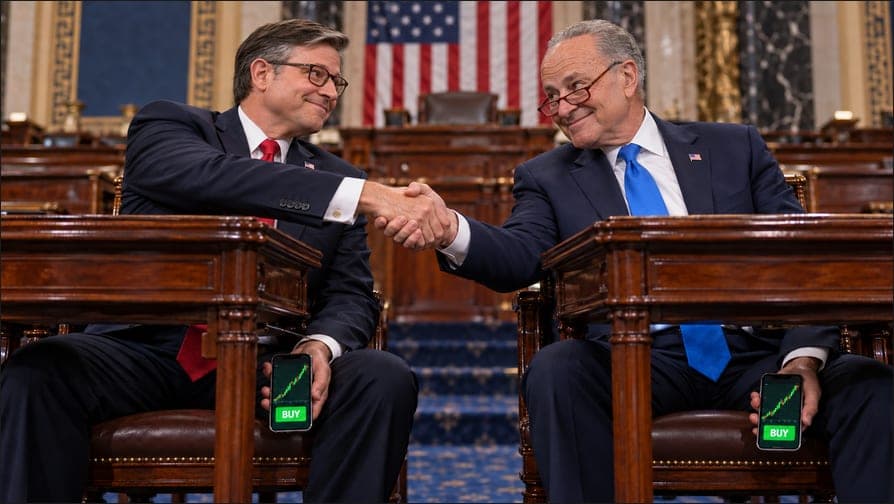
Ricketts promoted the stock-trading bill as it became a focus of a Senate vote and campaign messaging.
SOURCE CHECK
TAP FOR WHYZeroHedge is a blog rather than a major reporting institution, and this article uses a strongly opinionated voice. It names other outlets as sources for some claims, but the text provides limited direct sourcing and no visible corrections or editorial standards information.
- Source type — A blog, which warrants a lower institutional-credibility baseline than an established newsroom.
- Editorial standards — The article's polemical language is more characteristic of commentary than restrained original reporting.
- Author attribution — A byline is present, though Tyler Durden is a pseudonymous byline.
- Source diversity — It cites reporting by several other outlets, but offers little direct documentary sourcing in the text.
The article gives a tally, describes the bill’s provisions and attributes several statements, while also referencing outside coverage. Its loaded language and limited presentation of the senators’ competing explanations make it less reliable as neutral, fully sourced reporting.
HOW WE SCORE ↗The article includes the bill’s provisions, Ricketts’s defense and Schumer’s objection, but its own strongly worded interpretations dominate. It gives little direct explanation from senators who supported or opposed the measure beyond those quoted positions.
- Loaded language — Repeatedly uses charged descriptions such as “poison pill,” “lifeline” and “cloakroom.”
- Counterarguments presented — Includes Ricketts’s stated case for the bill and Schumer’s criticism, but does not develop both sides in comparable depth.
- Source diversity — Names several media sources and political figures, but relies heavily on the author’s characterization.
- Opinion vs reporting — Commentary and evaluative claims are interwoven with the reported vote and bill details.
The piece is broadly hostile to congressional self-interest and criticizes both parties’ tactics. Its framing is somewhat more critical of Republicans for attaching voter-ID language, while also faulting Democrats for opposing the resulting bill.
- Framing — Frames the Republican-added voter-ID language as a deliberate poison pill, but also says Democrats used it to preserve the status quo.
- Language tone — Uses cynical and derisive phrasing about Congress and the bill’s sponsors.
- Source selection — References coverage from outlets with varied perspectives, but gives limited space to direct defenses of the vote.
The Senate rejected a 53-47 motion to begin debate on the Stop Insider Trading Act, which would have restricted lawmakers’ stock purchases but included voter-ID language. The article says the vote also served as campaign messaging for vulnerable Republicans, including bill advocate Pete Ricketts.
The article reports that the Senate rejected cloture on a motion to proceed to H.R. 7008, the Stop Insider Trading Act, by 53-47; 60 votes were required. It says the measure would have barred new purchases of publicly traded stocks by lawmakers, their spouses and dependent children, while allowing existing holdings and sales with advance notice. The article says Republicans attached national photo-ID language from the SAVE America Act.
The article describes Pete Ricketts as the face of the Senate version and says he promoted the bill as a commonsense measure. It characterizes the vote as campaign messaging for vulnerable Republican senators, including Ricketts, and says independent candidate Dan Osborn has criticized Ricketts over stock-market gains. The article also reports Chuck Schumer’s objection to the voter-ID provision and Cory Booker’s criticism that the bill was “weak sauce.”
Community verdict
25 VOTES
Counts every outlet’s report of this story. See all 3
Votes cast on this page
Votes cast on this page: ▲ 0 · ◆ 0 · ▼ 0
People in this story
SWIPE →Senator and advocate for the Senate version of the Stop Insider Trading Act

President referenced in discussion of proposed divestiture rules
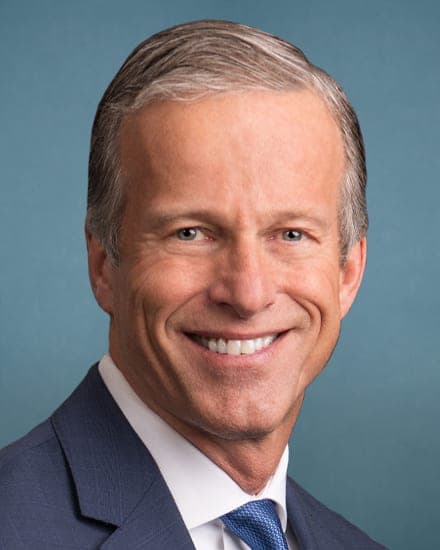
Senate majority leader who scheduled the vote
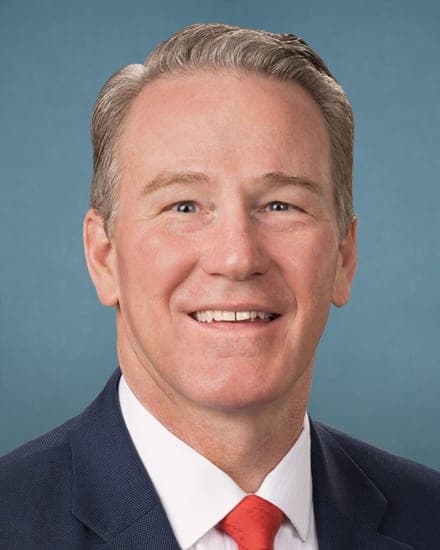
Senator described as a vulnerable incumbent

Independent Senate candidate opposing Ricketts
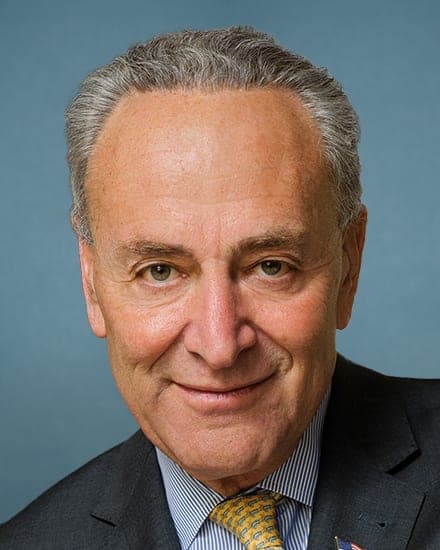
Senate minority leader who criticized the voter-ID provision
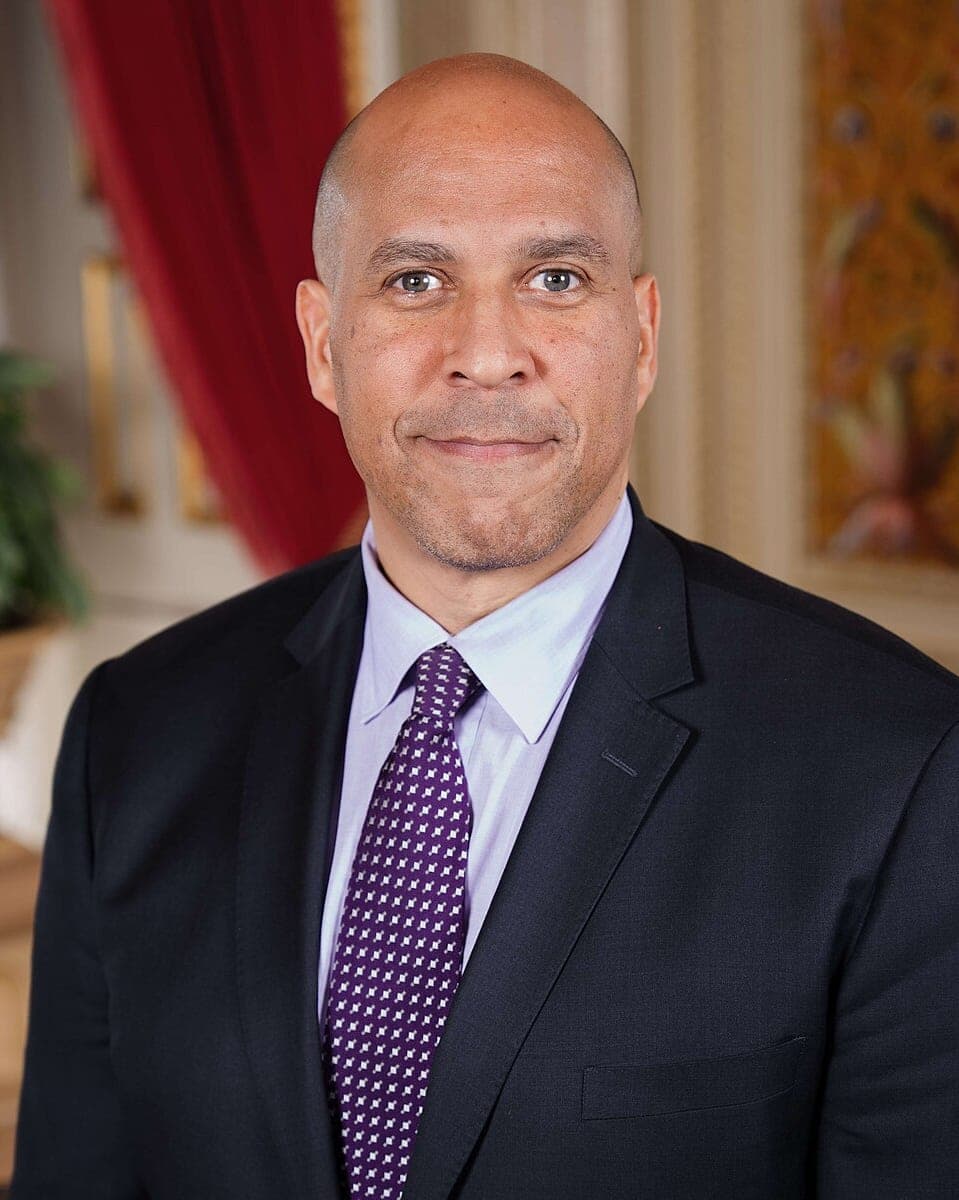
Senator who criticized the bill as weak

Senator described as a vulnerable incumbent
Part of a bigger story
3 OUTLETSThe Senate rejected the Stop Insider Trading Act, sponsored by Senator Pete Ricketts, on a 53-47 vote that fell short of the 60 votes required to advance restrictions on congressional stock trading. Center outlets focus on the partisan standoff over the legislation, balancing Democratic concerns about loopholes against Ricketts's defense of the reform. Right-leaning outlets, such as the Bostonherald, criticize Democrats for halting the proposal, framing the vote as preserving lawmakers' financial conflicts of interest.
- ARTICLES
- 3
- OUTLETS
- 3
- AVG CRED
- 63
Discussion · 0
Loading comments…