Editorial: Dems deliver death blow to stock trade ban
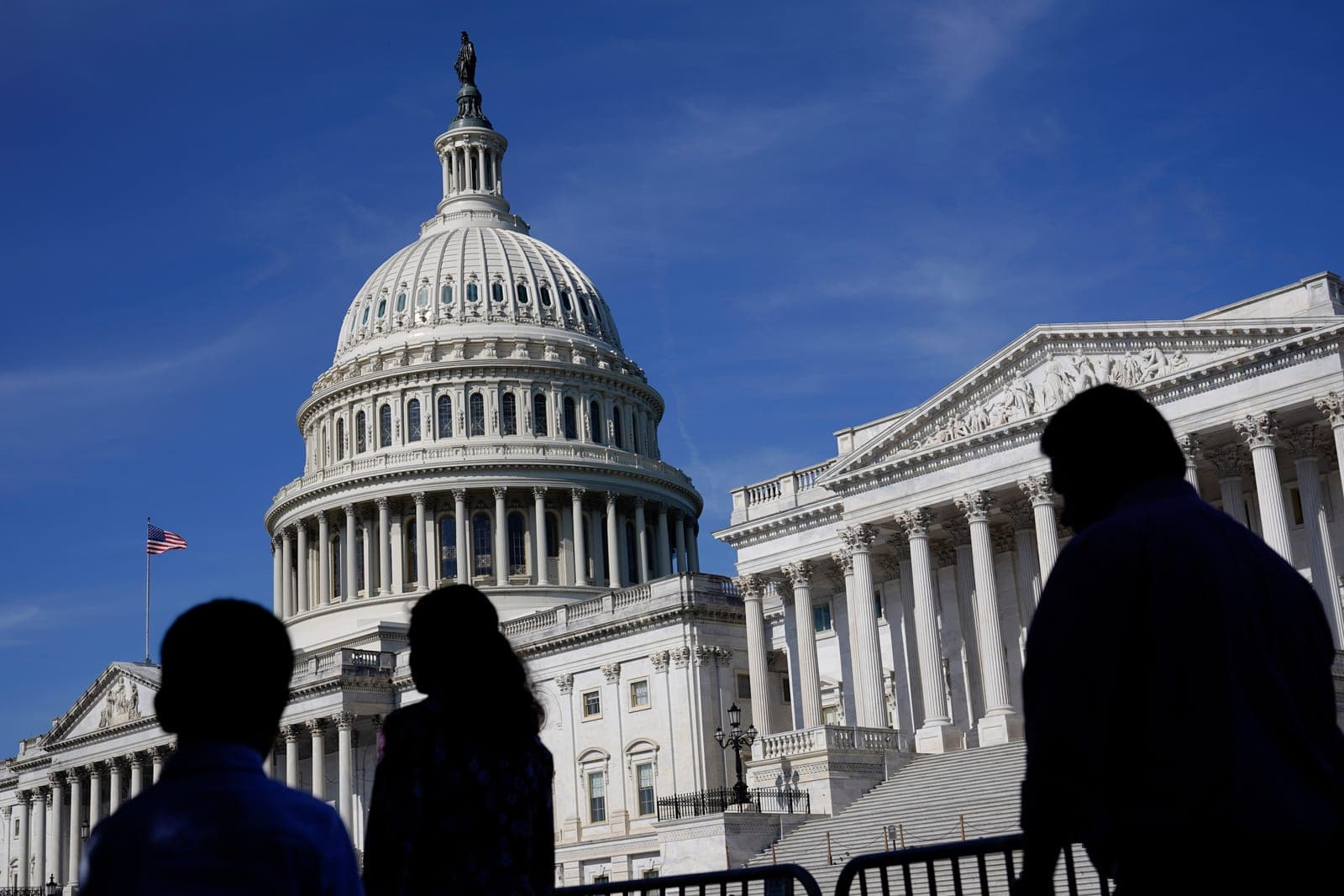
Pete Ricketts sponsored the proposal and argued that congressional stock trading has weakened public confidence.
SOURCE CHECK
TAP FOR WHYThe Boston Herald is an established regional newspaper, but the article is an unsigned editorial rather than original reported coverage. It attributes key reporting to other outlets and identifies the source of the stock-trading figures.
- Source type — An established local newspaper, supporting a solid institutional baseline.
- Transparency — The editorial attributes reporting to The Hill and the New York Times and identifies the research source for the trading figures.
- Author attribution — No individual author is identified; the piece is presented as an editorial.
- Editorial standards — The publication format distinguishes editorial argument from straight news reporting.
The editorial gives concrete provisions of the bill, cites reporting and data from named sources, and includes Schumer’s objection that the measure was too limited. Its argument favors the bill, however, and it offers little independent examination of the opposing case.
HOW WE SCORE ↗The editorial states the Democrats’ objection that the proposal did not go far enough and describes what the bill would allow. It nevertheless argues strongly for the measure and does not develop the case for opposing it.
- Counterarguments presented — Schumer’s criticism that the bill was too limited is included, along with the relevant bill provisions.
- Loaded language — Characterizes the vote as talk without action and says lawmakers are raking it in.
- Opinion vs reporting — The editorial openly argues for the bill rather than presenting a neutral report.
- Source diversity — Includes statements from both Ricketts and Schumer, but relies on a limited range of perspectives.
The editorial presents Democratic opposition as hypocrisy and argues in favor of the Republican-backed bill. It acknowledges Democrats’ stated concern that the measure was too limited, but ultimately dismisses that objection.
- Language tone — Uses dismissive language about Democrats’ stated commitments and their vote.
- Framing — Frames the vote as a failure to demonstrate solidarity with the public and to address conflicts of interest.
- Source selection — Includes Schumer’s criticism of the bill, but gives the editorial’s rebuttal the final word.
The editorial criticizes Senate Democrats for blocking the Stop Insider Trading Act, which would have restricted lawmakers’ stock purchases and required advance notice of sales. It argues that the bill was an imperfect but useful first step toward curbing conflicts of interest.
The editorial says Senate Democrats blocked the Stop Insider Trading Act on Wednesday, after the House passed it in July. The measure would have barred lawmakers from buying new publicly traded stocks and required advance notice of planned stock sales, while allowing them to keep existing holdings and buy private stocks. Pete Ricketts argued that congressional stock trading has undermined public confidence; Chuck Schumer called the proposal inadequate and said it would still permit stock ownership and sales.
The editorial cites a New York Times analysis that found legislators had traded individual stocks during the term, and argues that the failed bill could have provided a basis for stricter rules. It also reports that Senate candidate John Deaton criticized Ed Markey for voting no, while saying future legislation could extend a stock ban to the president and family members. The editorial urges lawmakers to revive the proposal.
Community verdict
25 VOTES
Counts every outlet’s report of this story. See all 3
Votes cast on this page
Votes cast on this page: ▲ 0 · ◆ 0 · ▼ 0
People in this story
SWIPE →Senator and sponsor of the stock-trading restrictions discussed in the editorial
Senate candidate who criticized Ed Markey’s vote

Senator criticized by John Deaton for voting against the bill

President mentioned in Deaton’s remarks about possible future stock-trading restrictions

Senate Democratic leader who criticized the proposal as insufficient
Part of a bigger story
3 OUTLETSThe Senate rejected the Stop Insider Trading Act, sponsored by Senator Pete Ricketts, on a 53-47 vote that fell short of the 60 votes required to advance restrictions on congressional stock trading. Center outlets focus on the partisan standoff over the legislation, balancing Democratic concerns about loopholes against Ricketts's defense of the reform. Right-leaning outlets, such as the Bostonherald, criticize Democrats for halting the proposal, framing the vote as preserving lawmakers' financial conflicts of interest.
- ARTICLES
- 3
- OUTLETS
- 3
- AVG CRED
- 63
Discussion · 0
Loading comments…