Abdul El-Sayed's Win Sparked a Wave of Islamophobia Across Social Media
El-Sayed’s primary victory was followed by anti-Muslim attacks, which he says reflect a lack of ideas among Republicans.
SOURCE CHECK
TAP FOR WHYCredibility rates Truthout, which republished this story. The other scores rate the article itself.
Truthout’s publisher rating is 55, and the opinion source type supports a moderate credibility assessment rather than the higher rating used for established straight-news outlets. The article names its author and attributes key findings to identifiable studies and news organizations, though this page does not establish Truthout’s correction practices.
- Source type — Opinion-source prior; the piece uses a strongly critical frame.
- Track record — The site’s rating from 12 stories is 55, indicating moderate assessed credibility.
- Author attribution — The article names Michael Arria as its author.
- Transparency — It attributes several findings to named organizations and publications, but this page gives limited information about methods or corrections.
The article supports its central account with findings attributed to the Washington Post, Al Jazeera, and the Center for the Study of Organized Hate, and includes statements by El-Sayed and several critics. It provides few direct responses from those criticized and relies on a clearly critical, one-sided framing.
HOW WE SCORE ↗The article cites multiple investigations and includes El-Sayed’s response, but does not offer substantive responses from the Republicans and other figures whose statements it criticizes. Its strong evaluative framing gives the account a clear tilt.
- Source diversity — Cites multiple research and media sources, as well as El-Sayed, but offers little viewpoint diversity from those criticized.
- Counterarguments presented — No substantive responses or counterarguments from the criticized figures are included.
- Loaded language — Uses strongly critical terms to characterize the events and campaign.
- Opinion vs reporting — The article combines reported findings with an explicitly interpretive and critical argument.
The article frames anti-Muslim attacks as a right-wing campaign and uses explicitly critical language about Republican figures and their messaging. Its account and source selection emphasize evidence and statements supporting that framing, with little presentation of the criticized figures’ explanations or responses.
- Language tone — Uses evaluative phrases such as “wave of Islamophobia” and describes attacks as a “smear campaign.”
- Framing — Presents the posts and public statements as part of a broader anti-Muslim political pattern.
- Source selection — Relies on studies and statements critical of anti-Muslim rhetoric, with no substantive defense from the figures criticized.
Republished
Republished from Mondoweiss. The relationship between the two publishers has not been determined.
16 stories · 46–51 · updated Oct 5, 2026
This is Mondoweiss's own score, and this article is credited to Mondoweiss. The host score in the Source Check is Truthout's.
Abdul El-Sayed’s Michigan Senate primary win was followed by a surge of anti-Muslim posts and attacks, according to studies cited in the article. El-Sayed says Republicans are using Islamophobia because they lack better ideas, while other critics and officials are also described as promoting or enabling anti-Muslim messaging.
The article cites a Washington Post analysis finding that nearly one-third of posts about El-Sayed from right-wing figures mentioned Islam, Muslims, or Sharia law in the two weeks after his August 4 primary victory. It also reports that the Center for the Study of Organized Hate found a twentyfold increase in anti-Muslim posts after the primary, and that an Al Jazeera analysis identified a coordinated digital campaign.
The article describes attacks by figures including Tommy Tuberville, Mike Pompeo, Donald Trump, and El-Sayed’s opponent, Mike Rodgers. El-Sayed says Republicans turn to Islamophobia because their ideas are tired, and argues that voters care more about what people pray for than how they pray.
Community verdict
VOTING CLOSED
No good or bad look here
This story reports what happened without casting El-Sayed in a good or bad light, so readers don’t rate it and it doesn’t count toward El-Sayed’s record.
People in this story
SWIPE →Michigan Senate candidate targeted by anti-Muslim attacks after winning his party’s nomination
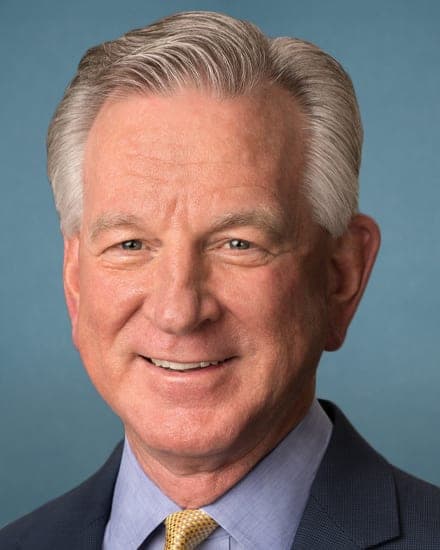
Senator who called El-Sayed a potential “TERRORIST” in a public statement
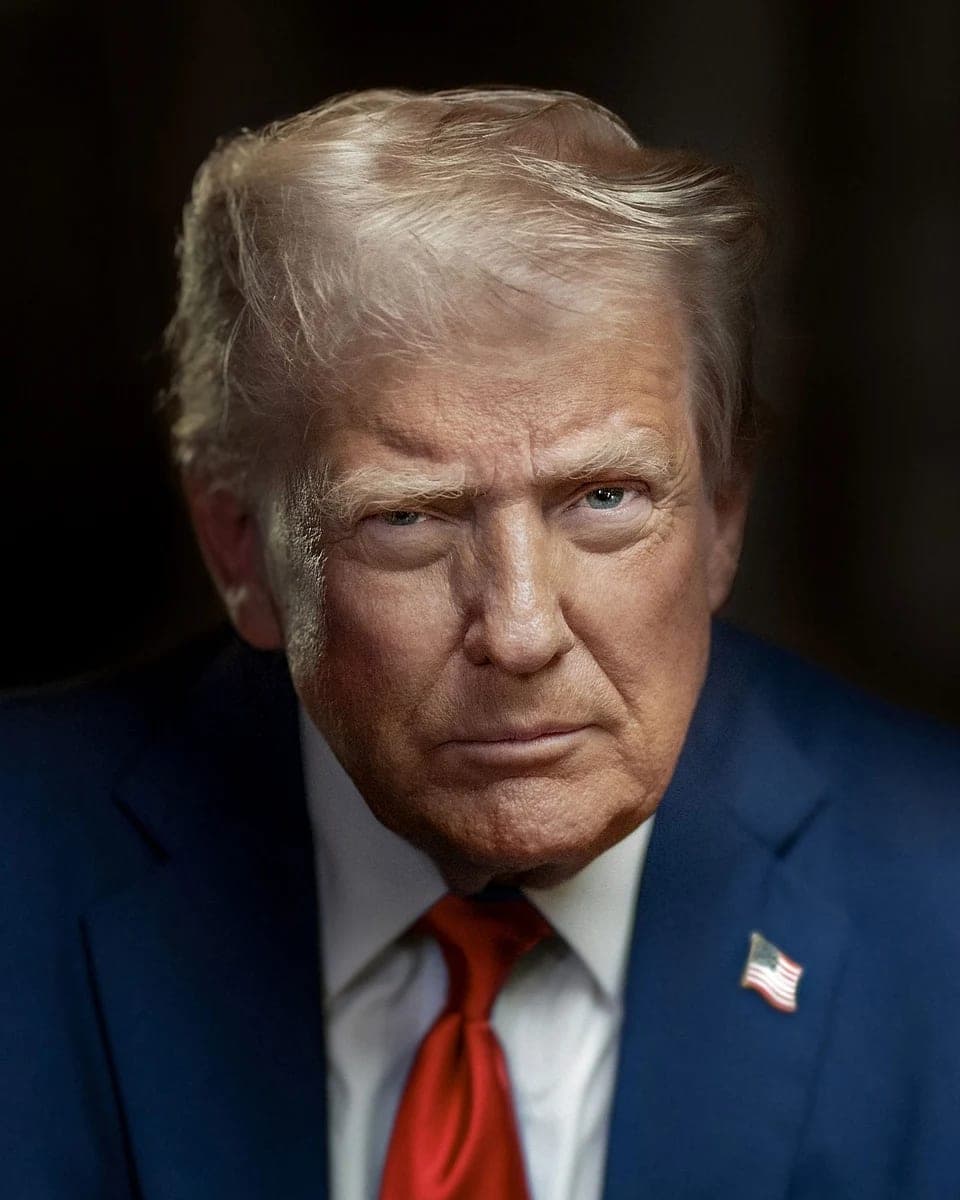
President whose social media post juxtaposed images of El-Sayed and his wife with Trump and the First Lady
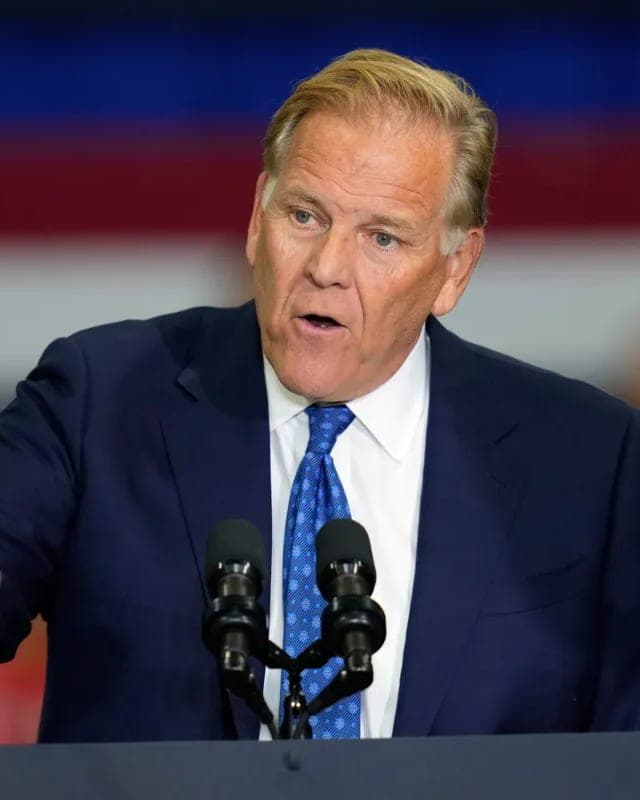
Republican Senate nominee and El-Sayed’s opponent

Former Secretary of State who accused El-Sayed of supporting Hamas
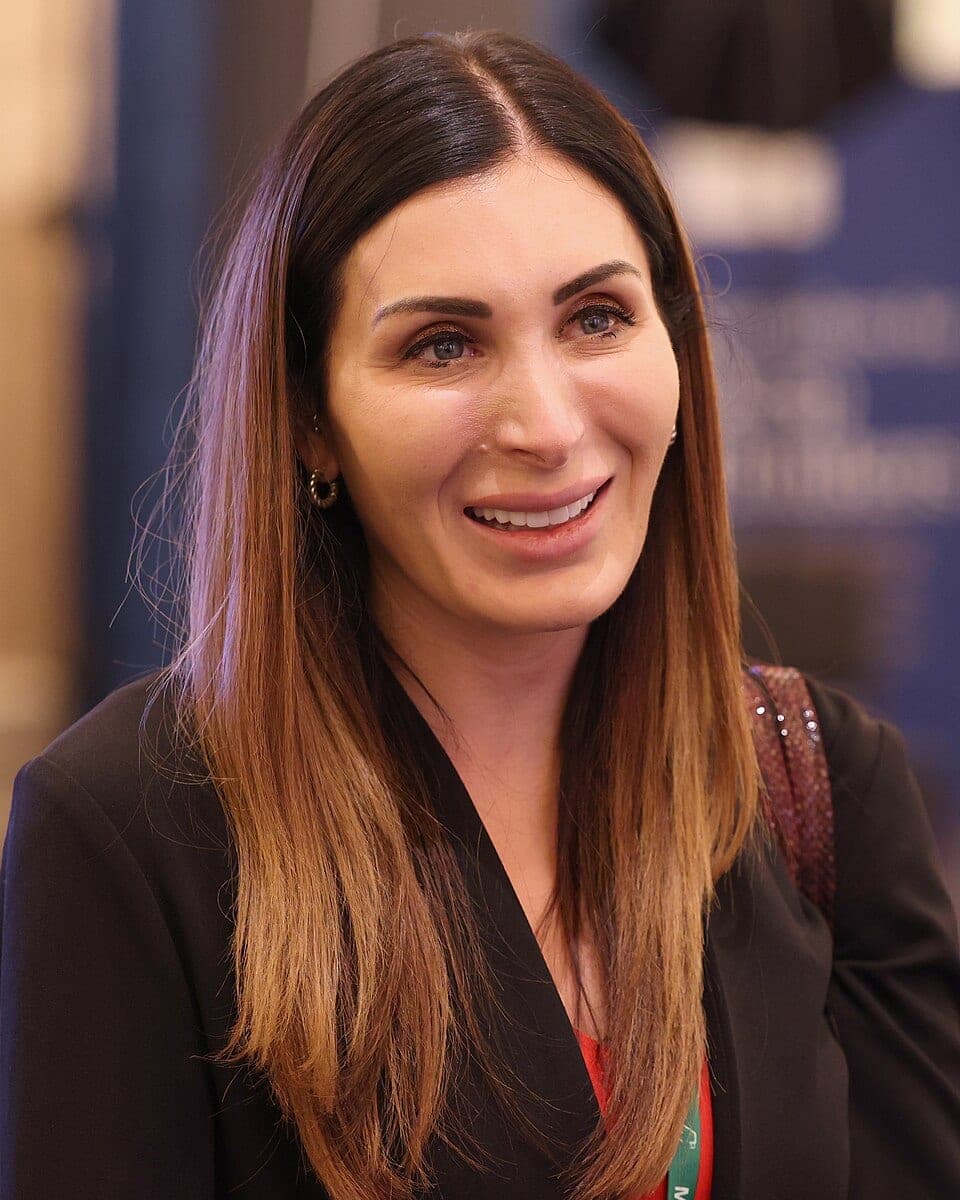
Far-right pundit cited for calling El-Sayed a jihadist
Senate candidate and anti-Muslim activist who led a march in Dearborn
Part of a bigger story
3 OUTLETSEl-Sayed won Michigan’s Democratic Senate primary. Left-leaning outlets split between canvassing and voter mobilization as a path through the post-primary race and anti-Muslim attacks as a central aftermath of his win.
- ARTICLES
- 3
- OUTLETS
- 3
- AVG CRED
- 47
Discussion · 0
Loading comments…