Search people, articles, bills, and more
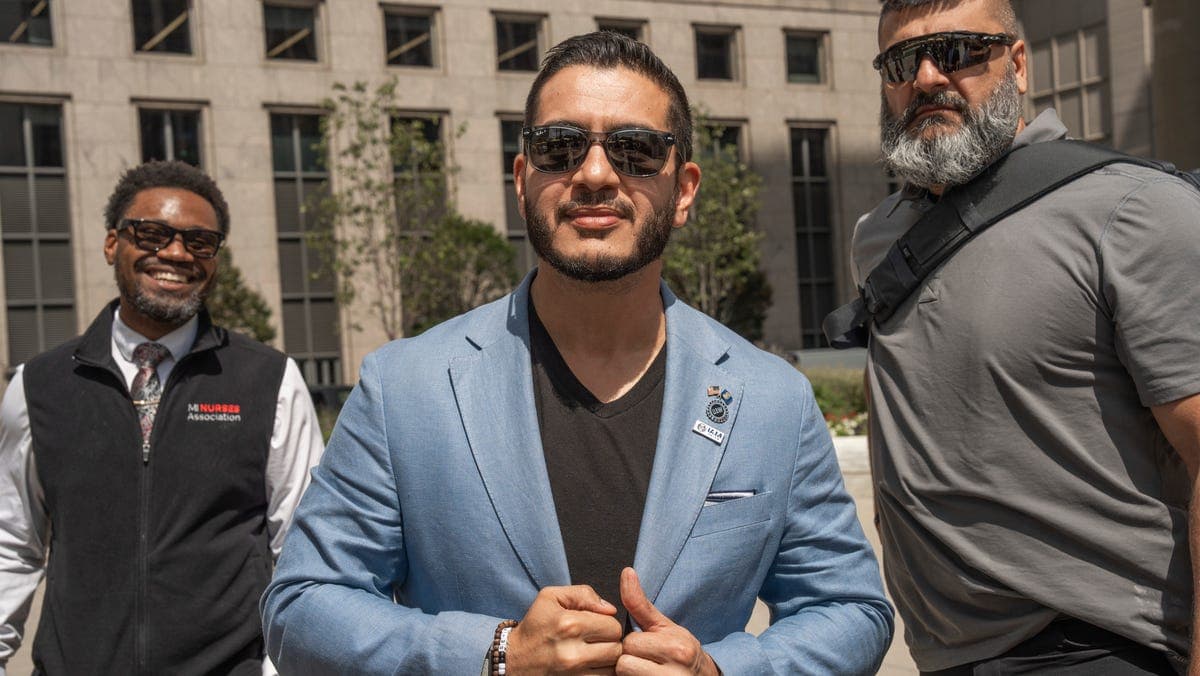
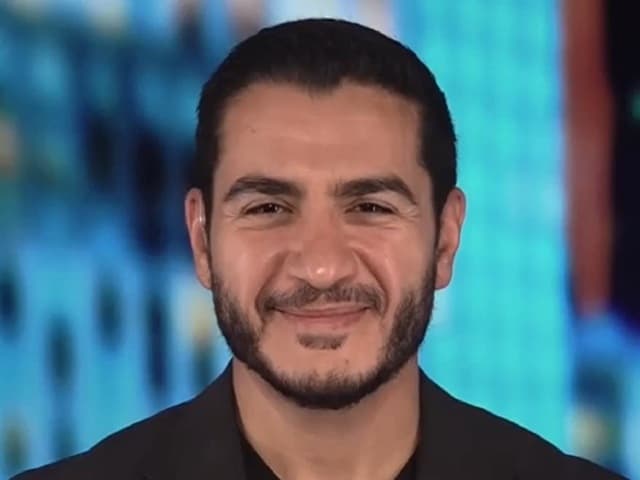
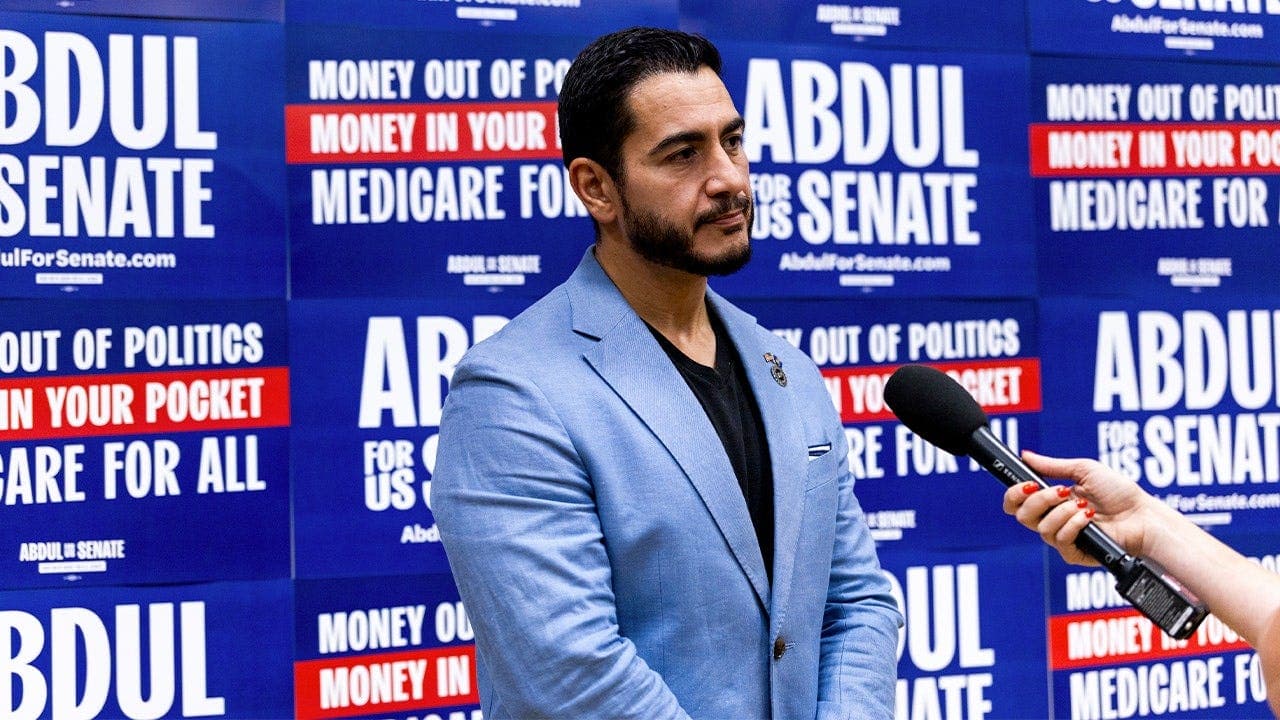
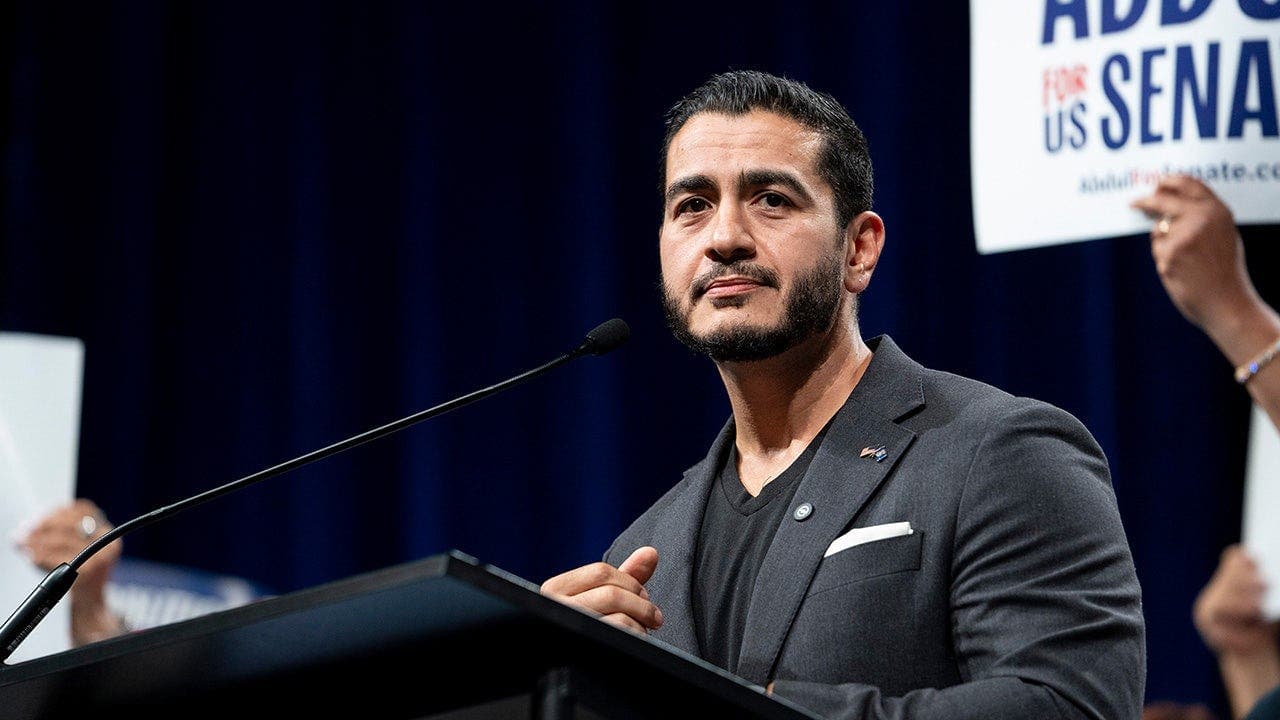
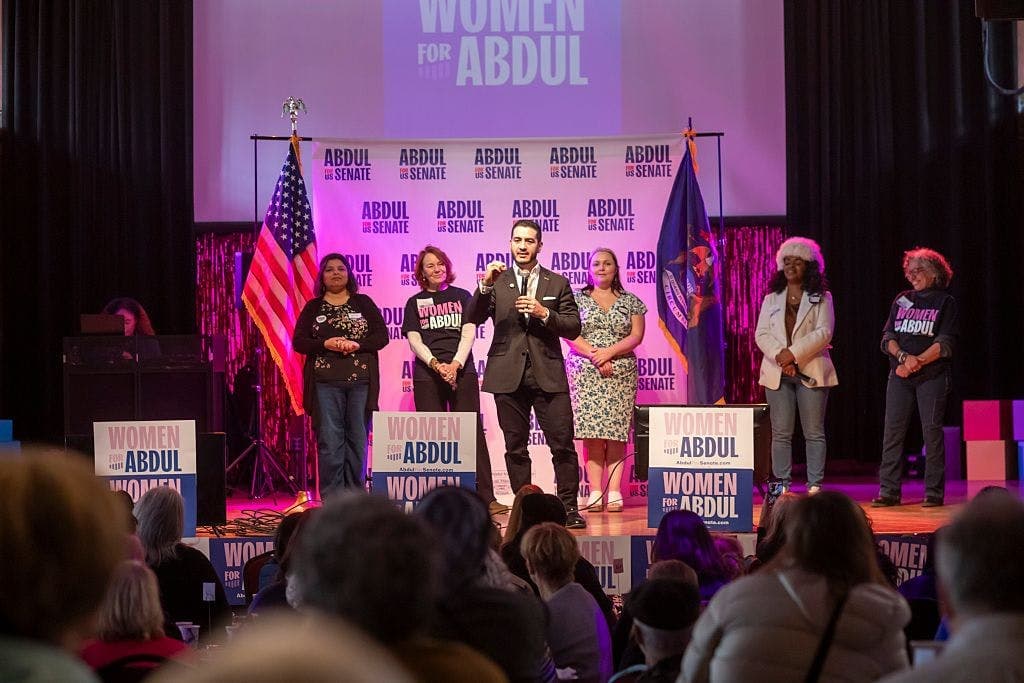
Candidate for U.S. Senate from Michigan.
Candidate · Michigan
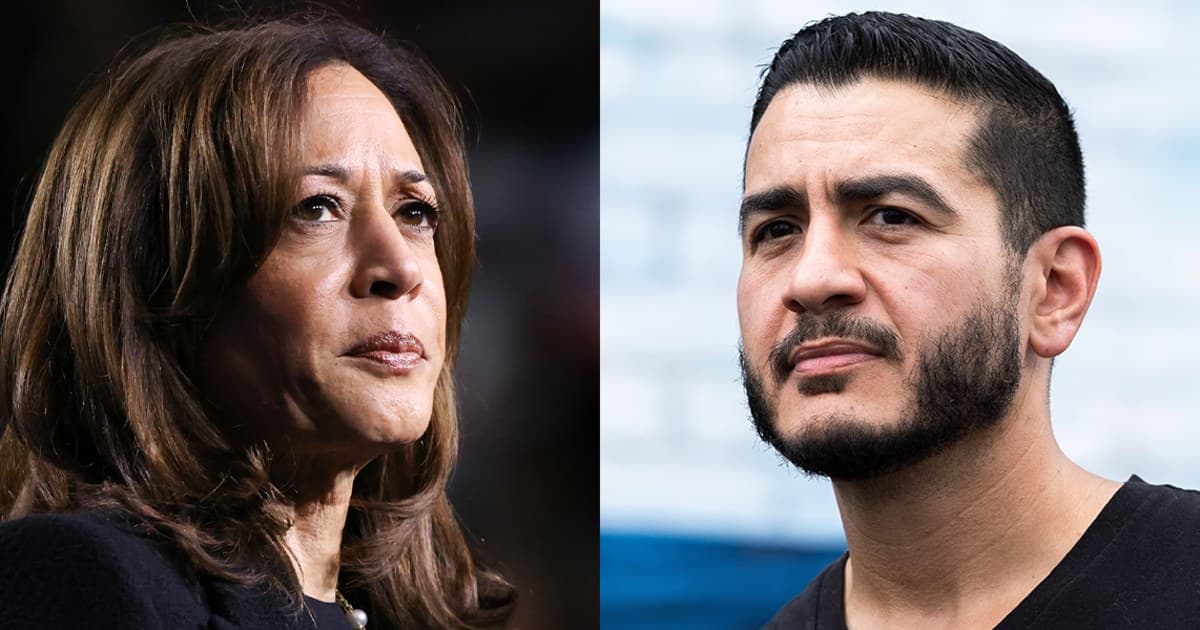
El-Sayed called for an end to harassment of his former primary rival and said threats put her safety at risk.
El-Sayed argues that Vance’s focus on Sharia law distracts from economic and policy concerns.
Abdul El-Sayed is presented as a physician and Senate nominee who exemplifies health professionals seeking political power.
Abdul El-Sayed is described as having compared Israel’s government with Hamas, and Subramanyam said he would support him if he became the nominee.
El-Sayed has defended speaking with Piker while saying he disagrees with Piker’s statement about al-Qaeda.
El-Sayed’s progressive platform and combative campaign style are central to this profile of his Senate race.
The article examines whether his past proposals and comments support Republicans’ claims about abolishing prisons and releasing violent criminals.
El-Sayed reportedly met with Temple Israel rabbis as Jewish voters weigh his positions on Israel and his recent outreach.
The article says El-Sayed defended focusing on affordability and health care, while arguing he could have handled the interview more strategically.
El-Sayed condemned harassment of Stevens, while critics argued that his campaign associations helped foster the rhetoric.
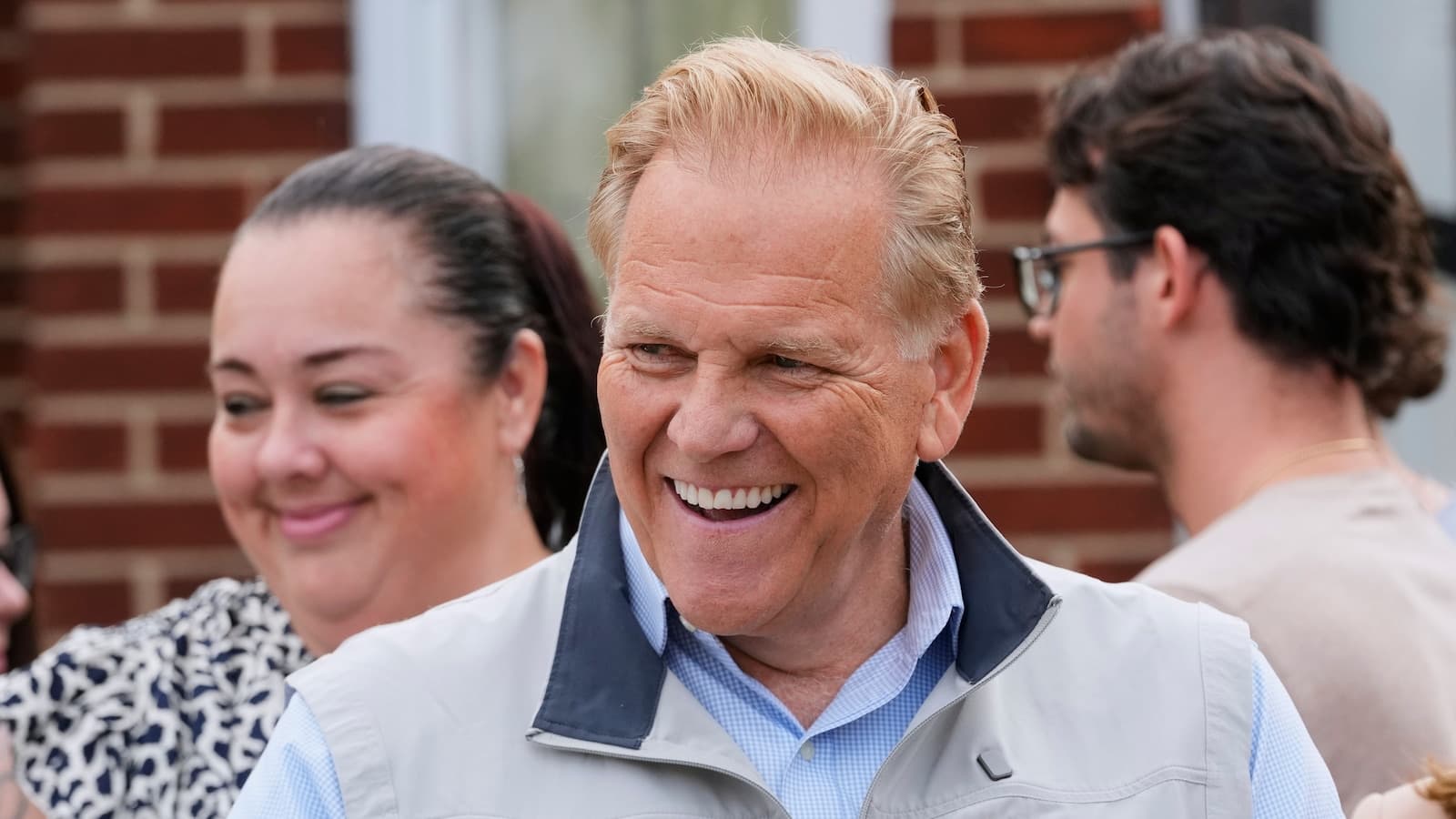
Two recent polls show El-Sayed narrowly ahead of Republican Senate candidate Mike Rogers.
El-Sayed defended speaking with Piker, later condemned antisemitism, and said he wanted to focus his campaign on voters’ concerns.
El-Sayed met with Democratic senators as party figures worked to rally behind him after his primary victory.
El-Sayed discusses his Senate campaign, policy priorities and response to attacks on his identity and past comments.
El-Sayed said the Michigan Senate race should focus on residents’ economic concerns and health care rather than Hasan Piker.
A Temple Israel teacher says she will not vote for El-Sayed over his comments about the synagogue attack, which he later apologized for.
Democrats may treat El-Sayed’s Senate performance as evidence in debates about the party’s direction in 2028.
The article revisits El-Sayed’s response to claims about his faith and alleged links to the Muslim Brotherhood.
El-Sayed’s positions and campaign choices are part of the electoral challenge Rogers is trying to use to attract voters.
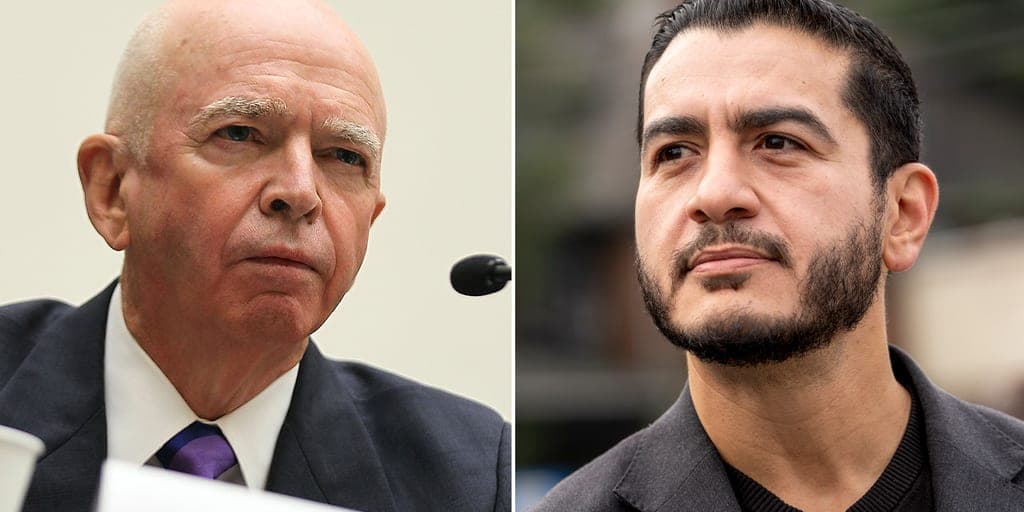
Critics question the national-security implications of El-Sayed’s Senate bid, while his campaign defends his record and priorities.
El-Sayed attacked Senate rival Mike Rogers and President Trump at a campaign town hall.
Elder faults El-Sayed for campaigning with Piker and for condemning antisemitism without naming him.
The article uses an undercover exchange involving his half-sister to question his public description of himself as a capitalist.
The article uses his past comments about healthcare costs to scrutinize his Medicare-for-all platform.
A Republican-supporting super PAC’s ad criticizes El-Sayed’s ties to Hasan Piker.
El-Sayed’s remarks about abortion restrictions at a university town hall prompted criticism from conservative commentators.
Michigan Senate candidate Abdul El-Sayed faced criticism for associating with controversial figures at his campaign event.
Abdul El-Sayed is criticized for his progressive associations and characterized by the author as a radical extremist in the Michigan Senate race.
ChamberLight is not an official government source. Community votes reflect public reception, not editorial judgment.
Challenging: