Abdul El-Sayed used Mamdani's social media playbook to overcome a 9:1 spending deficit. Now he's facing slander about 9/11
El-Sayed won the Democratic primary and used a low-cost social media strategy while preparing for the general election.
SOURCE CHECK
TAP FOR WHYCredibility rates Fortune, which republished this story. The other scores rate the article itself.
The Conversation’s work is republished by Fortune and is attributed to a university political scientist. The article includes specific election and spending figures and describes its analysis, though some findings are attributed broadly to analyses or fact checks rather than fully documented in the piece.
- Source type — The Conversation is an established explanatory journalism outlet, and Fortune is an established national publisher.
- Author attribution — The article identifies its author as a political scientist and names his university research position.
- Editorial standards — The piece offers specific figures and distinguishes the author's analysis from claims attributed to candidates, but does not provide detailed sourcing for every figure.
- Transparency — The page identifies the work as republished from The Conversation under a Creative Commons license.
The analysis uses precise vote and spending figures, describes campaign tactics and voting patterns, and attributes controversial claims to the people who made them. It notes the absence of exit polls and refers to independent fact checks, but does not name those fact-checkers or include responses from Rogers and Stevens to the article’s characterization.
HOW WE SCORE ↗The article compares the candidates’ campaigns, funding, endorsements and voting coalitions, and acknowledges uncertainty in the available election analysis. However, it gives no direct response from Rogers or Stevens to its descriptions of their campaigns or the attacks on El-Sayed.
- Source diversity — The piece draws on spending figures, aggregate returns, polls and fact checks, but includes no direct interviews with the candidates.
- Counterarguments presented — It explains both candidates’ campaign approaches but does not include responses to the article’s treatment of the 9/11 and Muslim Brotherhood accusations.
- Opinion vs reporting — The author presents an expert analysis of election dynamics rather than a straight event report.
- Loaded language — Most of the body is measured, although the headline labels the accusations as slander.
The article is written as election analysis, with largely descriptive language and competing campaigns’ strategies and support represented. Its negative characterization of the attacks on El-Sayed is attributed to the author and fact checks rather than expressed through consistently partisan language.
- Language tone — Mostly descriptive and analytic; the headline’s use of “slander” is stronger than the article’s general tone.
- Framing — The article centers El-Sayed’s campaign but also details Stevens’s support, ads and voter coalition.
- Source selection — It refers to campaign spending, election returns, polling and fact checks, but relies primarily on the author’s analysis.
Republished with credit
Republished from The Conversation, with credit to the original publisher.
Not enough stories yet: 4 of 10.
Abdul El-Sayed won Michigan’s Democratic Senate primary by about 15,000 votes despite a 9-to-1 spending disadvantage, using low-cost social media content. As he turns to the general election, Republican nominee Mike Rogers has accused him of supporting 9/11 and the Muslim Brotherhood; the article says those claims are untrue.
El-Sayed defeated Rep. Haley Stevens in Michigan’s Aug. 4 Democratic Senate primary by about 15,000 votes. The article describes his populist message and social media strategy, which used less-expensive content as he competed against spending that heavily favored Stevens. It also recounts how the campaigns appealed to different groups of voters and drew support from different Democratic leaders and officials.
The article says El-Sayed now faces Republican nominee Mike Rogers in a competitive general election. It reports that Rogers accused El-Sayed of believing America deserved 9/11 and supporting the Muslim Brotherhood, and says the claims are not true. The author argues that such attacks could still affect voters as they begin paying attention to the race.
Community verdict
VOTING CLOSED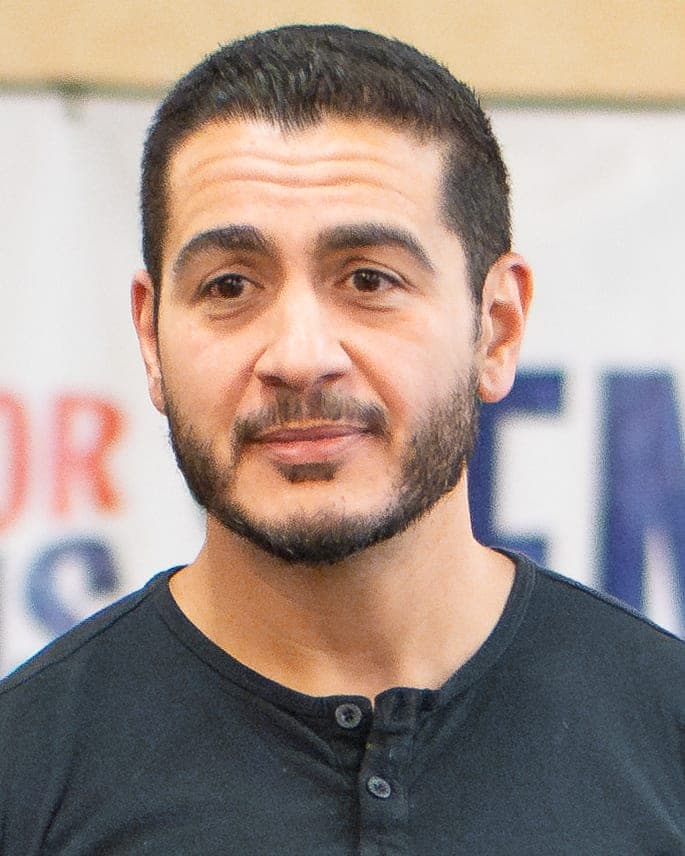
No good or bad look here
This story reports what happened without casting El-Sayed in a good or bad light, so readers don’t rate it and it doesn’t count toward El-Sayed’s record.
People in this story
SWIPE →Democratic nominee for Michigan’s U.S. Senate seat and subject of the article’s campaign analysis
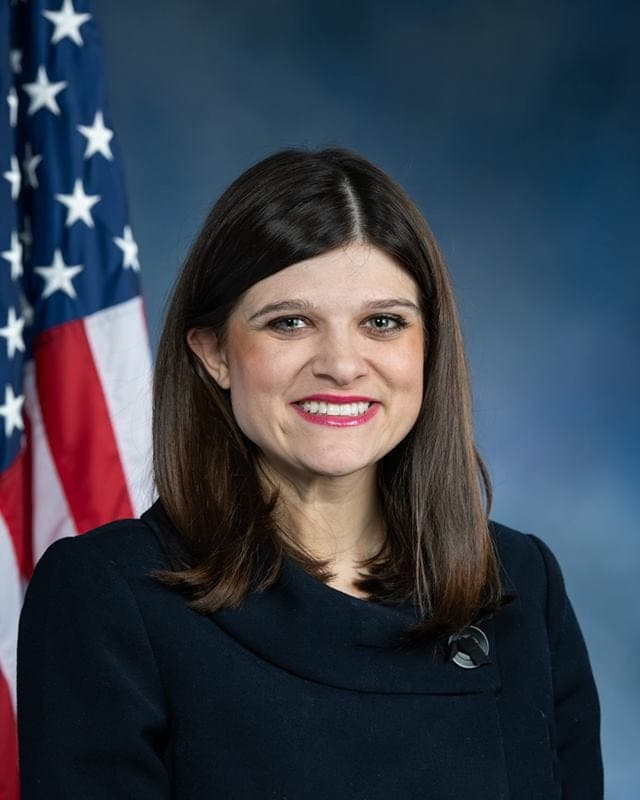
Michigan representative and defeated Democratic Senate primary candidate
Stevens's version of this story ↗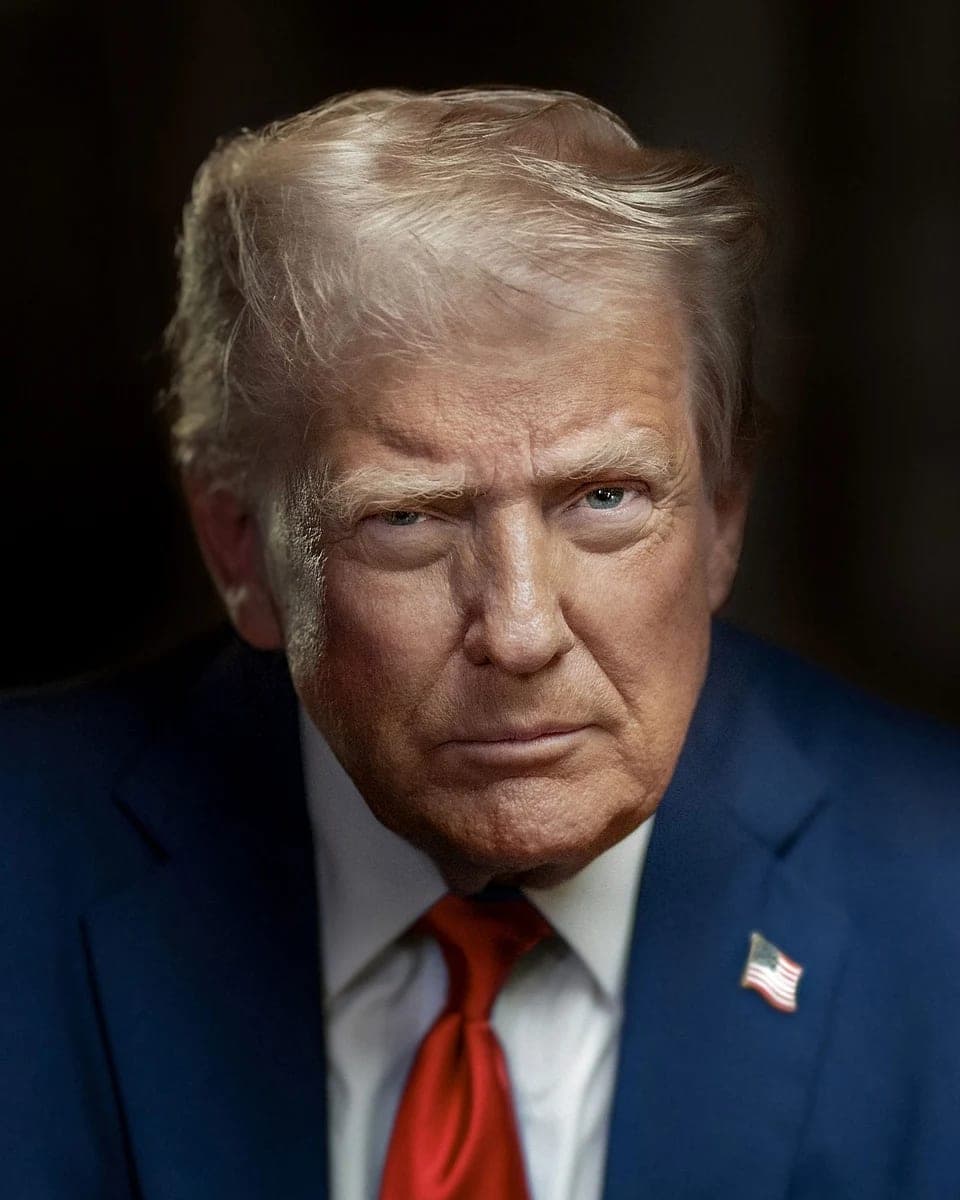
President who supports Rogers and has criticized Democratic candidates
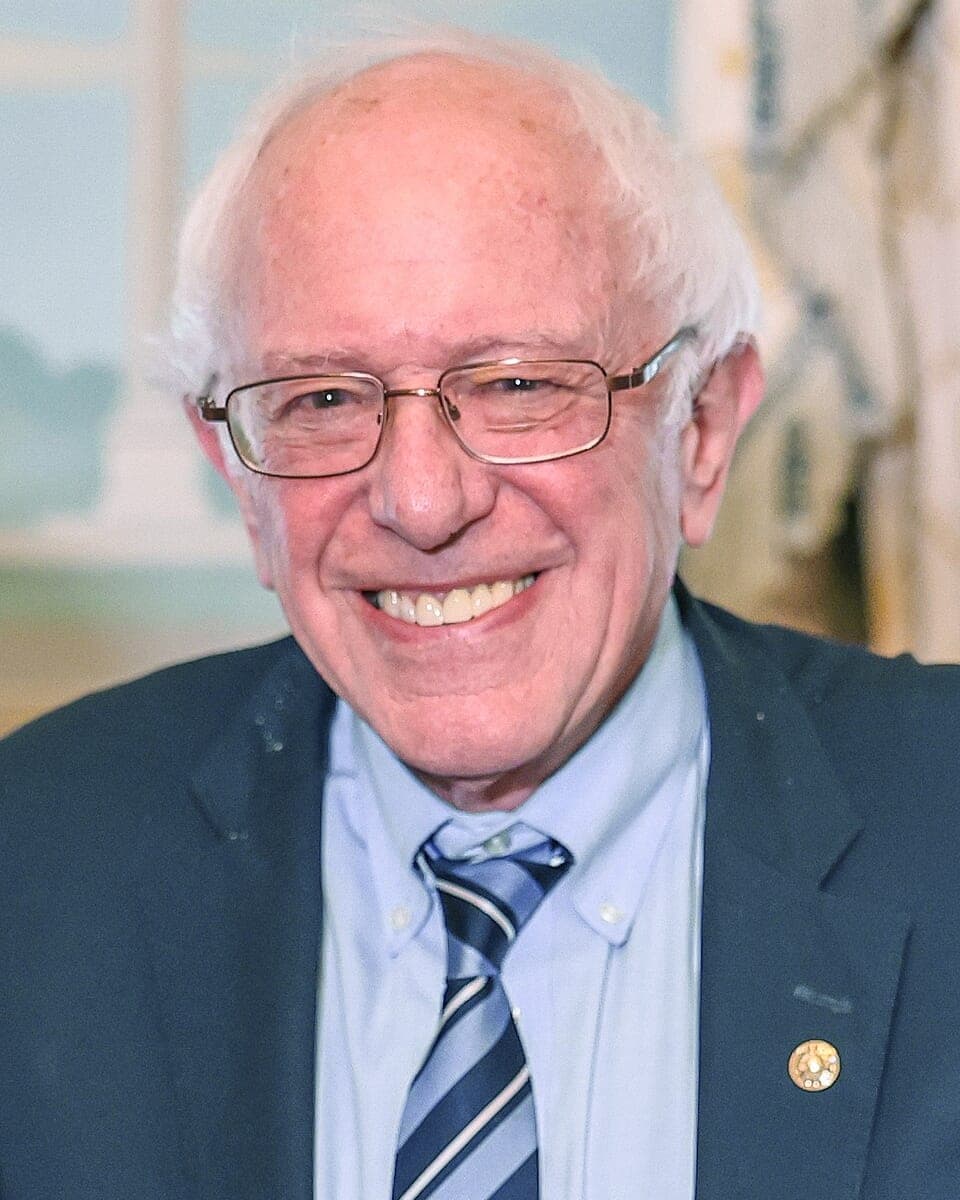
Senator who endorsed and campaigned with El-Sayed
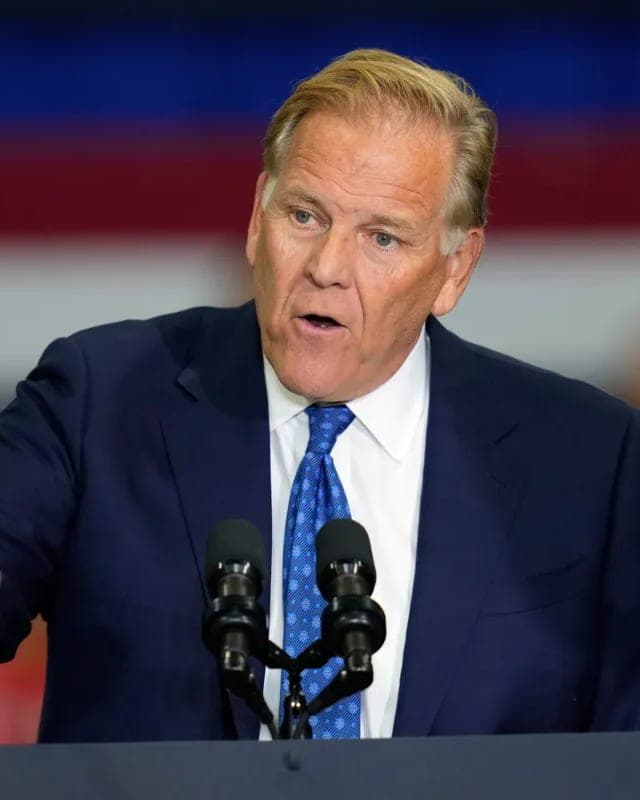
Republican nominee opposing El-Sayed in the general election
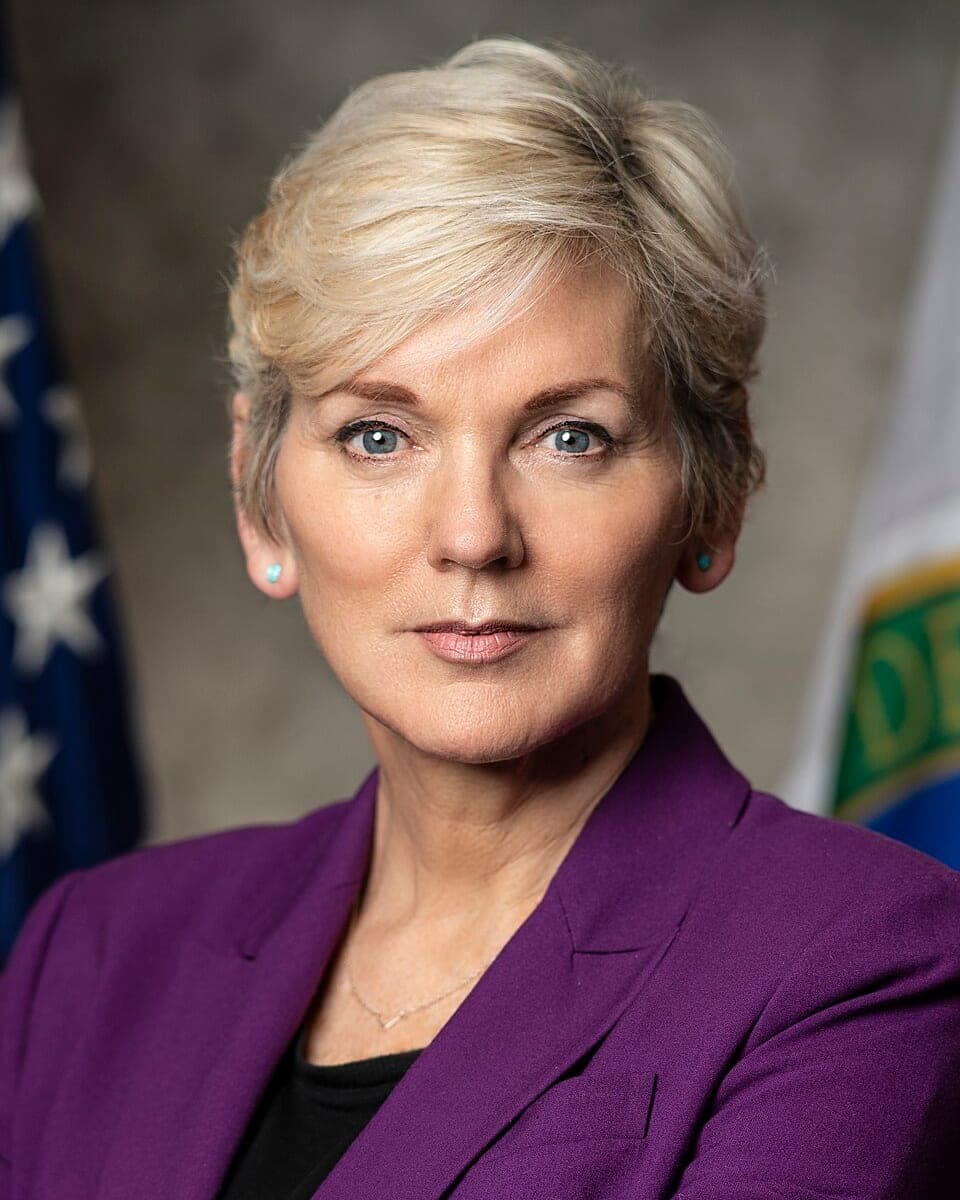
Former Michigan governor who endorsed Stevens
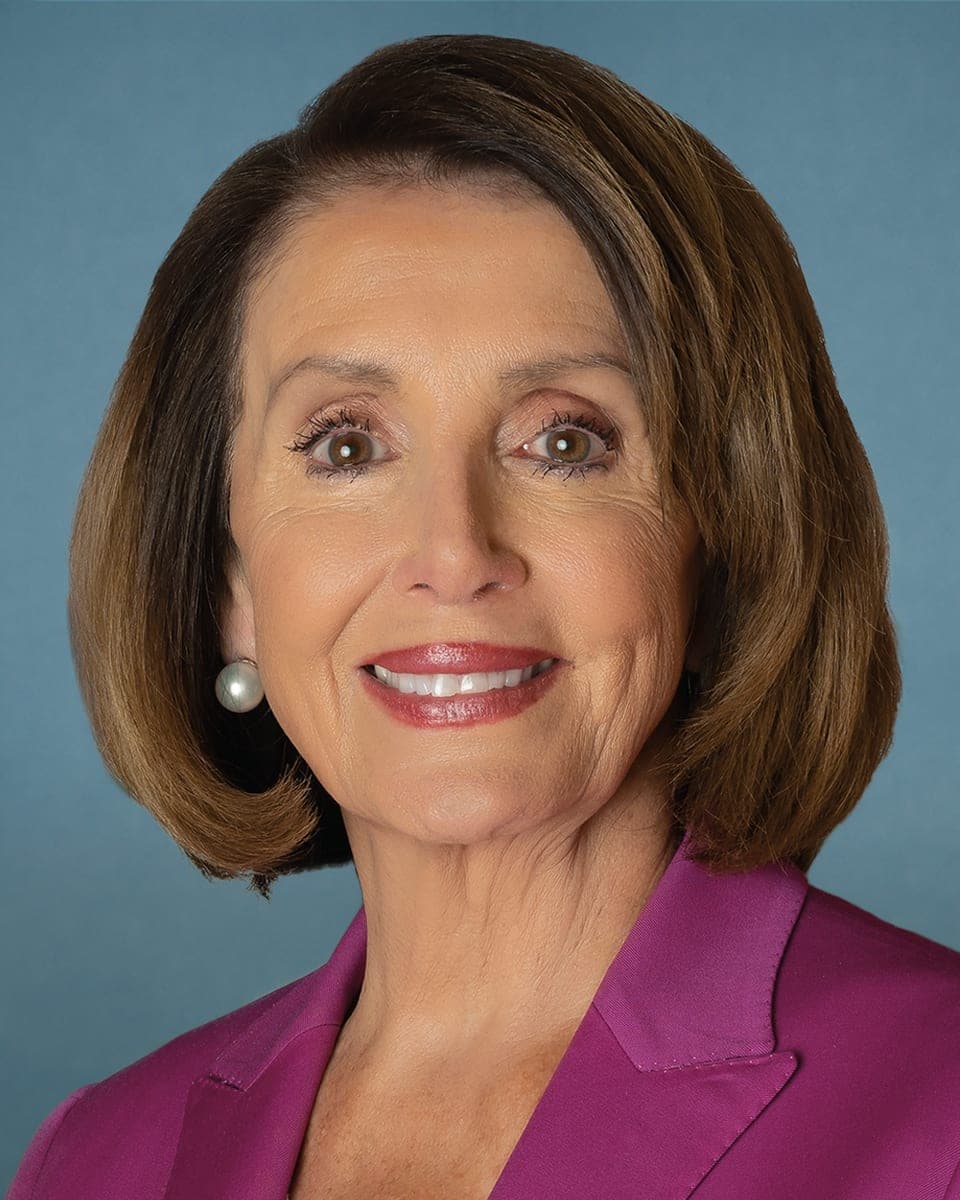
Speaker emerita who endorsed Stevens
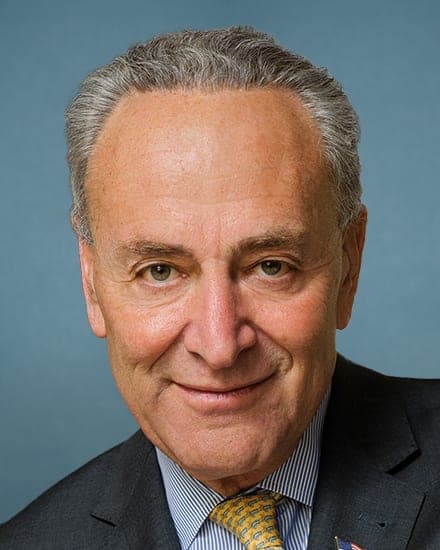
Senate minority leader who endorsed Stevens
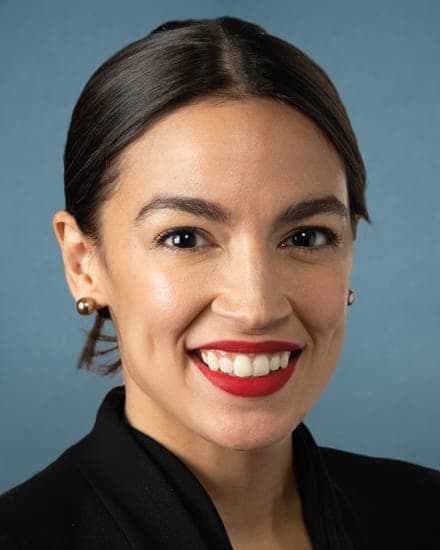
Representative who endorsed and campaigned with El-Sayed

Former transportation secretary who expressed support for El-Sayed
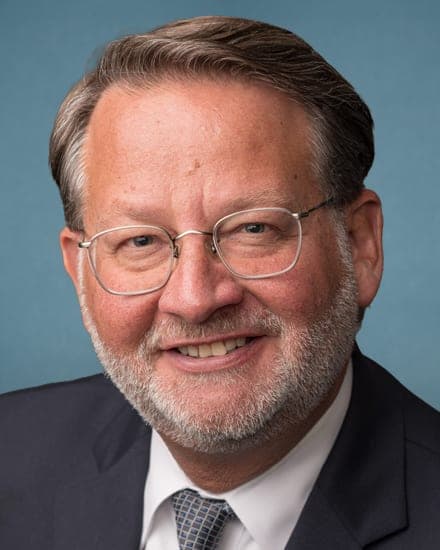
Michigan senator who endorsed Stevens
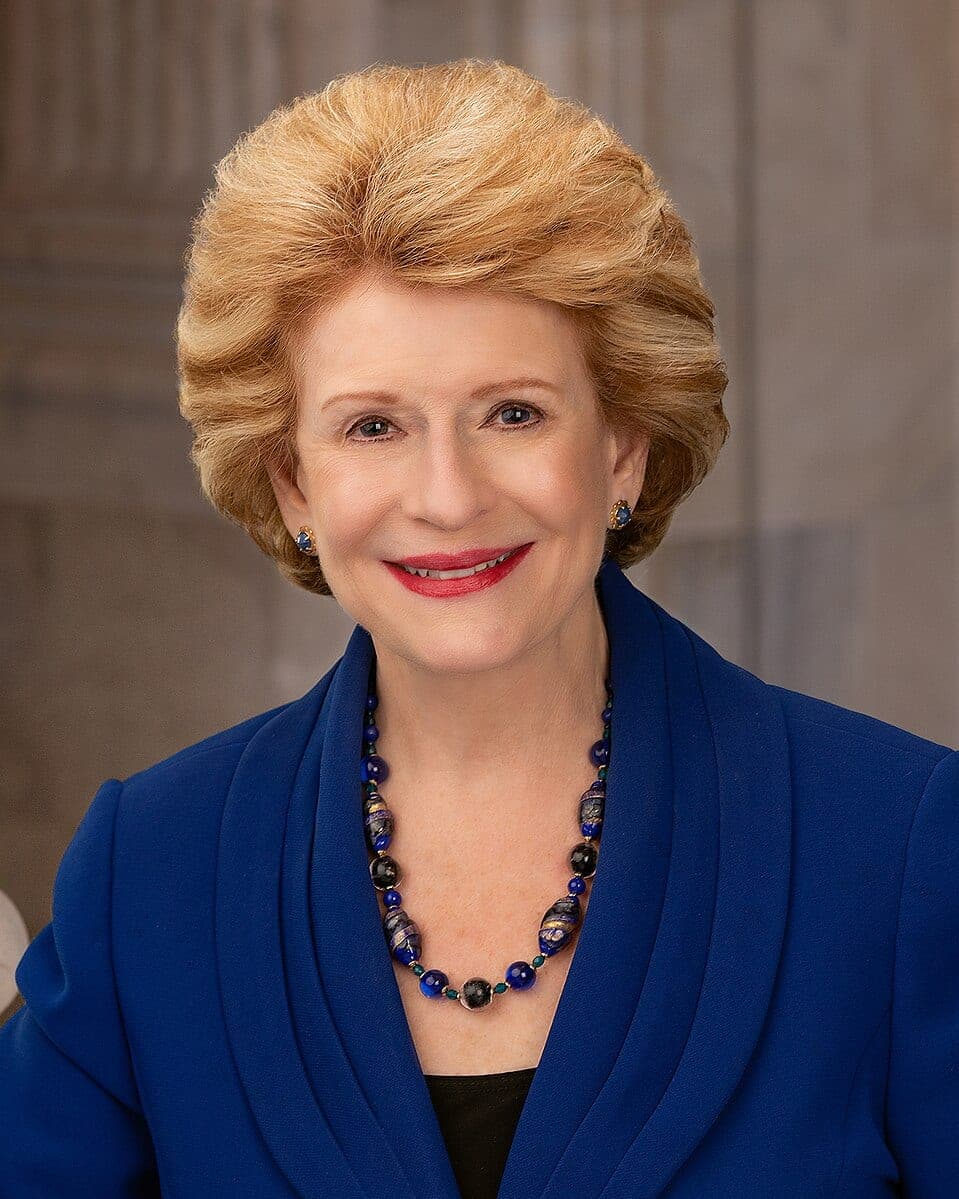
Former Michigan senator who endorsed Stevens
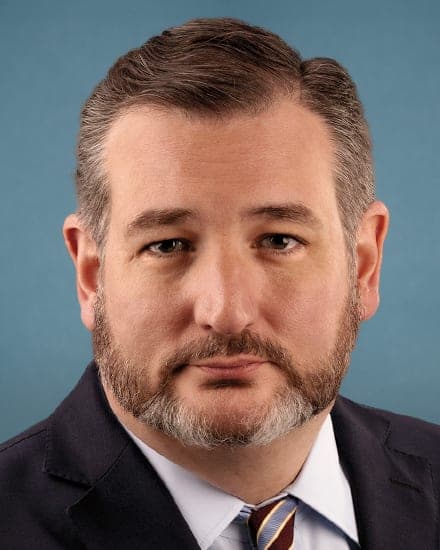
Senator who raised alleged El-Sayed family connections in Senate testimony
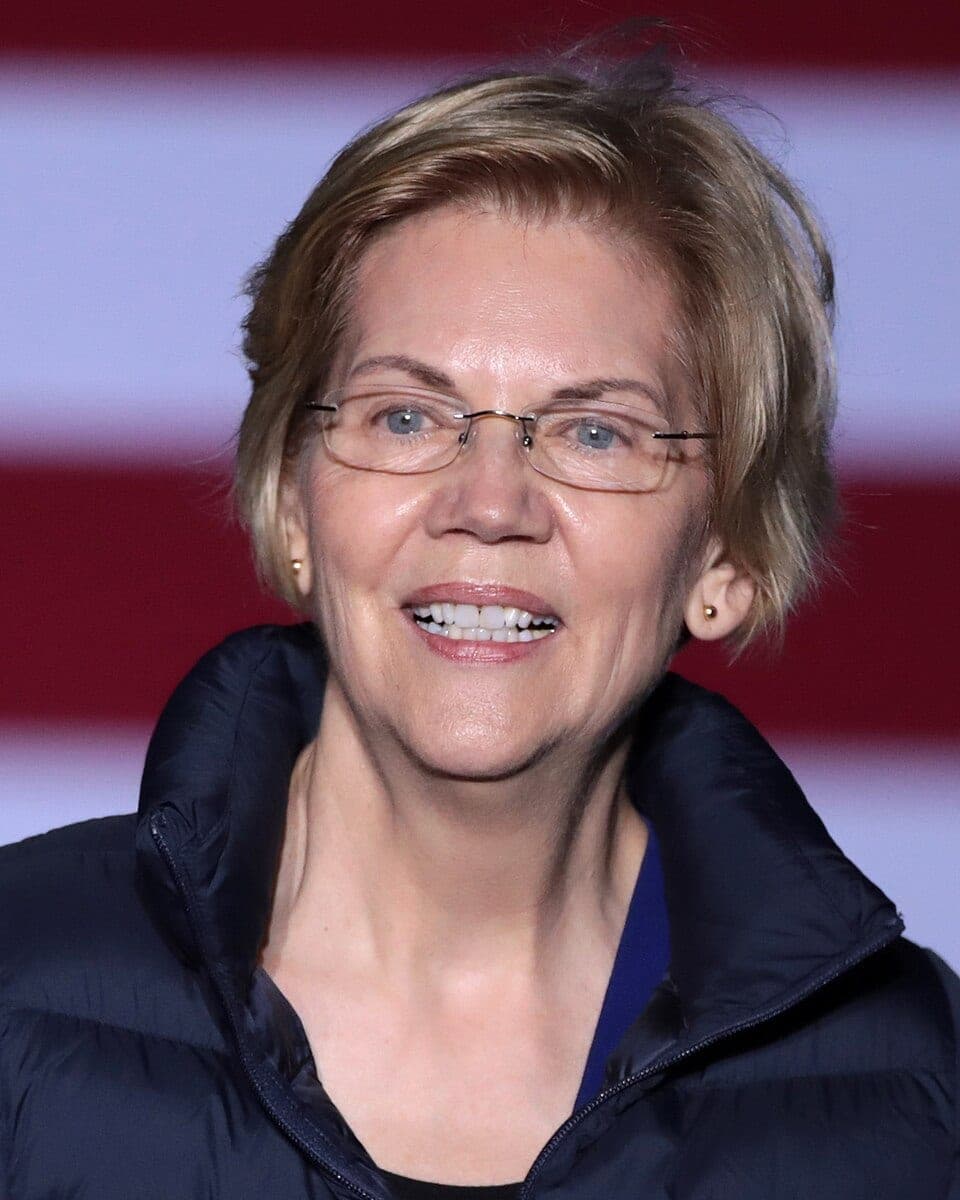
Senator who endorsed and campaigned with El-Sayed
Part of a bigger story
3 OUTLETSEl-Sayed won Michigan’s Democratic Senate primary. Left-leaning outlets split between canvassing and voter mobilization as a path through the post-primary race and anti-Muslim attacks as a central aftermath of his win.
- ARTICLES
- 3
- OUTLETS
- 3
- AVG CRED
- 47
Discussion · 0
Loading comments…