Abdul El-Sayed used Mamdani's social media playbook to overcome a 9:1 spending deficit. Now he's facing slander about 9/11
Stevens lost the primary after spending on her behalf substantially exceeded spending for El-Sayed.
SOURCE CHECK
TAP FOR WHYCredibility rates Fortune, where this article appeared. The other scores rate the article itself.
Fortune has a strong publisher rating, and this page clearly identifies the article as republished from The Conversation under a Creative Commons license. The original author is identified as a University of Michigan political scientist, though this is an expert analysis rather than independent newsroom reporting.
- Track record — The publisher’s rating is 88 based on 25 stories, a strong institutional signal.
- Transparency — The page discloses that the article was republished from The Conversation under a Creative Commons license.
- Author attribution — The text identifies the author as a University of Michigan research professor who studies campaigns and elections.
- Source type — The article is expert analysis republished by an established national news publisher, not original Fortune reporting.
The article offers campaign spending figures, election results, descriptions of voter patterns and endorsements, and analysis from an identified political scientist. It acknowledges the lack of exit polls, but provides limited direct response or competing interpretation for some of its claims about the campaign attacks.
HOW WE SCORE ↗The article gives substantial attention to both primary candidates’ campaigns, spending, endorsements and voter coalitions. However, its discussion of attacks on El-Sayed largely presents the author’s assessment without a developed response from Rogers or other countervailing perspective.
- Counterarguments presented — Details both candidates’ campaigns, but offers limited counterargument concerning the claims made against El-Sayed.
- Source diversity — Draws on election results, spending information, campaign material and the author’s expertise, but includes little direct sourcing from the candidates.
- Loaded language — Mostly restrained, though describing the attacks as Islamophobic and the claims as untrue gives the article a clear evaluative element.
- Opinion vs reporting — The piece is explicitly an expert analysis rather than straight news reporting.
The article is primarily campaign analysis, but its favorable account of El-Sayed’s strategy and its characterization of attacks against him as Islamophobic create a slight leftward tilt. It also describes the candidates’ campaigns and support from party figures without consistently adopting campaign language.
- Framing — Emphasizes El-Sayed’s success despite the spending gap and presents his social media approach as an effective strategy.
- Language tone — Mostly analytical language, with explicitly negative characterization of attacks on El-Sayed.
- Source selection — Relies chiefly on the political scientist author’s analysis and campaign-related examples.
Cites The Conversation
This article cites The Conversation as its original publisher. ChamberLight has not verified that it is a republication, so the scores are Fortune's own.
Not enough stories yet: 4 of 10.
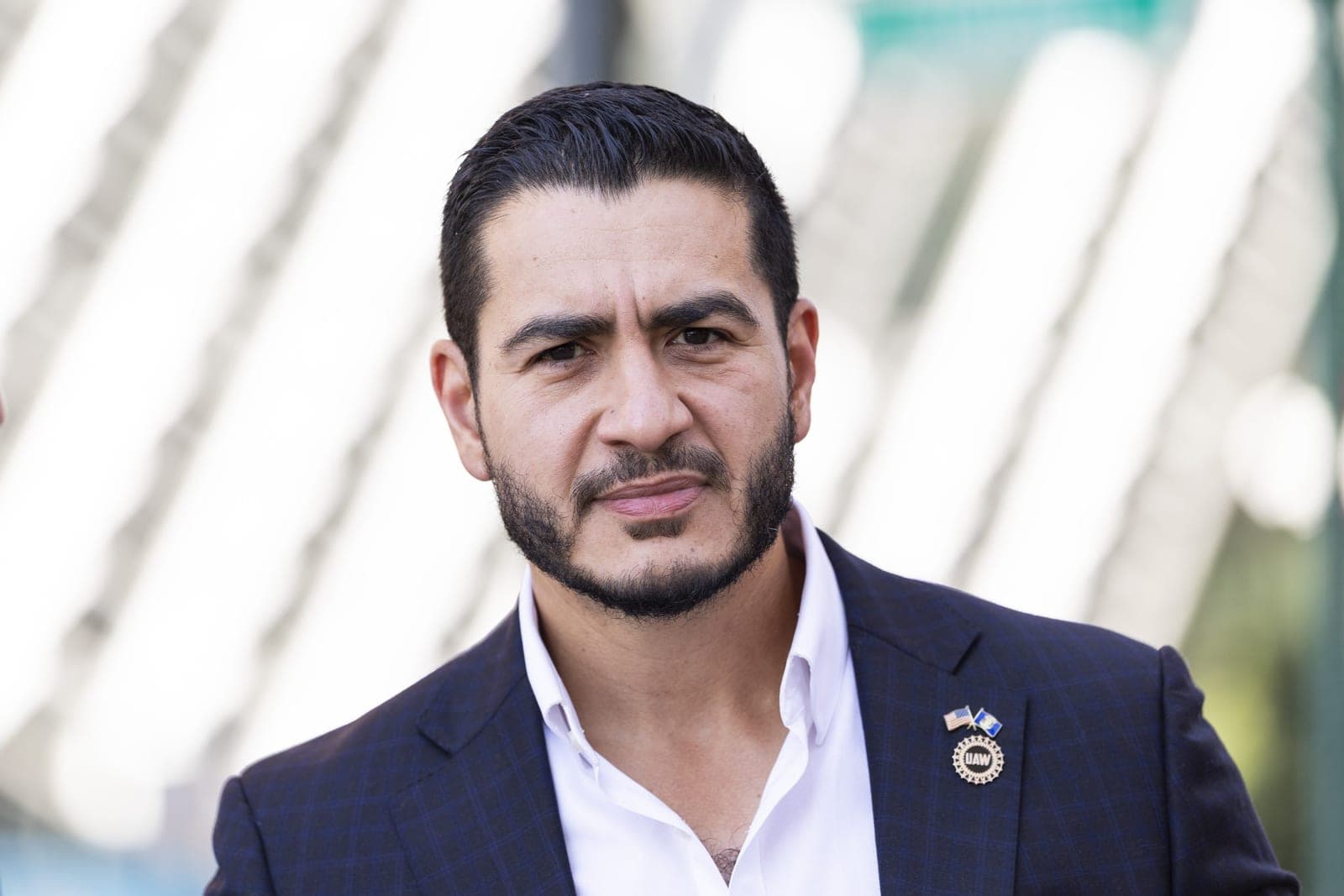
Abdul El-Sayed won Michigan’s Democratic Senate primary against Haley Stevens by about 15,000 votes despite a large spending gap. The political scientist who wrote the article credits his campaign’s social media strategy, while warning that the general election will bring attacks over claims the author says are false.
El-Sayed defeated Rep. Haley Stevens in Michigan’s Democratic Senate primary by about 15,000 votes, or roughly 1% of the votes cast. The article reports that spending supporting Stevens outpaced spending supporting El-Sayed by about nine to one, and describes El-Sayed’s social media outreach and populist message as part of his campaign strategy. The author also discusses differences in voter support and the endorsements each candidate received.
The author says El-Sayed now faces Republican nominee Mike Rogers in a close general-election race, with control of the Senate at stake. Rogers accused El-Sayed of believing America deserved 9/11 and supporting the Muslim Brotherhood; the author says those claims are not true. The article says El-Sayed is likely to face Islamophobic attacks and that Rogers may tie his campaign to President Donald Trump.
Community verdict
18 VOTES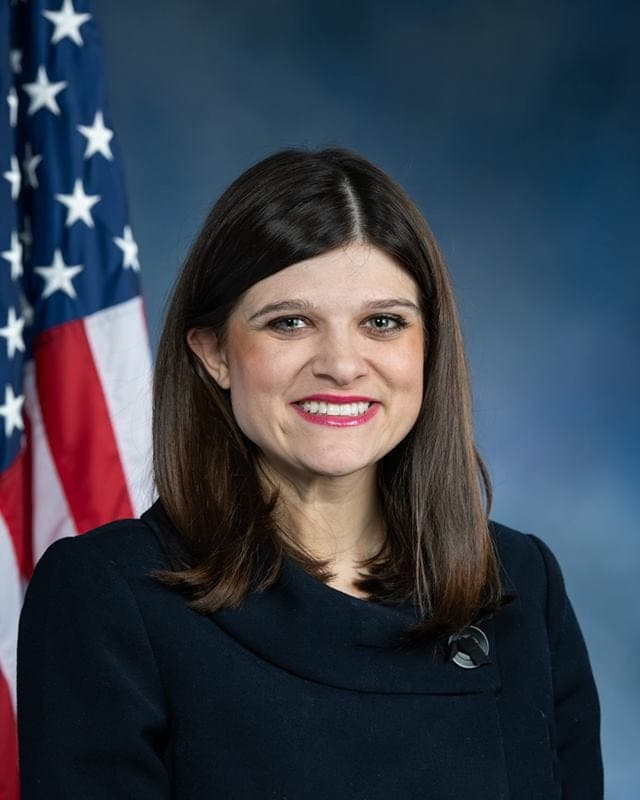
People in this story
SWIPE →U.S. representative and El-Sayed’s opponent in the Democratic Senate primary
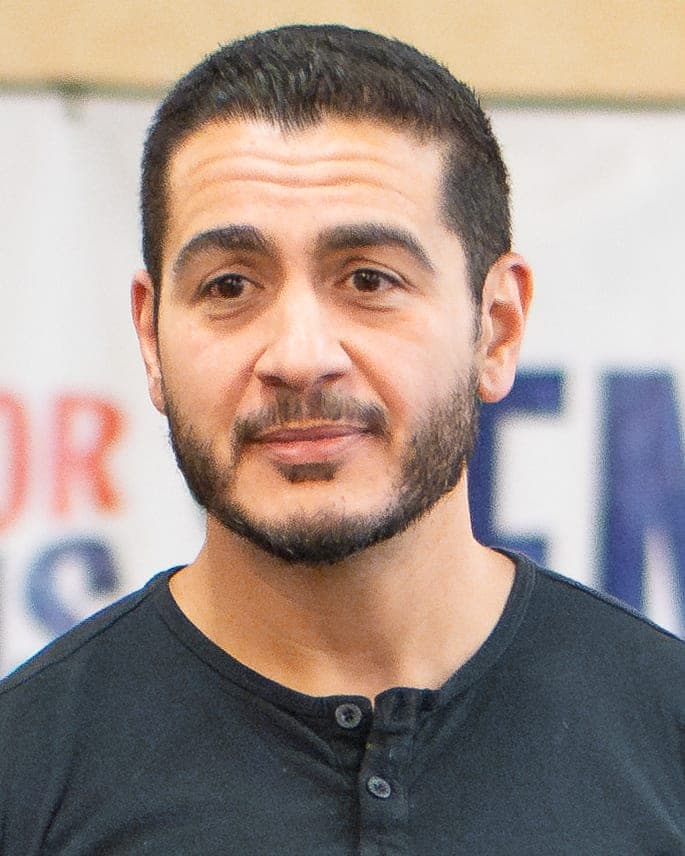
Democratic nominee for Michigan’s U.S. Senate seat and subject of the article’s campaign analysis
El-Sayed's version of this story ↗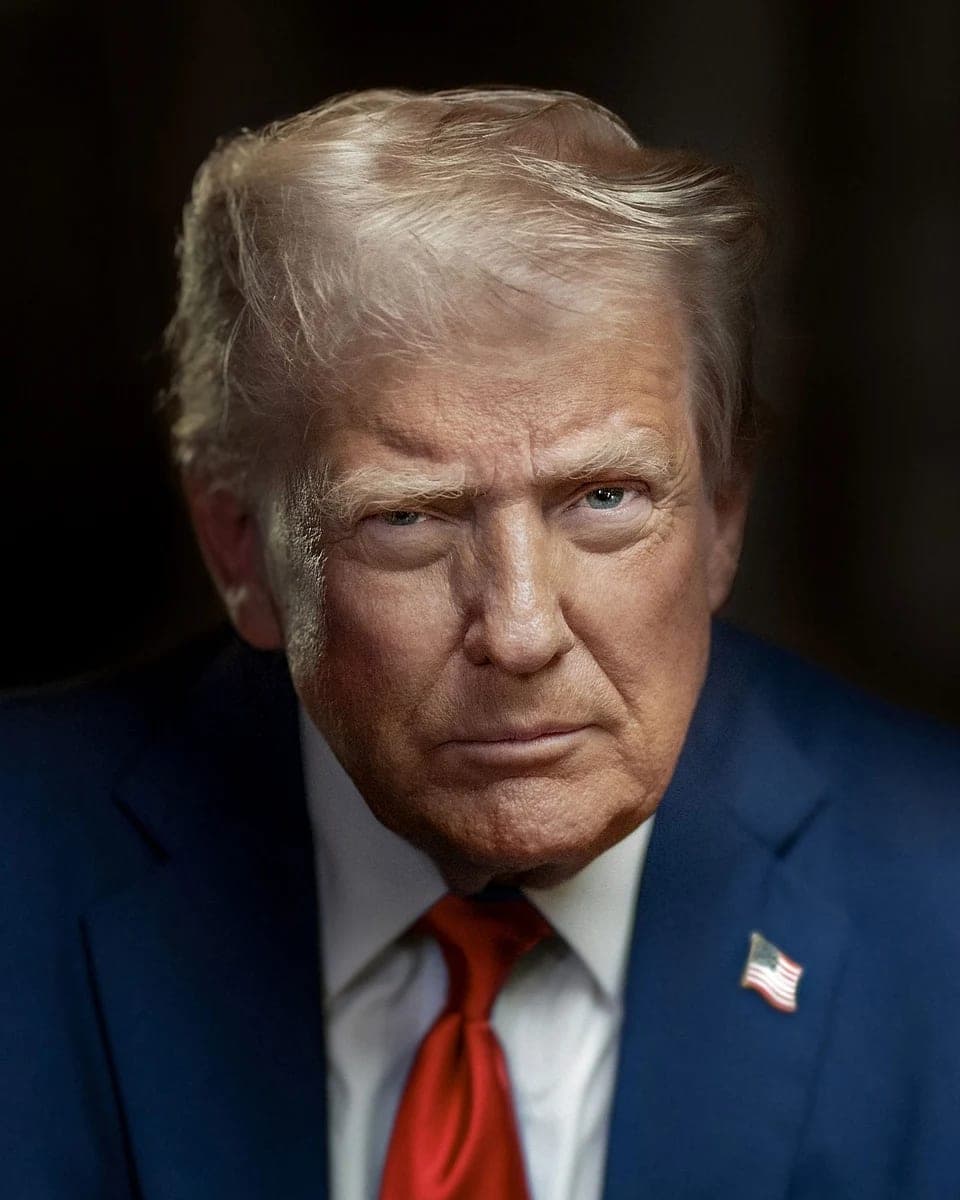
President who supports Rogers and has criticized Democratic candidates
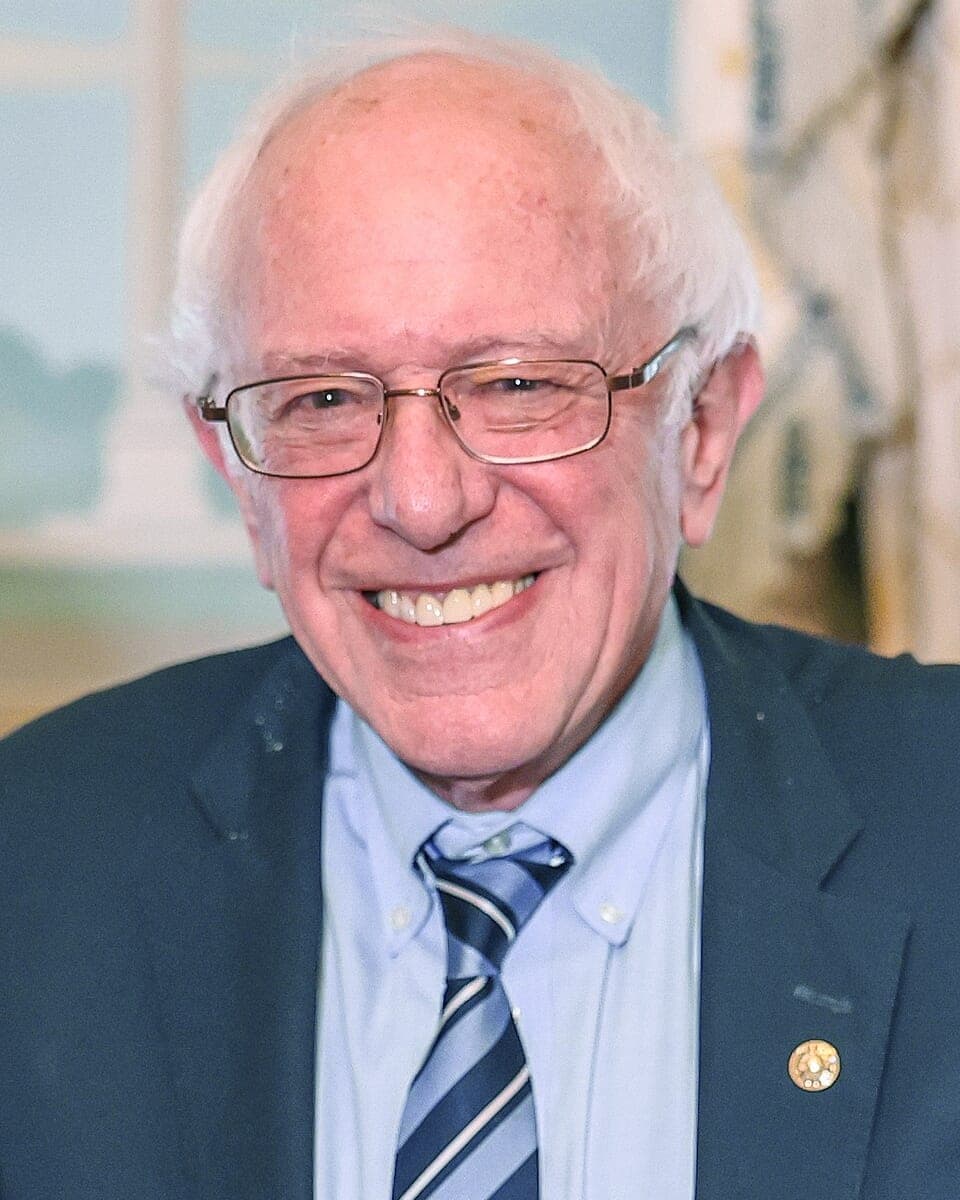
Senator who endorsed and campaigned with El-Sayed
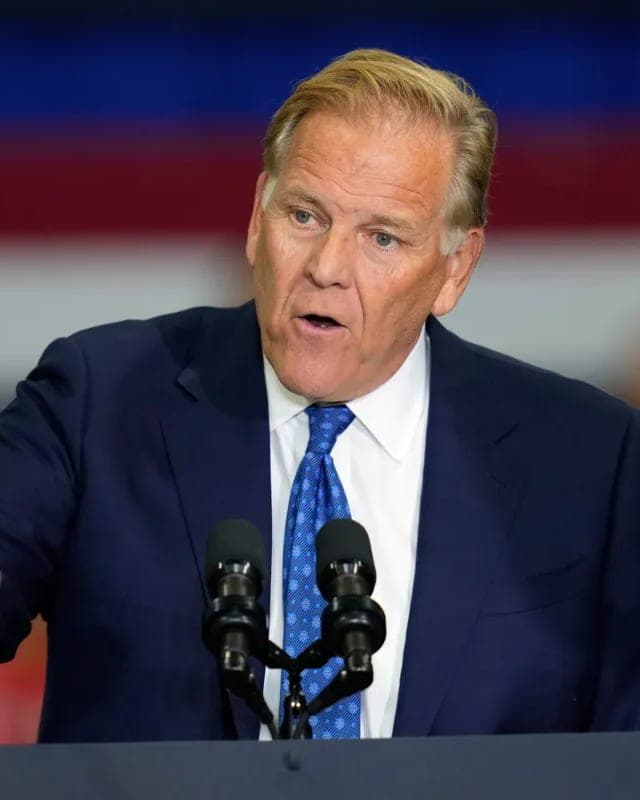
Republican nominee opposing El-Sayed in the general election
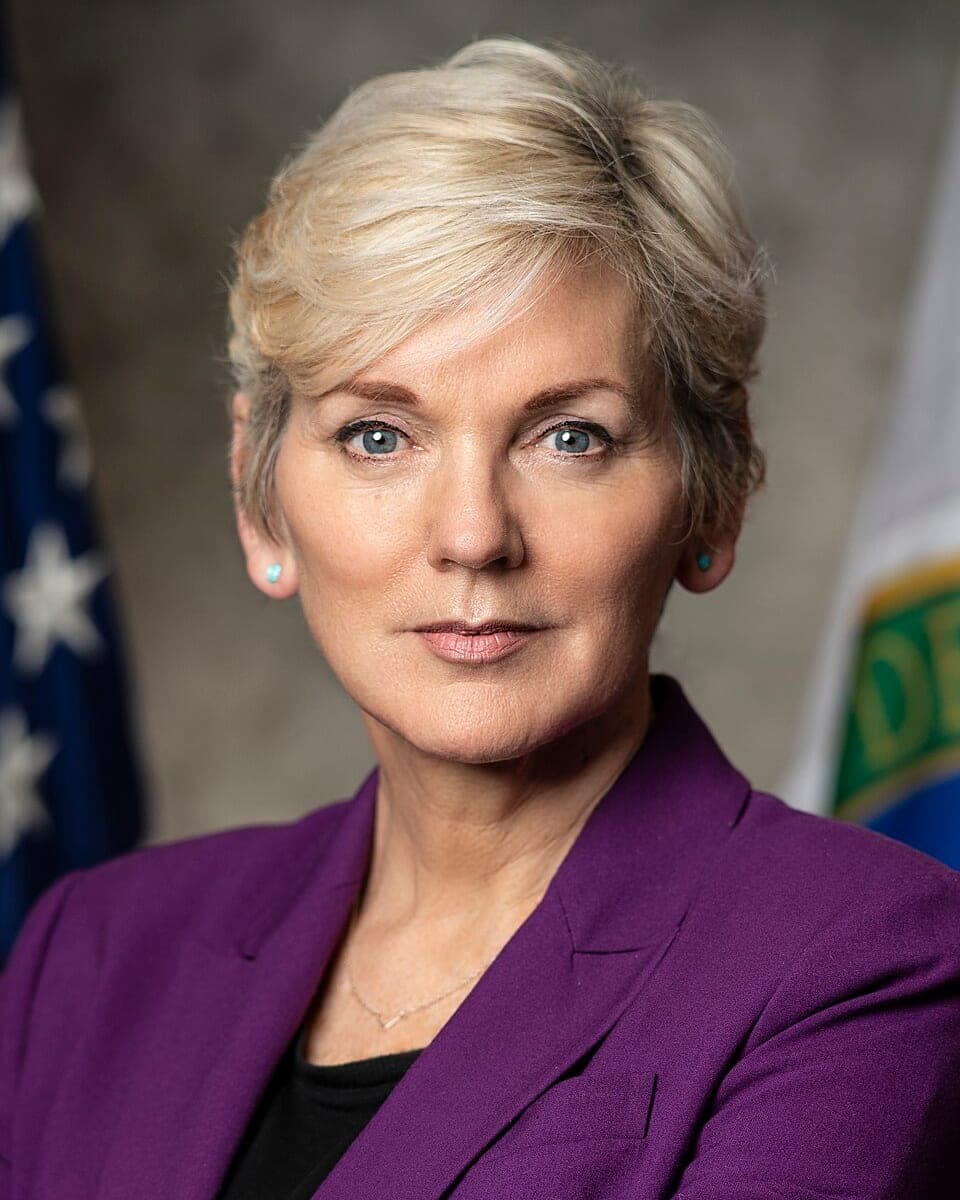
Former Michigan governor who endorsed Stevens
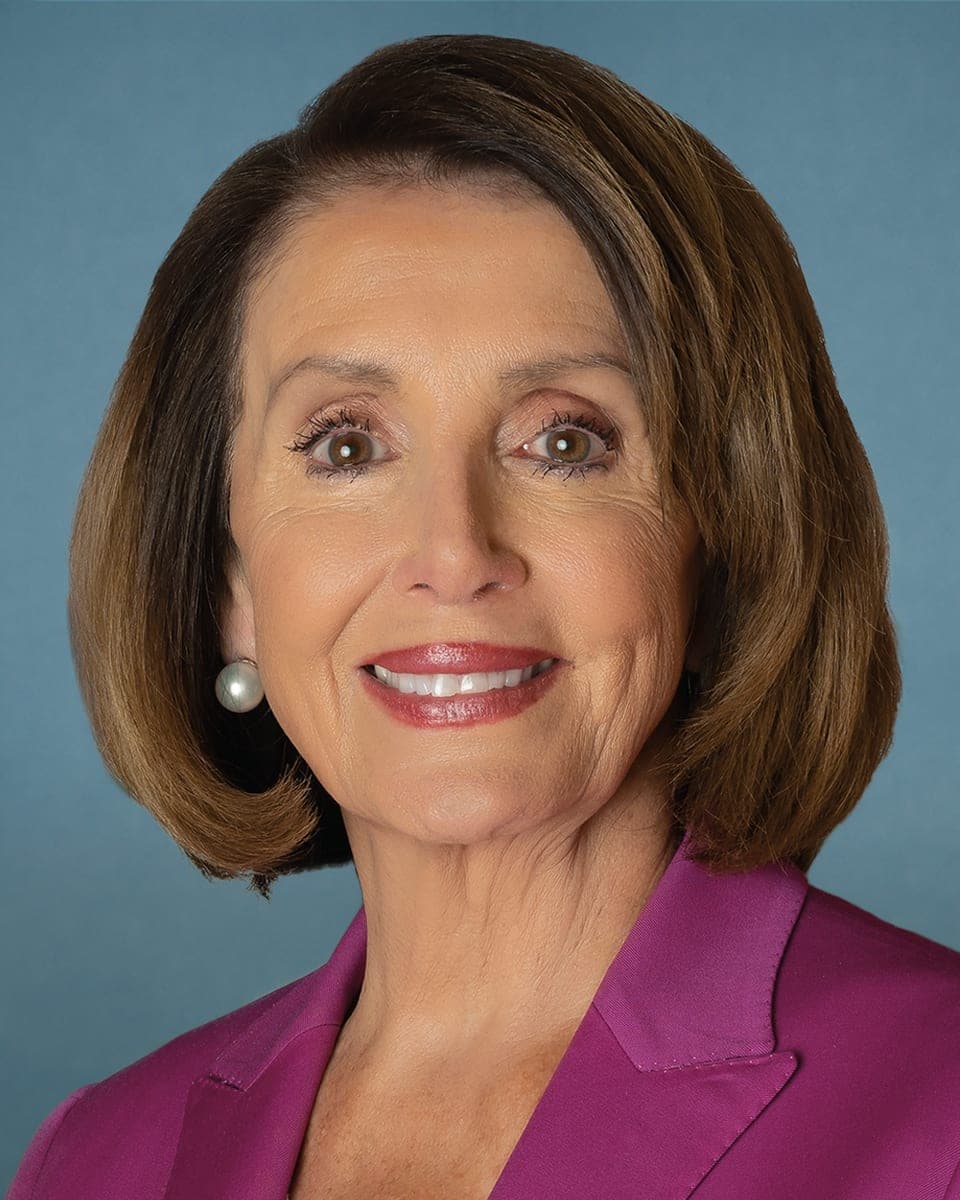
Speaker emerita who endorsed Stevens
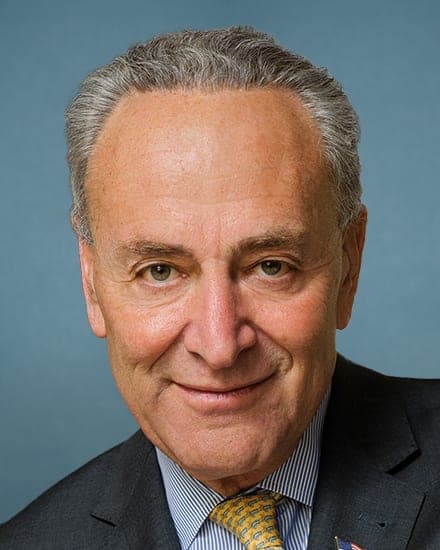
Senate minority leader who endorsed Stevens
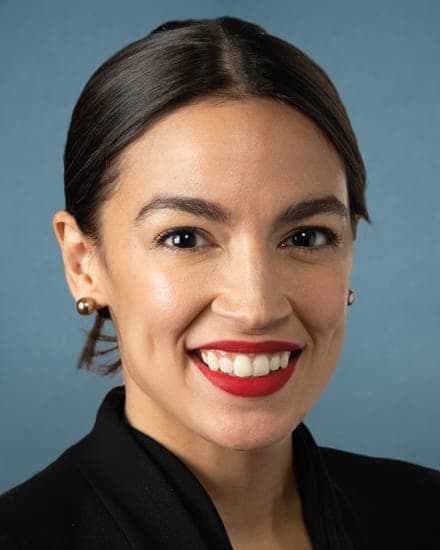
Representative who endorsed and campaigned with El-Sayed

Former transportation secretary who expressed support for El-Sayed
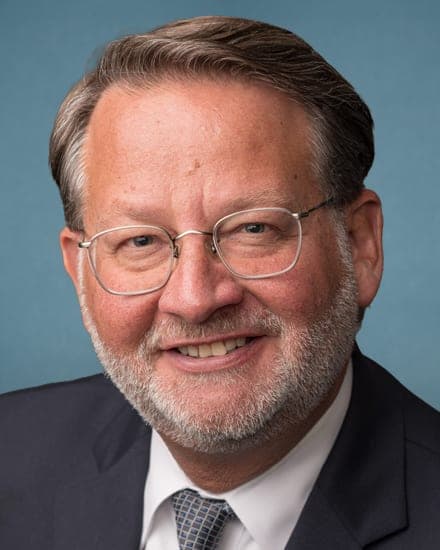
Michigan senator who endorsed Stevens
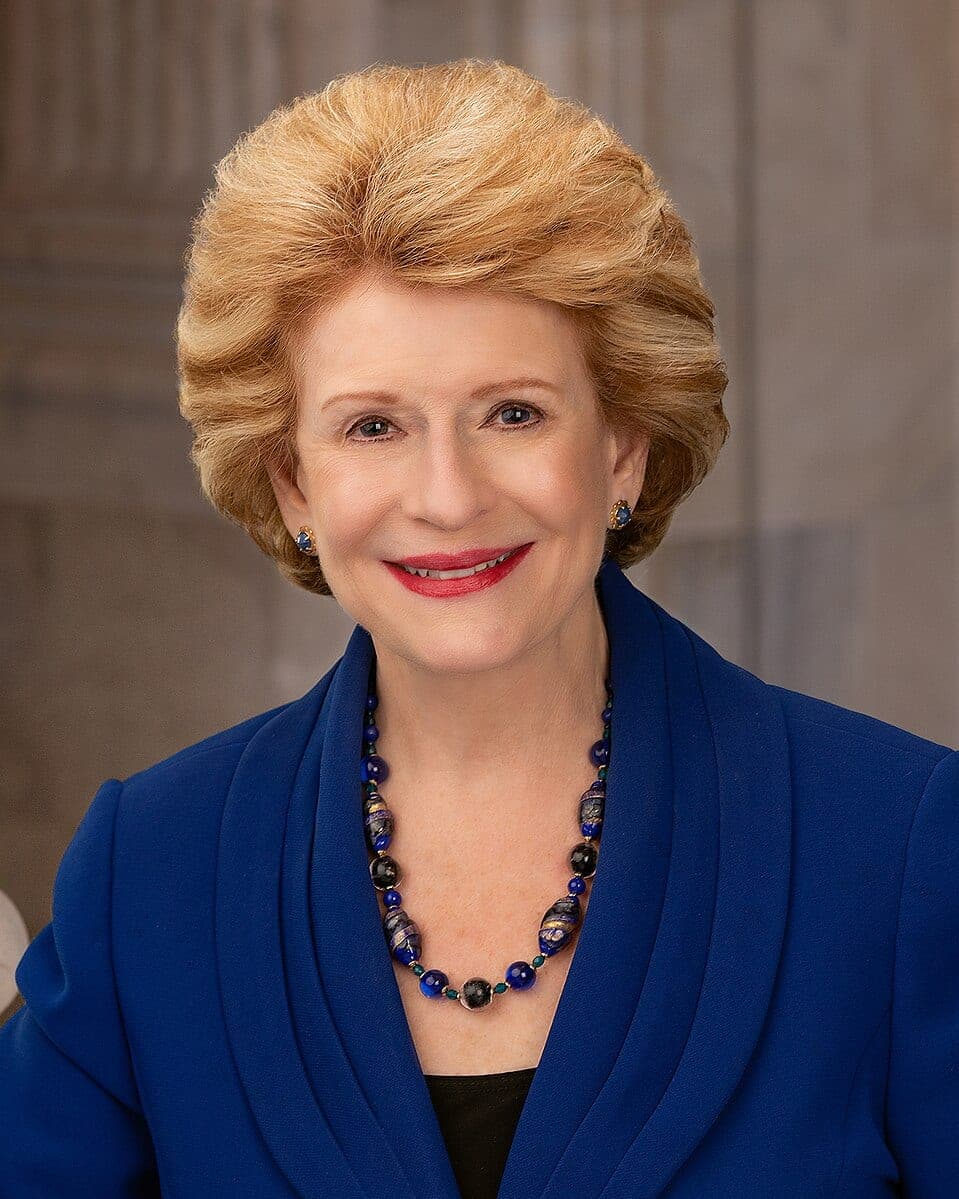
Former Michigan senator who endorsed Stevens
Senator who raised alleged El-Sayed family connections in Senate testimony
Senator who endorsed and campaigned with El-Sayed
Discussion · 0
Loading comments…