Clay Higgins: Why this one Republican voted against releasing the Epstein files
Higgins was the only House member to oppose the bill and said it could harm innocent people.

SOURCE CHECK
TAP FOR WHYThe Independent is an established international news organization with professional reporting and author attribution. The article identifies its author but offers limited detail about its sourcing and relies in part on an online fact-checking memo.
- Source type — Established international news outlet with a professional editorial operation.
- Author attribution — The article names its author.
- Editorial standards — The report attributes political claims and includes a counterpoint to Higgins’s account.
- Transparency — The article gives limited information about the fact-checking memo’s authorship and sourcing.
The article reports the vote, quotes Higgins’s explanation and includes a competing claim that the bill already protects uninvolved people. Its supporting evidence is limited, and it does not provide the memo or fuller comment from the bill’s proponents.
HOW WE SCORE ↗The article gives Higgins’s reasons and includes a direct counterclaim that the bill already provides for redactions. It offers less detail from the bill’s supporters and quotes an additional partisan criticism of Trump without a response.
- Counterarguments presented — Higgins’s concerns are set against a fact-check memo disputing his account of the bill’s protections.
- Source diversity — The story includes Higgins’s post, a fact-checking memo and a statement from Garcia, but few independent sources.
- Omitted context — The article does not provide fuller detail from the bill’s supporters or a response to Garcia’s claims about Trump.
The report is mostly straightforward but gives space to a fact-check disputing Higgins’s rationale and to a Democratic criticism of Trump. The claims are attributed, and the article does not clearly adopt either side’s political framing.
- Source selection — Higgins’s explanation is quoted alongside a fact-check and a Democratic criticism of Trump.
- Language tone — Mostly factual language, with a few pointed phrases such as “sudden about-turn.”
- Framing — The article emphasizes Higgins as the lone opponent and presents a challenge to his stated rationale.
Rep. Clay Higgins was the sole House member to oppose a bill releasing the Epstein files, saying it could expose innocent people. The House passed the bill 427-1, and the Senate also approved it.
Higgins said he opposed the bill because it could expose victims, witnesses and other people not implicated in crimes. He said he would support an amended version that censored victims’ names and those of other uninvolved people. A fact-checking memo quoted in the article disputed his description, saying the bill already provides for redactions.
The House passed the bill 427-1, and the Senate approved it as well. The article says President Donald Trump had recently reversed his position and called on Republicans to support the bill; Rep. Robert Garcia accused Trump of trying to delay release of the files.
Community verdict
25 VOTES
Counts every outlet’s report of this story. See all 42
Votes cast on this page
Votes cast on this page: ▲ 0 · ◆ 0 · ▼ 0
People in this story
SWIPE →
President whose position on release of the files changed

Representative cited in the fact-check memo
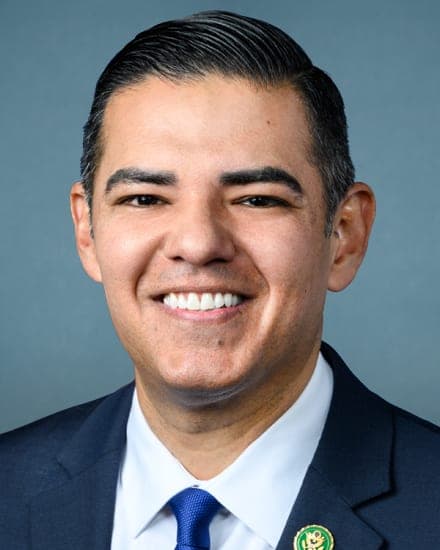
Representative who criticized Trump’s handling of the files

Representative cited as a Republican who voted for release of the files
Part of a bigger story
33 OUTLETSThe House passed the Epstein Files Transparency Act 427-1, with Clay Higgins casting the sole no vote. Left-leaning outlets present Higgins’s vote as grounds for criticism, highlighting public backlash or his broader record. Center outlets mostly explain his stated privacy and due-process concerns while recounting the vote. Right-leaning outlets emphasize his privacy rationale, while some frame the disclosure push as a partisan fight.
- ARTICLES
- 42
- OUTLETS
- 33
- AVG CRED
- 66
Discussion · 0
Loading comments…