Louisiana Rep. Clay Higgins defends Epstein 'no' vote
Clay Higgins defended his lone vote against releasing Epstein-related documents, citing privacy risks for people not implicated in crimes.
SOURCE CHECK
TAP FOR WHYCredibility rates The Hayride, where this article appeared. The other scores rate the article itself.
The Hayride is identified as a blog, and this article is attributed to another outlet rather than presented as original reporting. The source attribution is visible, but the page provides little information about the publisher’s editorial or corrections practices.
- Source type — A blog, which generally warrants a lower institutional credibility prior than an established newsroom.
- Transparency — The article credits Natalie Chandler and The Center Square, making its reporting origin visible.
- Editorial standards — The page provides no information about editorial standards or corrections practices.
The report gives the House tally, the Senate’s unanimous agreement, and Higgins’s stated rationale and conditions for supporting the bill. It is concise and relies heavily on Higgins’s own statements, with little explanation of the bill’s terms or the case for disclosure.
HOW WE SCORE ↗The article reports Higgins’s privacy concerns alongside the overwhelming vote for disclosure and brief accounts of Trump’s and Thune’s positions. It does not explain the arguments made by supporters of releasing the documents.
- Counterarguments presented — The broad support reflected in the House and Senate outcomes is reported, but supporters’ reasons are not explained.
- Source diversity — Higgins’s statements dominate; other officials receive only brief mention.
- Loaded language — The article’s own narration is generally restrained.
The report uses straightforward language, attributes Higgins’s arguments to him, and gives the vote tally and brief reactions from other officials without adopting an overt partisan framing.
- Language tone — Mostly descriptive wording; Higgins’s criticisms are presented as his statements.
- Source selection — Includes Higgins’s rationale, the vote result, and brief information about Trump and Thune.
- Framing — The headline and opening focus on Higgins defending his vote, without an evident editorial verdict.
Original publisher not identified
This article credits another publisher, which ChamberLight has not identified, so the scores are The Hayride's own.
Rep. Clay Higgins defended his lone vote against releasing Epstein-related documents, arguing the bill could expose innocent people. The House passed the bill 427-1, and the Senate agreed unanimously.
Louisiana Rep. Clay Higgins said the bill to release documents associated with Jeffrey Epstein could harm people named in them who were not implicated in crimes. He argued that the release process should continue through the House Oversight Committee, which he said had already released more than 60,000 pages.
The House passed the bill 427-1, and the Senate agreed unanimously. Higgins said he would support the bill if it were amended to protect victims’ and other people’s privacy. President Donald Trump indicated he would sign it after previously trying to stop the House vote; Senate Republican leader John Thune had said changes were unlikely.
Community verdict
25 VOTES
Counts every outlet’s report of this story. See all 42
Votes cast on this page
Votes cast on this page: ▲ 4 · ◆ 6 · ▼ 15
People in this story
SWIPE →Louisiana representative who cast the sole House vote against the bill and defended that vote

President who had tried to head off the House vote before yielding to pressure from his party
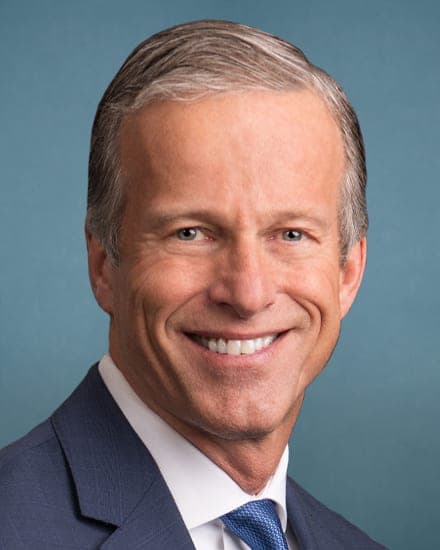
Senate Republican leader who had said changes to the bill were unlikely
Part of a bigger story
33 OUTLETSThe House passed the Epstein Files Transparency Act 427-1, with Clay Higgins casting the sole no vote. Left-leaning outlets present Higgins’s vote as grounds for criticism, highlighting public backlash or his broader record. Center outlets mostly explain his stated privacy and due-process concerns while recounting the vote. Right-leaning outlets emphasize his privacy rationale, while some frame the disclosure push as a partisan fight.
- ARTICLES
- 42
- OUTLETS
- 33
- AVG CRED
- 66
Discussion · 0
Loading comments…