Michigan Senate debate goes off the rails: 4 takeaways
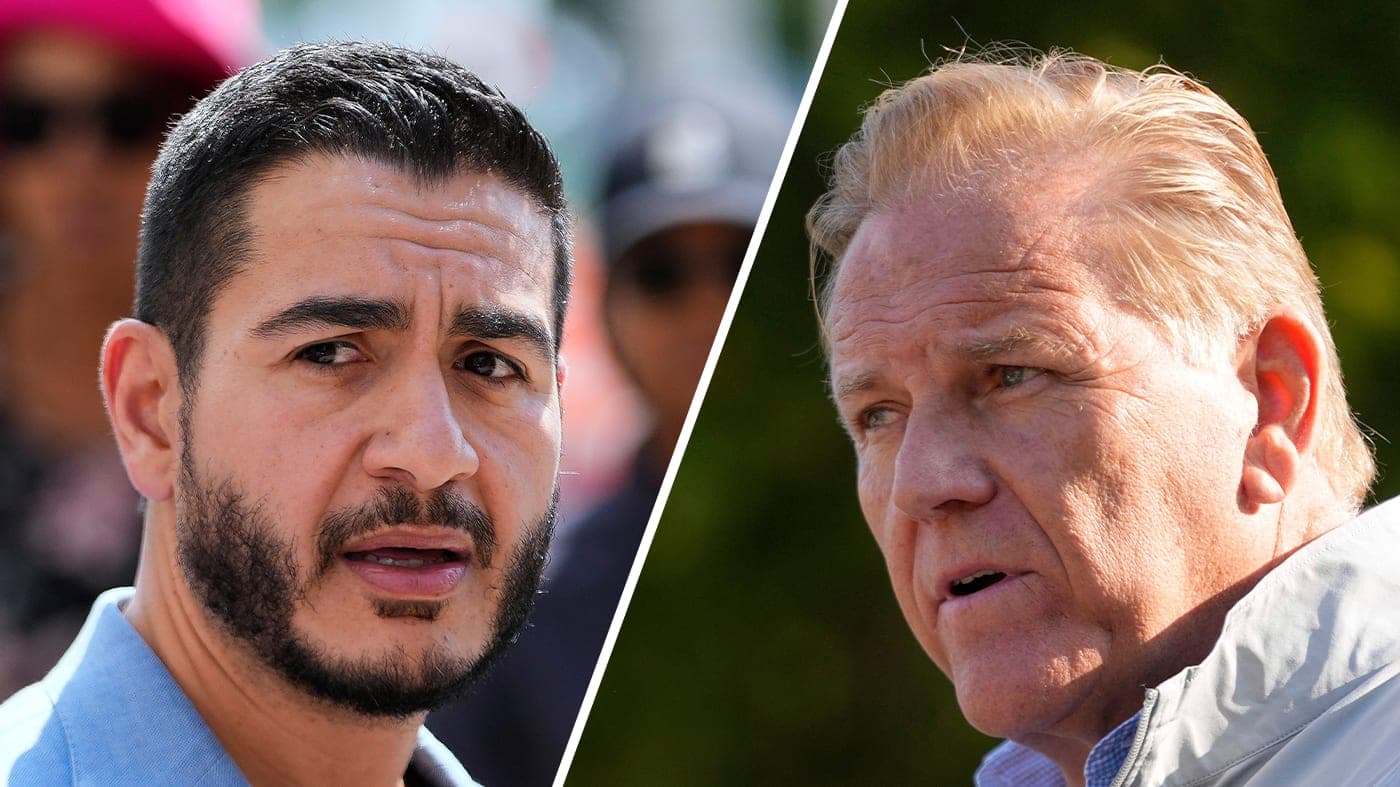
El-Sayed criticized Rogers’s ties to Trump and questioned his positions on Israel, Iran and immigration.
SOURCE CHECK
TAP FOR WHYThe Hill is an established national news outlet, and the article names its reporter and attributes debate remarks to the candidates. It also cites Bridge Michigan for a specific factual check, though much of the piece relies on the debate itself.
- Source type — Established national news outlet with a record of political reporting.
- Editorial standards — Reports direct remarks from both candidates and attributes a factual check to another named news outlet.
- Author attribution — The article identifies its reporter.
The article provides direct debate quotations from both candidates, describes several points of disagreement and includes outside reporting to check one serious allegation. It offers limited independent context beyond the debate and does not include responses to every claim.
HOW WE SCORE ↗Both candidates’ remarks and positions receive substantial attention, including criticisms each made of the other. Some allegations are contextualized, though the article does not independently examine every claim or provide fuller responses.
- Source diversity — Includes statements from both candidates and cites outside reporting on one allegation.
- Counterarguments presented — Each candidate’s criticisms and responses appear, but not every claim receives a response or independent check.
- Loaded language — Uses some critical characterizations, including calling one allegation baseless, while otherwise describing the exchange directly.
The article reports both candidates’ attacks and positions in a mostly straightforward way. Its description of Rogers’s family allegation as baseless is a specific factual characterization, not a broader partisan framing.
- Language tone — Mostly reportorial language, with pointed descriptions of conduct by both candidates.
- Source selection — Quotes both candidates and includes an outside report addressing a disputed allegation.
- Framing — Organizes the piece around several debate takeaways rather than endorsing a candidate.
Mike Rogers and Abdul El-Sayed traded personal attacks and clashed over President Trump, immigration enforcement and foreign policy in their first Michigan Senate debate. They are scheduled to debate again on Oct. 21.
The debate featured attacks over corporate and foreign influence, Rogers’s past Florida residence and El-Sayed’s medical credentials. Rogers also alleged ties between El-Sayed’s family and the Muslim Brotherhood; the article reports that Bridge Michigan had found no evidence of direct ties. El-Sayed repeatedly criticized Rogers’s relationship with President Trump and questioned his willingness to oppose the administration.
Community verdict
VOTING CLOSED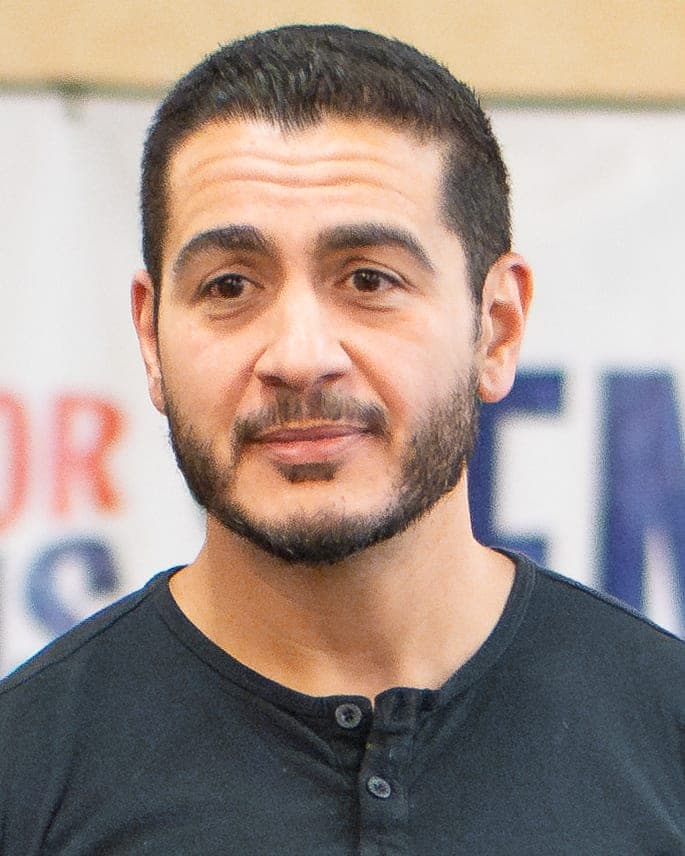
No good or bad look here
This story reports what happened without casting El-Sayed in a good or bad light, so readers don’t rate it and it doesn’t count toward El-Sayed’s record.
People in this story
SWIPE →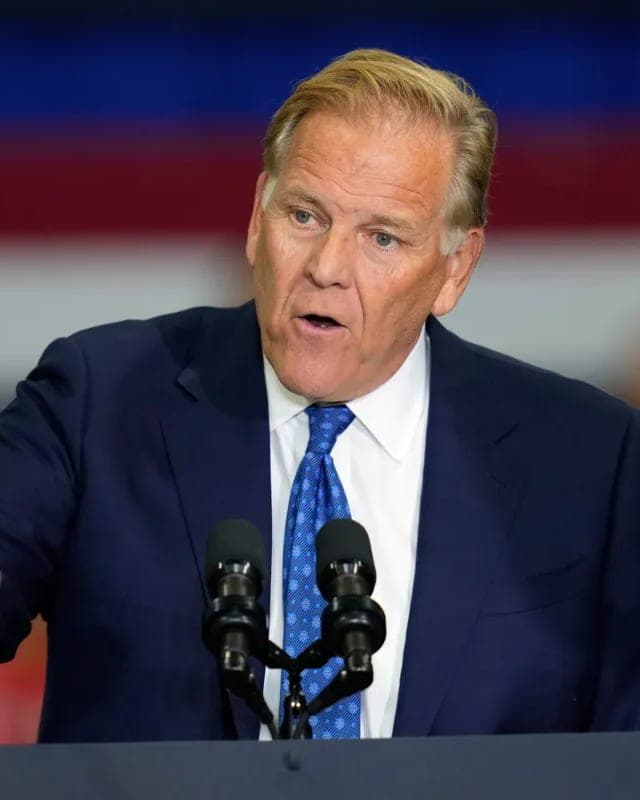

President, whose relationship with Rogers and administration policies were discussed in the debate
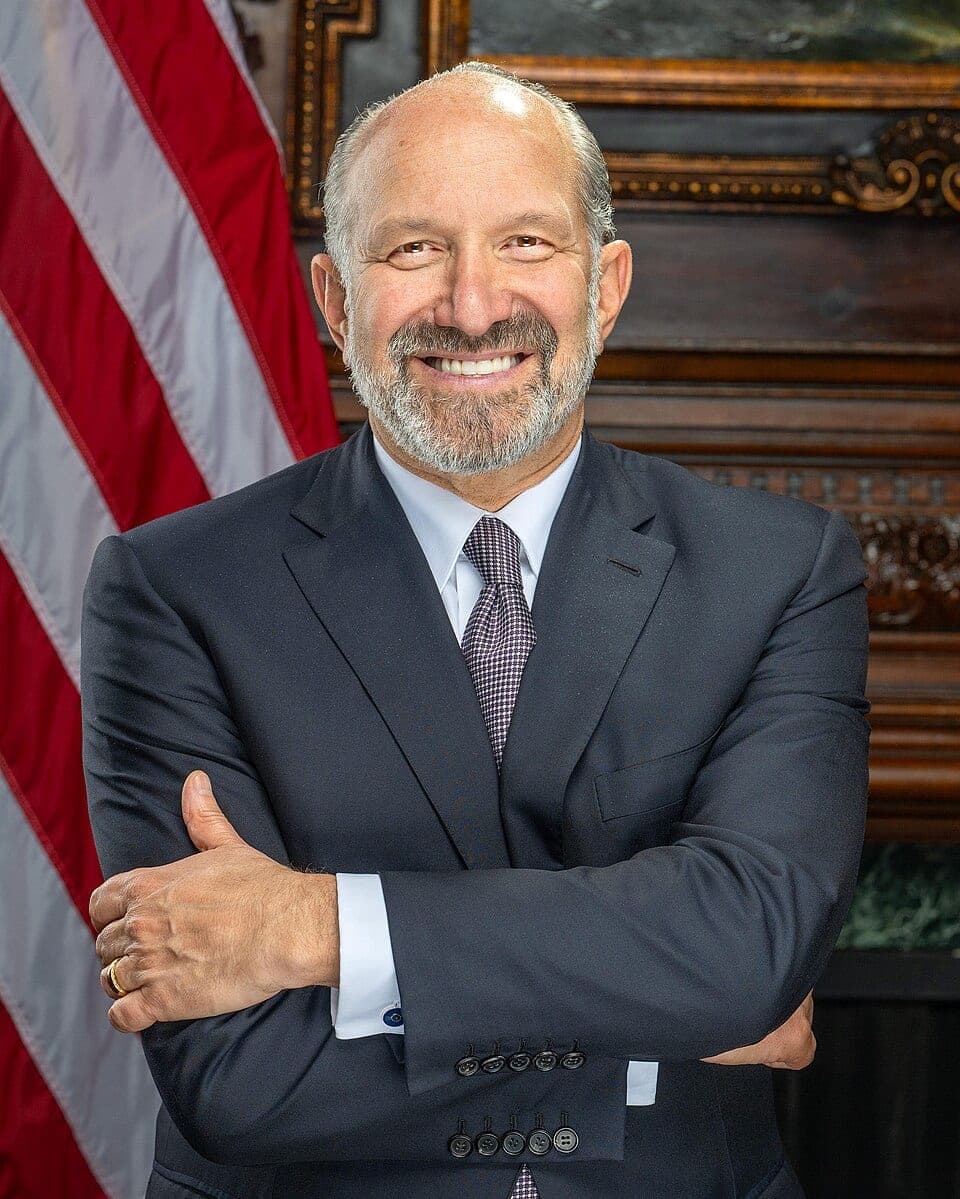
Commerce secretary whom Rogers said he called about tariffs
Part of a bigger story
26 OUTLETSAbdul El-Sayed and Mike Rogers held their first debate in Michigan’s U.S. Senate race, trading personal attacks and clashing over policy. El-Sayed challenged Rogers and defended his own positions. Left-leaning outlets emphasize El-Sayed’s pushback against Rogers’s attacks and, in some coverage, portray him as composed or focus on campaign challenges. Center outlets largely present a combative exchange of mutual personal attacks and policy clashes, with some checking claims from both candidates. Right-leaning outlets give more weight to Rogers’s attacks and El-Sayed’s positions on Israel, immigration and foreign ties, often portraying El-Sayed critically.
- ARTICLES
- 27
- OUTLETS
- 26
- AVG CRED
- 71
Discussion · 0
Loading comments…