Abdul El-Sayed Wouldn’t Let Mike Rogers Wash Off His MAGA Makeup
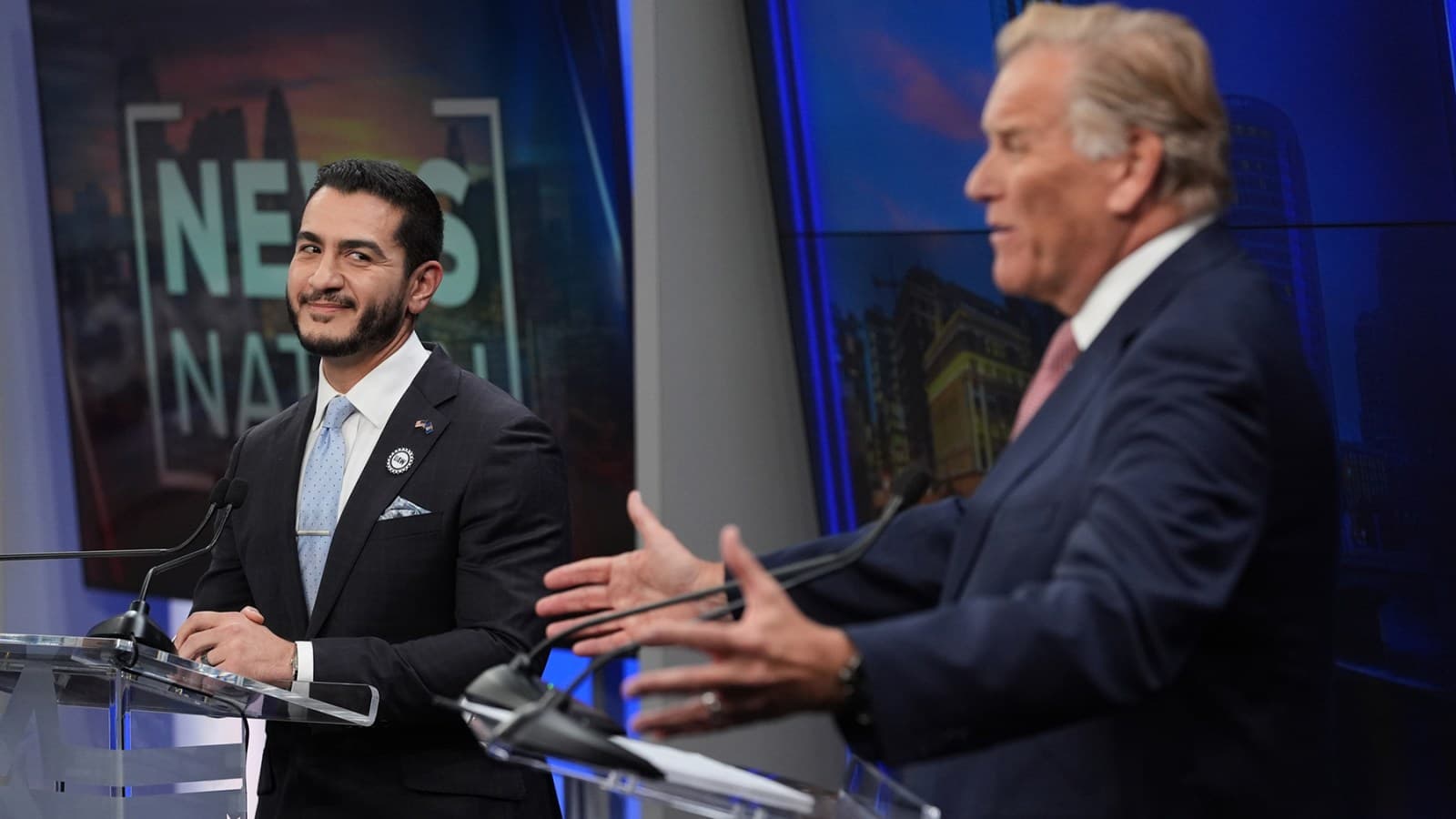
El-Sayed challenged Rogers’s debate claims and presented his positions on privacy, the Iran war and economic issues.
SOURCE CHECK
TAP FOR WHYRolling Stone is an established national publication with an identifiable author and editorial identity. This page is an explicitly opinionated political commentary, so the publisher’s institutional credibility is stronger than the evidentiary neutrality of this particular piece.
- Source type — Established national publication; the source type supports a relatively strong institutional baseline.
- Author attribution — The article names Stephen Rodrick as its author.
- Editorial standards — The publication has an identifiable editorial identity, though this article is commentary rather than straight reporting.
- Transparency — The article is clearly presented as political commentary, making its format apparent to readers.
The piece includes direct quotations from the debate and identifies the candidates’ positions, but relies heavily on the author’s ridicule and interpretation. It offers little independent corroboration or context for the serious allegations it discusses.
HOW WE SCORE ↗The article is an openly opinionated account that strongly favors El-Sayed and condemns Rogers. Although it quotes both candidates, it offers little neutral context or independent examination of their competing claims.
- Opinion vs reporting — The piece uses first-person reactions, ridicule and an explicit verdict on the candidates’ performances.
- Loaded language — Describes Rogers with repeated insults and characterizes his statements as fearmongering.
- Counterarguments presented — Rogers’s debate remarks are quoted, but the article does not develop a neutral case for his arguments.
The piece strongly favors El-Sayed and sharply criticizes Rogers, using dismissive and mocking language about the Republican candidate. Its framing is distinctly left-leaning rather than a neutral account of the debate.
- Language tone — Uses ridicule and hostile characterizations of Rogers while describing El-Sayed more favorably.
- Framing — Centers the debate as Rogers’s fearmongering against El-Sayed’s composure and coherent policy arguments.
- Source selection — Includes debate quotations from both candidates but interprets them through an openly critical lens toward Rogers.
At a heated Michigan Senate debate, Abdul El-Sayed challenged Mike Rogers over privacy, the Iran war and gas prices, while Rogers made allegations linking El-Sayed to militant groups. The commentary portrays El-Sayed as composed and Rogers as relying on fear-based rhetoric.
The commentary describes a heated debate between Michigan Senate candidates Abdul El-Sayed and Mike Rogers. It says El-Sayed advocated federal regulation of Flock cameras and criticized Rogers’s support for the Iran war, while Rogers defended the cameras and said the war should end. El-Sayed also discussed Medicare for All, a billionaire tax and suspending the federal gas tax.
The author says Rogers repeatedly raised the Muslim Brotherhood and Hamas and quotes him alleging that groups or individuals associated with several militant organizations supported El-Sayed. El-Sayed, in turn, criticized Rogers as aligned with Donald Trump and corporations. The piece characterizes Rogers’s allegations as fearmongering and presents the candidates’ performances in sharply contrasting terms.
Community verdict
VOTING CLOSED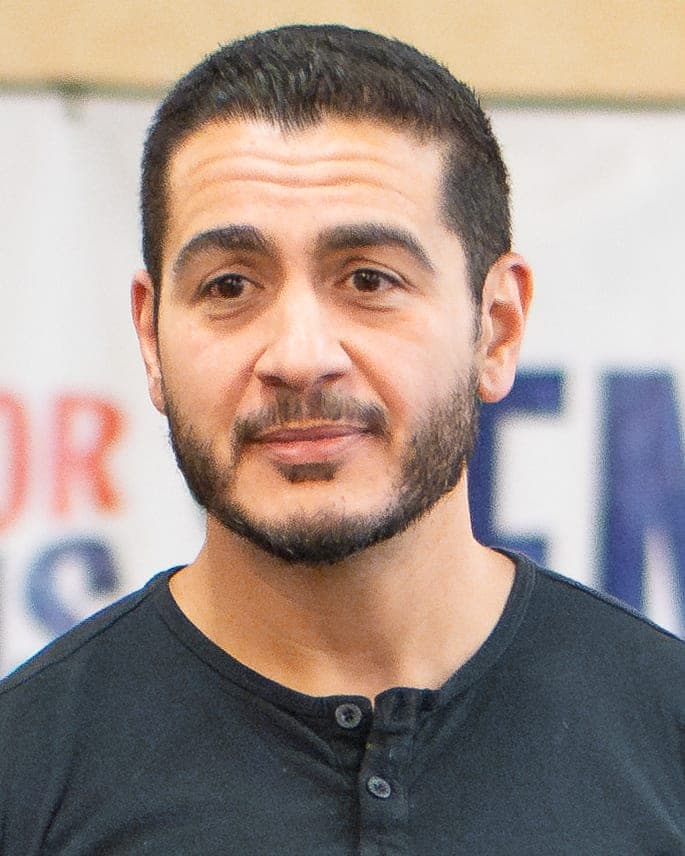
No good or bad look here
This story reports what happened without casting El-Sayed in a good or bad light, so readers don’t rate it and it doesn’t count toward El-Sayed’s record.
People in this story
SWIPE →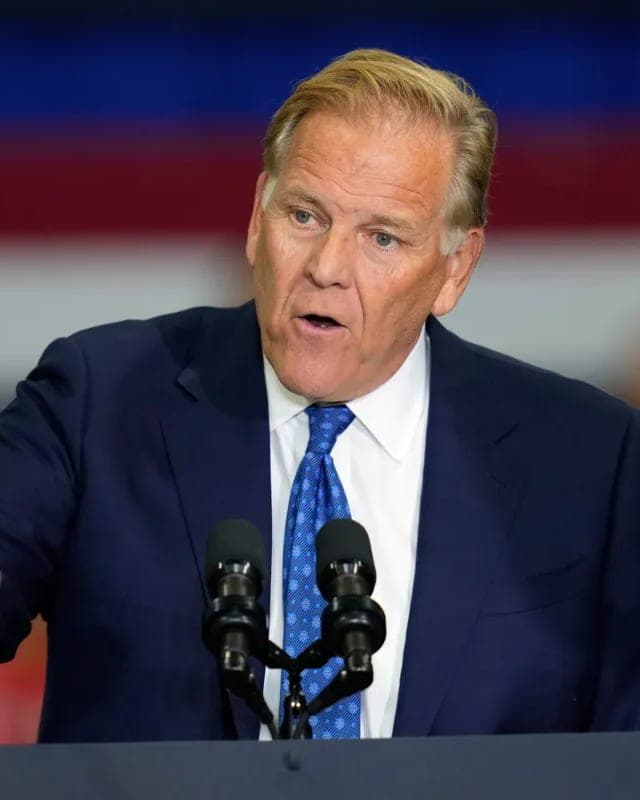
Republican candidate in Michigan’s 2026 U.S. Senate race
Rogers's version of this story ↗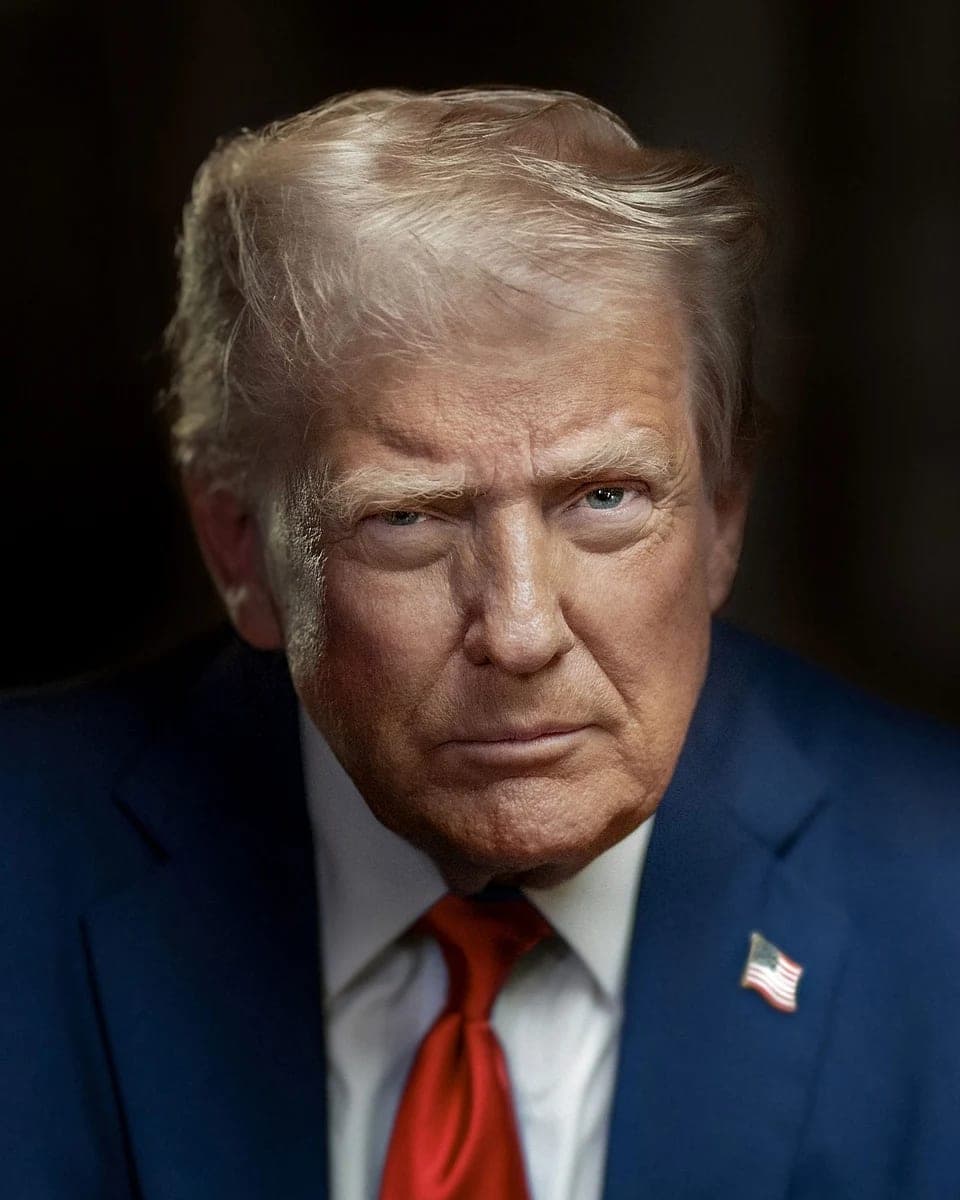
President; referenced as Rogers’s mentor and as a political figure El-Sayed criticized
Part of a bigger story
26 OUTLETSAbdul El-Sayed and Mike Rogers held their first debate in Michigan’s U.S. Senate race, trading personal attacks and clashing over policy. El-Sayed challenged Rogers and defended his own positions. Left-leaning outlets emphasize El-Sayed’s pushback against Rogers’s attacks and, in some coverage, portray him as composed or focus on campaign challenges. Center outlets largely present a combative exchange of mutual personal attacks and policy clashes, with some checking claims from both candidates. Right-leaning outlets give more weight to Rogers’s attacks and El-Sayed’s positions on Israel, immigration and foreign ties, often portraying El-Sayed critically.
- ARTICLES
- 27
- OUTLETS
- 26
- AVG CRED
- 71
Discussion · 0
Loading comments…