El-Sayed basically confirms Jewish voters' worst fears about him during chippy debate
El-Sayed’s answers on Israel and Iran and his responses to Rogers’ accusations drive the debate coverage.
SOURCE CHECK
TAP FOR WHYBlaze Media identifies an author and attributes several claims, but its partisan framing and limited independent verification reduce confidence in the outlet’s institutional credibility.
- Source type — A politically partisan news outlet; the source-type designation is a positive prior, but the article’s framing warrants caution.
- Editorial standards — The article attributes some allegations, but does not independently substantiate several politically charged claims.
- Author attribution — A named author is provided.
- Transparency — The article identifies the campaign’s nonresponse and cites a separate outlet for a campaign statement.
The article includes direct debate quotations and attributes accusations, but relies heavily on one candidate’s allegations and party messaging. It provides little independent verification or substantive response from El-Sayed’s campaign.
HOW WE SCORE ↗The piece includes El-Sayed’s debate replies and his campaign’s stated position on citizenship, but foregrounds Rogers’ allegations and Republican reactions without comparable independent verification or broader context.
- Loaded language — The headline and descriptions such as “troubling ties” and “did El-Sayed no favors” tilt the presentation against him.
- Counterarguments presented — El-Sayed’s denials and responses appear, but the campaign did not respond to a separate comment request.
- Source diversity — The article relies mainly on debate participants, a social-media comment and Republican statements.
- Omitted context — The article does not independently assess the terrorism-related accusations or provide substantial context for the foreign-policy exchange.
The headline and article framing are strongly critical of El-Sayed, while Rogers’ accusations and Republican praise receive prominent attention. El-Sayed’s replies are included but receive little independent examination.
- Headline — The headline says El-Sayed confirmed Jewish voters’ “worst fears,” a strongly negative framing.
- Language tone — Phrases such as “did El-Sayed no favors” and “troubling ties” present him critically.
- Source selection — The article gives extensive space to Rogers’ allegations and Republican reactions, with no response from the campaign beyond debate remarks.
- Framing — The debate is framed primarily as evidence of El-Sayed’s political liabilities among Jewish voters.
In a Michigan Senate debate, Abdul El-Sayed declined to say whether Israel or Iran poses a greater threat and disputed Mike Rogers’ accusations about his ties and statements. The article frames the exchange as a setback for El-Sayed with Jewish voters.
The article says El-Sayed called the question of whether Israel or Iran poses a greater threat a “ridiculous hypothetical,” and said he did not want Israel to push the United States into war or the country to enter a war with Iran. It also reports that Rogers accused El-Sayed of failing to condemn the Islamic Revolutionary Guard Corps and Hamas, and of accepting money from groups linked to the Muslim Brotherhood. El-Sayed replied that he had condemned the attack and accused Rogers of making things up.
Rogers also raised claims about El-Sayed’s family and citizenship. El-Sayed later said he did not dignify the terrorism-related claims because he viewed them as hearsay accusations aimed at someone with a different name. The article quotes a former Biden aide suggesting Jewish Democrats who were undecided may have made up their minds, and says the El-Sayed campaign did not respond to a request for comment.
Community verdict
VOTING CLOSED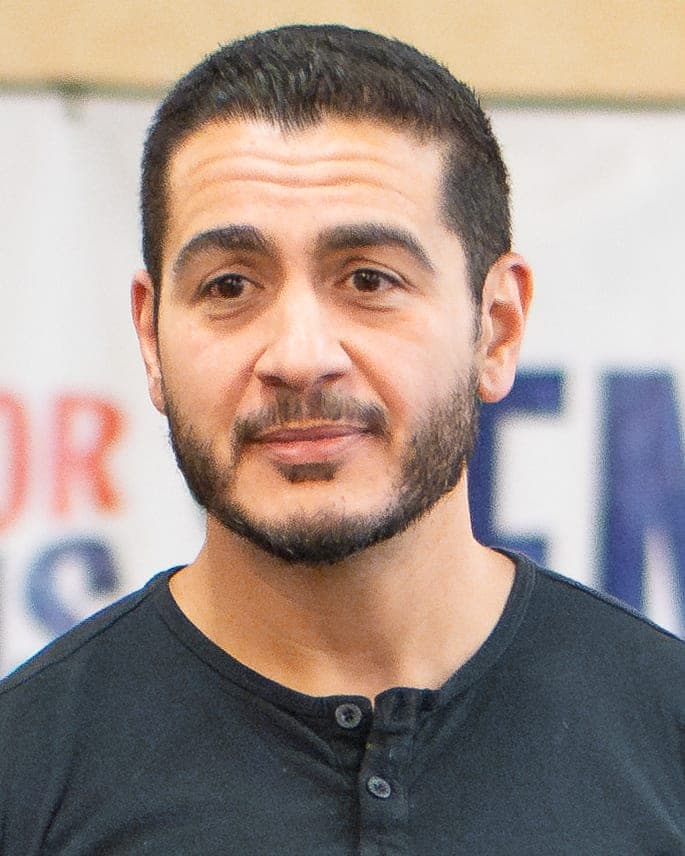
No good or bad look here
This story reports what happened without casting El-Sayed in a good or bad light, so readers don’t rate it and it doesn’t count toward El-Sayed’s record.
People in this story
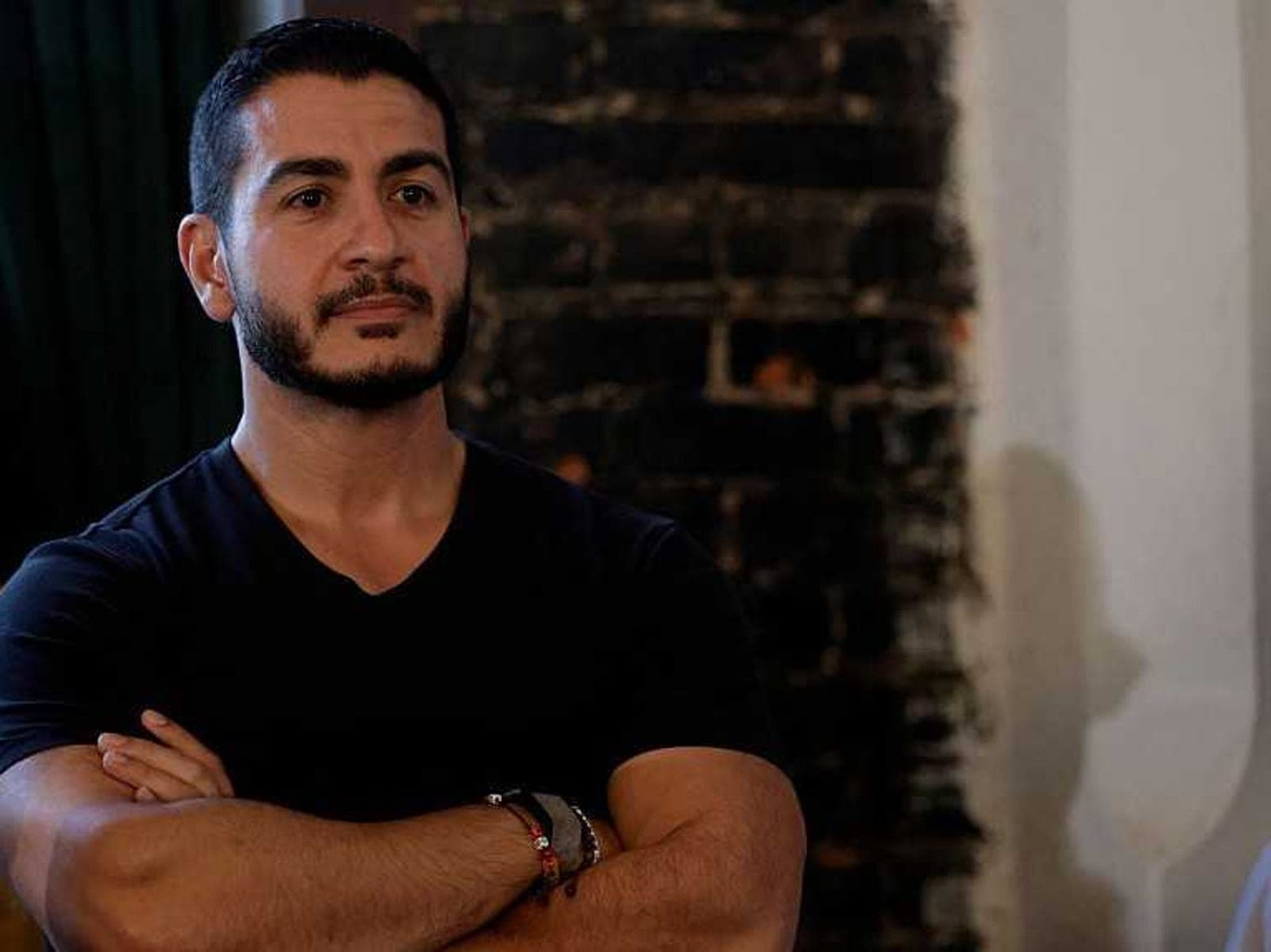
SWIPE →Senate candidate whose debate answers and exchanges with Mike Rogers are the article’s focus
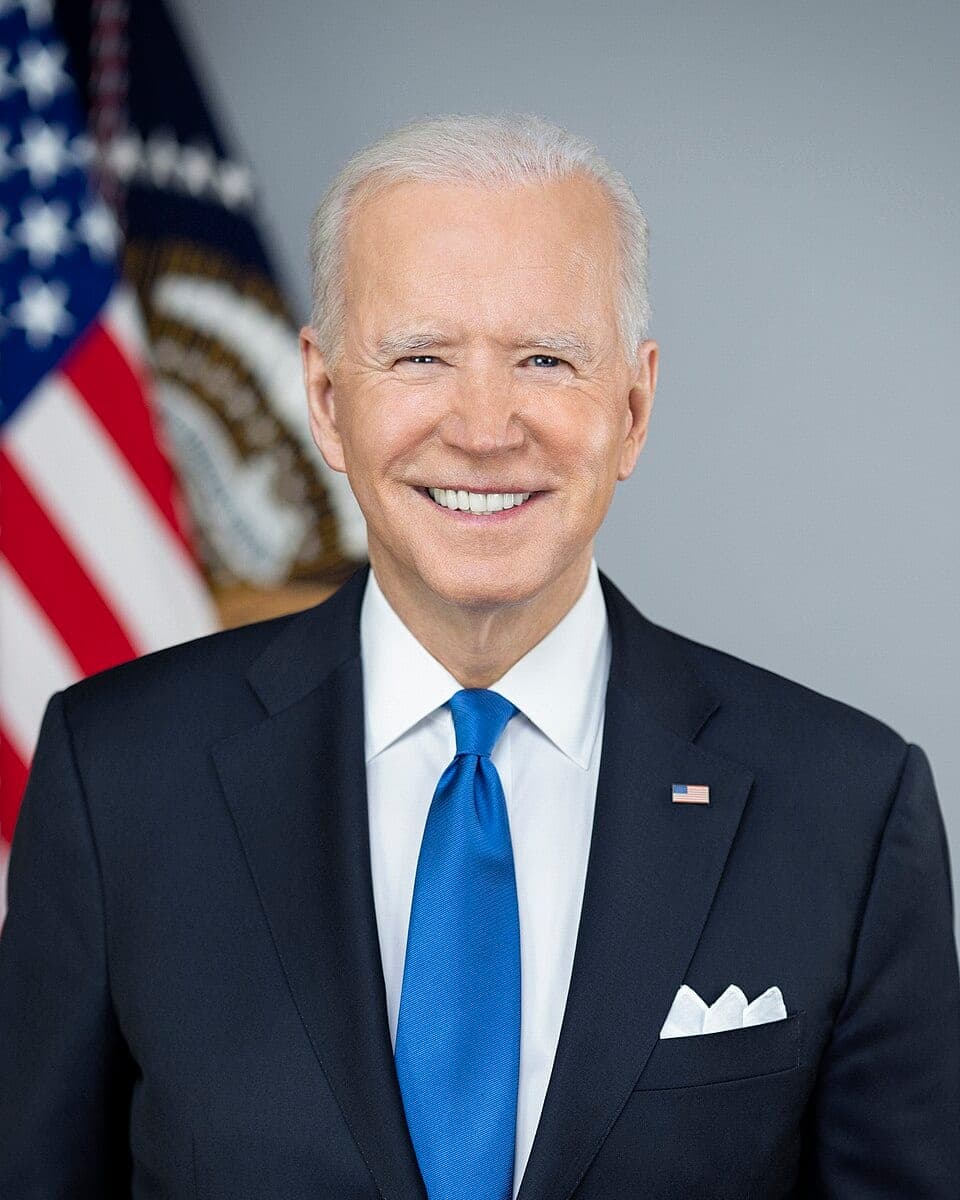
President referenced in describing a former aide
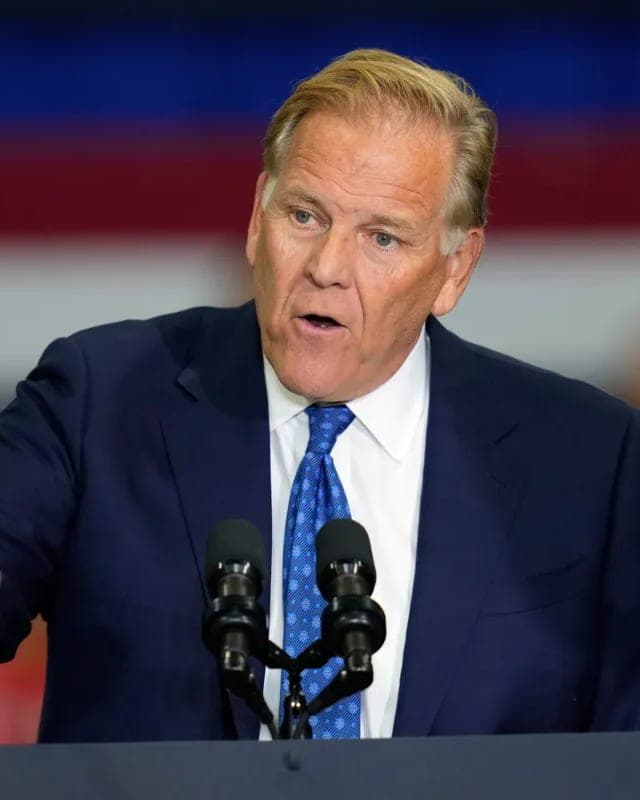
Republican Senate candidate who challenged El-Sayed during the debate
Part of a bigger story
26 OUTLETSAbdul El-Sayed and Mike Rogers held their first debate in Michigan’s U.S. Senate race, trading personal attacks and clashing over policy. El-Sayed challenged Rogers and defended his own positions. Left-leaning outlets emphasize El-Sayed’s pushback against Rogers’s attacks and, in some coverage, portray him as composed or focus on campaign challenges. Center outlets largely present a combative exchange of mutual personal attacks and policy clashes, with some checking claims from both candidates. Right-leaning outlets give more weight to Rogers’s attacks and El-Sayed’s positions on Israel, immigration and foreign ties, often portraying El-Sayed critically.
- ARTICLES
- 27
- OUTLETS
- 26
- AVG CRED
- 71
Discussion · 0
Loading comments…