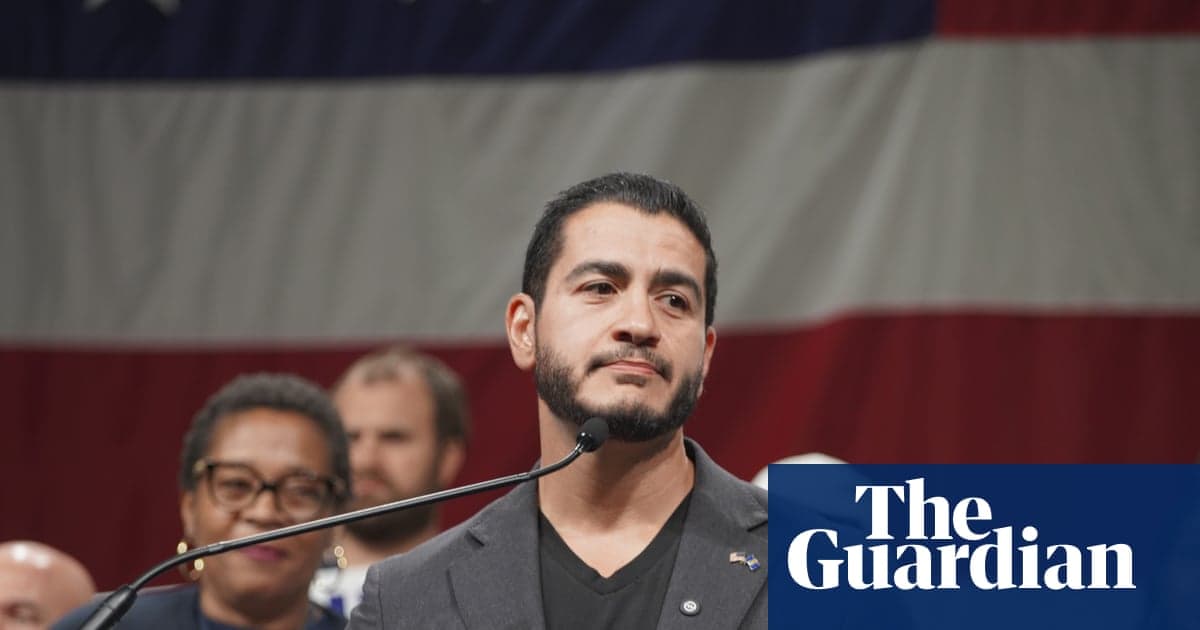
Abdul El-Sayed apologizes for comment about Michigan synagogue attack
El-Sayed apologized to the state’s Jewish Democratic caucus for comments he made after the synagogue attack.
SOURCE CHECK
TAP FOR WHYThe Guardian is an established national news organization, and its publisher rating supports a strong credibility assessment. This short report attributes El-Sayed’s remarks and the criticism to identifiable sources, though it provides limited detail or response from critics.
- Track record — The publisher’s rating of 84 across 68 stories indicates a strong record in the site’s assessment.
- Source type — The Guardian is identified as a national news outlet with established editorial operations.
- Author attribution — The story is attributed to a Guardian staff reporter, though no individual reporter is named.
- Editorial standards — The report uses attributed quotes and distinguishes El-Sayed’s account from critics’ claims.
The report includes direct remarks from El-Sayed, identifies the criticism he faced, and provides campaign context. Its brevity leaves limited room for critics’ views, additional context, or independent assessment of the controversy.
HOW WE SCORE ↗The article reports El-Sayed’s explanation and notes that critics accused him of justifying the attack, but it does not include a critic’s direct account or further examination of the competing interpretations.
- Counterarguments presented — The criticism is noted, but critics do not speak directly in the report.
- Source diversity — El-Sayed is quoted; the other perspective is summarized without a named source.
- Opinion vs reporting — The piece is presented as news reporting and does not overtly argue a position.
- Omitted context — The short article offers limited detail about the criticism and its broader context.
The report uses restrained language and attributes both El-Sayed’s explanation and the criticism to their sources. It does not clearly advocate for or against him.
- Language tone — The wording is generally factual and avoids overtly loaded descriptions.
- Framing — The report presents the apology, the earlier comments, and the criticism as attributed claims.
- Source selection — El-Sayed is quoted directly, while critics are described but not quoted.
Abdul El-Sayed apologized to Michigan’s Jewish Democratic caucus for comments made after a synagogue attack, saying he had intended to provide context, not justify the attack. The controversy comes as he seeks to unify Democrats after winning the Senate primary.
El-Sayed apologized on Saturday for comments linking the March synagogue attack to events affecting the attacker’s family. He said he had intended to offer context, but that it was not the time, and that people’s pain should not be trampled. Critics had accused him of justifying the attack.
The article describes the apology as part of El-Sayed’s effort to unify Democrats after defeating Representative Haley Stevens in the primary. It says he faces Republican nominee Mike Rogers in a race that could help determine control of the Senate.
Community verdict
9 VOTES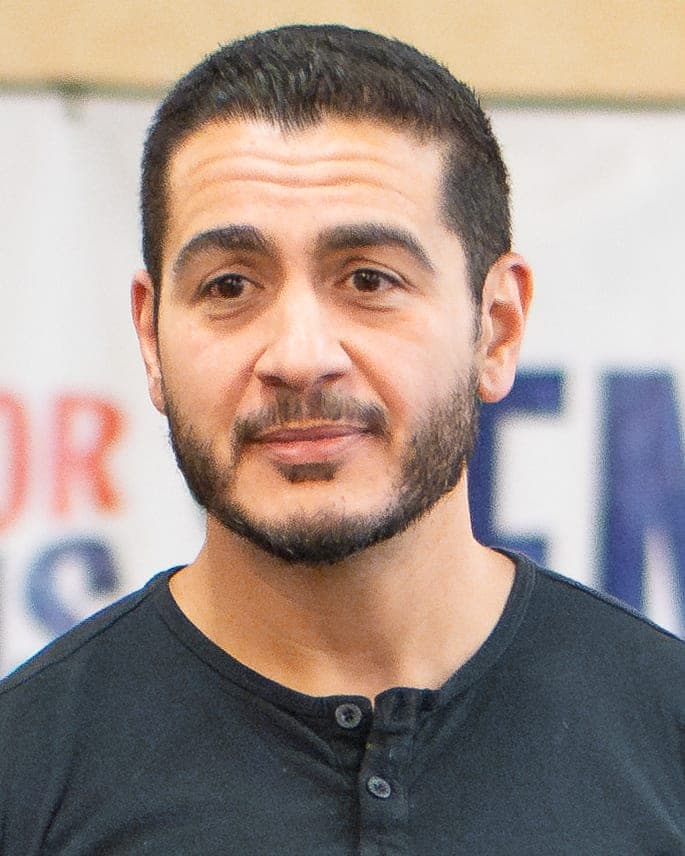
People in this story
SWIPE →Michigan Senate candidate who apologized for his comments following the synagogue attack

Representative defeated by El-Sayed in the Democratic primary
Republican Senate nominee opposing El-Sayed
Part of a bigger story
14 OUTLETSOutlets on the center and right agree that Abdul El-Sayed apologized for comments he made after a Michigan synagogue attack. Center outlets describe his explanation alongside critics’ objections, with some coverage also reporting differing reactions among Jewish Democrats. Right-leaning outlets foreground criticism and political fallout, and some broaden the story to other campaign controversies or media coverage.
- ARTICLES
- 14
- OUTLETS
- 14
- AVG CRED
- 57
Discussion · 0
Loading comments…