Michigan Senate Race Spotlight on Abdul El-Sayed Apology and GOP Criticism
Newsbusters centers its criticism on PBS's discussion of El-Sayed's apology and his prospects in the Senate race.
SOURCE CHECK
TAP FOR WHYNewsbusters is an opinion-oriented media-watchdog publisher, and this article uses strongly evaluative language while emphasizing criticism of PBS and El-Sayed. The named author and extensive quoted transcript provide some transparency, but the article's advocacy framing limits its institutional credibility as straight news.
- Source type — Recorded as opinion; the piece is framed as criticism of PBS rather than neutral event reporting.
- Transparency — The article reproduces substantial excerpts from the PBS discussion and identifies the speakers.
- Author attribution — A named author, Clay Waters, is identified.
- Editorial standards — Loaded descriptions and selective emphasis are prominent, limiting confidence in the outlet as an impartial reporter.
The article includes a substantial transcript excerpt and identifies the speakers, allowing readers to assess the underlying discussion. However, its own analysis relies on strongly loaded characterizations and selectively highlights controversies without offering responses from El-Sayed or fuller context for the disputed claims.
HOW WE SCORE ↗The article includes an extended excerpt of the PBS panel, including discussion of the apology and campaign dynamics, but its own framing is overwhelmingly critical of PBS and El-Sayed. It does not provide El-Sayed's response to the article's broader criticisms or independently examine the competing claims.
- Loaded language — The headline and commentary use repeated pejorative descriptions.
- Counterarguments presented — The PBS panel's comments provide some counterpoint, but the article does not present a response from El-Sayed to its accusations.
- Source diversity — Most substantive material comes from the PBS transcript, alongside the Newsbusters author's interpretation.
- Omitted context — The article raises several additional controversies but does not provide responses or supporting context for those claims.
The article uses sharply critical language about PBS and El-Sayed while presenting the segment as defending him and omitting relevant controversies. Its framing is strongly conservative and oppositional, rather than a neutral account of the exchange.
- Language tone — Terms such as “whines,” “heartless,” and “shilling” signal strongly judgmental criticism.
- Framing — The article frames PBS's discussion as protecting a Democratic candidate and criticizes it for neglecting other controversies.
- Source selection — It foregrounds Republican criticism and the author's negative assessments, with little direct response from El-Sayed.
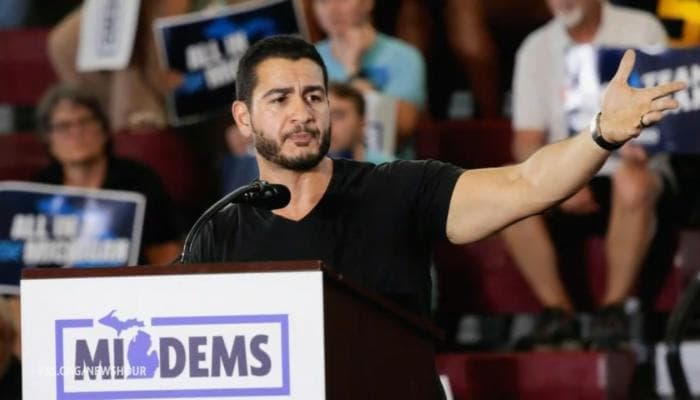
Newsbusters criticizes a PBS NewsHour discussion of Michigan Senate candidate Abdul El-Sayed, arguing that it downplayed his apology after comments about a synagogue attack and other controversies. The PBS panel discussed Republican criticism of El-Sayed and the political risks he poses for Democrats.
Newsbusters argues that PBS NewsHour co-anchor Amna Nawaz defended El-Sayed after he apologized for saying “Hurt people hurt people” following a synagogue attack outside Detroit. The article also faults PBS for not discussing other controversies it attributes to El-Sayed, including his association with Hasan Piker and past social-media posts.
In the quoted PBS discussion, Tamara Keith said El-Sayed needed to win over Jewish voters after a bitter primary, while Amy Walter said Republicans would portray him as dangerously radical and that the race could turn on whether voters focused on El-Sayed or Donald Trump. Keith also said Vice President J.D. Vance was campaigning in Michigan with the synagogue’s rabbi and security officials.
Community verdict
8 VOTES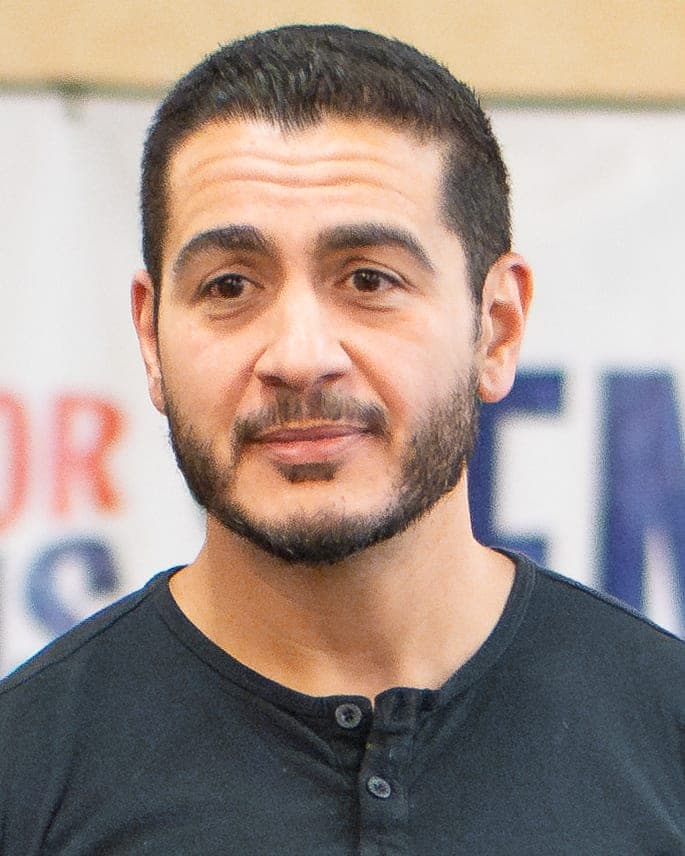
People in this story
SWIPE →Michigan Senate candidate whose apology and campaign controversies are the article's focus

President whose criticism of El-Sayed is discussed as part of the campaign
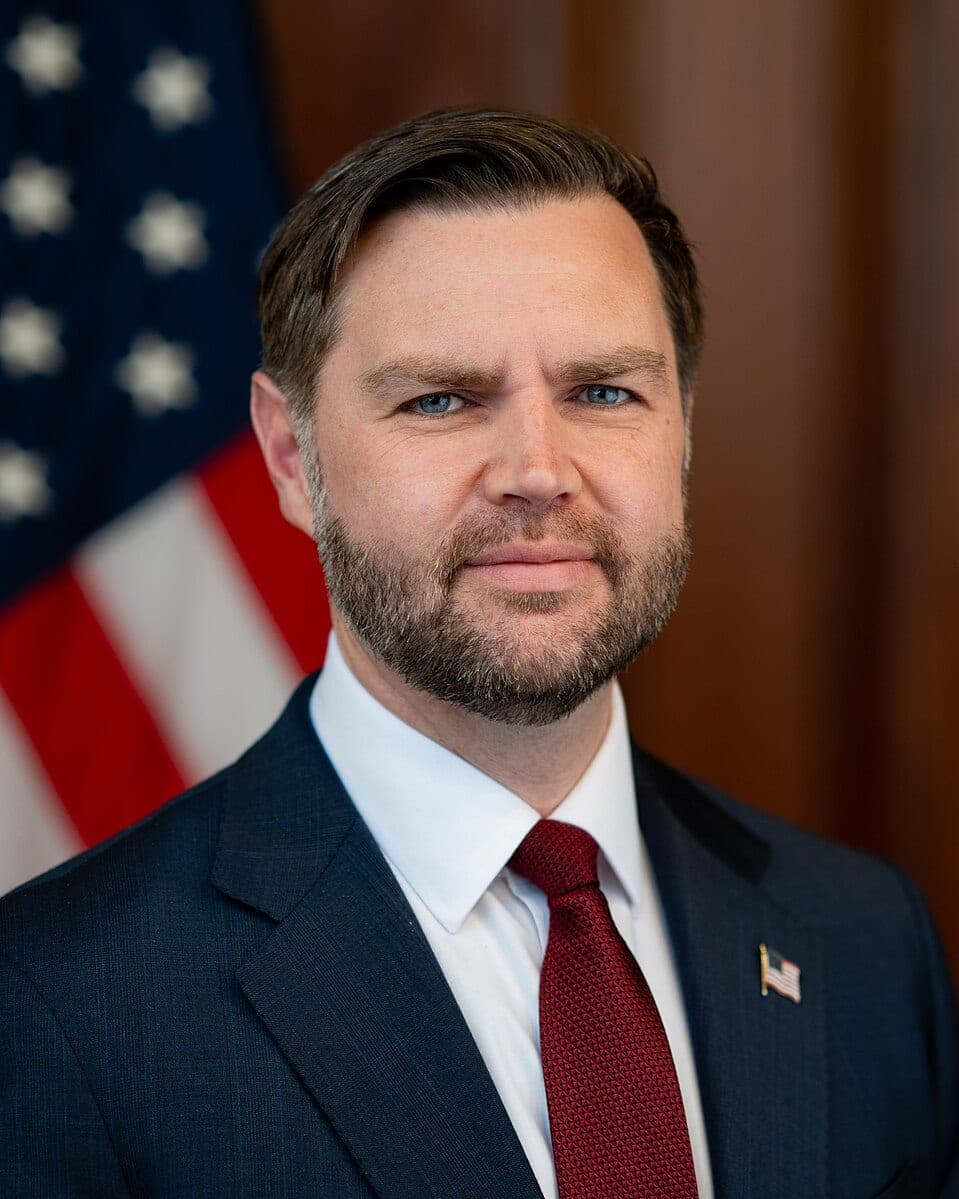
Vice president reported to be campaigning in Michigan with representatives of the synagogue attacked earlier in the year
Part of a bigger story
14 OUTLETSOutlets on the center and right agree that Abdul El-Sayed apologized for comments he made after a Michigan synagogue attack. Center outlets describe his explanation alongside critics’ objections, with some coverage also reporting differing reactions among Jewish Democrats. Right-leaning outlets foreground criticism and political fallout, and some broaden the story to other campaign controversies or media coverage.
- ARTICLES
- 14
- OUTLETS
- 14
- AVG CRED
- 57
Discussion · 0
Loading comments…