Michigan Senate nominee Abdul El-Sayed apologizes to Jewish caucus over remarks
El-Sayed apologized for remarks that critics said did not sufficiently address antisemitism and his comments about Israel.
SOURCE CHECK
TAP FOR WHYCredibility rates WACH, which republished this story. The other scores rate the article itself.
The page identifies a named author and news desk, and presents reporting with attributed comments and polling. The publisher’s recorded source type is unclassified, and the article provides little information about editorial or correction practices.
- Author attribution — A named author and news desk are credited.
- Source type — The publisher is recorded as unclassified, limiting confidence in its institutional standards.
- Editorial standards — The story attributes statements to the people making them and identifies the poll source, but gives limited methodology or context.
The article includes statements from El-Sayed, his opponent, and a rabbi, along with a named poll and specific results. It gives limited detail about the underlying remarks and allegations, and does not include a fuller response to the criticisms.
HOW WE SCORE ↗The article presents El-Sayed’s apology and multiple critical responses, but gives more space to the criticism than to his explanation and offers little additional context about the disputed remarks.
- Counterarguments presented — El-Sayed's apology and stated intent appear, alongside criticism from Rogers and Lopatin.
- Source diversity — The story includes the candidate, his opponent, a rabbi, and a poll source.
- Omitted context — The underlying remarks and the allegations are not explored in much detail.
- Loaded language — Strong descriptions are attributed to sources rather than stated as the outlet's own conclusions.
The article reports El-Sayed’s apology and the criticism it drew in mostly attributed, restrained language. Its emphasis on allegations and critics is not enough to establish a discernible political lean.
- Language tone — Mostly factual language, with critical characterizations attributed to speakers.
- Source selection — Includes El-Sayed's apology, criticism from Rogers and Lopatin, and a poll result.
- Framing — Frames the apology in the context of controversies but does not explicitly endorse a partisan interpretation.
Republished
Republished from Thenationaldesk. The relationship between the two publishers has not been determined.
Not rated.
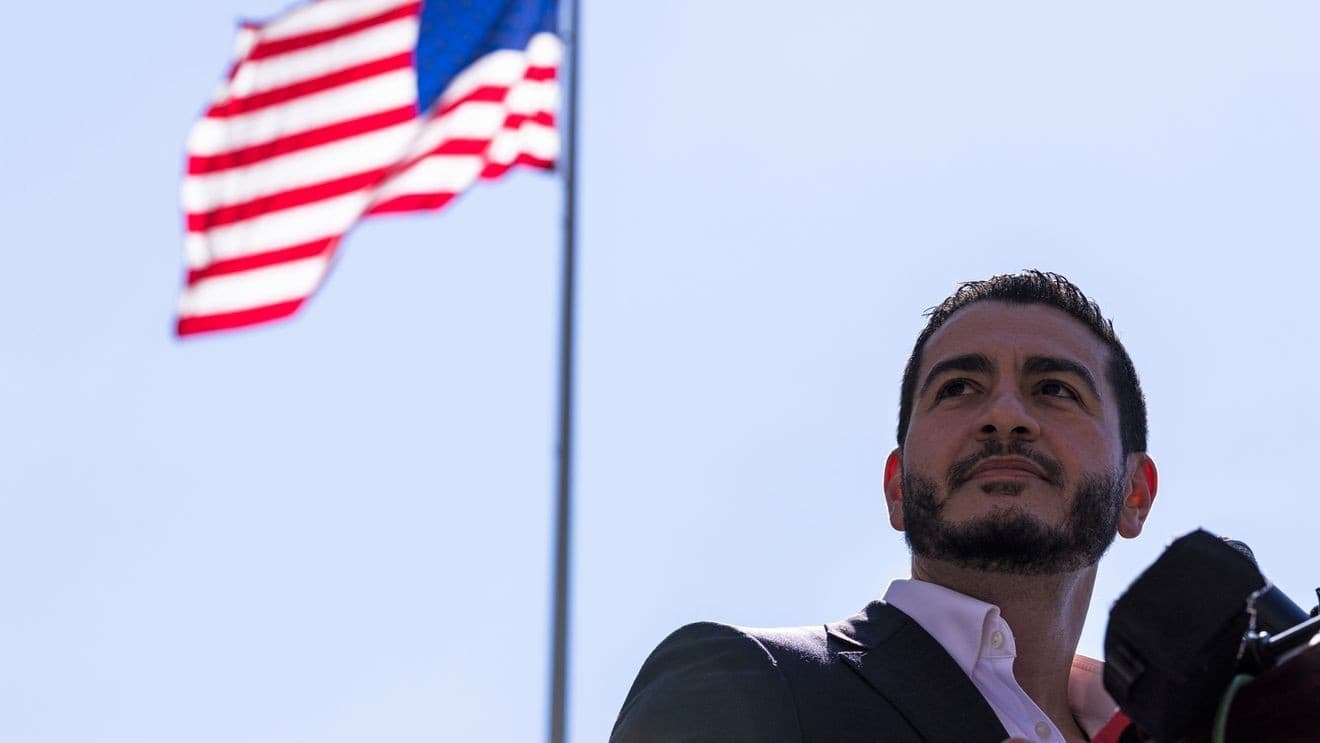
Michigan Senate nominee Abdul El-Sayed apologized for remarks made after a synagogue attack, while Republican Mike Rogers and a rabbi said the apology did not go far enough. A poll cited in the story shows El-Sayed leading Rogers by four points.
El-Sayed apologized to Michigan’s Jewish Democratic Caucus for comments he made after a man attacked Temple Israel Synagogue in March. He said his comments may have been misconstrued as justifying the attack and said that was not his intention. The story also notes allegations of antisemitism and El-Sayed’s association with streamer Hasan Piker.
Rogers criticized the apology, and Rabbi Asher Lopatin said it did not go far enough, citing El-Sayed’s remarks about Israel and his lack of denunciation of Piker. An EPIC-MRA poll cited by the article shows El-Sayed leading Rogers 47% to 43%, with 10% unsure or not responding.
Community verdict
12 VOTES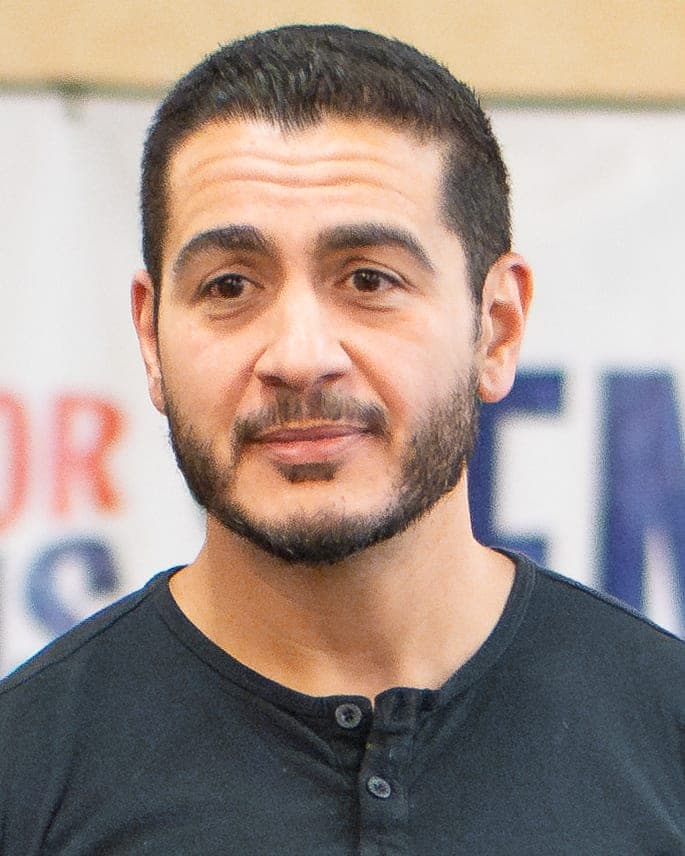
People in this story
SWIPE →Democratic Senate nominee apologizing for remarks made after a synagogue attack
Republican Senate candidate in Michigan who criticized El-Sayed's apology
Part of a bigger story
14 OUTLETSOutlets on the center and right agree that Abdul El-Sayed apologized for comments he made after a Michigan synagogue attack. Center outlets describe his explanation alongside critics’ objections, with some coverage also reporting differing reactions among Jewish Democrats. Right-leaning outlets foreground criticism and political fallout, and some broaden the story to other campaign controversies or media coverage.
- ARTICLES
- 14
- OUTLETS
- 14
- AVG CRED
- 57
Discussion · 0
Loading comments…