Data Center Bill Hits Roadblock in Senate–What Happens Next?
Heinrich objected to expedited passage of the House bill, arguing that stronger protections for communities and utility customers were needed.

SOURCE CHECK
TAP FOR WHYNewsweek is an established national news outlet, and the article identifies its author and attributes some quotations to CBS News. It also discloses the use of an AI assistant, though the text alone offers limited information about correction practices.
- Source type — Established national news outlet with a substantial reporting operation.
- Author attribution — A named author is credited, and some quotations are attributed to CBS News.
- Transparency — The article discloses the use of an AI assistant to produce the story.
The article gives specific provisions and limitations of the bill, includes statements from both senators and reports the House vote and poll details. It would be stronger with more independent expert or utility-industry perspectives on the likely effects.
HOW WE SCORE ↗The article gives space to the competing senators’ positions and explains what the measure would and would not do. It offers limited independent sourcing on the policy’s effects, leaving some context underdeveloped.
- Counterarguments presented — Reports Heinrich’s criticism of the House measure and Husted’s defense of it.
- Source diversity — Includes lawmakers’ statements and poll findings, but few independent expert perspectives.
- Omitted context — Provides caveats about state discretion and bill effects, but little outside analysis of those outcomes.
The article presents the disagreement and describes both proposals without discernible partisan framing. Its language is predominantly explanatory and attributes the senators’ arguments to them.
- Language tone — Mostly neutral, explanatory language.
- Source selection — Includes arguments from both Husted and Heinrich, as well as Moreno’s objection.
- Framing — Explains the disagreement and the bill’s limits without endorsing a side.
Senators Jon Husted and Martin Heinrich clashed over how to protect households from electricity costs tied to data centers, blocking each other’s bills from expedited Senate passage. The Ratepayer Protection Act can still proceed through the regular legislative process.
The House passed the Ratepayer Protection Act by a 417-3 vote, but Husted’s request to pass it in the Senate by unanimous consent was blocked by Heinrich. Heinrich argued that the House measure did not go far enough and sought expedited consideration of his GRID Savings Act; Senator Bernie Moreno objected to that request. Husted called the House measure a meaningful bipartisan step, while Heinrich said stronger protections were needed.
The Ratepayer Protection Act would establish a federal standard for data centers to cover the incremental costs of electricity infrastructure built to serve them, while leaving state regulators to decide whether to adopt the standard. The article says the bill would not guarantee lower bills, and that any effect would depend on state decisions and utility agreements. The Senate could consider the measure through its regular process or negotiate another unanimous-consent agreement.
Community verdict
22 VOTES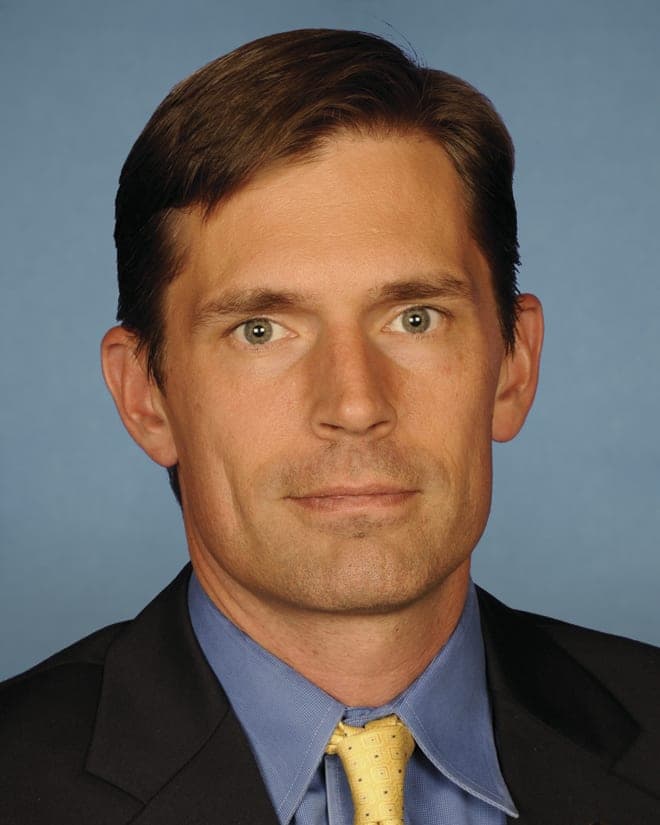
People in this story
SWIPE →Senator who blocked expedited passage of the Ratepayer Protection Act and sought consideration of his alternative
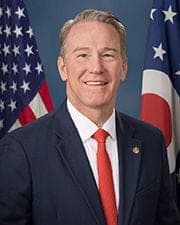
Senator seeking expedited passage of the Ratepayer Protection Act
Husted's version of this story ↗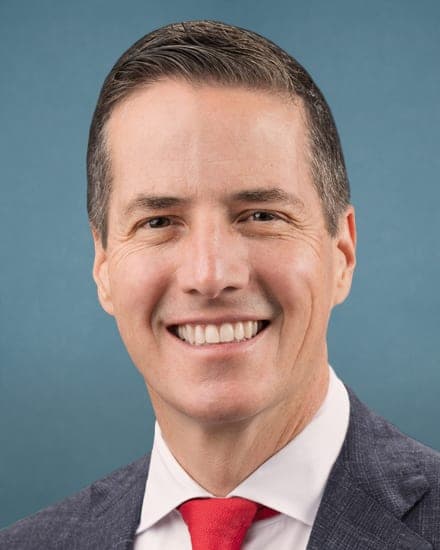
Senator who objected to expedited consideration of the GRID Savings Act

President, who would receive a different version of the measure after House approval
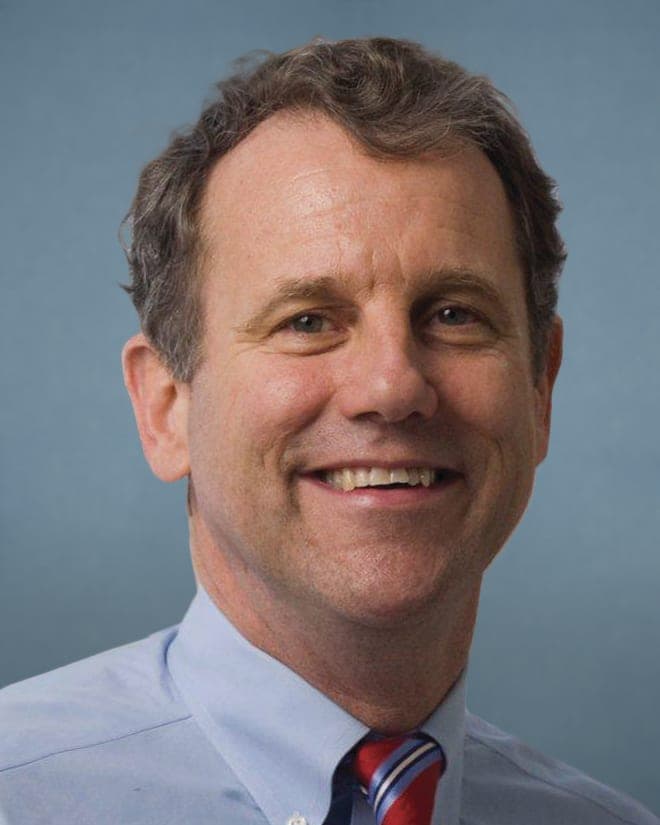
Former senator and Husted’s opponent in the Ohio Senate race
Part of a bigger story
7 OUTLETSOutlets agree that Martin Heinrich blocked a fast-track Senate effort to pass the Ratepayer Protection Act, arguing that it needed stronger protections against data-center energy costs. The bill’s sponsor continued to pursue it, while Heinrich’s alternative also failed to advance. Left-leaning outlets emphasize public costs and the harms attributed to data centers, presenting stronger regulation as the need. Center outlets focus on the dispute over enforceable requirements for data-center energy and grid costs, with one article also noting Heinrich’s alternative was blocked.
- ARTICLES
- 7
- OUTLETS
- 7
- AVG CRED
- 74
Discussion · 0
Loading comments…