One Senator Just Killed the Only Data Center Electricity-Relief Bill Right Before Winter Rates Hit
Heinrich argued the Ratepayer Protection Act offered insufficient consumer protection and advanced a federal alternative.
SOURCE CHECK
TAP FOR WHYInternational Business Times UK is an established news publisher, but the article provides limited information about its reporting process and relies on a compact set of sources. Its institutional credibility is moderate.
- Source type — An established international news publisher, though not a major US newspaper of record.
- Author attribution — The article identifies an author.
- Editorial standards — The article is presented as news reporting, but the page provides limited evidence about editorial practices.
- Transparency — The article attributes key statements and data, but offers little detail about its reporting process.
The article gives specific procedural details, distinguishes the two proposals, attributes Heinrich’s statement, and cites the Energy Information Administration for demand projections. It provides little direct evidence from consumers or utilities and limited representation of views supporting the competing approaches.
HOW WE SCORE ↗The article explains both bills and the objections that stopped each from advancing, but it does not provide substantial arguments from other lawmakers, utilities, or affected consumers.
- Counterarguments presented — The two proposals and their different approaches are described, but opposing arguments receive limited direct explanation.
- Source diversity — The article includes a senator’s statement and an EIA projection, but few distinct perspectives.
- Loaded language — The body is generally descriptive, despite a more forceful headline.
The article describes the competing proposals and objections in largely neutral terms, with no discernible partisan framing.
- Language tone — Mostly descriptive language explains the procedure and each proposal without overt political judgment.
- Source selection — It includes an attributed statement from Heinrich and a government demand projection, while offering limited sourcing overall.
- Framing — The article presents the dispute as competing approaches to assigning infrastructure costs.
Sen. Martin Heinrich objected to advancing the House-passed Ratepayer Protection Act by unanimous consent, while Sen. Bernie Moreno objected to Heinrich’s alternative GRID Savings Act. Neither proposal advanced through that process, amid concerns about who should pay for data-center-related electricity infrastructure.
The House passed the Ratepayer Protection Act 417-3 on September 16. The next day, Sen. Jon Husted sought unanimous consent to pass it in the Senate, but Sen. Martin Heinrich objected, arguing the bill did not go far enough to protect consumers from data-center-related costs. The bill would have had state regulators consider standards for large data centers to cover costs associated with new power and grid infrastructure.
Heinrich then sought unanimous consent for his GRID Savings Act, which would require certain large new electricity users to pay for facilities needed to connect them to the grid. Sen. Bernie Moreno objected, so neither proposal advanced through the expedited process. The article says electricity demand is expected to rise and notes that winter rates vary by state and utility.
Community verdict
14 VOTES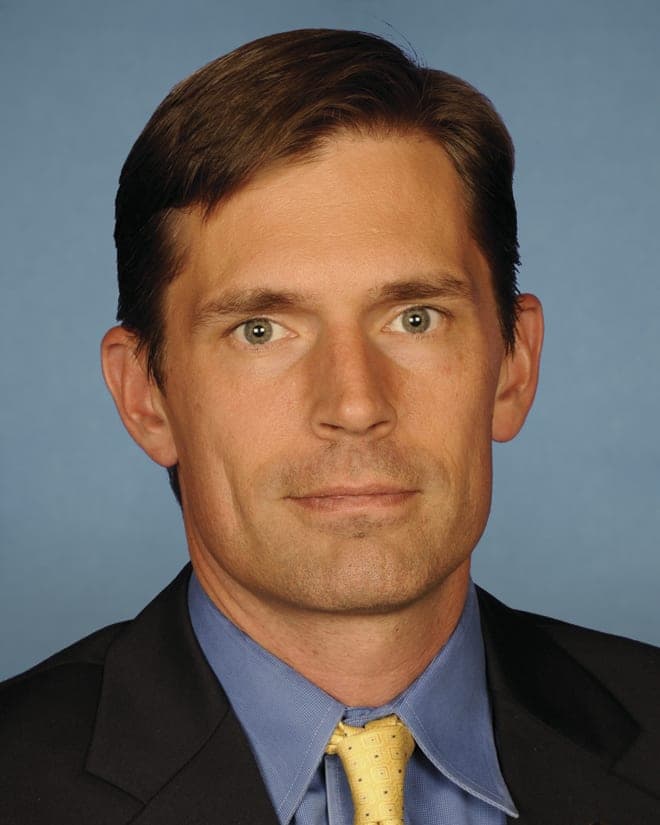
People in this story
SWIPE →Senator who objected to the Ratepayer Protection Act and sought unanimous consent for the GRID Savings Act
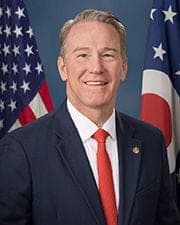
Senator who sought unanimous consent to pass the Ratepayer Protection Act
Husted's version of this story ↗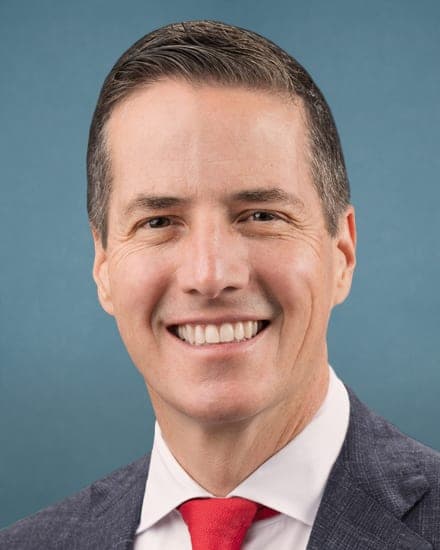
Senator who objected to the GRID Savings Act
Part of a bigger story
7 OUTLETSOutlets agree that Martin Heinrich blocked a fast-track Senate effort to pass the Ratepayer Protection Act, arguing that it needed stronger protections against data-center energy costs. The bill’s sponsor continued to pursue it, while Heinrich’s alternative also failed to advance. Left-leaning outlets emphasize public costs and the harms attributed to data centers, presenting stronger regulation as the need. Center outlets focus on the dispute over enforceable requirements for data-center energy and grid costs, with one article also noting Heinrich’s alternative was blocked.
Discussion · 0
Loading comments…