Senate Democrat blocks data center electricity costs bill
Heinrich said the Ratepayer Protection Act was insufficient and sought unanimous consent for a more demanding alternative.
SOURCE CHECK
TAP FOR WHYCredibility rates Fox4news, which republished this story. The other scores rate the article itself.
FOX 4 News Dallas-Fort Worth is an established local television newsroom, a source type that generally has professional editorial practices. The article identifies its author and attributes key claims and quotations, though the page provides no specific corrections or sourcing-policy information.
- Source type — Established local news outlet; its institutional credibility is stronger than an opinion-first or aggregator source.
- Editorial standards — The local-news format and reporting indicate an editorial operation, but the article does not describe its standards.
- Author attribution — A named reporter is credited.
- Transparency — The account attributes lawmakers' positions but offers limited information about underlying reporting or documents.
The story gives both lawmakers’ rationales, reports the House tally, explains important provisions and includes the sponsor’s statement. It offers limited independent analysis or outside expert perspectives on the likely effects of the bills.
HOW WE SCORE ↗The article describes the competing Senate proposals and includes statements from their proponents, as well as details that qualify what the Ratepayer Protection Act would require. It does not include independent experts or other outside perspectives.
- Counterarguments presented — Heinrich’s criticism that the bill was insufficient appears alongside Husted’s case for it.
- Source diversity — The article quotes the senators on opposing sides and the House sponsor, but no independent sources.
- Omitted context — No outside analysis of the bills’ potential effects is included.
- Loaded language — The account is generally factual and attributes pointed characterizations to their speakers.
The article uses largely neutral language and reports the competing arguments of the lawmakers involved. Its framing explains both the consumer-protection rationale and Heinrich’s criticism that the measure is insufficient.
- Language tone — Mostly descriptive language, with the lawmakers’ evaluative claims attributed to them.
- Source selection — Includes statements from the two senators on opposing sides and the House sponsor.
- Framing — Explains the bill’s stated purpose and its limits without endorsing either position.
Republished
Republished from Livenowfox. The relationship between the two publishers has not been determined.
Not rated.
Sen. Martin Heinrich blocked Sen. Jon Husted’s effort to advance the Ratepayer Protection Act by unanimous consent, saying it did not go far enough to protect consumers from data-center infrastructure costs. Heinrich then sought approval of his own bill, which Sen. Bernie Moreno blocked.
Husted sought unanimous consent to advance the Ratepayer Protection Act, which would have data centers or technology companies bear certain electricity and grid infrastructure costs rather than pass them to consumers. Heinrich objected, arguing the bill’s approach was too voluntary and did not go far enough. The article reports that the House had passed the measure 417 to 3 the previous day.
Heinrich then sought unanimous consent for the GRID Savings Act, which he said would require large customers such as data centers to pay for grid connection facilities; Moreno objected. The article says the Ratepayer Protection Act would require states to consider a federal standard, and that large data centers would pay specified upgrade costs and provide financial assurances. Its sponsor, Rep. Gabe Evans, said the bill would protect families and businesses from those costs.
Community verdict
20 VOTES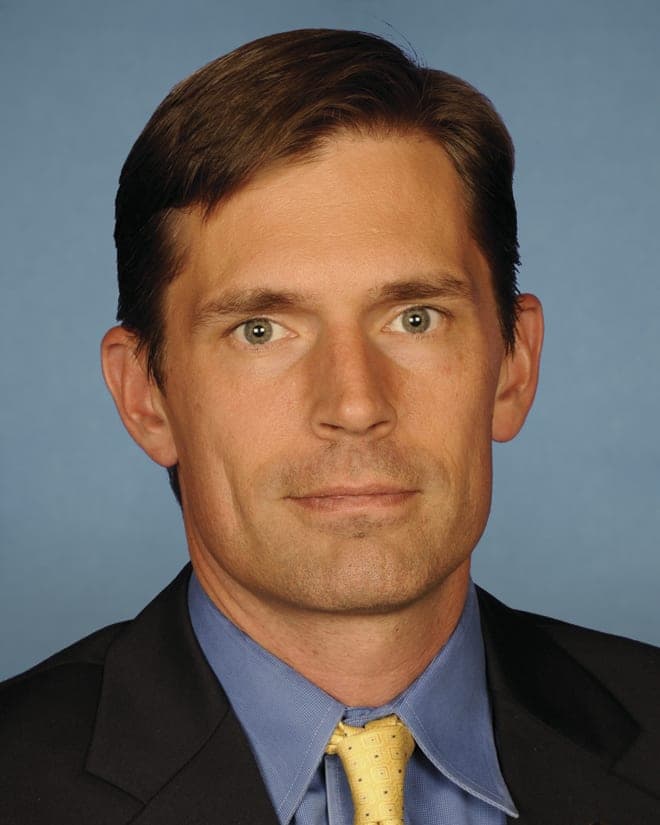
People in this story
SWIPE →Senator who blocked Husted’s unanimous-consent request and sought approval of the GRID Savings Act
Senator who sought unanimous consent to advance the Ratepayer Protection Act
Husted's version of this story ↗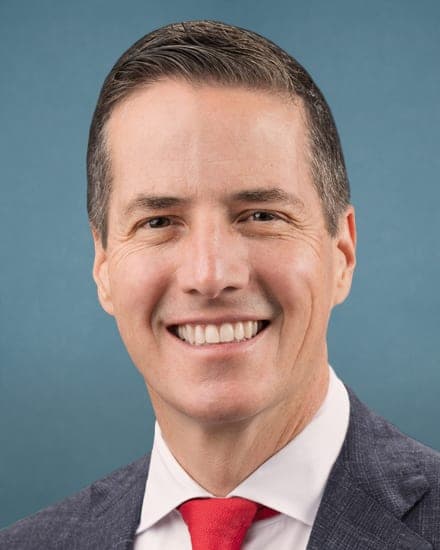
Senator who objected to Heinrich’s unanimous-consent request for the GRID Savings Act
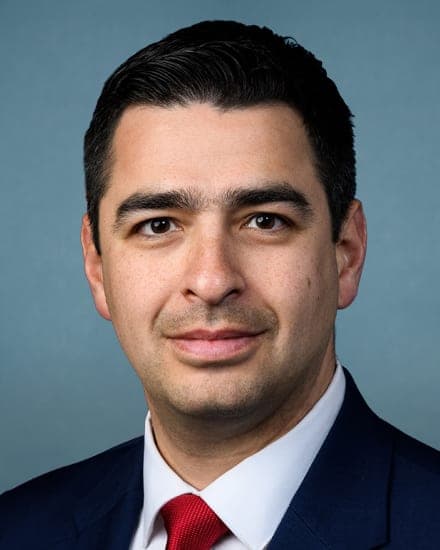
House sponsor of the Ratepayer Protection Act
Part of a bigger story
7 OUTLETSOutlets agree that Martin Heinrich blocked a fast-track Senate effort to pass the Ratepayer Protection Act, arguing that it needed stronger protections against data-center energy costs. The bill’s sponsor continued to pursue it, while Heinrich’s alternative also failed to advance. Left-leaning outlets emphasize public costs and the harms attributed to data centers, presenting stronger regulation as the need. Center outlets focus on the dispute over enforceable requirements for data-center energy and grid costs, with one article also noting Heinrich’s alternative was blocked.
Discussion · 0
Loading comments…