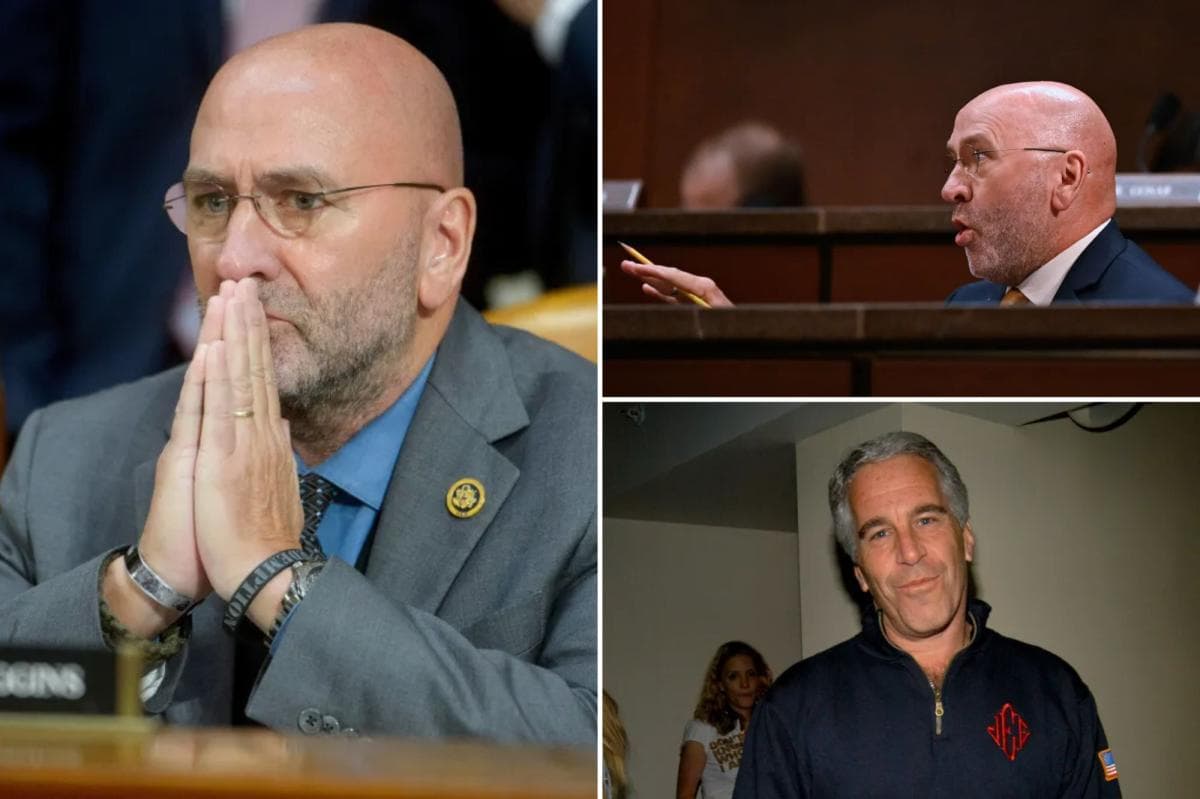
Louisiana GOP Rep. Clay Higgins explains why he was the only lawmaker to vote 'no' on releasing Epstein files
Higgins opposed the measure, arguing that its broad disclosure could harm innocent people.
SOURCE CHECK
TAP FOR WHYThe New York Post is an established national outlet with named reporters and an identifiable news operation, though its tabloid style and weaker reputation for restrained presentation temper its score. The article attributes key claims and includes legislative details, but the page itself does not establish the outlet’s correction practices.
- Source type — An established national news publisher, though known for tabloid presentation.
- Author attribution — Two reporters are named.
- Editorial standards — The article presents attributed statements and legislative details, but the outlet’s style warrants some caution.
- Transparency — The article identifies its sources for the principal claims; correction practices are not shown here.
The report provides the vote tally, quotes Higgins’s explanation, includes the positions of Johnson and Thune, and describes the measure’s disclosure and redaction provisions. It gives limited space to the case for releasing the files or to supporters’ rationale.
HOW WE SCORE ↗The article presents Higgins’s objections and the concerns Johnson raised, alongside Thune’s response and the measure’s disclosure requirements. It offers less explanation of why supporters favored disclosure, so the perspectives are not fully balanced.
- Counterarguments presented — Thune’s response and the overwhelming House vote indicate support for passing the measure, but supporters’ substantive arguments receive little attention.
- Source diversity — Includes statements from Higgins, Johnson and Thune, as well as the bill’s provisions.
- Loaded language — Mostly restrained, with a few attributed or lightly evaluative phrases.
- Omitted context — The reasons proponents supported broad disclosure are not developed.
The article is a largely straight account of the vote and the lawmakers’ stated positions. Its description of Higgins’s vote as unpopular is mildly evaluative, but the overall framing does not show a discernible partisan lean.
- Language tone — Mostly factual language, with a limited evaluative reference to Higgins’s move as unpopular.
- Source selection — Quotes Higgins, Johnson and Thune, while also including the bill’s terms.
- Framing — Centers the lone dissenting vote and explains both privacy concerns and the likelihood the measure would pass unchanged.
Rep. Clay Higgins was the lone House member to oppose a measure compelling the release of Justice Department files related to Jeffrey Epstein, citing risks to innocent people’s privacy. The Senate approved the House bill unchanged and sent it to President Trump.
Higgins said the measure could expose witnesses, family members and other people who were not criminally implicated. He argued that the House Oversight Committee’s document releases offered a way to continue the investigation while protecting innocent people, and said he would support a version with stronger privacy protections.
Speaker Mike Johnson had also urged the Senate to amend the measure to address privacy and other concerns. Senate Majority Leader John Thune said the 427-1 House vote made changes unlikely. The bill requires the Justice Department to release specified unclassified records within 30 days of enactment, while allowing certain privacy, child-abuse-material, ongoing-case and national-security redactions.
Community verdict
25 VOTES
Counts every outlet’s report of this story. See all 42
Votes cast on this page
Votes cast on this page: ▲ 0 · ◆ 0 · ▼ 0
People in this story
SWIPE →Louisiana representative who cast the sole House vote against the measure

House Speaker who urged the Senate to amend the measure

President who was to receive the measure for his signature
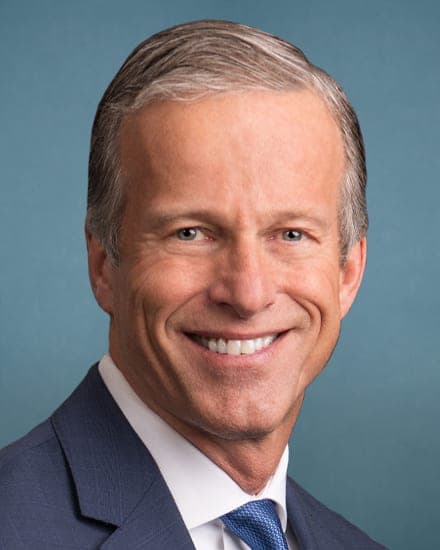
Senate majority leader who responded to Johnson’s request for changes
Part of a bigger story
33 OUTLETSThe House passed the Epstein Files Transparency Act 427-1, with Clay Higgins casting the sole no vote. Left-leaning outlets present Higgins’s vote as grounds for criticism, highlighting public backlash or his broader record. Center outlets mostly explain his stated privacy and due-process concerns while recounting the vote. Right-leaning outlets emphasize his privacy rationale, while some frame the disclosure push as a partisan fight.
- ARTICLES
- 42
- OUTLETS
- 33
- AVG CRED
- 66
Discussion · 0
Loading comments…