Clay Higgins was the only Republican to vote against the Epstein files release. Here's what he said
Higgins cast the only vote against the bill and said it could expose innocent people.

SOURCE CHECK
TAP FOR WHYCNN is an established national news organization with professional reporting standards and an identifiable author. The article attributes key claims and quotations to named officials, though this short report offers limited independent context.
- Track record — Established national news organization with a substantial record of original reporting.
- Editorial standards — Professional newsroom standards support a relatively high institutional credibility assessment.
- Author attribution — A named reporter is credited.
- Source type — Nationally recognized outlet; the recorded source type is international news.
The report gives the vote tally, quotes Higgins directly, and includes responses and positions from other officials. It is concise and provides limited context beyond the competing concerns over disclosure and privacy.
HOW WE SCORE ↗The article explains Higgins's objections and includes the bill's lopsided House passage and other lawmakers' views. It offers limited outside perspective on the potential consequences of disclosure or the privacy concerns.
- Counterarguments presented — Higgins's objections are reported alongside the broad House vote and the other leaders' positions.
- Source diversity — Several lawmakers are quoted or paraphrased, but the report relies on political officials.
- Omitted context — The short article provides little outside context about disclosure or the privacy concerns.
- Loaded language — The report's descriptions are largely factual and attributed.
The article uses straightforward language, attributes officials' claims and presents Higgins's rationale alongside the overwhelming vote and other lawmakers' positions. It does not clearly endorse a side.
- Language tone — Mostly neutral descriptions and attributed quotations.
- Source selection — Includes Higgins, House Speaker Mike Johnson and Senate Majority Leader John Thune.
- Framing — Centers the lone dissenting vote while explaining Higgins's stated privacy and due-process concerns.
Rep. Clay Higgins cast the lone vote against a bipartisan bill compelling the release of Jeffrey Epstein files, arguing it could expose innocent people. The House passed the measure 427-1, while Senate leaders discussed whether to amend it.
Higgins said the bill could harm innocent witnesses, people who provided alibis and family members, and argued that it departed from longstanding criminal-justice procedures. He said he would support a revised version that better protected victims and other people named in the files.
The House passed the bill 427-1. Speaker Mike Johnson had discussed possible amendments with Senate Majority Leader John Thune, who said changes were unlikely; Thune also expected the Senate to take up the bill quickly. President Donald Trump had indicated he would sign it.
Community verdict
25 VOTES
Counts every outlet’s report of this story. See all 42
Votes cast on this page
Votes cast on this page: ▲ 0 · ◆ 0 · ▼ 0
People in this story
SWIPE →
House Speaker who voiced concerns and discussed possible amendments

President who indicated he would sign the bill
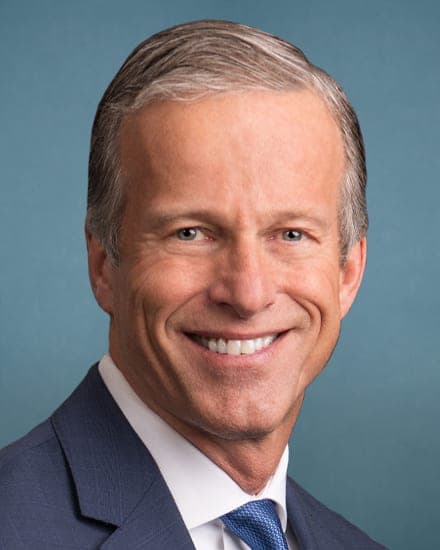
Senate Majority Leader discussing the bill's Senate path
Part of a bigger story
33 OUTLETSThe House passed the Epstein Files Transparency Act 427-1, with Clay Higgins casting the sole no vote. Left-leaning outlets present Higgins’s vote as grounds for criticism, highlighting public backlash or his broader record. Center outlets mostly explain his stated privacy and due-process concerns while recounting the vote. Right-leaning outlets emphasize his privacy rationale, while some frame the disclosure push as a partisan fight.
- ARTICLES
- 42
- OUTLETS
- 33
- AVG CRED
- 66
Discussion · 0
Loading comments…