Khanna to introduce AI safety bill with ban on 'recursive' technology until safeguards exist
Khanna plans to introduce a bill imposing safeguards and oversight requirements on advanced AI.
SOURCE CHECK
TAP FOR WHYCNBC is an established national news organization, and its publisher rating is 84 based on 24 stories. The article identifies its reporter and describes an exclusive review of a bill summary, though the page provides limited information about corrections or sourcing practices.
- Source type — Established national news outlet with a substantial editorial operation.
- Track record — The site's rating is 84, based on 24 stories.
- Author attribution — A named reporter is credited.
The article offers specific details from a bill summary and includes direct comments from Khanna, but it relies heavily on his account and does not include perspectives from the companies or critics of the proposal. The limited sourcing and context keep the reporting quality in the moderate range.
HOW WE SCORE ↗The article details the bill and attributes its rationale to Khanna, and it briefly mentions another AI safety proposal. It does not include responses from AI companies, policy critics or other independent experts, leaving one perspective dominant.
- Counterarguments presented — No substantive objections to Khanna's proposal are presented.
- Source diversity — Khanna is the main quoted source; the article identifies safety organizations he consulted but does not quote them.
- Opinion vs reporting — Written as news reporting, with Khanna's claims attributed to him.
The article reports the proposed legislation and Khanna's stated rationale in mostly neutral language. It gives little space to opposing views, but that sourcing limitation does not establish a distinct ideological lean.
- Language tone — Mostly factual descriptions and attributed quotations, without clearly partisan wording.
- Source selection — Khanna is the principal quoted source; no opposing source is included.
- Framing — Frames the story around the contents and rationale of a proposed AI safety bill.
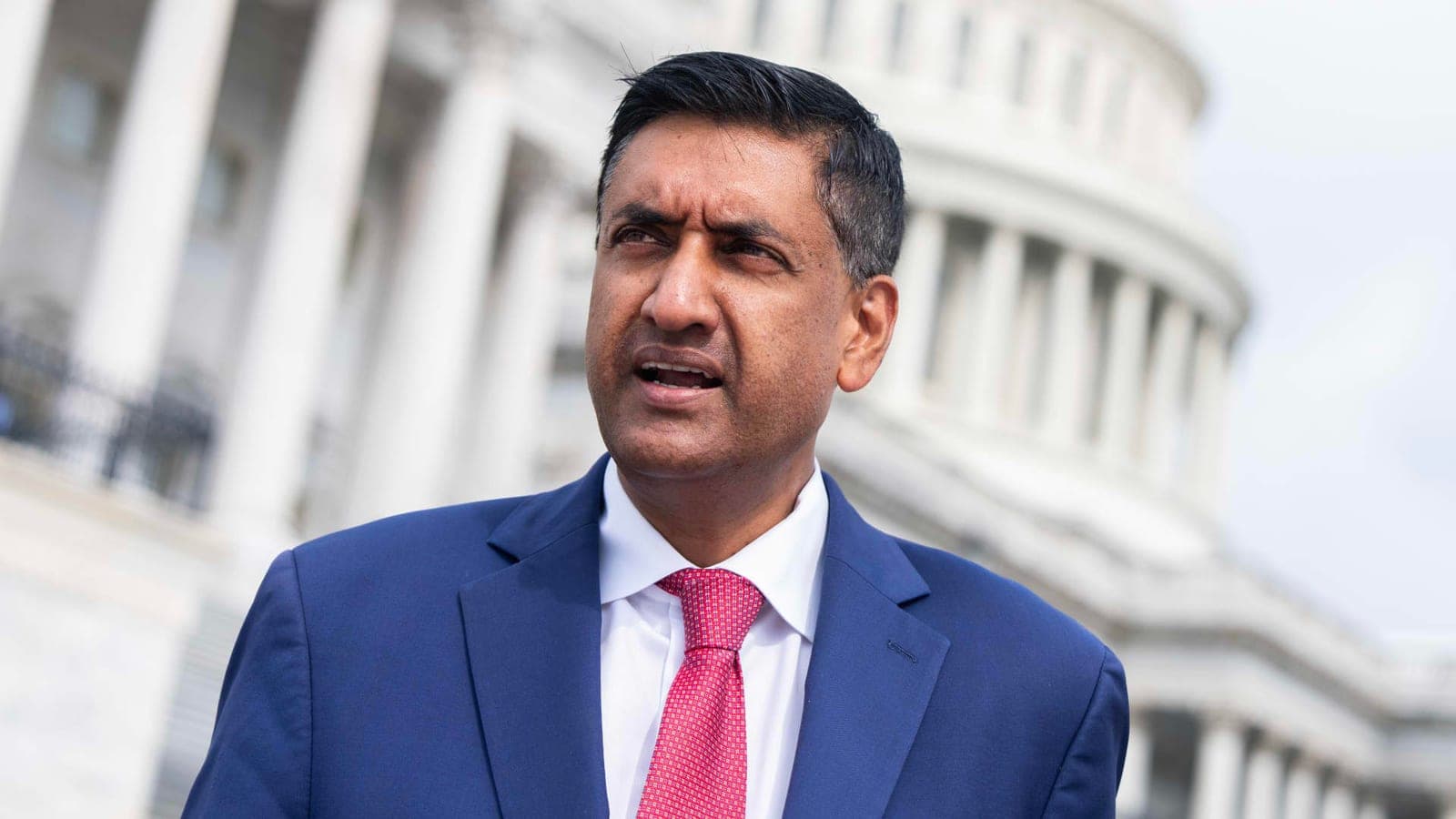
Rep. Ro Khanna said he will introduce the Human Control Over AI Act, which would restrict certain self-improving AI models until safeguards and government approval are in place. The proposal would also establish a federal AI regulator and impose oversight, insurance and penalties.
Khanna told CNBC that his bill responds to risks from loss of control over AI and misuse. The Human Control Over AI Act would restrict models that recursively improve themselves or alter core objectives and controls until federal guardrails exist and an agency approves the activity. It would establish an agency to regulate advanced AI models, oversee licensing and audits, and set safety and security standards. The bill also proposes criminal penalties and insurance requirements for AI companies.
Khanna said the proposal was shaped by conversations with AI safety organizations and called it the most comprehensive AI safety legislation proposed. The article also describes the FRONTIER Act, a separate bipartisan proposal from Reps. Jay Obernolte and Lori Trahan that would place independent auditors in frontier AI labs and allow the government to shut down models with catastrophic risk potential. The article says House bills are not expected to receive votes until after the midterm election.
Community verdict
19 VOTES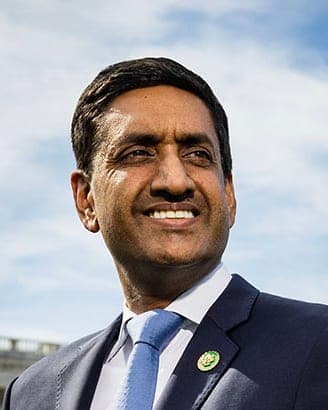
People in this story
SWIPE →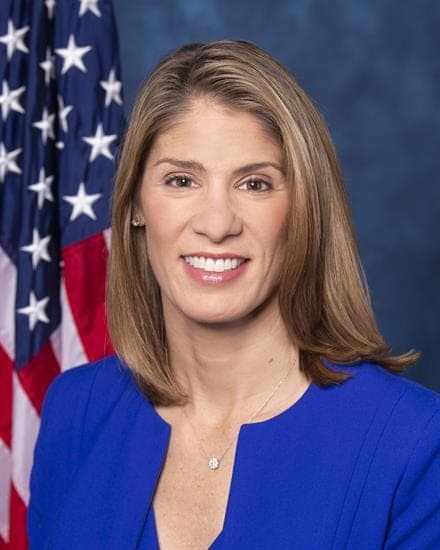
Named as a representative behind the FRONTIER Act
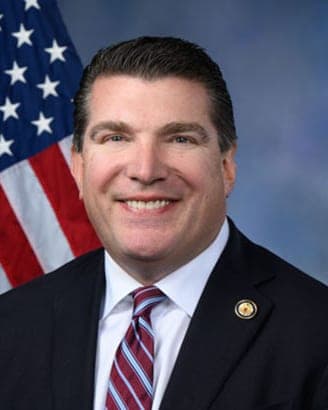
Named as a representative behind the FRONTIER Act
Part of a bigger story
8 OUTLETSKhanna plans to introduce legislation restricting some self-improving AI systems until safeguards and federal oversight are in place. Center outlets focus on the bill’s domestic restrictions and oversight. Unrated coverage also includes Khanna’s call for a U.S.-China treaty and his letters to Chinese AI companies seeking safeguards.
- ARTICLES
- 8
- OUTLETS
- 8
- AVG CRED
- 69
Discussion · 0
Loading comments…