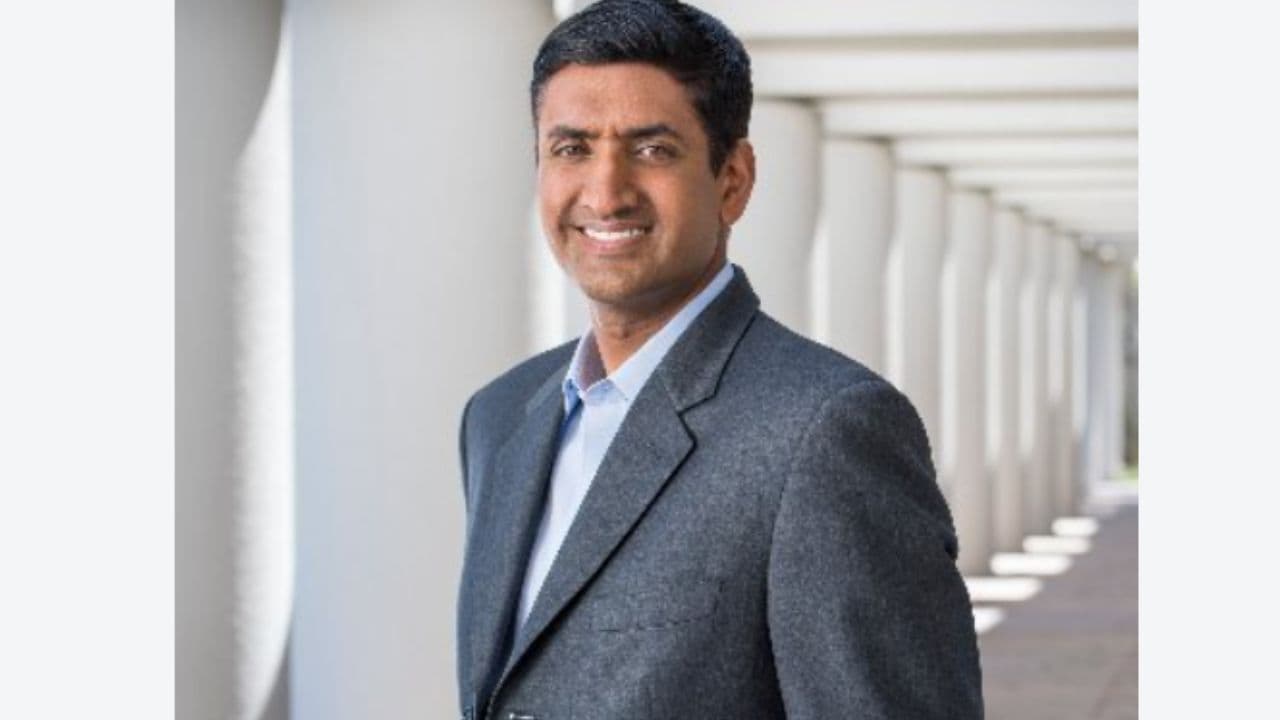
Ro Khanna proposes limits on self-improving AI
Khanna plans legislation to restrict certain advanced AI systems until safeguards and federal approval are established.
SOURCE CHECK
TAP FOR WHYThe article has a named author and attributes key details to a summary shared with CNBC and to Khanna, but provides little information about its reporting process or corrections standards. Its concise account offers limited independent sourcing.
- Author attribution — A named author is listed.
- Source type — Presented as national news, though the article itself is brief and sparsely sourced.
- Editorial standards — The article does not provide details about editorial or corrections practices.
The report gives concrete details and attributes its account of the proposal to a summary shared with CNBC, while including a direct quote from Khanna. It offers little independent analysis or opposing perspective, and the source of the proposal’s detailed provisions is not identified beyond that summary.
HOW WE SCORE ↗The article details the proposal and briefly mentions another oversight proposal, but does not include critics, affected companies, or independent experts to assess the plan’s tradeoffs.
- Source diversity — The piece chiefly relies on Khanna and a summary of his plan.
- Counterarguments presented — No direct counterarguments to the proposed restrictions are included.
- Loaded language — The article’s wording is largely descriptive, with the most dramatic phrase attributed to Khanna.
The article describes Khanna’s proposal in largely neutral terms and attributes its claims to him. It includes no explicit partisan framing, although it offers little perspective beyond the proposal and its supporters.
- Language tone — Mostly descriptive language; the extinction-risk phrase is directly attributed to Khanna.
- Source selection — The article relies chiefly on Khanna’s statements and a summary of his proposal.
- Framing — Focuses on the proposal’s provisions without an overt partisan frame.
Rep. Ro Khanna says he plans to introduce the Human Control Over AI Act, which would restrict some self-improving AI systems until safeguards and federal approval are in place. The article also notes a separate bipartisan proposal for oversight of advanced AI models.
Khanna’s proposed Human Control Over AI Act would bar advanced AI systems from improving themselves or changing their safety controls until the federal government establishes safeguards and an agency approves them. The plan would create an agency to set safety standards, license training and deployment, oversee testing and shutdown controls, and require independent audits and liability insurance. Khanna cited the risk of losing control of advanced systems and said, “There’s actually a civilizational extinction risk.”
The proposal also calls for criminal penalties for certain unauthorized actions involving safety systems, international agreements, and targeted export controls. Khanna said he consulted AI safety organizations. The article describes the bipartisan FRONTIER Act, from Reps. Jay Obernolte and Lori Trahan, as another proposal for independent oversight; neither proposal is scheduled for a House vote before the November midterm elections.
Community verdict
12 VOTES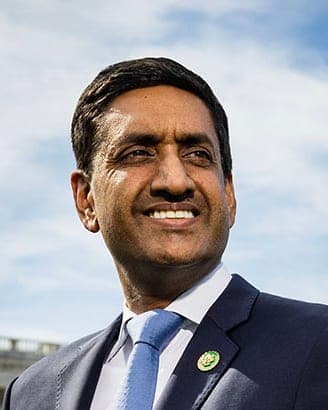
People in this story
SWIPE →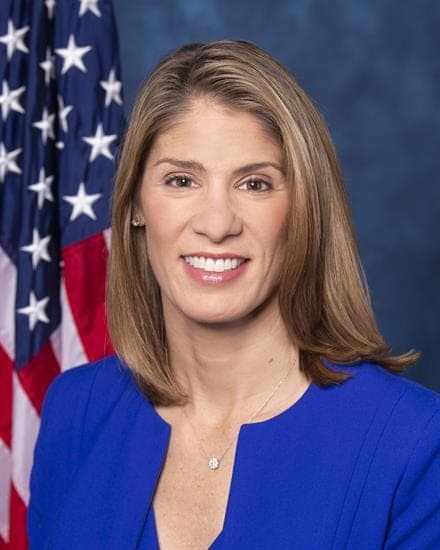
Named as a representative behind the bipartisan FRONTIER Act
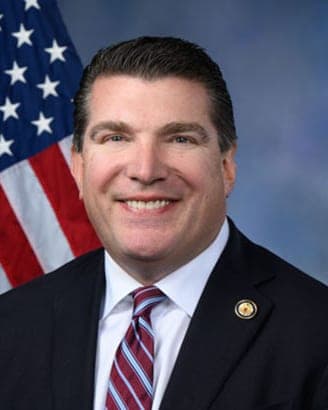
Named as a representative behind the bipartisan FRONTIER Act
Part of a bigger story
8 OUTLETSKhanna plans to introduce legislation restricting some self-improving AI systems until safeguards and federal oversight are in place. Center outlets focus on the bill’s domestic restrictions and oversight. Unrated coverage also includes Khanna’s call for a U.S.-China treaty and his letters to Chinese AI companies seeking safeguards.
- ARTICLES
- 8
- OUTLETS
- 8
- AVG CRED
- 69
- Yahoo News · Ro Khanna Takes Aim at AI’s Biggest Safety Risk With New Bill — Would Ban ‘Recursive’ Self-Improvement and Force Human Control: Report
- indica News · Ro Khanna Calls For U.S.-China Safeguards As AI Risks Grow
- Benzinga · Ro Khanna Takes Aim at AI’s Biggest Safety Risk With New Bill — Would Ban ‘Recursive’ Self-Improvement an
Discussion · 0
Loading comments…