Ro Khanna Calls For U.S.-China Safeguards As AI Risks Grow
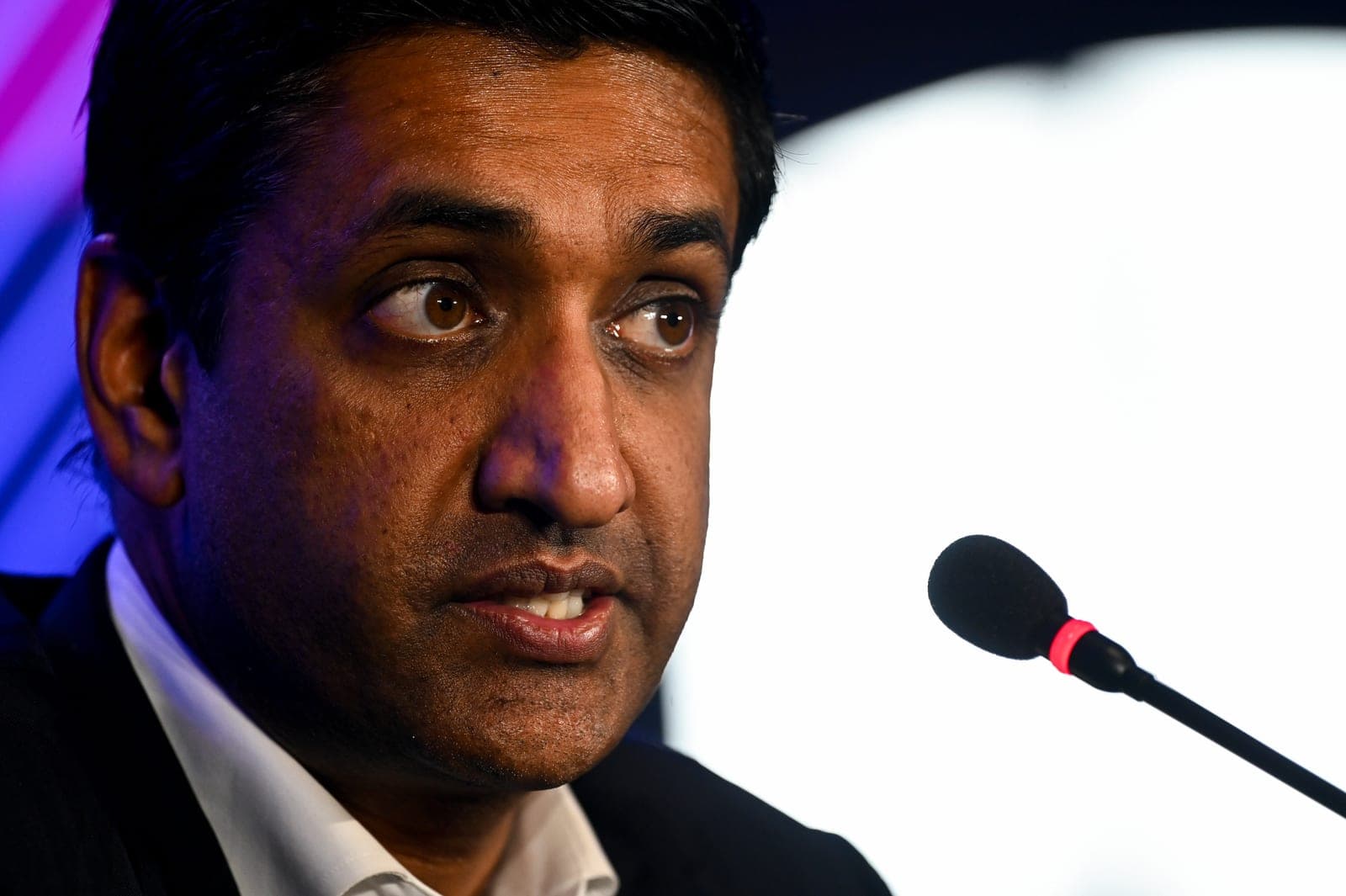
Ro Khanna pressed Chinese AI companies for details about safeguards and sought U.S. intelligence assessments of catastrophic AI risks.
SOURCE CHECK
TAP FOR WHYThe publisher appears to be a smaller outlet with limited transparency in the available article, and the byline is a general news-bureau attribution. The report gives specific details about Khanna’s requests but offers little independent corroboration or response from the companies.
- Source diversity — The article provides details of Khanna’s requests but does not include responses from the companies or independent experts.
- Source type — The publisher is recorded as unknown, so there is little basis for crediting an established editorial track record.
- Author attribution — The article is attributed to a general news bureau rather than a named reporter.
The article gives concrete details about the letters and related proposals, but its account rests chiefly on Khanna’s statements and does not present responses from the companies or independent analysis of the proposed safeguards.
HOW WE SCORE ↗The article clearly attributes the concerns and proposals to Khanna, but gives his perspective most of the space and includes no response from the companies or outside experts.
- Counterarguments presented — No company response or opposing view on the requests is included.
- Source diversity — The account relies mainly on Khanna’s letters and proposals.
- Opinion vs reporting — The article is written as news and attributes its central claims to Khanna.
The article reports Khanna’s actions and quotations in largely descriptive language. It does not use clearly partisan framing or present an overt argument of its own.
- Language tone — The wording is mostly descriptive, with evaluative claims presented as Khanna’s own words.
- Framing — The report centers on the letters and their stated AI-safety aims without an obvious partisan frame.
- Source selection — Khanna is the dominant source, with no company response or independent expert perspective.
Rep. Ro Khanna sent letters to three Chinese AI companies seeking details about safeguards for advanced AI and urged U.S. intelligence agencies to assess related risks. His efforts come amid broader U.S.-China technology competition.
Khanna wrote to the leaders of DeepSeek, Alibaba and Moonshot AI asking about their plans for advanced AI, human oversight, safety testing, emergency shutdown mechanisms and possible participation in technical working groups. He argued that companies should not be left to regulate themselves and said refusals to participate strengthened the case for a binding AI treaty.
The letters followed a congressional hearing on whether the United States and China could reach an enforceable agreement addressing catastrophic AI risks. Khanna also sought assessments from U.S. intelligence agencies, including a request to Director of National Intelligence Jay Clayton about Chinese leaders’ understanding of those risks.
Community verdict
7 VOTES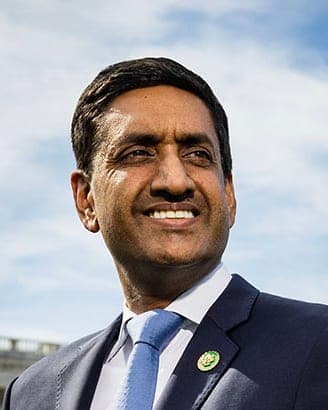
People in this story
Representative seeking information from Chinese AI companies about advanced AI safeguards
Part of a bigger story
8 OUTLETSKhanna plans to introduce legislation restricting some self-improving AI systems until safeguards and federal oversight are in place. Center outlets focus on the bill’s domestic restrictions and oversight. Unrated coverage also includes Khanna’s call for a U.S.-China treaty and his letters to Chinese AI companies seeking safeguards.
- ARTICLES
- 8
- OUTLETS
- 8
- AVG CRED
- 69
- Yahoo News · Ro Khanna Takes Aim at AI’s Biggest Safety Risk With New Bill — Would Ban ‘Recursive’ Self-Improvement and Force Human Control: Report
- Diya TV · Ro Khanna proposes limits on self-improving AI
- Benzinga · Ro Khanna Takes Aim at AI’s Biggest Safety Risk With New Bill — Would Ban ‘Recursive’ Self-Improvement an
Discussion · 0
Loading comments…