15 stories credited to CNBC
1 story on cnbc.com credited to other publishers
Latest story Sep 23, 2026 · on ChamberLight since Apr 2026
A story can appear as several articles (copies of the same piece), so counts of stories and of articles differ.
Scores for CNBC
Political lean
15 stories · 95% range 46–53 · updated Sep 25, 2026
Originality
16 stories · updated Sep 25, 2026
Writing quality 84 of 100: the average rating of 14 stories, each rated on its own (separate from credibility). How it is measured
Scores last checked Sep 25, 2026.
Articles this site reproduces
How provenance is decidedOriginal publishers of articles on cnbc.com
Counted from articles on cnbc.com whose original publisher is verified from the page itself or confirmed by an independent signal.
Part of NBC Universal
Other domains in the group, with the stories credited to each:
Stories ChamberLight collected, by month
Stories credited to CNBC, by publication date. ChamberLight collects articles that mention the officials it tracks, so this shows its own coverage of this source, not how much the source publishes.
- Stories from CNBC
- Shaded: ChamberLight collected no stories, or almost none, from any outlet (a gap in its collection, not in the outlet’s publishing)
Show as a table
| Month | Stories | All outlets |
|---|---|---|
| February 2026 | 1 | 144 |
| March 2026 | 0 | 1,094 |
| April 2026 | 8 | 4,538 |
| May 2026 | 0 | none collected |
| June 2026 | 0 | none collected |
| July 2026 | 0 | none collected |
| August 2026 | 0 | 1 (collection gap) |
| September 2026 | 6 | 1,320 |
Top topics
Share of this source’s stories tagged with each topic. A story can carry several topics, so the shares do not add up to 100%.
- Economy7
47% of 15 stories · 26% across all outlets
- Budget/Spending6
40% of 15 stories · 31% across all outlets
- Ethics/Corruption6
40% of 15 stories · 58% across all outlets
- Technology/Privacy4
27% of 15 stories · 10% across all outlets
- Infrastructure3
20% of 15 stories · 8% across all outlets
- Taxes3
20% of 15 stories · 5% across all outlets
- Voting Rights3
20% of 15 stories · 19% across all outlets
- Criminal Justice2
13% of 15 stories · 19% across all outlets
The thin mark on each bar is the topic’s share across all outlets.
Who they cover
Party of the officials these stories are mainly about, across all 20 officials named. A story counts once for each official it is mainly about, so the split is over 22 story–official pairs, from 15 stories.
- Democrat55% · 12 pairs
- Republican45% · 10 pairs
Most covered
Stories mainly about each official, and their share of the source’s 15 stories.
- 1Martin HeinrichD3 stories · 20%
- 2Chip RoyR1 story · 7%
- 3David KustoffR1 story · 7%
- 4David ScottD1 story · 7%
- 5George LatimerD1 story · 7%
- 6John CornynR1 story · 7%
- 7Jon HustedR1 story · 7%
- 8Josh HawleyR1 story · 7%
- 9Joyce BeattyD1 story · 7%
- 10Kristen McDonald RivetD1 story · 7%
+ 10 other officials (10 story–official pairs)
Article tone
ChamberLight’s article analysis assigns each story a tone toward the official it covers. It describes the coverage of that official, not CNBC’s stance, and reader votes do not change it. 15 stories.
- Good Look
- 3 (20%)
- Mixed
- 10 (67%)
- Informational
- 1 (7%)
- Bad Look
- 1 (7%)
Related sources
Lean 95% range 46–49 · updated Sep 25, 2026
Same organization
Lean 95% range 48–51 · updated Sep 25, 2026
Similar lean · 3 shared topics
Lean 95% range 48–51 · updated Sep 25, 2026
Similar lean · 2 shared topics
Lean 95% range 48–51 · updated Sep 25, 2026
Similar lean · 3 shared topics
Lean 95% range 48–50 · updated Sep 25, 2026
Similar lean · 3 shared topics
Lean 95% range 48.9–49.4 · updated Sep 25, 2026
Similar lean · 3 shared topics
Challenges to these scores
No one has challenged a score on this page yet. Anyone can; editors publish every outcome here.
Articles served from cnbc.com
24
Flock, Axon dodge Senate hearing after invite from Chair Josh Hawley
Prior to the hearing about the surveillance technology companies, Sen. Josh Hawley, R-Mo., suggested the executives could face subpoenas.
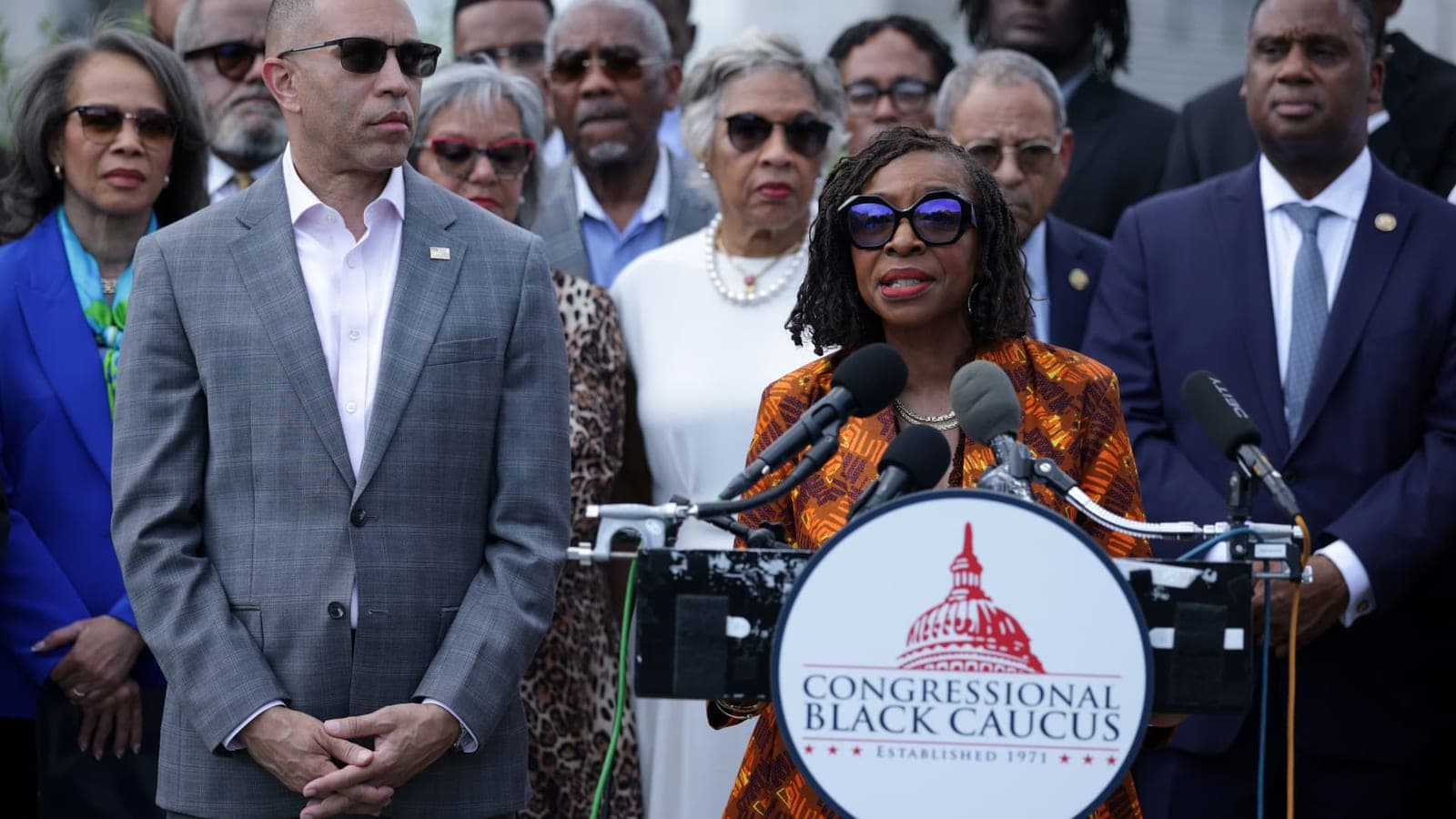
AI, data center alarms dominate Congressional Black Caucus week in Washington
AI interests pro and con turned out for the Congressional Black Caucus's annual gathering in Washington as the topics — plus redistricting concerns — dominated.
AI, data center alarms dominate Congressional Black Caucus week in Washington
AI interests pro and con turned out for the Congressional Black Caucus's annual gathering in Washington as the topics — plus redistricting concerns — dominated.
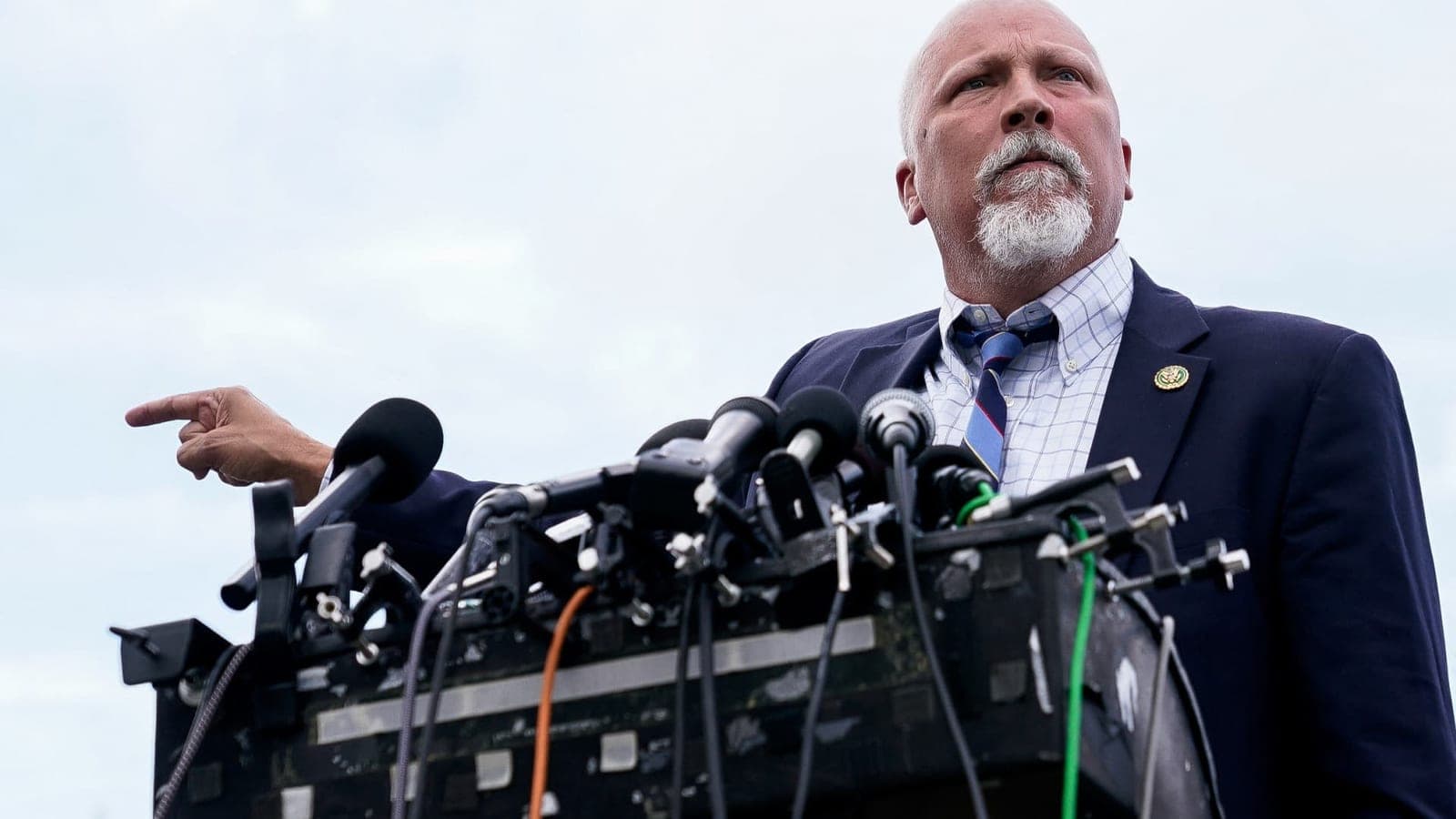
Rep. Chip Roy doesn't want to regulate AI, but says Congress should have an oversight role
In an appearance on CNBC's "Squawk Box," Rep. Chip Roy, R-Texas, said he supports congressional hearings on AI, but wasn't keen on additional regulations.
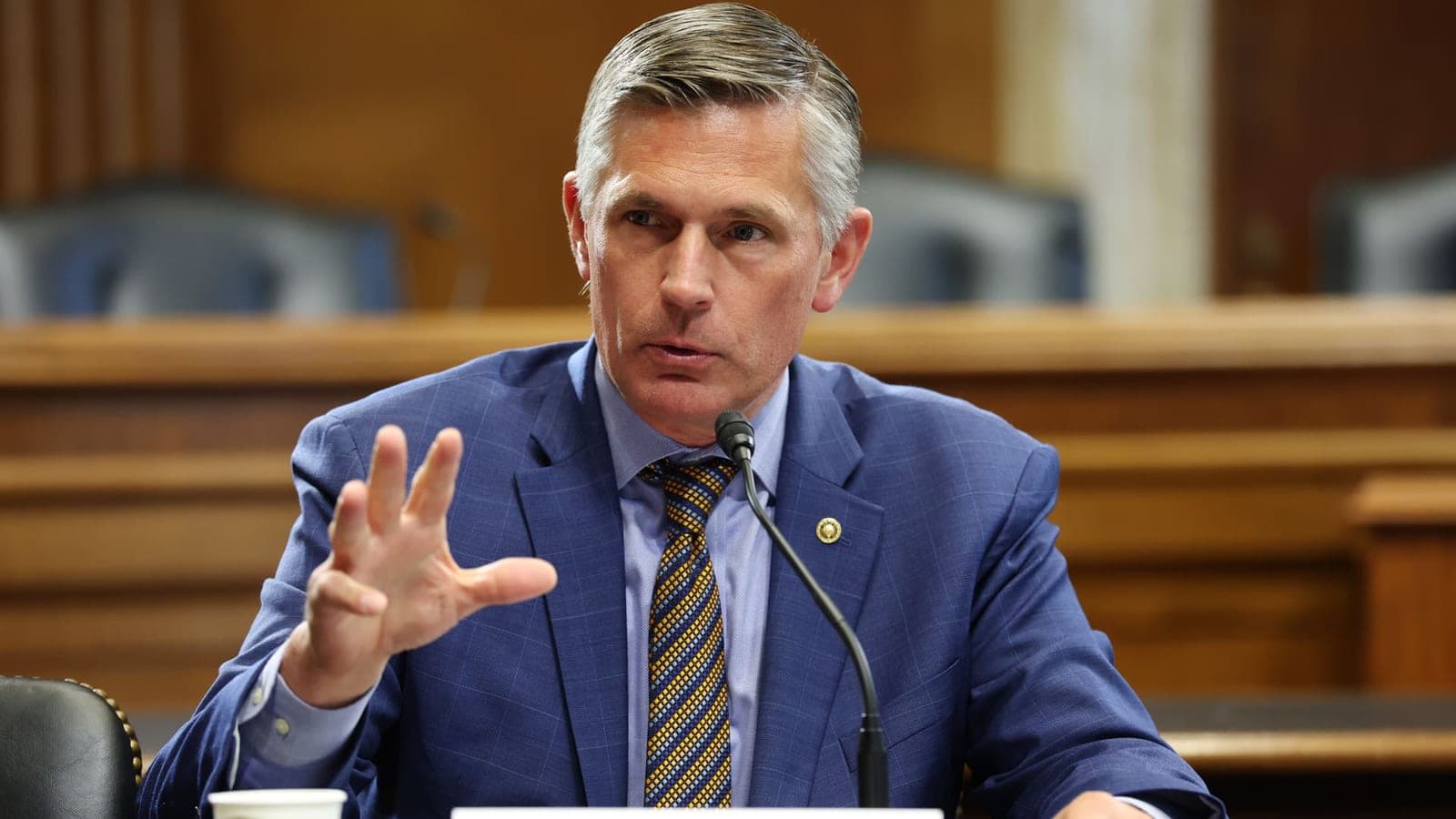
Bill to curb AI data center utility costs hits snag in Senate
Sen. Martin Heinrich, D-N.M., blocked bipartisan legislation aimed at reining in data center-related utility cost increases, calling the bill a half-measure.
Bill to curb AI data center utility costs hits snag in Senate
Sen. Martin Heinrich, D-N.M., blocked bipartisan legislation aimed at reining in data center-related utility cost increases, calling the bill a half-measure.

Trump photo appears to reference Kennedy Center demolition, judge orders advance notice of any move to knock it down
President Donald Trump wants his name on the Kennedy Center. But a judge has ruled it cannot be placed there without authorization by Congress.
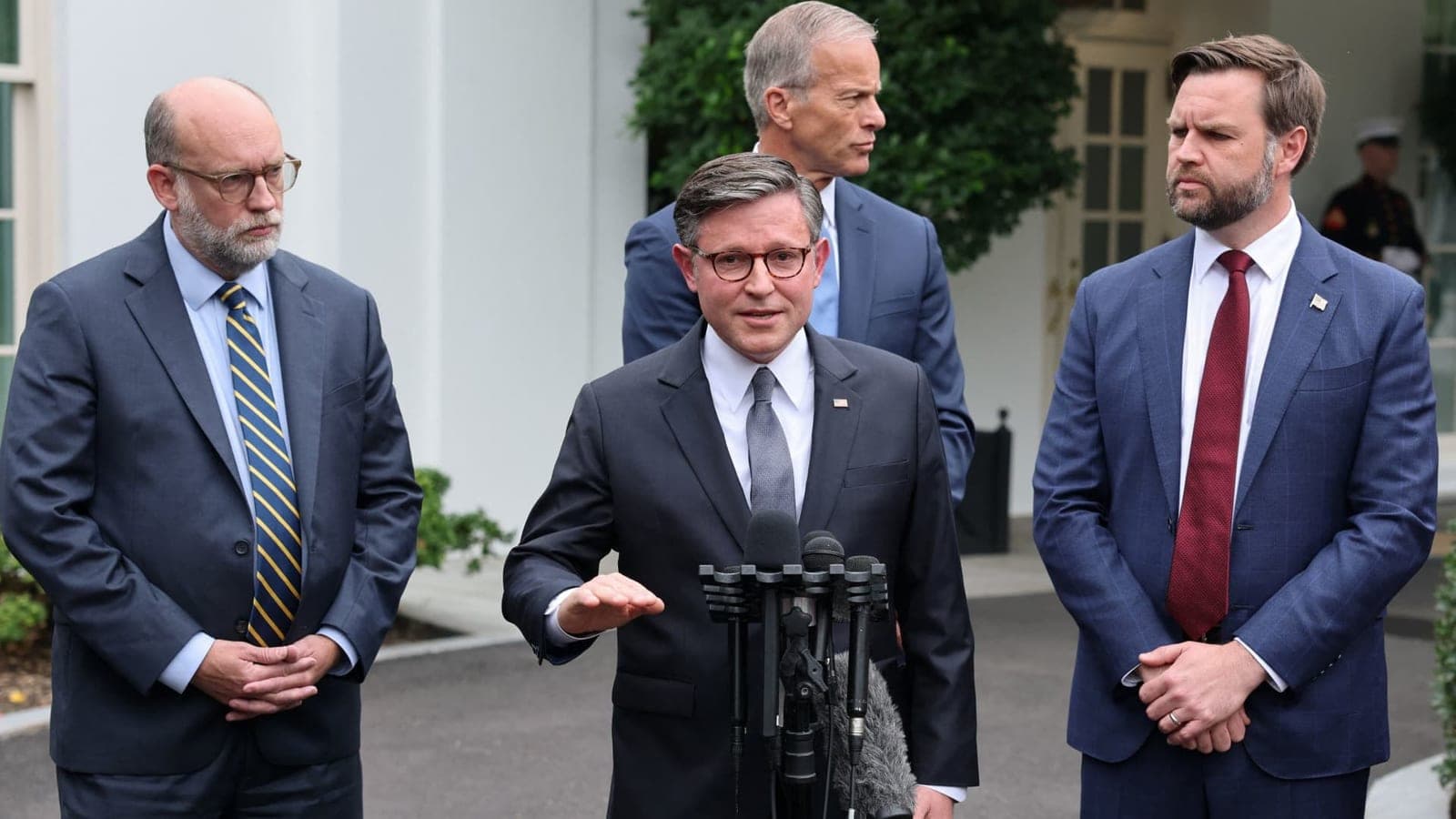
Why the election could make Washington's looming next fiscal crisis harder
* The U.S. could breach the debt ceiling at some point in 2027. Fixing it could be hard. * If Democrats capture one or both chambers of Congress in November's midterm election, it would open the door to a standoff as the party tries to extract policy wins from Republican President Donald Trump in e

RFK Jr. says he would support a potential ban on junk food TV ads
Health and Human Services Secretary Robert F. Kennedy Jr. on Wednesday said he would support a potential ban on junk food advertisements on TV in the U.S. That effort would likely draw fierce backlash from major food manufacturers. But Kennedy also implied that he would want the effort to be voluntary for food companies. Health and Human Services Secretary Robert F. Kennedy Jr. on Wednesday said he would support a potential ban on junk food TV advertisements in the U.S. – an effort that would likely draw fierce backlash from major food manufacturers. Speaking at a Senate Health, Education, Labor, and Pensions (HELP) Committee hearing, ranking member Sen. Bernie Sanders, I-Vt., said President Donald Trump's nominee for surgeon general, Casey Means, had recently told the panel she supports banning junk food ads on TV. When asked whether he agrees with a ban, Kennedy said, "I would support that." But Kennedy also appeared to imply that he would want the effort to be voluntary for food companies. "The only hesitation I have was ... we tried to do a smoking ban on TV, and the tobacco companies voluntarily came to the table, which was a good thing," he said. "And I think the same arguments apply for junk food, [which is] probably even worse for Americans than smoking." Food, beverage and restaurant companies spend almost $14 billion per year on food ads in the U.S., with more than 80% promoting fast food, sugary drinks, candy, and unhealthy snacks, 2017 research from the University of Connecticut's Rudd Center for Food Policy and Health shows. It is not clear how trends have changed in the years since. The Trump administration is already exploring whether to limit food companies' ability to market certain unhealthy foods to children, according to a "Make America Healthy Again" strategy document released by the White House in September. HHS, the Federal Trade Commission and other agencies will consider establishing food industry guidelines on marketing to children, "including the evaluation of misleading claims and imagery," the document said. Two decades ago, the food industry launched The Children's Food and Beverage Advertising Initiative as a commitment to only advertise products that met certain nutrition parameters to kids under the age of 12. But the initiative is voluntary, and children still view about 1,000 television commercials annually for unhealthy food and drinks, according to a study from the University of Illinois Chicago from 2024. Kennedy's testimony before the HELP committee is the last in a string of congressional hearings for him over the past two weeks around the proposed HHS budget for fiscal year 2027. Means, during her Senate confirmation hearing in February, had stated she would "absolutely lend" her voice to support a ban on television advertisements for junk food aimed at children. — CNBC's Amelia Lucas contributed to this report
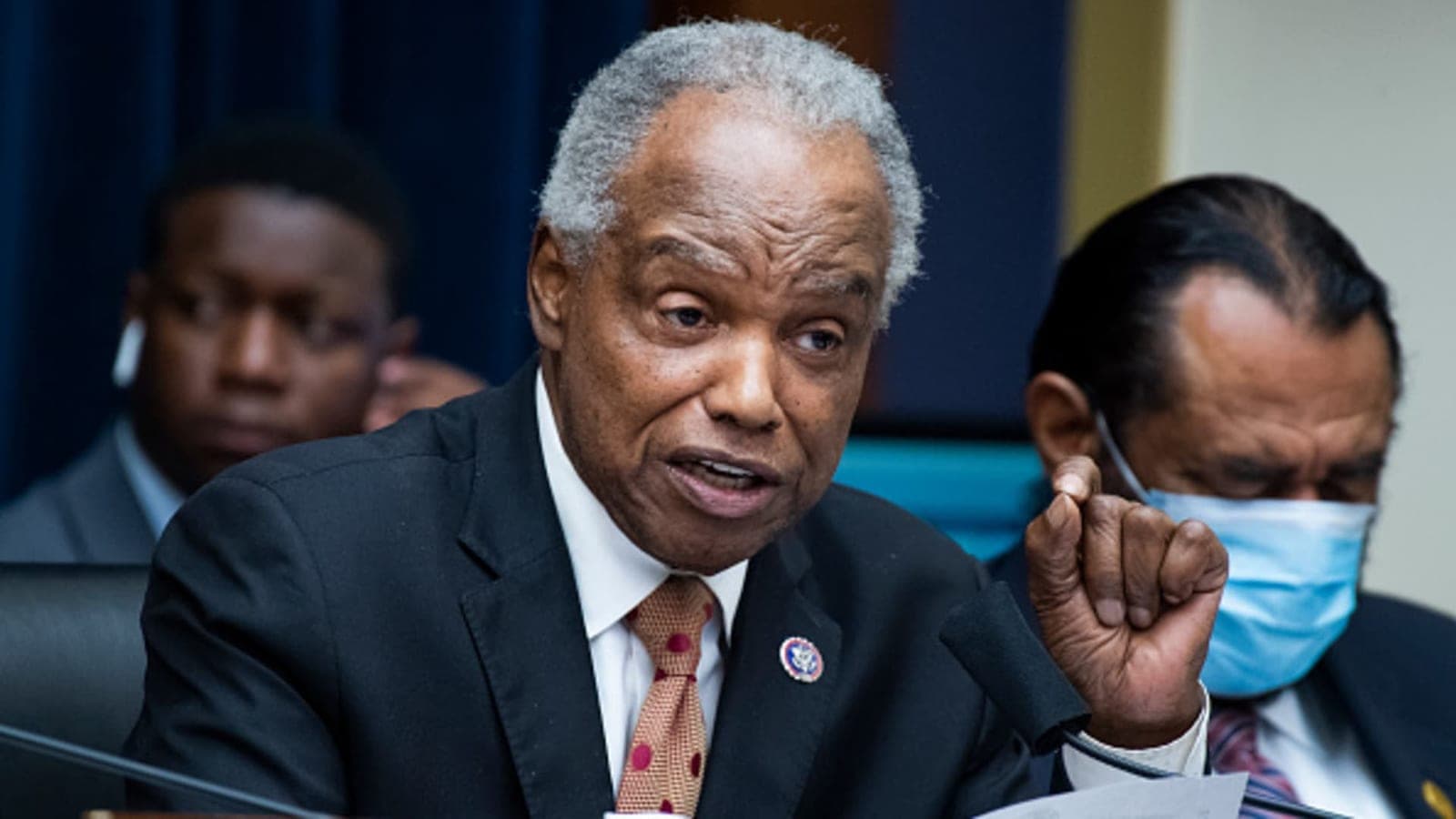
Rep. David Scott, a Georgia Democrat seeking his 13th term in Congress, dies at age 80
U.S. Rep. David Scott, a Georgia Democrat and the first Black chairman of the House Agriculture Committee, has died at age 80.

House Republican proposes small-business tax cut to pair with GOP federal budget package
Rep. David Kustoff, R-Tenn., introduced a bill — shared first with CNBC — that would increase the qualified business income deduction from 20% to 23% for small-business owners. Kustoff, a member of the House Ways and Means Committee, said he's hopeful that such a proposal could be added to an upcoming Republican federal spending package. Republicans are pursuing legislation to fully fund the Department of Homeland Security, and some lawmakers are optimistic tax and other priorities might be included in the current or subsequent packages. Rep. David Kustoff, a Republican member of the House committee that writes tax policy, introduced a bill Tuesday to lower taxes on small businesses in a bid to add tax policy to the GOP Homeland Security funding effort. The Tennessee lawmaker first shared the bill with CNBC. It would increase the qualified business income deduction for noncorporate business owners to 23%, up from the 20% that was adopted as part of President Donald Trump's 2017 overhaul of the U.S. tax code. "This bill is good policy. It benefits small businesses across the country. It benefits family farms," Kustoff, a member of the House Ways and Means Committee, said in an interview with CNBC. Kustoff's proposal, which has six House GOP co-sponsors, was introduced the same day Senate Republicans released legislative language kick-starting the process to fund part of the Department of Homeland Security, which has been shut down since February. Republican leaders are planning to use the budget reconciliation process to fund the parts of DHS that Democrats have objected to in protest over what they consider overaggressive immigration enforcement policies. Budget reconciliation is a procedural tool used to pass spending-related matters that requires a simple 50-vote majority in the Senate, as opposed to the 60 votes normally required to overcome a filibuster. It's the same process Republicans used in 2025 to pass their massive tax and spending package known as the "one big beautiful bill." That budget reconciliation resolution introduced Tuesday did not give instructions to tax-writing committees in the House or Senate, but Kustoff said there is a possibility for amendments to the bill before passage. And there is talk about subsequent budget reconciliation bills before the end of this Congress, which could provide additional opportunities for Republicans to pursue tax and spending priorities that otherwise are unlikely to garner Democratic support. "It's moving in real time," Kustoff said, of the reconciliation process. "And that's a reason I thought, and my colleagues thought, that this bill should be filed now. There's a possibility that we could get on the reconciliation train." The idea of a deduction for small businesses itself was meant to balance out the tax cuts given to larger corporations as part of the 2017 GOP tax bill, Kustoff said. The Tax Cuts and Jobs Act reduced the federal corporate income tax rate from 35% to 21%. The 20% small-business deduction was made permanent in the 2025 Republican tax and spending bill. But the proposal could be expensive. The Joint Committee on Taxation, a nonpartisan congressional panel that assists tax writers, estimated in December 2023 that the 20% deduction would reduce federal tax revenues by $57.6 billion in 2024 and $60.9 billion in 2025. Still, Kustoff said he is optimistic there could be broad Republican support, though if it were included in reconciliation legislation, proponents would need to find a "pay-for" — something to cut spending or increase revenue — to offset to the cost. "I make the argument, though, that the benefits, from a revenue standpoint, would offset the cost," Kustoff said.

Senate overturns Boundary Waters protections, a boon for Chilean mining company
The Senate on Thursday overturned a mining moratorium in Minnesota's Superior National Forest, a boon for a Chilean mining conglomerate Antofagasta. The chamber voted 50-49 to overturn a 20-year protection imposed by President Joe Biden in 2023, clearing the way for a long-stalled mine project proposed by Twin Metals Minnesota to restart plans to access the immense mineral stores in the Superior National Forest near the Boundary Waters Canoe Area. The vote came over the objection of Democrats and two Republicans, Sens. Thom Tillis of North Carolina and Susan Collins of Maine, who warned of irreparable harm to the Boundary Waters. The Senate on Thursday overturned a mining moratorium in Minnesota's Superior National Forest, a boon for a Chilean mining company subsidiary and a stinging loss for environmentalists trying to protect the Boundary Waters Canoe Area Wilderness. The chamber voted 50-49 to overturn a protection imposed by President Joe Biden in 2023 that he set for 20 years. It clears the way for a long-stalled mine project proposed by Twin Metals Minnesota to restart plans to access the immense stores of copper and other minerals in the Superior National Forest near the Boundary Waters. It's the latest step in a long battle over mining in the area, which has seesawed for years between Democratic and Republican administrations as environmental groups warn the project could pollute the country's most visited wilderness area. The mine sought by Twin Metals, a subsidiary of Chilean mining conglomerate Antofagasta, seeks to access copper, nickel, cobalt and platinum buried deep under the Superior National Forest. While the site itself is outside of the Boundary Waters and the company dismisses pollution concerns, opponents say it would inevitably spill toxic chemicals into the Boundary Waters. "Twin Metals Minnesota is one of several companies focused on responsibly developing the minerals in the Duluth Complex, which is the world's largest known undeveloped copper, nickel, cobalt and platinum group metals deposit," Twin Metals spokesperson Kathy Graul said in a statement to CNBC. "A significant portion of these resources were locked up as a result of the mineral withdrawal enacted in 2023, negatively impacting communities across the Iron Range." "The Twin Metals team looks forward to a robust discussion and engagement with our communities through any future regulatory processes," Graul added. Republicans who pushed the resolution lauded the result. The change went forward under the Congressional Review Act procedure that allows Congress to undo new executive rulemakings by a simple majority vote. It cleared the House in January. "A major victory for America and Minnesota's 8th Congressional District was secured today," Rep. Pete Stauber, R-Minn., said in a post to X. "The Senate just passed my bill to reverse Biden's illegal mining ban in the Superior National Forest – it's now headed to the President's desk!" The vote came over the objection of Democrats and two Republicans, Sens. Thom Tillis of North Carolina and Susan Collins of Maine, who warned of irreparable harm to the Boundary Waters and irregular use of the Congressional Review Act that could come back to bite the now-majority Republicans if Democrats control the Senate. The Boundary Waters was established as a federal wilderness area by a 1978 law. Motorized boats and other vehicles are mostly prohibited on the nearly 2,000 lakes spanning 1.1 million acres in northeastern Minnesota bordering Canada. Sen. Martin Heinrich, D-N.M., the ranking member of the Senate Energy and Natural Resources Committee, said the vote was a "dark day" and a "stain" on the Senate. "I can tell you, as somebody who has been a natural resources trustee, who has had to negotiate with copper companies in my own state, that this type of copper mining has never been done without polluting the water. Never, not once," he said in a floor speech prior to the vote. "So we're guaranteeing that we're going to pollute the Boundary Waters." The resolution was also passed over the objections of the Minnesota Senate delegation, Sens. Amy Klobuchar and Tina Smith, who are both Democrats. "You can support mining, but that does not mean that you support every mine in every place," Smith said. "Whatever the outcome of this vote this afternoon, we will not stop fighting, and we will not stop our work to protect the Boundary Waters." Overturning the mining moratorium also drew considerable outside pressure, including from figures like actor Nick Offerman. "Enjoying the Minnesotan/Canadian wilderness by canoe or other lesser watercraft is one of our nations greatest available pastimes, and one I have personally enjoyed my entire life," Offerman said in a post to X on Wednesday. "We must protect these public lands from the rapacious capitalists threatening to turn them into a poisoned wasteland." Ingrid Lyons, executive director of the advocacy group Save the Boundary Waters, said the vote goes against the will of Minnesotans. "Today is a dark day for America's most beloved Wilderness area, the Boundary Waters Canoe Area Wilderness, and a stark warning call for public lands nationwide," she said in a statement. "Minnesotans and the American public writ large have been loud and clear — this iconic place needs to be protected. Today, by the very people who claim to represent them, they were ignored, and even worse, silenced." Public lands have been a flashpoint during this Congress. Some Republicans pushed to sell off a large portion of federally owned property as part of their tax and spending bill last year, which was quashed after the resistance of outdoor and hunting groups and the staunch opposition of members of the Montana delegation. The bill now heads to President Donald Trump's desk. He is expected to sign it.
Senate overturns Boundary Waters protections, a boon for Chilean mining company
The Senate on Thursday overturned a mining moratorium in Minnesota's Superior National Forest, a boon for a Chilean mining conglomerate Antofagasta. The chamber voted 50-49 to overturn a 20-year protection imposed by President Joe Biden in 2023, clearing the way for a long-stalled mine project proposed by Twin Metals Minnesota to restart plans to access the immense mineral stores in the Superior National Forest near the Boundary Waters Canoe Area. The vote came over the objection of Democrats and two Republicans, Sens. Thom Tillis of North Carolina and Susan Collins of Maine, who warned of irreparable harm to the Boundary Waters. The Senate on Thursday overturned a mining moratorium in Minnesota's Superior National Forest, a boon for a Chilean mining company subsidiary and a stinging loss for environmentalists trying to protect the Boundary Waters Canoe Area Wilderness. The chamber voted 50-49 to overturn a protection imposed by President Joe Biden in 2023 that he set for 20 years. It clears the way for a long-stalled mine project proposed by Twin Metals Minnesota to restart plans to access the immense stores of copper and other minerals in the Superior National Forest near the Boundary Waters. It's the latest step in a long battle over mining in the area, which has seesawed for years between Democratic and Republican administrations as environmental groups warn the project could pollute the country's most visited wilderness area. The mine sought by Twin Metals, a subsidiary of Chilean mining conglomerate Antofagasta, seeks to access copper, nickel, cobalt and platinum buried deep under the Superior National Forest. While the site itself is outside of the Boundary Waters and the company dismisses pollution concerns, opponents say it would inevitably spill toxic chemicals into the Boundary Waters. "Twin Metals Minnesota is one of several companies focused on responsibly developing the minerals in the Duluth Complex, which is the world's largest known undeveloped copper, nickel, cobalt and platinum group metals deposit," Twin Metals spokesperson Kathy Graul said in a statement to CNBC. "A significant portion of these resources were locked up as a result of the mineral withdrawal enacted in 2023, negatively impacting communities across the Iron Range." "The Twin Metals team looks forward to a robust discussion and engagement with our communities through any future regulatory processes," Graul added. Republicans who pushed the resolution lauded the result. The change went forward under the Congressional Review Act procedure that allows Congress to undo new executive rulemakings by a simple majority vote. It cleared the House in January. "A major victory for America and Minnesota's 8th Congressional District was secured today," Rep. Pete Stauber, R-Minn., said in a post to X. "The Senate just passed my bill to reverse Biden's illegal mining ban in the Superior National Forest – it's now headed to the President's desk!" The vote came over the objection of Democrats and two Republicans, Sens. Thom Tillis of North Carolina and Susan Collins of Maine, who warned of irreparable harm to the Boundary Waters and irregular use of the Congressional Review Act that could come back to bite the now-majority Republicans if Democrats control the Senate. The Boundary Waters was established as a federal wilderness area by a 1978 law. Motorized boats and other vehicles are mostly prohibited on the nearly 2,000 lakes spanning 1.1 million acres in northeastern Minnesota bordering Canada. Sen. Martin Heinrich, D-N.M., the ranking member of the Senate Energy and Natural Resources Committee, said the vote was a "dark day" and a "stain" on the Senate. "I can tell you, as somebody who has been a natural resources trustee, who has had to negotiate with copper companies in my own state, that this type of copper mining has never been done without polluting the water. Never, not once," he said in a floor speech prior to the vote. "So we're guaranteeing that we're going to pollute the Boundary Waters." The resolution was also passed over the objections of the Minnesota Senate delegation, Sens. Amy Klobuchar and Tina Smith, who are both Democrats. "You can support mining, but that does not mean that you support every mine in every place," Smith said. "Whatever the outcome of this vote this afternoon, we will not stop fighting, and we will not stop our work to protect the Boundary Waters." Overturning the mining moratorium also drew considerable outside pressure, including from figures like actor Nick Offerman. "Enjoying the Minnesotan/Canadian wilderness by canoe or other lesser watercraft is one of our nations greatest available pastimes, and one I have personally enjoyed my entire life," Offerman said in a post to X on Wednesday. "We must protect these public lands from the rapacious capitalists threatening to turn them into a poisoned wasteland." Ingrid Lyons, executive director of the advocacy group Save the Boundary Waters, said the vote goes against the will of Minnesotans. "Today is a dark day for America's most beloved Wilderness area, the Boundary Waters Canoe Area Wilderness, and a stark warning call for public lands nationwide," she said in a statement. "Minnesotans and the American public writ large have been loud and clear — this iconic place needs to be protected. Today, by the very people who claim to represent them, they were ignored, and even worse, silenced." Public lands have been a flashpoint during this Congress. Some Republicans pushed to sell off a large portion of federally owned property as part of their tax and spending bill last year, which was quashed after the resistance of outdoor and hunting groups and the staunch opposition of members of the Montana delegation. The bill now heads to President Donald Trump's desk. He is expected to sign it.
Senate overturns Boundary Waters protections, a boon for Chilean mining company
The Senate on Thursday overturned a mining moratorium in Minnesota's Superior National Forest, a boon for a Chilean mining conglomerate Antofagasta. The chamber voted 50-49 to overturn a 20-year protection imposed by President Joe Biden in 2023, clearing the way for a long-stalled mine project proposed by Twin Metals Minnesota to restart plans to access the immense mineral stores in the Superior National Forest near the Boundary Waters Canoe Area. The vote came over the objection of Democrats and two Republicans, Sens. Thom Tillis of North Carolina and Susan Collins of Maine, who warned of irreparable harm to the Boundary Waters. The Senate on Thursday overturned a mining moratorium in Minnesota's Superior National Forest, a boon for a Chilean mining company subsidiary and a stinging loss for environmentalists trying to protect the Boundary Waters Canoe Area Wilderness. The chamber voted 50-49 to overturn a protection imposed by President Joe Biden in 2023 that he set for 20 years. It clears the way for a long-stalled mine project proposed by Twin Metals Minnesota to restart plans to access the immense stores of copper and other minerals in the Superior National Forest near the Boundary Waters. It's the latest step in a long battle over mining in the area, which has seesawed for years between Democratic and Republican administrations as environmental groups warn the project could pollute the country's most visited wilderness area. The mine sought by Twin Metals, a subsidiary of Chilean mining conglomerate Antofagasta, seeks to access copper, nickel, cobalt and platinum buried deep under the Superior National Forest. While the site itself is outside of the Boundary Waters and the company dismisses pollution concerns, opponents say it would inevitably spill toxic chemicals into the Boundary Waters. "Twin Metals Minnesota is one of several companies focused on responsibly developing the minerals in the Duluth Complex, which is the world's largest known undeveloped copper, nickel, cobalt and platinum group metals deposit," Twin Metals spokesperson Kathy Graul said in a statement to CNBC. "A significant portion of these resources were locked up as a result of the mineral withdrawal enacted in 2023, negatively impacting communities across the Iron Range." "The Twin Metals team looks forward to a robust discussion and engagement with our communities through any future regulatory processes," Graul added. Republicans who pushed the resolution lauded the result. The change went forward under the Congressional Review Act procedure that allows Congress to undo new executive rulemakings by a simple majority vote. It cleared the House in January. "A major victory for America and Minnesota's 8th Congressional District was secured today," Rep. Pete Stauber, R-Minn., said in a post to X. "The Senate just passed my bill to reverse Biden's illegal mining ban in the Superior National Forest – it's now headed to the President's desk!" The vote came over the objection of Democrats and two Republicans, Sens. Thom Tillis of North Carolina and Susan Collins of Maine, who warned of irreparable harm to the Boundary Waters and irregular use of the Congressional Review Act that could come back to bite the now-majority Republicans if Democrats control the Senate. The Boundary Waters was established as a federal wilderness area by a 1978 law. Motorized boats and other vehicles are mostly prohibited on the nearly 2,000 lakes spanning 1.1 million acres in northeastern Minnesota bordering Canada. Sen. Martin Heinrich, D-N.M., the ranking member of the Senate Energy and Natural Resources Committee, said the vote was a "dark day" and a "stain" on the Senate. "I can tell you, as somebody who has been a natural resources trustee, who has had to negotiate with copper companies in my own state, that this type of copper mining has never been done without polluting the water. Never, not once," he said in a floor speech prior to the vote. "So we're guaranteeing that we're going to pollute the Boundary Waters." The resolution was also passed over the objections of the Minnesota Senate delegation, Sens. Amy Klobuchar and Tina Smith, who are both Democrats. "You can support mining, but that does not mean that you support every mine in every place," Smith said. "Whatever the outcome of this vote this afternoon, we will not stop fighting, and we will not stop our work to protect the Boundary Waters." Overturning the mining moratorium also drew considerable outside pressure, including from figures like actor Nick Offerman. "Enjoying the Minnesotan/Canadian wilderness by canoe or other lesser watercraft is one of our nations greatest available pastimes, and one I have personally enjoyed my entire life," Offerman said in a post to X on Wednesday. "We must protect these public lands from the rapacious capitalists threatening to turn them into a poisoned wasteland." Ingrid Lyons, executive director of the advocacy group Save the Boundary Waters, said the vote goes against the will of Minnesotans. "Today is a dark day for America's most beloved Wilderness area, the Boundary Waters Canoe Area Wilderness, and a stark warning call for public lands nationwide," she said in a statement. "Minnesotans and the American public writ large have been loud and clear — this iconic place needs to be protected. Today, by the very people who claim to represent them, they were ignored, and even worse, silenced." Public lands have been a flashpoint during this Congress. Some Republicans pushed to sell off a large portion of federally owned property as part of their tax and spending bill last year, which was quashed after the resistance of outdoor and hunting groups and the staunch opposition of members of the Montana delegation. The bill now heads to President Donald Trump's desk. He is expected to sign it.

Airline CEOs urged by lawmaker to lower fares if fuel prices come down
Airlines have raised airfare, fuel surcharges and baggage fees this year to help cover a surge in fuel costs since the U.S. and Israel first struck Iran on Feb. 28. U.S. Rep. Ritchie Torres, D-N.Y., urged the CEOs of the biggest U.S. carriers — Delta Air Lines, JetBlue Airways, United Airlines and Southwest Airlines — to bring fares down when fuel prices drop. Fuel is airlines' biggest expense after labor. A U.S. lawmaker is urging the CEOs of the country's largest airlines to lower prices if and when the cost of jet fuel declines after a massive run-up this year prompted carriers to raise surcharges, bag fees and fares. "If airline pricing is truly tied to global fuel costs, then it must be truly responsive when those costs decline," U.S. Rep Ritchie Torres, D-N.Y., wrote to the CEOs of Delta Air Lines, United Airlines, JetBlue Airways and Southwest Airlines, according to a letter that was seen by CNBC. "I call on you to publicly commit to lowering costs associated with air travel should jet fuel prices decline. The American people deserve fairness and pricing models that do not only reflect market conditions, but also economic justice." Fuel is airlines' biggest expense after labor. Jet fuel reached an average of $4.88 a gallon in New York, Houston, Chicago and Los Angeles on April 2, according to Argus, up about 95% since the Feb. 28 attacks by the U.S. and Israel on Iran started. The climb was steeper in other regions that don't produce as much oil or jet fuel as the U.S. United declined to comment. The other carriers didn't immediately respond for requests for comment. Delta reported a $2 billion headwind from fuel this quarter and said it would "meaningfully" scale back its capacity plans, something other carriers are likely to discuss when they report results next week. Lower capacity can drive up fares, especially if demand remains robust. A drop in fuel prices, meanwhile, can encourage airlines to expand capacity, doing the opposite to pricing. When asked what will happen if fuel prices decline from recent highs, Delta CEO Ed Bastian last week said that "fuel recapture is going to be important. No matter what we do, and the degree in which we can retain any of the pricing strength that we talked about from industry rationalization, that will certainly help us boost our margins this year and clearly into next year as well." Delta, United, Southwest, JetBlue, American Airlines and Alaska Airlines have all raised bag fees since the attacks began, while airlines around the world have posted higher airfare and surcharges. Consumers willing to shell out more to travel have been driving the airline industry. Bastian last week told analysts that demand has held up. "I think the higher-end consumer, the premium consumer is candidly immune or becoming more immune to the headlines and not delaying their investment in the experience economy, waiting to see what the next headline is going to be, on the margin," he said.

Epstein accusations fly in Senate after César Chávez Monument row
Jeffrey Epstein allegations flew during a spat between Sens. Mike Lee, R-Utah, and Martin Heinrich, D-N.M., over the fate of the César Chávez National Monument. Heinrich, the top Democrat on the Senate Energy and Natural Resources Committee, objected to a bill on Tuesday to defund and close the monument after multiple women accused the deceased Chávez of sexual assault. Lee, the committee chair, lashed out at Heinrich for objecting to the bill put forward by Sen. John Cornyn, R-Texas. Jeffrey Epstein allegations flew during a spat between Sens. Mike Lee, R-Utah, and Martin Heinrich, D-N.M., over the fate of the César Chávez National Monument. Heinrich, the ranking member of the Senate Energy and Natural Resources Committee, objected to a bill on Tuesday to defund and close the monument after multiple women accused Chávez — an icon in the farm labor movement — of sexual assault. Heinrich objected to the bill, citing concerns that erasing the monument would diminish the work of other leaders in the farm labor movement. "I agree unequivocally that we should no longer have a monument named after Cesar Chavez," he said on the Senate floor after objecting. "But we absolutely should not erase the monuments telling of the story of the farm labor movement. That is a story that belongs to many people, including the survivors of Chavez's violence." Chávez, who died in 1993, was accused by several women who he worked with of abusing them as minors in a recent report by The New York Times. Heinrich proposed amending the bill to temporarily close the monument and require the government to examine a new monument to honor the farm labor movement. Lee, the committee chair, lashed out at Heinrich for objecting to the bill put forward by Sen. John Cornyn, R-Texas. "The César Chávez National Monument is the very place where Chávez sexually abused women and children," Lee said. "Senate Democrats just fought to keep this crime scene enshrined as a national monument. The monument is a National Park Service site in Keene, Calif. Cornyn's bill would immediately close the site, require the federal government to sell the land that includes Chávez's home, his gravesite and memorial garden and any contents of his personal office, where The New York Times reported he abused a minor. The proposal comes amid a reckoning over sexual malfeasance in Congress and Washington, which just saw two members of the House resign over alleged sexual misconduct and has been wracked by the release of the Epstein files earlier this year. "Given that two members of Congress resigned today because of sexual abuse allegations, I find it unfathomable that [Heinrich] offered an amendment that would protect the legacy of César Chávez who sexually abused minors," Cornyn said in an X post on Tuesday. Heinrich responded to Lee and Cornyn by posting headlines of the pair voting against the release of the Epstein files. Lee then posted a copy of a 2012 email to Epstein asking the disgraced financier if he wants to meet with Heinrich, then a House member running for Senate, for lunch in New York City. "Congressman Martin Heinrich will be in NYC tomorrow and would love to get lunch with you around 12:30 p.m. if you're free," the email, sent by a representative of the fundraising firm Dynamic SRG, reads. "Please let me know if you're interested in meeting him and learning more about his race for Senate in New Mexico." Heinrich's office told CNBC that "this has already been reported on" when asked for comment on the spat. The Albuquerque Journal reported in February that the letter was part of the Epstein files released by the Justice Department. In a statement to the Journal, Heinrich's spokesperson said he "never met Jeffrey Epstein." "Heinrich also never accepted any campaign contributions from Epstein," the spokesperson said.
Epstein accusations fly in Senate after César Chávez Monument row
Jeffrey Epstein allegations flew during a spat between Sens. Mike Lee, R-Utah, and Martin Heinrich, D-N.M., over the fate of the César Chávez National Monument. Heinrich, the top Democrat on the Senate Energy and Natural Resources Committee, objected to a bill on Tuesday to defund and close the monument after multiple women accused the deceased Chávez of sexual assault. Lee, the committee chair, lashed out at Heinrich for objecting to the bill put forward by Sen. John Cornyn, R-Texas. Jeffrey Epstein allegations flew during a spat between Sens. Mike Lee, R-Utah, and Martin Heinrich, D-N.M., over the fate of the César Chávez National Monument. Heinrich, the ranking member of the Senate Energy and Natural Resources Committee, objected to a bill on Tuesday to defund and close the monument after multiple women accused Chávez — an icon in the farm labor movement — of sexual assault. Heinrich objected to the bill, citing concerns that erasing the monument would diminish the work of other leaders in the farm labor movement. "I agree unequivocally that we should no longer have a monument named after Cesar Chavez," he said on the Senate floor after objecting. "But we absolutely should not erase the monuments telling of the story of the farm labor movement. That is a story that belongs to many people, including the survivors of Chavez's violence." Chávez, who died in 1993, was accused by several women who he worked with of abusing them as minors in a recent report by The New York Times. Heinrich proposed amending the bill to temporarily close the monument and require the government to examine a new monument to honor the farm labor movement. Lee, the committee chair, lashed out at Heinrich for objecting to the bill put forward by Sen. John Cornyn, R-Texas. "The César Chávez National Monument is the very place where Chávez sexually abused women and children," Lee said. "Senate Democrats just fought to keep this crime scene enshrined as a national monument. The monument is a National Park Service site in Keene, Calif. Cornyn's bill would immediately close the site, require the federal government to sell the land that includes Chávez's home, his gravesite and memorial garden and any contents of his personal office, where The New York Times reported he abused a minor. The proposal comes amid a reckoning over sexual malfeasance in Congress and Washington, which just saw two members of the House resign over alleged sexual misconduct and has been wracked by the release of the Epstein files earlier this year. "Given that two members of Congress resigned today because of sexual abuse allegations, I find it unfathomable that [Heinrich] offered an amendment that would protect the legacy of César Chávez who sexually abused minors," Cornyn said in an X post on Tuesday. Heinrich responded to Lee and Cornyn by posting headlines of the pair voting against the release of the Epstein files. Lee then posted a copy of a 2012 email to Epstein asking the disgraced financier if he wants to meet with Heinrich, then a House member running for Senate, for lunch in New York City. "Congressman Martin Heinrich will be in NYC tomorrow and would love to get lunch with you around 12:30 p.m. if you're free," the email, sent by a representative of the fundraising firm Dynamic SRG, reads. "Please let me know if you're interested in meeting him and learning more about his race for Senate in New Mexico." Heinrich's office told CNBC that "this has already been reported on" when asked for comment on the spat. The Albuquerque Journal reported in February that the letter was part of the Epstein files released by the Justice Department. In a statement to the Journal, Heinrich's spokesperson said he "never met Jeffrey Epstein." "Heinrich also never accepted any campaign contributions from Epstein," the spokesperson said.
Epstein accusations fly in Senate after César Chávez Monument row
Jeffrey Epstein allegations flew during a spat between Sens. Mike Lee, R-Utah, and Martin Heinrich, D-N.M., over the fate of the César Chávez National Monument. Heinrich, the top Democrat on the Senate Energy and Natural Resources Committee, objected to a bill on Tuesday to defund and close the monument after multiple women accused the deceased Chávez of sexual assault. Lee, the committee chair, lashed out at Heinrich for objecting to the bill put forward by Sen. John Cornyn, R-Texas. Jeffrey Epstein allegations flew during a spat between Sens. Mike Lee, R-Utah, and Martin Heinrich, D-N.M., over the fate of the César Chávez National Monument. Heinrich, the ranking member of the Senate Energy and Natural Resources Committee, objected to a bill on Tuesday to defund and close the monument after multiple women accused Chávez — an icon in the farm labor movement — of sexual assault. Heinrich objected to the bill, citing concerns that erasing the monument would diminish the work of other leaders in the farm labor movement. "I agree unequivocally that we should no longer have a monument named after Cesar Chavez," he said on the Senate floor after objecting. "But we absolutely should not erase the monuments telling of the story of the farm labor movement. That is a story that belongs to many people, including the survivors of Chavez's violence." Chávez, who died in 1993, was accused by several women who he worked with of abusing them as minors in a recent report by The New York Times. Heinrich proposed amending the bill to temporarily close the monument and require the government to examine a new monument to honor the farm labor movement. Lee, the committee chair, lashed out at Heinrich for objecting to the bill put forward by Sen. John Cornyn, R-Texas. "The César Chávez National Monument is the very place where Chávez sexually abused women and children," Lee said. "Senate Democrats just fought to keep this crime scene enshrined as a national monument. The monument is a National Park Service site in Keene, Calif. Cornyn's bill would immediately close the site, require the federal government to sell the land that includes Chávez's home, his gravesite and memorial garden and any contents of his personal office, where The New York Times reported he abused a minor. The proposal comes amid a reckoning over sexual malfeasance in Congress and Washington, which just saw two members of the House resign over alleged sexual misconduct and has been wracked by the release of the Epstein files earlier this year. "Given that two members of Congress resigned today because of sexual abuse allegations, I find it unfathomable that [Heinrich] offered an amendment that would protect the legacy of César Chávez who sexually abused minors," Cornyn said in an X post on Tuesday. Heinrich responded to Lee and Cornyn by posting headlines of the pair voting against the release of the Epstein files. Lee then posted a copy of a 2012 email to Epstein asking the disgraced financier if he wants to meet with Heinrich, then a House member running for Senate, for lunch in New York City. "Congressman Martin Heinrich will be in NYC tomorrow and would love to get lunch with you around 12:30 p.m. if you're free," the email, sent by a representative of the fundraising firm Dynamic SRG, reads. "Please let me know if you're interested in meeting him and learning more about his race for Senate in New Mexico." Heinrich's office told CNBC that "this has already been reported on" when asked for comment on the spat. The Albuquerque Journal reported in February that the letter was part of the Epstein files released by the Justice Department. In a statement to the Journal, Heinrich's spokesperson said he "never met Jeffrey Epstein." "Heinrich also never accepted any campaign contributions from Epstein," the spokesperson said.

Regulators are reportedly zeroing in on suspicious trades ahead of market-moving Trump post
Regulators are examining a handful of unusual oil futures trades that took place minutes before a surprise announcement by President Trump last month, according to Bloomberg News. The investigation is spearheaded by the Commodity Futures Trading Commission, which is scrutinizing activity on trading venues run by CME Group and Intercontinental Exchange. The probe is zeroing in on at least two instances over a roughly two-week period when trading volumes jumped sharply just ahead of key White House news. U.S. derivatives regulators are examining a handful of unusual oil futures trades that took place minutes before a surprise announcement by President Donald Trump signaling a pause in attacks on Iran, according to Bloomberg News. The investigation is being spearheaded by the Commodity Futures Trading Commission, which is scrutinizing activity on trading venues run by CME Group and Intercontinental Exchange, Bloomberg reported, citing people familiar with the matter. Both exchanges have been asked to turn over pertinent records. Regulators are zeroing in on at least two instances over a roughly two-week period when trading volumes jumped sharply just ahead of key announcements. The information sought includes so-called Tag 50 identifiers, which can be used to determine who was behind the trades, the people said. The CFTC declined to comment. ICE and CME didn't immediately respond to a CNBC request for comments. CNBC previously reported on the suspicious activity on March 23 when S&P 500 e-mini futures and West Texas Intermediate May crude futures saw a sudden and isolated surge in volume in otherwise muted premarket trading. About 15 minutes later, Trump said on Truth Social that the U.S. and Iran had held talks and that he was halting planned strikes on Iranian power plants and energy infrastructure. The announcement triggered an immediate reaction across markets, with S&P 500 futures jumping more than 2.5% ahead of the open, and WTI crude oil futures tumbling nearly 6%. The sudden, simultaneous spikes in volume in stock-index and crude futures raised eyebrows among traders, particularly as they came without any clear news or trigger at the time. Last week, Senators Elizabeth Warren (D-Mass.) and Sheldon Whitehouse (D-Rhode Island) called on the CFTC to open investigations into such unusual trades, raising the question of whether there has been recurring misappropriation of material nonpublic government information. — Click here to read the original Bloomberg News story.
Regulators are reportedly zeroing in on suspicious trades ahead of market-moving Trump post
Regulators are examining a handful of unusual oil futures trades that took place minutes before a surprise announcement by President Trump last month, according to Bloomberg News. The investigation is spearheaded by the Commodity Futures Trading Commission, which is scrutinizing activity on trading venues run by CME Group and Intercontinental Exchange. The probe is zeroing in on at least two instances over a roughly two-week period when trading volumes jumped sharply just ahead of key White House news. U.S. derivatives regulators are examining a handful of unusual oil futures trades that took place minutes before a surprise announcement by President Donald Trump signaling a pause in attacks on Iran, according to Bloomberg News. The investigation is being spearheaded by the Commodity Futures Trading Commission, which is scrutinizing activity on trading venues run by CME Group and Intercontinental Exchange, Bloomberg reported, citing people familiar with the matter. Both exchanges have been asked to turn over pertinent records. Regulators are zeroing in on at least two instances over a roughly two-week period when trading volumes jumped sharply just ahead of key announcements. The information sought includes so-called Tag 50 identifiers, which can be used to determine who was behind the trades, the people said. The CFTC declined to comment. ICE and CME didn't immediately respond to a CNBC request for comments. CNBC previously reported on the suspicious activity on March 23 when S&P 500 e-mini futures and West Texas Intermediate May crude futures saw a sudden and isolated surge in volume in otherwise muted premarket trading. About 15 minutes later, Trump said on Truth Social that the U.S. and Iran had held talks and that he was halting planned strikes on Iranian power plants and energy infrastructure. The announcement triggered an immediate reaction across markets, with S&P 500 futures jumping more than 2.5% ahead of the open, and WTI crude oil futures tumbling nearly 6%. The sudden, simultaneous spikes in volume in stock-index and crude futures raised eyebrows among traders, particularly as they came without any clear news or trigger at the time. Last week, Senators Elizabeth Warren (D-Mass.) and Sheldon Whitehouse (D-Rhode Island) called on the CFTC to open investigations into such unusual trades, raising the question of whether there has been recurring misappropriation of material nonpublic government information. — Click here to read the original Bloomberg News story.