27 stories credited to WTOP News
4 stories on wtop.com credited to other publishers
Latest story Apr 22, 2026 · on ChamberLight since Apr 2026
A story can appear as several articles (copies of the same piece), so counts of stories and of articles differ.
Scores for WTOP News
Political lean
26 stories · 95% range 48–51 · updated Sep 24, 2026
Originality
26 of those 27 carry an unconfirmed copying flag, which is not evidence either way.
31 stories · updated Sep 25, 2026
Writing quality 94 of 100: the average rating of 26 stories, each rated on its own (separate from credibility). How it is measured
Scores last checked Sep 25, 2026.
Articles this site reproduces
How provenance is decidedOriginal publishers of articles on wtop.com
Counted from articles on wtop.com whose original publisher is verified from the page itself or confirmed by an independent signal.
Stories ChamberLight collected, by month
Stories credited to WTOP News, by publication date. ChamberLight collects articles that mention the officials it tracks, so this shows its own coverage of this source, not how much the source publishes.
- Stories from WTOP News
- Shaded: ChamberLight collected no stories, or almost none, from any outlet (a gap in its collection, not in the outlet’s publishing)
Show as a table
| Month | Stories | All outlets |
|---|---|---|
| March 2026 | 2 | 296 |
| April 2026 | 29 | 4,538 |
| May 2026 | 0 | none collected |
| June 2026 | 0 | none collected |
| July 2026 | 0 | none collected |
| August 2026 | 0 | 1 (collection gap) |
| September 2026 | 0 | 1,320 |
Top topics
Share of this source’s stories tagged with each topic. A story can carry several topics, so the shares do not add up to 100%.
- Ethics/Corruption18
67% of 27 stories · 58% across all outlets
- Budget/Spending17
63% of 27 stories · 31% across all outlets
- Defense/Military11
41% of 27 stories · 25% across all outlets
- Foreign Policy9
33% of 27 stories · 29% across all outlets
- Economy8
30% of 27 stories · 26% across all outlets
- Voting Rights8
30% of 27 stories · 19% across all outlets
- Criminal Justice6
22% of 27 stories · 19% across all outlets
- Infrastructure4
15% of 27 stories · 8% across all outlets
The thin mark on each bar is the topic’s share across all outlets.
Who they cover
Party of the officials these stories are mainly about, across all 50 officials named. A story counts once for each official it is mainly about, so the split is over 74 story–official pairs, from 27 stories.
- Republican58% · 43 pairs
- Democrat32% · 24 pairs
- Party not recorded8% · 6 pairs
- Independent1% · 1 pair
Most covered
Stories mainly about each official, and their share of the source’s 27 stories.
- 1Donald TrumpR15 stories · 56%
- 2Charles SchumerD3 stories · 11%
- 3Eric SwalwellD3 stories · 11%
- 4John ThuneR2 stories · 7%
- 5Kristi NoemR2 stories · 7%
- 6Markwayne MullinR2 stories · 7%
- 7Mike JohnsonR2 stories · 7%
- 8Ron WydenD2 stories · 7%
- 9Thomas TillisR2 stories · 7%
- 10Abigail A Spanberger–1 story · 4%
+ 40 other officials (40 story–official pairs)
Article tone
ChamberLight’s article analysis assigns each story a tone toward the official it covers. It describes the coverage of that official, not WTOP News’s stance, and reader votes do not change it. 27 stories.
- Good Look
- 3 (11%)
- Mixed
- 19 (70%)
- Informational
- 1 (4%)
- Bad Look
- 4 (15%)
Related sources
Lean 95% range 48–51 · updated Sep 25, 2026
Similar lean · 3 shared topics
Lean 95% range 46–53 · updated Sep 25, 2026
Similar lean · 2 shared topics
Lean 95% range 48–51 · updated Sep 25, 2026
Similar lean · 3 shared topics
Lean 95% range 48–50 · updated Sep 25, 2026
Similar lean · 3 shared topics
Lean 95% range 48.9–49.4 · updated Sep 25, 2026
Similar lean · 3 shared topics
Lean 95% range 49–50 · updated Sep 24, 2026
Similar lean · 3 shared topics
Challenges to these scores
No one has challenged a score on this page yet. Anyone can; editors publish every outcome here.
Articles served from wtop.com
74
Pentagon says Navy Secretary John Phelan is leaving, in latest departure of a top defense leader
WASHINGTON (AP) — The Pentagon announced Wednesday that the Navy’s top civilian official, Secretary of the Navy John Phelan, is leaving his job. In a statement posted to social media, Pentagon spokesman Sean Parnell said Phelan was “departing the administration, effective immediately.” Navy Undersecretary Hung Cao will become acting secretary of the Navy, Parnell said. The sudden departure comes just a day after Phelan addressed a large crowd of sailors and industry professionals at the Navy’s annual conference in Washington, D.C., and spoke with reporters about his agenda. Phelan’s departure also comes just weeks after Defense Secretary Pete Hegseth fired the Army’s top officer, Gen. Randy George. Hegseth also has fired several top generals, admirals and other defense leaders since taking office last year. As with many of those other firings, Pentagon officials did not offer a reason for Phelan’s departure. Phelan is leaving just as the U.S. Navy has imposed a blockade of Iranian ports and is targeting ships linked to Tehran around the world during a tenuous ceasefire in the Iran war. Phelan had not served in the military or had a civilian leadership role in the service before President Donald Trump nominated him for secretary in late 2024. Phelan was a major donor to Trump’s campaign and founded the private investment firm Rugger Management LLC. According to his biography, Phelan’s primary exposure to the military came from an advisory position he held on the Spirit of America, a non-profit that supported the defense of Ukraine and the defense of Taiwan. The Associated Press could not immediately reach Phelan’s office for comment. Cao ran a failed U.S. Senate bid in Virginia to try to unseat Democratic Sen. Tim Kaine in 2024. He had Trump’s endorsement in the crowded Republican primary. Cao is a 25-year Navy veteran who served in combat zones. His biography includes fleeing Vietnam with his family as a child in the 1970s. In a campaign video for his Senate bid, he compared Vietnam’s communist regime during the Cold War to the administration of President Joe Biden. “We are losing our country,” Cao said in video during the campaign, which blamed Biden for the criminal cases against Trump and showed footage of border crossings and store lootings. “You know it. But you also know that you can’t say it. We’re forced to say that wrong is right. We’re forced to lie.” Source
Pentagon says Navy Secretary John Phelan is leaving, in latest departure of a top defense leader
WASHINGTON (AP) — The Pentagon announced Wednesday that the Navy’s top civilian official, Secretary of the Navy John Phelan, is leaving his job. In a statement posted to social media, Pentagon spokesman Sean Parnell said Phelan was “departing the administration, effective immediately.” Navy Undersecretary Hung Cao will become acting secretary of the Navy, Parnell said. The sudden departure comes just a day after Phelan addressed a large crowd of sailors and industry professionals at the Navy’s annual conference in Washington, D.C., and spoke with reporters about his agenda. Phelan’s departure also comes just weeks after Defense Secretary Pete Hegseth fired the Army’s top officer, Gen. Randy George. Hegseth also has fired several top generals, admirals and other defense leaders since taking office last year. As with many of those other firings, Pentagon officials did not offer a reason for Phelan’s departure. Phelan is leaving just as the U.S. Navy has imposed a blockade of Iranian ports and is targeting ships linked to Tehran around the world during a tenuous ceasefire in the Iran war. Phelan had not served in the military or had a civilian leadership role in the service before President Donald Trump nominated him for secretary in late 2024. Phelan was a major donor to Trump’s campaign and founded the private investment firm Rugger Management LLC. According to his biography, Phelan’s primary exposure to the military came from an advisory position he held on the Spirit of America, a non-profit that supported the defense of Ukraine and the defense of Taiwan. The Associated Press could not immediately reach Phelan’s office for comment. Cao ran a failed U.S. Senate bid in Virginia to try to unseat Democratic Sen. Tim Kaine in 2024. He had Trump’s endorsement in the crowded Republican primary. Cao is a 25-year Navy veteran who served in combat zones. His biography includes fleeing Vietnam with his family as a child in the 1970s. In a campaign video for his Senate bid, he compared Vietnam’s communist regime during the Cold War to the administration of President Joe Biden. “We are losing our country,” Cao said in video during the campaign, which blamed Biden for the criminal cases against Trump and showed footage of border crossings and store lootings. “You know it. But you also know that you can’t say it. We’re forced to say that wrong is right. We’re forced to lie.” Source
Pentagon says Navy Secretary John Phelan is leaving, in latest departure of a top defense leader
WASHINGTON (AP) — The Pentagon announced Wednesday that the Navy’s top civilian official, Secretary of the Navy John Phelan, is leaving his job. In a statement posted to social media, Pentagon spokesman Sean Parnell said Phelan was “departing the administration, effective immediately.” Navy Undersecretary Hung Cao will become acting secretary of the Navy, Parnell said. The sudden departure comes just a day after Phelan addressed a large crowd of sailors and industry professionals at the Navy’s annual conference in Washington, D.C., and spoke with reporters about his agenda. Phelan’s departure also comes just weeks after Defense Secretary Pete Hegseth fired the Army’s top officer, Gen. Randy George. Hegseth also has fired several top generals, admirals and other defense leaders since taking office last year. As with many of those other firings, Pentagon officials did not offer a reason for Phelan’s departure. Phelan is leaving just as the U.S. Navy has imposed a blockade of Iranian ports and is targeting ships linked to Tehran around the world during a tenuous ceasefire in the Iran war. Phelan had not served in the military or had a civilian leadership role in the service before President Donald Trump nominated him for secretary in late 2024. Phelan was a major donor to Trump’s campaign and founded the private investment firm Rugger Management LLC. According to his biography, Phelan’s primary exposure to the military came from an advisory position he held on the Spirit of America, a non-profit that supported the defense of Ukraine and the defense of Taiwan. The Associated Press could not immediately reach Phelan’s office for comment. Cao ran a failed U.S. Senate bid in Virginia to try to unseat Democratic Sen. Tim Kaine in 2024. He had Trump’s endorsement in the crowded Republican primary. Cao is a 25-year Navy veteran who served in combat zones. His biography includes fleeing Vietnam with his family as a child in the 1970s. In a campaign video for his Senate bid, he compared Vietnam’s communist regime during the Cold War to the administration of President Joe Biden. “We are losing our country,” Cao said in video during the campaign, which blamed Biden for the criminal cases against Trump and showed footage of border crossings and store lootings. “You know it. But you also know that you can’t say it. We’re forced to say that wrong is right. We’re forced to lie.” Source

Prince William County teen EMT honored for community service in Congressional Records
Avery Wise received a national scholarship for his passion for public service. (Courtesy InsideNoVa) Avery Wise received a national scholarship for his passion for public service. (Courtesy InsideNoVa) Avery Wise, a Woodbridge teenager and EMT who earned national recognition and the Passion for Public Service Scholarship from the National Society of High School Scholars, has been recognized for his community service in official Congressional Records. Congressman Eugene Vindman, who represents Virginia’s 7th Congressional District, submitted a statement to the Congressional Record honoring Wise’s “outstanding service” to the community. Wise, 18, has been working as an EMT at the Occoquan-Woodbridge-Lorton Volunteer Fire Department for over a year. InsideNoVa featured him in a front-page story earlier this month. In the Congressional Record, Vindman recounted an experience Wise had when he was just two months into training as an EMT. In January 2025, Wise was at the fire station in Woodbridge completing training on intubation skills when a call came in for a 73-year-old woman who had stopped breathing. When Wise arrived, another unit on the scene had already started chest compressions, and Wise was given the opportunity to put in an airway, which consists of placing a tube down the patient’s throat and attaching a breathing device to it. “So I go ahead and I place it in, and it works well, I get a good response on the ventilations,” he said in an interview with InsideNoVa. Eventually, they loaded the patient into the ambulance and drove her to the hospital. During the drive, Wise said, he sat by the patient’s head, “breathing for her, making sure that her chest is rising adequately.” The patient was later discharged from the hospital, healthy. “This experience didn’t deter him, instead it strengthened his commitment to public service and deepened his understanding of what it truly means to serve, no matter how big or small the call could be,” the Congressional Record reads. Vindman also recognized some of Wise’s other achievements, including his membership of the Trail Life USA scouting program for over 11 years, serving in multiple leadership roles, including first officer and high school chaplain. Wise took on the responsibility of assisting the troop master in management and communicating with the committee chair to discuss ways to improve the organization. Wise is also a varsity basketball player with the Northern Virginia Homeschool Athletic Association. “I want to personally thank EMT Wise for his dedication to serving his community and I wish him continued success as he works toward becoming a crew leader within his EMT team,” Vindman concluded. “I ask my colleagues to join me in recognizing EMT Wise for his courage, leadership and selfless service, which stands as an inspiration to us all.” Source

Republicans launch a new effort to fund the Department of Homeland Security
WASHINGTON (AP) — The Senate voted on Tuesday to launch a new effort to reopen the Department of Homeland Security and end the longest partial government shutdown in history. The 52-46 vote was the first step in a budget process that Republicans hope will unlock the funding for Immigration and Customs Enforcement and Border Patrol. Senate Democrats have blocked money for those agencies since mid-February, demanding policy changes after the fatal shootings of two protesters by federal agents. Republicans are now trying to fund the two agencies through a complicated, time-consuming process called budget reconciliation, a maneuver that they also used to pass President Donald Trump’s package of tax and spending cuts last year with no Democratic votes. The Senate has already voted on a bipartisan basis to reopen the rest of the department, but Republican leaders in the House say they won’t take that bill up until the Senate shows progress toward funding ICE and Border Patrol, as well. The budget process only requires a simple majority in the Senate, bypassing filibuster rules that require Republicans to find 60 votes on most bills when they only hold 53 seats. But it also comes with increased scrutiny from the Senate parliamentarian and an open-ended series of amendment votes that could potentially alter the bill. “It’s not my preference, but it is reality,” Thune said. Senate Minority Leader Chuck Schumer, D-N.Y., called the budget workaround a “partisan sideshow” and said the resolution will pour money into immigration enforcement “without putting any restraints on these rogue agencies’ rampant violence in our streets.” Senate leaders try to keep bill focused on ICE, border patrol The Senate Budget Committee on Tuesday released the estimated $70 billion resolution to fund ICE and Border Patrol for three years, through the rest of Trump’s term. Thune and other GOP leaders say they hope to keep the bill narrowly focused and pass it by the end of the month. But that could prove difficult as many in the party see it as the last real chance this year to enact their priorities. Republicans in both the Senate and House have pushed to add other items, including money for farmers and Trump’s proof of citizenship voting bill, called the SAVE America Act. Republican leaders say they would try to do a second partisan budget reconciliation bill to deal with some of those issues. But many of their colleagues are skeptical, especially with thin GOP margins in both chambers of Congress and an election approaching. Senators who have been pushing for more to be included in the original resolution say they are preparing amendments to try and add them on the Senate floor. Sen. John Kennedy, R-La., said he’ll try to add parts of the SAVE America Act and proposals related to the economy. “A lot of Americans are very worried about the cost of living and we need to address it,” Kennedy said Monday. But at a lunch meeting on Tuesday, Republican senators were mostly united around Thune’s plan. “I think people recognize that we have to act quickly,” said Sen. Ron Johnson, R-Wis. “The more you add the more that slows the process down.” Democrats say reforms still needed at ICE Democrats say any funding bill should place restraints on federal immigration authorities, including better identification for federal officers and more use of judicial warrants, among other asks. “After the killings of Renee Good and Alex Pretti, people across the country demanded ICE be reined in,” said Washington Sen. Patty Murray, the top Democrat on the Senate Appropriations Committee. “But instead of working with Democrats to enact real reform, Republicans rejected the most basic accountability measures, and now they’re rushing to give ICE billions of dollars more.” After federal agents shot Renee Good and Alex Pretti in Minneapolis in January, Trump agreed to a Democratic request that the Homeland Security bill be separated from a larger spending measure that became law. But bipartisan negotiations went nowhere, and the DHS funding lapsed with no agreement on changes to the Trump administration’s immigration enforcement tactics. In March, the Senate passed legislation by voice vote that would separate out ICE and Border Patrol and fund the rest of the department, including the Transportation Security Administration as security lines grew long at some airports. But Republicans in the House refused to vote for it, saying they wouldn’t support any bill that didn’t include money for immigration enforcement. Congress then left town for a two-week recess, leaving the issue unresolved. Trump has used executive orders to pay some department salaries in the meantime, but the future of those paychecks is uncertain. During the recess, Thune and House Speaker Mike Johnson announced that they would pursue a two-track approach — pass the Senate bill that includes most of the department’s funding through regular order and use the party-line bill to pass ICE and CBP funding. Weeks later, though, Johnson has still not said when the House will take up the Senate’s legislation funding the rest of the department. And it is unclear if members of his GOP conference will unite behind the narrowed budget bill. “We’ll figure this out,” Johnson said ahead of the Senate vote on Tuesday. “We’ve got lots of discussion today and in the coming days to make sure we can get that through and I think we will.” ___ Associated Press writers Steven Sloan and Kevin Freking contributed to this report. Source
Republicans launch a new effort to fund the Department of Homeland Security
WASHINGTON (AP) — The Senate voted on Tuesday to launch a new effort to reopen the Department of Homeland Security and end the longest partial government shutdown in history. The 52-46 vote was the first step in a budget process that Republicans hope will unlock the funding for Immigration and Customs Enforcement and Border Patrol. Senate Democrats have blocked money for those agencies since mid-February, demanding policy changes after the fatal shootings of two protesters by federal agents. Republicans are now trying to fund the two agencies through a complicated, time-consuming process called budget reconciliation, a maneuver that they also used to pass President Donald Trump’s package of tax and spending cuts last year with no Democratic votes. The Senate has already voted on a bipartisan basis to reopen the rest of the department, but Republican leaders in the House say they won’t take that bill up until the Senate shows progress toward funding ICE and Border Patrol, as well. The budget process only requires a simple majority in the Senate, bypassing filibuster rules that require Republicans to find 60 votes on most bills when they only hold 53 seats. But it also comes with increased scrutiny from the Senate parliamentarian and an open-ended series of amendment votes that could potentially alter the bill. “It’s not my preference, but it is reality,” Thune said. Senate Minority Leader Chuck Schumer, D-N.Y., called the budget workaround a “partisan sideshow” and said the resolution will pour money into immigration enforcement “without putting any restraints on these rogue agencies’ rampant violence in our streets.” Senate leaders try to keep bill focused on ICE, border patrol The Senate Budget Committee on Tuesday released the estimated $70 billion resolution to fund ICE and Border Patrol for three years, through the rest of Trump’s term. Thune and other GOP leaders say they hope to keep the bill narrowly focused and pass it by the end of the month. But that could prove difficult as many in the party see it as the last real chance this year to enact their priorities. Republicans in both the Senate and House have pushed to add other items, including money for farmers and Trump’s proof of citizenship voting bill, called the SAVE America Act. Republican leaders say they would try to do a second partisan budget reconciliation bill to deal with some of those issues. But many of their colleagues are skeptical, especially with thin GOP margins in both chambers of Congress and an election approaching. Senators who have been pushing for more to be included in the original resolution say they are preparing amendments to try and add them on the Senate floor. Sen. John Kennedy, R-La., said he’ll try to add parts of the SAVE America Act and proposals related to the economy. “A lot of Americans are very worried about the cost of living and we need to address it,” Kennedy said Monday. But at a lunch meeting on Tuesday, Republican senators were mostly united around Thune’s plan. “I think people recognize that we have to act quickly,” said Sen. Ron Johnson, R-Wis. “The more you add the more that slows the process down.” Democrats say reforms still needed at ICE Democrats say any funding bill should place restraints on federal immigration authorities, including better identification for federal officers and more use of judicial warrants, among other asks. “After the killings of Renee Good and Alex Pretti, people across the country demanded ICE be reined in,” said Washington Sen. Patty Murray, the top Democrat on the Senate Appropriations Committee. “But instead of working with Democrats to enact real reform, Republicans rejected the most basic accountability measures, and now they’re rushing to give ICE billions of dollars more.” After federal agents shot Renee Good and Alex Pretti in Minneapolis in January, Trump agreed to a Democratic request that the Homeland Security bill be separated from a larger spending measure that became law. But bipartisan negotiations went nowhere, and the DHS funding lapsed with no agreement on changes to the Trump administration’s immigration enforcement tactics. In March, the Senate passed legislation by voice vote that would separate out ICE and Border Patrol and fund the rest of the department, including the Transportation Security Administration as security lines grew long at some airports. But Republicans in the House refused to vote for it, saying they wouldn’t support any bill that didn’t include money for immigration enforcement. Congress then left town for a two-week recess, leaving the issue unresolved. Trump has used executive orders to pay some department salaries in the meantime, but the future of those paychecks is uncertain. During the recess, Thune and House Speaker Mike Johnson announced that they would pursue a two-track approach — pass the Senate bill that includes most of the department’s funding through regular order and use the party-line bill to pass ICE and CBP funding. Weeks later, though, Johnson has still not said when the House will take up the Senate’s legislation funding the rest of the department. And it is unclear if members of his GOP conference will unite behind the narrowed budget bill. “We’ll figure this out,” Johnson said ahead of the Senate vote on Tuesday. “We’ve got lots of discussion today and in the coming days to make sure we can get that through and I think we will.” ___ Associated Press writers Steven Sloan and Kevin Freking contributed to this report. Source
Republicans launch a new effort to fund the Department of Homeland Security
WASHINGTON (AP) — The Senate voted on Tuesday to launch a new effort to reopen the Department of Homeland Security and end the longest partial government shutdown in history. The 52-46 vote was the first step in a budget process that Republicans hope will unlock the funding for Immigration and Customs Enforcement and Border Patrol. Senate Democrats have blocked money for those agencies since mid-February, demanding policy changes after the fatal shootings of two protesters by federal agents. Republicans are now trying to fund the two agencies through a complicated, time-consuming process called budget reconciliation, a maneuver that they also used to pass President Donald Trump’s package of tax and spending cuts last year with no Democratic votes. The Senate has already voted on a bipartisan basis to reopen the rest of the department, but Republican leaders in the House say they won’t take that bill up until the Senate shows progress toward funding ICE and Border Patrol, as well. The budget process only requires a simple majority in the Senate, bypassing filibuster rules that require Republicans to find 60 votes on most bills when they only hold 53 seats. But it also comes with increased scrutiny from the Senate parliamentarian and an open-ended series of amendment votes that could potentially alter the bill. “It’s not my preference, but it is reality,” Thune said. Senate Minority Leader Chuck Schumer, D-N.Y., called the budget workaround a “partisan sideshow” and said the resolution will pour money into immigration enforcement “without putting any restraints on these rogue agencies’ rampant violence in our streets.” Senate leaders try to keep bill focused on ICE, border patrol The Senate Budget Committee on Tuesday released the estimated $70 billion resolution to fund ICE and Border Patrol for three years, through the rest of Trump’s term. Thune and other GOP leaders say they hope to keep the bill narrowly focused and pass it by the end of the month. But that could prove difficult as many in the party see it as the last real chance this year to enact their priorities. Republicans in both the Senate and House have pushed to add other items, including money for farmers and Trump’s proof of citizenship voting bill, called the SAVE America Act. Republican leaders say they would try to do a second partisan budget reconciliation bill to deal with some of those issues. But many of their colleagues are skeptical, especially with thin GOP margins in both chambers of Congress and an election approaching. Senators who have been pushing for more to be included in the original resolution say they are preparing amendments to try and add them on the Senate floor. Sen. John Kennedy, R-La., said he’ll try to add parts of the SAVE America Act and proposals related to the economy. “A lot of Americans are very worried about the cost of living and we need to address it,” Kennedy said Monday. But at a lunch meeting on Tuesday, Republican senators were mostly united around Thune’s plan. “I think people recognize that we have to act quickly,” said Sen. Ron Johnson, R-Wis. “The more you add the more that slows the process down.” Democrats say reforms still needed at ICE Democrats say any funding bill should place restraints on federal immigration authorities, including better identification for federal officers and more use of judicial warrants, among other asks. “After the killings of Renee Good and Alex Pretti, people across the country demanded ICE be reined in,” said Washington Sen. Patty Murray, the top Democrat on the Senate Appropriations Committee. “But instead of working with Democrats to enact real reform, Republicans rejected the most basic accountability measures, and now they’re rushing to give ICE billions of dollars more.” After federal agents shot Renee Good and Alex Pretti in Minneapolis in January, Trump agreed to a Democratic request that the Homeland Security bill be separated from a larger spending measure that became law. But bipartisan negotiations went nowhere, and the DHS funding lapsed with no agreement on changes to the Trump administration’s immigration enforcement tactics. In March, the Senate passed legislation by voice vote that would separate out ICE and Border Patrol and fund the rest of the department, including the Transportation Security Administration as security lines grew long at some airports. But Republicans in the House refused to vote for it, saying they wouldn’t support any bill that didn’t include money for immigration enforcement. Congress then left town for a two-week recess, leaving the issue unresolved. Trump has used executive orders to pay some department salaries in the meantime, but the future of those paychecks is uncertain. During the recess, Thune and House Speaker Mike Johnson announced that they would pursue a two-track approach — pass the Senate bill that includes most of the department’s funding through regular order and use the party-line bill to pass ICE and CBP funding. Weeks later, though, Johnson has still not said when the House will take up the Senate’s legislation funding the rest of the department. And it is unclear if members of his GOP conference will unite behind the narrowed budget bill. “We’ll figure this out,” Johnson said ahead of the Senate vote on Tuesday. “We’ve got lots of discussion today and in the coming days to make sure we can get that through and I think we will.” ___ Associated Press writers Steven Sloan and Kevin Freking contributed to this report. Source
Republicans launch a new effort to fund the Department of Homeland Security
WASHINGTON (AP) — The Senate voted on Tuesday to launch a new effort to reopen the Department of Homeland Security and end the longest partial government shutdown in history. The 52-46 vote was the first step in a budget process that Republicans hope will unlock the funding for Immigration and Customs Enforcement and Border Patrol. Senate Democrats have blocked money for those agencies since mid-February, demanding policy changes after the fatal shootings of two protesters by federal agents. Republicans are now trying to fund the two agencies through a complicated, time-consuming process called budget reconciliation, a maneuver that they also used to pass President Donald Trump’s package of tax and spending cuts last year with no Democratic votes. The Senate has already voted on a bipartisan basis to reopen the rest of the department, but Republican leaders in the House say they won’t take that bill up until the Senate shows progress toward funding ICE and Border Patrol, as well. The budget process only requires a simple majority in the Senate, bypassing filibuster rules that require Republicans to find 60 votes on most bills when they only hold 53 seats. But it also comes with increased scrutiny from the Senate parliamentarian and an open-ended series of amendment votes that could potentially alter the bill. “It’s not my preference, but it is reality,” Thune said. Senate Minority Leader Chuck Schumer, D-N.Y., called the budget workaround a “partisan sideshow” and said the resolution will pour money into immigration enforcement “without putting any restraints on these rogue agencies’ rampant violence in our streets.” Senate leaders try to keep bill focused on ICE, border patrol The Senate Budget Committee on Tuesday released the estimated $70 billion resolution to fund ICE and Border Patrol for three years, through the rest of Trump’s term. Thune and other GOP leaders say they hope to keep the bill narrowly focused and pass it by the end of the month. But that could prove difficult as many in the party see it as the last real chance this year to enact their priorities. Republicans in both the Senate and House have pushed to add other items, including money for farmers and Trump’s proof of citizenship voting bill, called the SAVE America Act. Republican leaders say they would try to do a second partisan budget reconciliation bill to deal with some of those issues. But many of their colleagues are skeptical, especially with thin GOP margins in both chambers of Congress and an election approaching. Senators who have been pushing for more to be included in the original resolution say they are preparing amendments to try and add them on the Senate floor. Sen. John Kennedy, R-La., said he’ll try to add parts of the SAVE America Act and proposals related to the economy. “A lot of Americans are very worried about the cost of living and we need to address it,” Kennedy said Monday. But at a lunch meeting on Tuesday, Republican senators were mostly united around Thune’s plan. “I think people recognize that we have to act quickly,” said Sen. Ron Johnson, R-Wis. “The more you add the more that slows the process down.” Democrats say reforms still needed at ICE Democrats say any funding bill should place restraints on federal immigration authorities, including better identification for federal officers and more use of judicial warrants, among other asks. “After the killings of Renee Good and Alex Pretti, people across the country demanded ICE be reined in,” said Washington Sen. Patty Murray, the top Democrat on the Senate Appropriations Committee. “But instead of working with Democrats to enact real reform, Republicans rejected the most basic accountability measures, and now they’re rushing to give ICE billions of dollars more.” After federal agents shot Renee Good and Alex Pretti in Minneapolis in January, Trump agreed to a Democratic request that the Homeland Security bill be separated from a larger spending measure that became law. But bipartisan negotiations went nowhere, and the DHS funding lapsed with no agreement on changes to the Trump administration’s immigration enforcement tactics. In March, the Senate passed legislation by voice vote that would separate out ICE and Border Patrol and fund the rest of the department, including the Transportation Security Administration as security lines grew long at some airports. But Republicans in the House refused to vote for it, saying they wouldn’t support any bill that didn’t include money for immigration enforcement. Congress then left town for a two-week recess, leaving the issue unresolved. Trump has used executive orders to pay some department salaries in the meantime, but the future of those paychecks is uncertain. During the recess, Thune and House Speaker Mike Johnson announced that they would pursue a two-track approach — pass the Senate bill that includes most of the department’s funding through regular order and use the party-line bill to pass ICE and CBP funding. Weeks later, though, Johnson has still not said when the House will take up the Senate’s legislation funding the rest of the department. And it is unclear if members of his GOP conference will unite behind the narrowed budget bill. “We’ll figure this out,” Johnson said ahead of the Senate vote on Tuesday. “We’ve got lots of discussion today and in the coming days to make sure we can get that through and I think we will.” ___ Associated Press writers Steven Sloan and Kevin Freking contributed to this report. Source

House rushes to overnight vote to renew key surveillance tool used by US spy agencies
WASHINGTON (AP) — The House rushed early Friday to renew a controversial surveillance program used by U.S. spy agencies that is set to expire in a matter of days, unveiling several changes and calling lawmakers back to session for a middle-of-the-night vote. Republican leaders rolled out a new proposal that would extend the program for five years with changes — far from the clean renewal President Donald Trump has demanded and Speaker Mike Johnson had previously backed. Democrats late Thursday blasted the process ahead of votes expected early Friday. “Does anybody actually know what the hell is in this thing?” Massachusetts Rep. Jim McGovern said after the proposal was unveiled. At the center of the standoff that has stretched throughout the week is Section 702 of the Foreign Intelligence Surveillance Act, which permits the CIA, National Security Agency, FBI and other agencies to collect and analyze vast amounts of overseas communications without a warrant. In doing so, they can incidentally sweep up communications involving Americans who interact with foreign targets. Its path to passage has teetered all week in a familiar fight, as lawmakers weigh civil liberties concerns against intelligence officials’ warnings about national security risks. The program is set to expire April 20 and still must pass the Senate. “There are a lot of opinions,” Johnson said earlier Thursday. “We want to make sure that we have this very important tool for national security, but we also do it in a way that jealously guards constitutional rights.” Source

Trump draws Marie Antoinette comparisons as he leans into the gilded trappings of the presidency
WASHINGTON (AP) — President Donald Trump had something urgent to address while flying back to Washington from his luxury Mar-a-Lago estate on a recent Sunday. It wasn’t the Iran war, nor the still-going partial government shutdown over Department of Homeland Security funding. He wanted to talk about a monumental issue of a different kind, hoisting up large artist renderings of the $400 million White House ballroom he’s building, complete with hand-carved “top-of-the-line” Corinthian columns. “I’m so busy that I don’t have time to do this. I’m fighting wars and other things,” Trump said before extensively detailing plans for “the greatest ballroom anywhere in the world.” His divided attention has become a Democratic point of attack and a concern for some Republicans who worry he’s not spending enough time on issues that voters care most about ahead of November’s midterm races. The contrast was on full display Thursday, when, as Trump flew to Las Vegas to discuss tax cuts for Americans earning tips, his administration was pushing ahead with plans to build a 250-foot Triumphal Arch near the Lincoln Memorial replete with a Lady Liberty-like statue and a pair of golden eagles. The president’s ability to speak to the concerns of working people has always seemed incongruous with his biography as a billionaire real estate developer. Yet his populist policies and emphasis on the economy during his 2024 campaign helped catapult him back to the White House. Republican strategist Rick Tyler noted that, when Trump first ran for president in 2016, his wealth was a selling point. “While other people, like Mitt Romney, played down how rich he was, Trump was giving free helicopter rides at the Iowa State Fair,” Tyler said. “People loved it.” Still, Trump’s preoccupation with some of the gilded trappings of the presidency, as more Americans worry about bills, has drawn accusations that he’s a modern-day Marie Antoinette. “‘Fighting wars’ and surging gas prices, yet Trump has time to brag about his billionaire backed ballroom,” Sen. Andy Kim, a New Jersey Democrat, responded on X to Trump’s Air Force One presentation. Democratic California Gov. Gavin Newsom, a potential 2028 presidential hopeful, has been more direct in comparing Trump to the last queen before the French Revolution, who has come to embody extravagant opulence — even posting an AI-generated image of Trump’s face on her body on social media. “TRUMP ‘MARIE ANTOINETTE’ SAYS, ‘NO HEALTH CARE FOR YOU PEASANTS, BUT A BALLROOM FOR THE QUEEN!’ Newsom wrote in October 2025, at the start of a 43-day government shutdown. White House says Trump’s success benefits all Americans Asked about opponents invoking Marie Antoinette, White House spokesman Davis Ingle said Trump “is going to go down in history as the most successful and consequential president in our lifetime.” “His successes on behalf of the American people will be imprinted upon the fabric of America and will be felt by every other White House that comes after him,” Ingle said in a statement. The president faced similar critiques during his first term. But lately he’s been unabashed about accusations he’s disconnected from Americans’ worries about high costs, which could leave Republicans with an uphill battle to retain control of Congress. About two-thirds of Americans said Trump is “out of touch” with the concerns of most people in the United States today, according to an ABC News/Washington Post/Ipsos poll from February, though the same percentage said the same about the Democratic Party. Presidents are usually removed from voters, separated by layers of security and surrounded by adoring subordinates. In her book “Why Presidents Fail And How They Can Succeed Again,” Elaine Kamarck argues that presidents get too focused on their own political narratives rather than the public’s concerns. Yet, when it comes to Trump, “All of this stuff is frankly unique to him.” She pointed to the ballroom as well as Trump’s other White House renovations, soon adding his signature to paper currency, and renaming the Kennedy Center after himself. “It’s a reflection, I think, of his own background as a businessman and somebody who made his fortune selling his name,” said Kamarck, who worked in Bill Clinton’s White House. While Trump focuses on the ballroom and other Washington projects, some public work projects in other parts of the country have languished. Joe Meyer, the former mayor of Covington, Kentucky, spent years pushing for critical improvements to the Brent Spence Bridge connecting his town with Cincinnati, a project listed as a top federal priority dating back to Trump’s first administration. Federal funds for improvements were approved under President Joe Biden but held up by a Trump-ordered review. Work is now finally set to begin later this year, though delays will likely limit design options and slow the project, Meyer said. “The ballroom is Washington inside-baseball,” Meyer said. “The bridge is just a wreck. It’s frustration that we’ve been dealing with forever.” A $100 tip and a golden tractor Trumpeting new tax deductions for tips, Trump staged ordering McDonald’s to the Oval Office — which he has crammed with gold flourishes — and tipped the grandmother making the delivery $100. When she described large medical bills from her husband’s cancer treatments, Trump said she should bring him to an upcoming UFC fight on the White House lawn. When hundreds of farmers were invited to the White House for an agricultural policy speech, they stood on the South Lawn beside a tractor that had been painted gold. It drizzled, but Trump stayed dry, addressing them from a covered second-floor balcony. “You don’t mind rain,” the president told the farmers below. He then flew to Miami for a conference of Saudi investors who, the president noted, were too rich to be impressed by U.S. families scrounging to save up $5,000. “I know they’re looking like, ‘What the hell is $5,000?’” Trump joked. “Their shoes cost them more than $5,000.” When asked in February, meanwhile, for his message to young people wanting to buy a home, Trump replied: “Save a little longer. Wait a little longer.” Members of the Cabinet have also fed the perception that Trump’s promised “ Golden Age ” may not be arriving for everyone. Health Secretary Robert Kennedy Jr. advised Americans to buy liver instead of beef. “If you go and buy a steak, it’s still pretty expensive. But if you buy the cheaper cuts, it’s great meat. And it is very, very affordable. Or liver, or, you know, all these alternatives,” he told podcast host Joe Rogan. Agriculture Secretary Brooke Rollins said people could still afford meals consisting of “a piece of chicken, a piece of broccoli, corn tortilla and one other thing.” The White House has sought to show that Trump is attuned to voter concerns by sending the president to politically competitive parts of the country to trumpet his efforts to lower costs. But Trump has stepped on the message by insisting that affordability concerns are a Democratic “hoax.” Texas-based Republican consultant Brendan Steinhauser said he thinks that Trump “can kind of get away with” building a ballroom because voters have come to expect that from him as a brash dealmaker and businessman. But Steinhauser said he worries that dramatic increases in gas prices and a potentially weakening economy could resonate with voters. Ahead of the midterms, Steinhauser said, Democrats could score points “trying to make it more about Trump and his oligarch friends.” ___ Associated Press writers Linley Sanders in Washington and Ali Swenson in New York contributed to this report. Source
House rushes to overnight vote to renew key surveillance tool used by US spy agencies
WASHINGTON (AP) — The House rushed early Friday to renew a controversial surveillance program used by U.S. spy agencies that is set to expire in a matter of days, unveiling several changes and calling lawmakers back to session for a middle-of-the-night vote. Republican leaders rolled out a new proposal that would extend the program for five years with changes — far from the clean renewal President Donald Trump has demanded and Speaker Mike Johnson had previously backed. Democrats late Thursday blasted the process ahead of votes expected early Friday. “Does anybody actually know what the hell is in this thing?” Massachusetts Rep. Jim McGovern said after the proposal was unveiled. At the center of the standoff that has stretched throughout the week is Section 702 of the Foreign Intelligence Surveillance Act, which permits the CIA, National Security Agency, FBI and other agencies to collect and analyze vast amounts of overseas communications without a warrant. In doing so, they can incidentally sweep up communications involving Americans who interact with foreign targets. Its path to passage has teetered all week in a familiar fight, as lawmakers weigh civil liberties concerns against intelligence officials’ warnings about national security risks. The program is set to expire April 20 and still must pass the Senate. “There are a lot of opinions,” Johnson said earlier Thursday. “We want to make sure that we have this very important tool for national security, but we also do it in a way that jealously guards constitutional rights.” Source
House rushes to overnight vote to renew key surveillance tool used by US spy agencies
WASHINGTON (AP) — The House rushed early Friday to renew a controversial surveillance program used by U.S. spy agencies that is set to expire in a matter of days, unveiling several changes and calling lawmakers back to session for a middle-of-the-night vote. Republican leaders rolled out a new proposal that would extend the program for five years with changes — far from the clean renewal President Donald Trump has demanded and Speaker Mike Johnson had previously backed. Democrats late Thursday blasted the process ahead of votes expected early Friday. “Does anybody actually know what the hell is in this thing?” Massachusetts Rep. Jim McGovern said after the proposal was unveiled. At the center of the standoff that has stretched throughout the week is Section 702 of the Foreign Intelligence Surveillance Act, which permits the CIA, National Security Agency, FBI and other agencies to collect and analyze vast amounts of overseas communications without a warrant. In doing so, they can incidentally sweep up communications involving Americans who interact with foreign targets. Its path to passage has teetered all week in a familiar fight, as lawmakers weigh civil liberties concerns against intelligence officials’ warnings about national security risks. The program is set to expire April 20 and still must pass the Senate. “There are a lot of opinions,” Johnson said earlier Thursday. “We want to make sure that we have this very important tool for national security, but we also do it in a way that jealously guards constitutional rights.” Source

Lawmakers gathered quietly to talk about AI. Angst and fears of ‘destruction’ followed
WASHINGTON (AP) — A congressional subcommittee on Thursday held a roundtable discussion on the potential of artificial intelligence, which took a turn toward the existential as each lawmaker aired their anxieties about the rapidly evolving technology. Rep. James Walkinshaw, D-Va., expressed alarm that federal workers may be using AI chatbots to handle sensitive government data. Rep. William Timmons, R-S.C., asked whether it should be illegal for AI systems to use someone’s likeness to create pornographic images. Rep. John McGuire, R-Va., expressed concerns that AI systems could deny U.S. military forces from taking lethal actions due to a model’s conclusion for “moral” behavior. And Rep. Yassamin Ansari, D-Ariz., raised concerns about the Trump administration’s use of AI in the war with Iran, the technology’s intensive energy usage and its potential effects on the climate. While members of Congress elsewhere debated other major topics — the scope of the federal government’s surveillance powers, the war with Iran and funding the Department of Homeland Security — the House Oversight Committee’s subcommittee roundtable on “Artificial Intelligence and American Power” brought executives of AI firms, academics and those implementing AI at major companies together with lawmakers. Thursday’s discussion comes as leaders on Capitol Hill grapple with the dizzying pace of global developments in which technology plays a central role. But the conversation quickly considered the potential for artificial intelligence to dwarf every other challenge facing the country. “People in our districts across this country are going to start feeling impacts very soon, and if we don’t start thinking properly and aggressively and proactively about the challenges that AI creates, I fear that we’re going to have a revolution on our hands,” said Rep. Dave Min, D-Calif. The subcommittee’s ranking Democrat, Rep. Maxwell Frost of Florida, also expressed optimism about AI’s ability to cure diseases and boost the economy. But Frost, currently the youngest member of Congress, worried that the technology would outpace lawmakers and pose potentially disastrous consequences if not addressed early on. “I don’t have faith in this institution to actually put the common sense guardrails in place. And then we fast forward ten years, and the house is on fire,” said Frost. “That won’t be good for anybody, whether it’s the industry or working families and people, or this institution itself.” Rep. Eric Burlison, R-Mo., kicked off the meeting with praise for the industry and marveled at how one panelist’s company used AI to automate and fast-track manufacturing in the firm’s factories. “It’s truly like the closest thing to Star Trek I’ve ever seen,” Burlison said. He later inquired about what congressional districts should do to attract AI firms for business. Many also openly fretted about disclosures from technology firms like Anthropic, which recently announced that its Mythos AI model, which the company claims has capabilities so powerful that it is limiting its use to select customers because of its apparent ability to bypass traditional cybersecurity and hack major institutions like banks, government agencies and major corporations. “I recognize AI is not going anywhere,” said Rep. Eli Crane, R-Ariz., a former Navy SEAL who served in combat. “That being said, does anyone on this panel feel or believe, in any way, that as we are going down the road in this AI race, we might be simultaneously engineering our own destruction?” The assembled experts and industry leaders all highlighted AI’s vast and growing capabilities. They urged lawmakers, alongside their policy recommendations, to be thoughtful and well-informed when making policy. Mark Beall, president of government affairs at the AI Policy Network Inc. and a former Pentagon official, warned that Congress risked the country losing its competitive edge on AI if it did not act on key national security concerns. “I don’t think it’s going to kill us,” Robert Atkinson, founder of the Information Technology and Innovation Foundation, a technology think tank, told lawmakers. “At the same time, I do think it’s important for the federal government to seriously fund AI safety research,” Atkinson continued. “We need to know a lot more about how the models work.” Spencer Overton, a George Washington University law professor, said the incentives for AI companies “are really what they should be” when asked by lawmakers whether the firms were good actors. “Constituents are looking for you, not for companies, to step up and protect them,” Overton said. “They’re trusting you, the person that they voted for, to do that, as opposed to companies. That’s the way the system works, right?” Source
Lawmakers gathered quietly to talk about AI. Angst and fears of ‘destruction’ followed
WASHINGTON (AP) — A congressional subcommittee on Thursday held a roundtable discussion on the potential of artificial intelligence, which took a turn toward the existential as each lawmaker aired their anxieties about the rapidly evolving technology. Rep. James Walkinshaw, D-Va., expressed alarm that federal workers may be using AI chatbots to handle sensitive government data. Rep. William Timmons, R-S.C., asked whether it should be illegal for AI systems to use someone’s likeness to create pornographic images. Rep. John McGuire, R-Va., expressed concerns that AI systems could deny U.S. military forces from taking lethal actions due to a model’s conclusion for “moral” behavior. And Rep. Yassamin Ansari, D-Ariz., raised concerns about the Trump administration’s use of AI in the war with Iran, the technology’s intensive energy usage and its potential effects on the climate. While members of Congress elsewhere debated other major topics — the scope of the federal government’s surveillance powers, the war with Iran and funding the Department of Homeland Security — the House Oversight Committee’s subcommittee roundtable on “Artificial Intelligence and American Power” brought executives of AI firms, academics and those implementing AI at major companies together with lawmakers. Thursday’s discussion comes as leaders on Capitol Hill grapple with the dizzying pace of global developments in which technology plays a central role. But the conversation quickly considered the potential for artificial intelligence to dwarf every other challenge facing the country. “People in our districts across this country are going to start feeling impacts very soon, and if we don’t start thinking properly and aggressively and proactively about the challenges that AI creates, I fear that we’re going to have a revolution on our hands,” said Rep. Dave Min, D-Calif. The subcommittee’s ranking Democrat, Rep. Maxwell Frost of Florida, also expressed optimism about AI’s ability to cure diseases and boost the economy. But Frost, currently the youngest member of Congress, worried that the technology would outpace lawmakers and pose potentially disastrous consequences if not addressed early on. “I don’t have faith in this institution to actually put the common sense guardrails in place. And then we fast forward ten years, and the house is on fire,” said Frost. “That won’t be good for anybody, whether it’s the industry or working families and people, or this institution itself.” Rep. Eric Burlison, R-Mo., kicked off the meeting with praise for the industry and marveled at how one panelist’s company used AI to automate and fast-track manufacturing in the firm’s factories. “It’s truly like the closest thing to Star Trek I’ve ever seen,” Burlison said. He later inquired about what congressional districts should do to attract AI firms for business. Many also openly fretted about disclosures from technology firms like Anthropic, which recently announced that its Mythos AI model, which the company claims has capabilities so powerful that it is limiting its use to select customers because of its apparent ability to bypass traditional cybersecurity and hack major institutions like banks, government agencies and major corporations. “I recognize AI is not going anywhere,” said Rep. Eli Crane, R-Ariz., a former Navy SEAL who served in combat. “That being said, does anyone on this panel feel or believe, in any way, that as we are going down the road in this AI race, we might be simultaneously engineering our own destruction?” The assembled experts and industry leaders all highlighted AI’s vast and growing capabilities. They urged lawmakers, alongside their policy recommendations, to be thoughtful and well-informed when making policy. Mark Beall, president of government affairs at the AI Policy Network Inc. and a former Pentagon official, warned that Congress risked the country losing its competitive edge on AI if it did not act on key national security concerns. “I don’t think it’s going to kill us,” Robert Atkinson, founder of the Information Technology and Innovation Foundation, a technology think tank, told lawmakers. “At the same time, I do think it’s important for the federal government to seriously fund AI safety research,” Atkinson continued. “We need to know a lot more about how the models work.” Spencer Overton, a George Washington University law professor, said the incentives for AI companies “are really what they should be” when asked by lawmakers whether the firms were good actors. “Constituents are looking for you, not for companies, to step up and protect them,” Overton said. “They’re trusting you, the person that they voted for, to do that, as opposed to companies. That’s the way the system works, right?” Source
Lawmakers gathered quietly to talk about AI. Angst and fears of ‘destruction’ followed
WASHINGTON (AP) — A congressional subcommittee on Thursday held a roundtable discussion on the potential of artificial intelligence, which took a turn toward the existential as each lawmaker aired their anxieties about the rapidly evolving technology. Rep. James Walkinshaw, D-Va., expressed alarm that federal workers may be using AI chatbots to handle sensitive government data. Rep. William Timmons, R-S.C., asked whether it should be illegal for AI systems to use someone’s likeness to create pornographic images. Rep. John McGuire, R-Va., expressed concerns that AI systems could deny U.S. military forces from taking lethal actions due to a model’s conclusion for “moral” behavior. And Rep. Yassamin Ansari, D-Ariz., raised concerns about the Trump administration’s use of AI in the war with Iran, the technology’s intensive energy usage and its potential effects on the climate. While members of Congress elsewhere debated other major topics — the scope of the federal government’s surveillance powers, the war with Iran and funding the Department of Homeland Security — the House Oversight Committee’s subcommittee roundtable on “Artificial Intelligence and American Power” brought executives of AI firms, academics and those implementing AI at major companies together with lawmakers. Thursday’s discussion comes as leaders on Capitol Hill grapple with the dizzying pace of global developments in which technology plays a central role. But the conversation quickly considered the potential for artificial intelligence to dwarf every other challenge facing the country. “People in our districts across this country are going to start feeling impacts very soon, and if we don’t start thinking properly and aggressively and proactively about the challenges that AI creates, I fear that we’re going to have a revolution on our hands,” said Rep. Dave Min, D-Calif. The subcommittee’s ranking Democrat, Rep. Maxwell Frost of Florida, also expressed optimism about AI’s ability to cure diseases and boost the economy. But Frost, currently the youngest member of Congress, worried that the technology would outpace lawmakers and pose potentially disastrous consequences if not addressed early on. “I don’t have faith in this institution to actually put the common sense guardrails in place. And then we fast forward ten years, and the house is on fire,” said Frost. “That won’t be good for anybody, whether it’s the industry or working families and people, or this institution itself.” Rep. Eric Burlison, R-Mo., kicked off the meeting with praise for the industry and marveled at how one panelist’s company used AI to automate and fast-track manufacturing in the firm’s factories. “It’s truly like the closest thing to Star Trek I’ve ever seen,” Burlison said. He later inquired about what congressional districts should do to attract AI firms for business. Many also openly fretted about disclosures from technology firms like Anthropic, which recently announced that its Mythos AI model, which the company claims has capabilities so powerful that it is limiting its use to select customers because of its apparent ability to bypass traditional cybersecurity and hack major institutions like banks, government agencies and major corporations. “I recognize AI is not going anywhere,” said Rep. Eli Crane, R-Ariz., a former Navy SEAL who served in combat. “That being said, does anyone on this panel feel or believe, in any way, that as we are going down the road in this AI race, we might be simultaneously engineering our own destruction?” The assembled experts and industry leaders all highlighted AI’s vast and growing capabilities. They urged lawmakers, alongside their policy recommendations, to be thoughtful and well-informed when making policy. Mark Beall, president of government affairs at the AI Policy Network Inc. and a former Pentagon official, warned that Congress risked the country losing its competitive edge on AI if it did not act on key national security concerns. “I don’t think it’s going to kill us,” Robert Atkinson, founder of the Information Technology and Innovation Foundation, a technology think tank, told lawmakers. “At the same time, I do think it’s important for the federal government to seriously fund AI safety research,” Atkinson continued. “We need to know a lot more about how the models work.” Spencer Overton, a George Washington University law professor, said the incentives for AI companies “are really what they should be” when asked by lawmakers whether the firms were good actors. “Constituents are looking for you, not for companies, to step up and protect them,” Overton said. “They’re trusting you, the person that they voted for, to do that, as opposed to companies. That’s the way the system works, right?” Source

Democrats crow about fundraising in competitive Senate races
Democrats are boasting of eye-popping fundraising hauls in some of this year’s top Senate contests, a potential sign of voter enthusiasm in what remains an uphill quest to win the Senate majority. In the first three months of the year, Texas Democratic Senate candidate James Talarico’s campaign said he brought in $27 million, while vulnerable incumbent Sen. Jon Ossoff of Georgia said he raised $14 million. Former North Carolina Gov. Roy Cooper’s campaign reported raising $8.8 million and former Sen. Sherrod Brown reported $10.1 million in his comeback bid in Ohio. The money will help Democrats make their case to voters and counter Republican attacks, but it doesn’t change the fundamental fact that control of the Senate will be decided in territory that favors Republicans. Except for Maine, where Democrats Graham Platner and Janet Mills are still battling for the party’s nomination to challenge Republican Sen. Susan Collins, all of the top battleground races are in states President Donald Trump won in 2024. The totals reported to the Federal Election Commission Wednesday offer only a snapshot of overall fundraising, as most major campaigns have joint fundraising committees and other accounts from which they can spend. National parties and independent groups also will spend hundreds of millions across the country. Republicans lagged Democrats far outpaced Republicans. In Texas, incumbent Sen. Jon Cornyn and state Attorney General Ken Paxton — who are locked in a bitter runoff for the GOP nomination — raised $4.2 million combined, just 15% of Talarico’s revenue for the quarter. Two of the three main Republicans in Georgia — Derek Dooley and Buddy Carter — combined for about $1.1 million. The third, Mike Collins, raised just over $1 million. Former Republican National Committee Chair Michael Whatley raised $3.2 million in North Carolina and Sen. Jon Husted raised $2.9 million in Ohio. Collins, a top target for Democrats, raised $3.1 million in Maine. Mills, the governor who is preferred by much of the Democratic establishment, raised $2.6 million, while Platner, an oyster farmer backed by progressive leaders including Sen. Bernie Sanders, raised $4 million. In Alaska, Democratic former Rep. Mary Peltola reported raising $8.7 million, compared with $1.7 million for Republican Sen. Dan Sullivan. Money isn’t everything Republicans said flush coffers don’t guarantee victory. Retiring Republican Sen. Thom Tillis of North Carolina pointed out that his opponent in 2020 also celebrated successful fundraising quarters but didn’t win. Democrats Beto O’Rourke in 2018 in Texas and Jaime Harrison in 2020 in South Carolina shattered fundraising records and still lost to their Republican rivals. “We don’t have to outraise them,” Tillis said. “We just got to out run them.” There’s an imbalance in Republicans’ favor at the national committee level. The Republican National Committee reported roughly $109 million cash on hand in its most recent FEC filing, compared with roughly $16 million for their Democratic counterpart, plus Democrats are carrying about $17 million in debt. Waiting in the wings for Republicans is a super political action committee tied to Trump — MAGA Inc. — which has more than $300 million cash on hand, according to the FEC. The rosy first-quarter contributions carry some advantages for Democrats, namely the ability to buy limited advertising slots ahead of the election to get on the air early and make an impression with voters. Candidates also get favorable rates for television ads so their money goes further than independent expenditures by outside groups, though that advantage is eroding as ad spending increasingly shifts toward digital streaming. “Winning in Texas will require unprecedented resources,” Talarico campaign manager Seth Krasne said in a statement. “This grassroots fundraising haul puts our movement in a strong position to spread our message in some of the most expensive media markets in the country.” Talarico will face the winner of the GOP runoff on May 26 between Cornyn and Paxton. ___ This story has been corrected to show that Cooper raised $8.8 million, not $13.8 million; Brown raised $10.1 million, not $12.5 million; Whatley raised $3.2 million, not $2.1 million; Peltola raised $8.7 million, not $8.9 million; and Cornyn and Paxton raised $4.2 million combined, not $2.5 million. ___ Associated Press writer Joey Cappelletti in Washington contributed to this report. Source
Democrats crow about fundraising in competitive Senate races
Democrats are boasting of eye-popping fundraising hauls in some of this year’s top Senate contests, a potential sign of voter enthusiasm in what remains an uphill quest to win the Senate majority. In the first three months of the year, Texas Democratic Senate candidate James Talarico’s campaign said he brought in $27 million, while vulnerable incumbent Sen. Jon Ossoff of Georgia said he raised $14 million. Former North Carolina Gov. Roy Cooper’s campaign reported raising $8.8 million and former Sen. Sherrod Brown reported $10.1 million in his comeback bid in Ohio. The money will help Democrats make their case to voters and counter Republican attacks, but it doesn’t change the fundamental fact that control of the Senate will be decided in territory that favors Republicans. Except for Maine, where Democrats Graham Platner and Janet Mills are still battling for the party’s nomination to challenge Republican Sen. Susan Collins, all of the top battleground races are in states President Donald Trump won in 2024. The totals reported to the Federal Election Commission Wednesday offer only a snapshot of overall fundraising, as most major campaigns have joint fundraising committees and other accounts from which they can spend. National parties and independent groups also will spend hundreds of millions across the country. Republicans lagged Democrats far outpaced Republicans. In Texas, incumbent Sen. Jon Cornyn and state Attorney General Ken Paxton — who are locked in a bitter runoff for the GOP nomination — raised $4.2 million combined, just 15% of Talarico’s revenue for the quarter. Two of the three main Republicans in Georgia — Derek Dooley and Buddy Carter — combined for about $1.1 million. The third, Mike Collins, raised just over $1 million. Former Republican National Committee Chair Michael Whatley raised $3.2 million in North Carolina and Sen. Jon Husted raised $2.9 million in Ohio. Collins, a top target for Democrats, raised $3.1 million in Maine. Mills, the governor who is preferred by much of the Democratic establishment, raised $2.6 million, while Platner, an oyster farmer backed by progressive leaders including Sen. Bernie Sanders, raised $4 million. In Alaska, Democratic former Rep. Mary Peltola reported raising $8.7 million, compared with $1.7 million for Republican Sen. Dan Sullivan. Money isn’t everything Republicans said flush coffers don’t guarantee victory. Retiring Republican Sen. Thom Tillis of North Carolina pointed out that his opponent in 2020 also celebrated successful fundraising quarters but didn’t win. Democrats Beto O’Rourke in 2018 in Texas and Jaime Harrison in 2020 in South Carolina shattered fundraising records and still lost to their Republican rivals. “We don’t have to outraise them,” Tillis said. “We just got to out run them.” There’s an imbalance in Republicans’ favor at the national committee level. The Republican National Committee reported roughly $109 million cash on hand in its most recent FEC filing, compared with roughly $16 million for their Democratic counterpart, plus Democrats are carrying about $17 million in debt. Waiting in the wings for Republicans is a super political action committee tied to Trump — MAGA Inc. — which has more than $300 million cash on hand, according to the FEC. The rosy first-quarter contributions carry some advantages for Democrats, namely the ability to buy limited advertising slots ahead of the election to get on the air early and make an impression with voters. Candidates also get favorable rates for television ads so their money goes further than independent expenditures by outside groups, though that advantage is eroding as ad spending increasingly shifts toward digital streaming. “Winning in Texas will require unprecedented resources,” Talarico campaign manager Seth Krasne said in a statement. “This grassroots fundraising haul puts our movement in a strong position to spread our message in some of the most expensive media markets in the country.” Talarico will face the winner of the GOP runoff on May 26 between Cornyn and Paxton. ___ This story has been corrected to show that Cooper raised $8.8 million, not $13.8 million; Brown raised $10.1 million, not $12.5 million; Whatley raised $3.2 million, not $2.1 million; Peltola raised $8.7 million, not $8.9 million; and Cornyn and Paxton raised $4.2 million combined, not $2.5 million. ___ Associated Press writer Joey Cappelletti in Washington contributed to this report. Source
Democrats crow about fundraising in competitive Senate races
Democrats are boasting of eye-popping fundraising hauls in some of this year’s top Senate contests, a potential sign of voter enthusiasm in what remains an uphill quest to win the Senate majority. In the first three months of the year, Texas Democratic Senate candidate James Talarico’s campaign said he brought in $27 million, while vulnerable incumbent Sen. Jon Ossoff of Georgia said he raised $14 million. Former North Carolina Gov. Roy Cooper’s campaign reported raising $8.8 million and former Sen. Sherrod Brown reported $10.1 million in his comeback bid in Ohio. The money will help Democrats make their case to voters and counter Republican attacks, but it doesn’t change the fundamental fact that control of the Senate will be decided in territory that favors Republicans. Except for Maine, where Democrats Graham Platner and Janet Mills are still battling for the party’s nomination to challenge Republican Sen. Susan Collins, all of the top battleground races are in states President Donald Trump won in 2024. The totals reported to the Federal Election Commission Wednesday offer only a snapshot of overall fundraising, as most major campaigns have joint fundraising committees and other accounts from which they can spend. National parties and independent groups also will spend hundreds of millions across the country. Republicans lagged Democrats far outpaced Republicans. In Texas, incumbent Sen. Jon Cornyn and state Attorney General Ken Paxton — who are locked in a bitter runoff for the GOP nomination — raised $4.2 million combined, just 15% of Talarico’s revenue for the quarter. Two of the three main Republicans in Georgia — Derek Dooley and Buddy Carter — combined for about $1.1 million. The third, Mike Collins, raised just over $1 million. Former Republican National Committee Chair Michael Whatley raised $3.2 million in North Carolina and Sen. Jon Husted raised $2.9 million in Ohio. Collins, a top target for Democrats, raised $3.1 million in Maine. Mills, the governor who is preferred by much of the Democratic establishment, raised $2.6 million, while Platner, an oyster farmer backed by progressive leaders including Sen. Bernie Sanders, raised $4 million. In Alaska, Democratic former Rep. Mary Peltola reported raising $8.7 million, compared with $1.7 million for Republican Sen. Dan Sullivan. Money isn’t everything Republicans said flush coffers don’t guarantee victory. Retiring Republican Sen. Thom Tillis of North Carolina pointed out that his opponent in 2020 also celebrated successful fundraising quarters but didn’t win. Democrats Beto O’Rourke in 2018 in Texas and Jaime Harrison in 2020 in South Carolina shattered fundraising records and still lost to their Republican rivals. “We don’t have to outraise them,” Tillis said. “We just got to out run them.” There’s an imbalance in Republicans’ favor at the national committee level. The Republican National Committee reported roughly $109 million cash on hand in its most recent FEC filing, compared with roughly $16 million for their Democratic counterpart, plus Democrats are carrying about $17 million in debt. Waiting in the wings for Republicans is a super political action committee tied to Trump — MAGA Inc. — which has more than $300 million cash on hand, according to the FEC. The rosy first-quarter contributions carry some advantages for Democrats, namely the ability to buy limited advertising slots ahead of the election to get on the air early and make an impression with voters. Candidates also get favorable rates for television ads so their money goes further than independent expenditures by outside groups, though that advantage is eroding as ad spending increasingly shifts toward digital streaming. “Winning in Texas will require unprecedented resources,” Talarico campaign manager Seth Krasne said in a statement. “This grassroots fundraising haul puts our movement in a strong position to spread our message in some of the most expensive media markets in the country.” Talarico will face the winner of the GOP runoff on May 26 between Cornyn and Paxton. ___ This story has been corrected to show that Cooper raised $8.8 million, not $13.8 million; Brown raised $10.1 million, not $12.5 million; Whatley raised $3.2 million, not $2.1 million; Peltola raised $8.7 million, not $8.9 million; and Cornyn and Paxton raised $4.2 million combined, not $2.5 million. ___ Associated Press writer Joey Cappelletti in Washington contributed to this report. Source
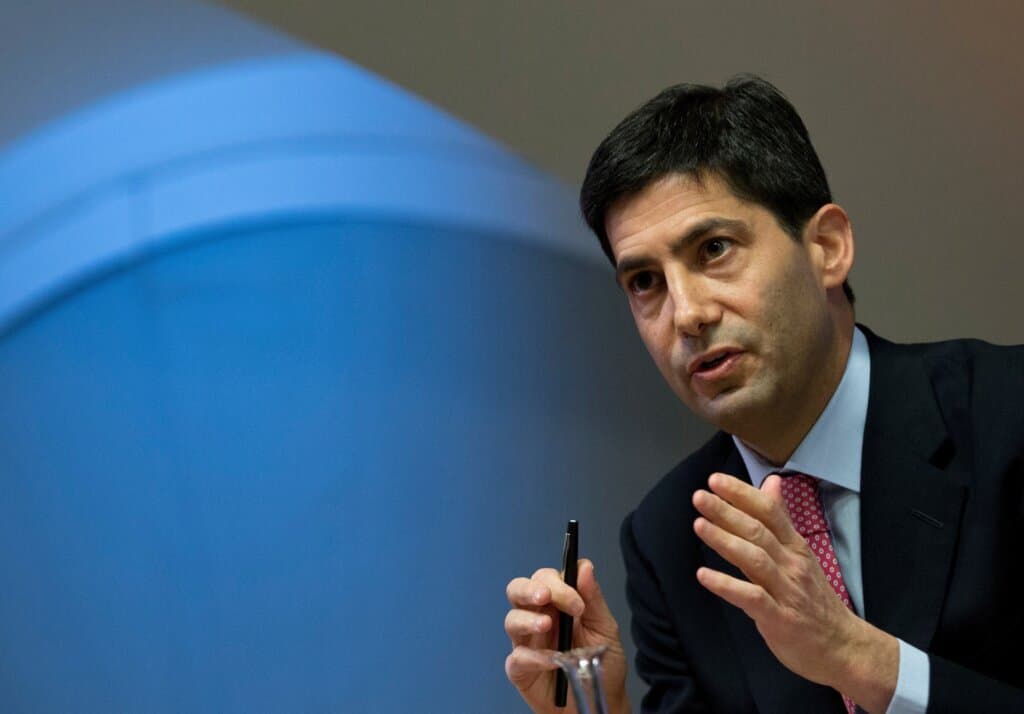
Sen. Warren calls for greater transparency into Federal Reserve nominee’s financial holdings
WASHINGTON (AP) — President Donald Trump’s nominee to run the Federal Reserve, Kevin Warsh, is likely to face tough questions about his vast financial holdings at a hearing next week by the Senate Banking Committee. Massachusetts Sen. Elizabeth Warren, the top Democrat on the panel, told reporters she had met with Warsh Thursday and urged him to disclose more information about his assets than was included in financial disclosure forms released earlier this week. Warsh, a former top official at the Fed and a wealthy investor, listed financial assets worth well more than $100 million. The figures are given in ranges so a precise value wasn’t disclosed. Warsh has large stakes in several investment funds and owns a solo financial advisory firm, Vicarage LLC. He has pledged in ethics filings to sell those holdings and stop working as an adviser if he is confirmed as Fed chair. Yet he has not disclosed the values of all his investments through the funds, or the names of some of his clients. “This is a real problem,” Warren said. “No one has gone forward in the Trump administration without disclosing fully their financial holdings.” It’s the latest hurdle for Warsh, 56, who is already facing an unusually turbulent path toward the Fed chair position, which he has sought for at least a decade. Sen. Thom Tillis, a North Carolina Republican and member of the Banking panel, said this week he won’t vote for Warsh until a Department of Justice investigation into current Fed chair Jerome Powell is resolved. The stand-off threatens to delay Warsh’s confirmation until after Powell’s term as chair ends May 15. But even if Warsh is confirmed, he will likely face ongoing pressure from Trump to cut the Fed’s key interest rate despite the Iran war pushing inflation higher and many other policymakers expressing skepticism about cuts. And he could end up serving while Powell remains on the Fed’s governing board, an uncomfortable arrangement that hasn’t occurred since the late 1940s. Warsh was a member of the Fed’s governing board from 2006 to 2011, and is married to Jane Lauder, the daughter of billionaire cosmetics heir Ronald Lauder, a major Republican donor. He has also worked in finance and has made roughly $10 million as an advisor to billionaire investor Stanley Druckenmiller’s family office, according to his disclosure form. Warren said Warsh declined in their meeting to disclose more information about his holdings, “which, frankly, raises more concerns.” She added that his extensive investments are “a red flag surrounded by fireworks and sparklers.” Warsh said in his disclosures that “pre-existing confidentiality” agreements prevent him from specifying the size of individual holdings or in some cases what they are. For example, he owns a stake in Polymarket, the prediction betting market, but did not say how large it is. He said he would comply with all ethics requirements by selling those investments if confirmed. Also Thursday, all 11 Democrats on the Banking Committee called for next week’s hearing to be postponed until the DOJ drops the investigation into cost overruns for a $2.5 billion Fed building renovation project and Powell’s role in it, as well as an effort by Trump to fire Fed governor Lisa Cook. Both moves “appear to be part of the Trump Administration’s broader effort to take control of the Fed,” the letter said. Powell said last month that he would continue to serve as Fed chair if no replacement is confirmed by the end of his term. He added that previous chairs have done the same. Yet on Wednesday, Trump threatened to try to fire Powell if he did so. Powell has also said he would remain on the Fed’s governing board even after his term as chair ends if the investigation isn’t dropped. By doing so, he could prevent the Trump administration from filling another seat on the board, a step he might take if he saw it as a way to preserve the Fed’s political independence. Powell serves a separate term as governor that lasts until January 2028. A Fed chair hasn’t remained on the board as a governor even after a new chair is appointed since 1948. The battles over Powell, as well as the uptick in inflation from the Iran war, could create extensive headaches for Warsh. “The ground has shifted materially beneath Warsh’s feet since he was nominated,” Marco Casiraghi, an analyst at Evercore ISI, an investment bank, wrote earlier this week. “Both with the oil shock and the failure to swiftly resolve the DOJ investigation, which we think means Powell will now likely stay on as a regular governor for several months.” Trump is likely to keep pushing for Fed rate cuts regardless of who is chair. The Fed’s short-term rate influences other borrowing costs in the economy, including for mortgages, auto loans, and business borrowing. Treasury Secretary Scott Bessent earlier this week appeared to reduce the pressure on the Fed somewhat, when he told reporters Tuesday that rates should be cut, “but if they want to wait for some clarity, I understand that.” Many Fed officials have said they want to see if the jump in energy prices starts to push up inflation more broadly. If it doesn’t, the Fed could potentially look past the gas price spike and cut rates, particularly if the economy weakens. Yet when Trump was asked Wednesday on Fox Business whether he still expects interest rates to decline, he said, “when Kevin gets in, I do. … interest rates should be much lower.” ___ Associated Press Writer Fatima Hussein contributed to this report. Source
Sen. Warren calls for greater transparency into Federal Reserve nominee’s financial holdings
WASHINGTON (AP) — President Donald Trump’s nominee to run the Federal Reserve, Kevin Warsh, is likely to face tough questions about his vast financial holdings at a hearing next week by the Senate Banking Committee. Massachusetts Sen. Elizabeth Warren, the top Democrat on the panel, told reporters she had met with Warsh Thursday and urged him to disclose more information about his assets than was included in financial disclosure forms released earlier this week. Warsh, a former top official at the Fed and a wealthy investor, listed financial assets worth well more than $100 million. The figures are given in ranges so a precise value wasn’t disclosed. Warsh has large stakes in several investment funds and owns a solo financial advisory firm, Vicarage LLC. He has pledged in ethics filings to sell those holdings and stop working as an adviser if he is confirmed as Fed chair. Yet he has not disclosed the values of all his investments through the funds, or the names of some of his clients. “This is a real problem,” Warren said. “No one has gone forward in the Trump administration without disclosing fully their financial holdings.” It’s the latest hurdle for Warsh, 56, who is already facing an unusually turbulent path toward the Fed chair position, which he has sought for at least a decade. Sen. Thom Tillis, a North Carolina Republican and member of the Banking panel, said this week he won’t vote for Warsh until a Department of Justice investigation into current Fed chair Jerome Powell is resolved. The stand-off threatens to delay Warsh’s confirmation until after Powell’s term as chair ends May 15. But even if Warsh is confirmed, he will likely face ongoing pressure from Trump to cut the Fed’s key interest rate despite the Iran war pushing inflation higher and many other policymakers expressing skepticism about cuts. And he could end up serving while Powell remains on the Fed’s governing board, an uncomfortable arrangement that hasn’t occurred since the late 1940s. Warsh was a member of the Fed’s governing board from 2006 to 2011, and is married to Jane Lauder, the daughter of billionaire cosmetics heir Ronald Lauder, a major Republican donor. He has also worked in finance and has made roughly $10 million as an advisor to billionaire investor Stanley Druckenmiller’s family office, according to his disclosure form. Warren said Warsh declined in their meeting to disclose more information about his holdings, “which, frankly, raises more concerns.” She added that his extensive investments are “a red flag surrounded by fireworks and sparklers.” Warsh said in his disclosures that “pre-existing confidentiality” agreements prevent him from specifying the size of individual holdings or in some cases what they are. For example, he owns a stake in Polymarket, the prediction betting market, but did not say how large it is. He said he would comply with all ethics requirements by selling those investments if confirmed. Also Thursday, all 11 Democrats on the Banking Committee called for next week’s hearing to be postponed until the DOJ drops the investigation into cost overruns for a $2.5 billion Fed building renovation project and Powell’s role in it, as well as an effort by Trump to fire Fed governor Lisa Cook. Both moves “appear to be part of the Trump Administration’s broader effort to take control of the Fed,” the letter said. Powell said last month that he would continue to serve as Fed chair if no replacement is confirmed by the end of his term. He added that previous chairs have done the same. Yet on Wednesday, Trump threatened to try to fire Powell if he did so. Powell has also said he would remain on the Fed’s governing board even after his term as chair ends if the investigation isn’t dropped. By doing so, he could prevent the Trump administration from filling another seat on the board, a step he might take if he saw it as a way to preserve the Fed’s political independence. Powell serves a separate term as governor that lasts until January 2028. A Fed chair hasn’t remained on the board as a governor even after a new chair is appointed since 1948. The battles over Powell, as well as the uptick in inflation from the Iran war, could create extensive headaches for Warsh. “The ground has shifted materially beneath Warsh’s feet since he was nominated,” Marco Casiraghi, an analyst at Evercore ISI, an investment bank, wrote earlier this week. “Both with the oil shock and the failure to swiftly resolve the DOJ investigation, which we think means Powell will now likely stay on as a regular governor for several months.” Trump is likely to keep pushing for Fed rate cuts regardless of who is chair. The Fed’s short-term rate influences other borrowing costs in the economy, including for mortgages, auto loans, and business borrowing. Treasury Secretary Scott Bessent earlier this week appeared to reduce the pressure on the Fed somewhat, when he told reporters Tuesday that rates should be cut, “but if they want to wait for some clarity, I understand that.” Many Fed officials have said they want to see if the jump in energy prices starts to push up inflation more broadly. If it doesn’t, the Fed could potentially look past the gas price spike and cut rates, particularly if the economy weakens. Yet when Trump was asked Wednesday on Fox Business whether he still expects interest rates to decline, he said, “when Kevin gets in, I do. … interest rates should be much lower.” ___ Associated Press Writer Fatima Hussein contributed to this report. Source