Who voted against releasing the Epstein files? Rep. Clay Higgins explains his opposition to the House's bill
Higgins opposed the bill, saying it could expose innocent people and compromise their privacy.

SOURCE CHECK
TAP FOR WHYCBS News is an established national newsroom, and the article identifies its author and attributes Higgins’s explanation to his post. It also reports the bill’s provisions and includes both supporters’ response and concerns about disclosure.
- Source type — Established national news organization with a substantial reporting operation.
- Editorial standards — The report attributes Higgins’s claims and summarizes provisions and counterarguments.
- Author attribution — The article names its reporter.
- Transparency — The report identifies the source of Higgins’s explanation as his post on X.
The article gives the House tally, describes the bill’s disclosure requirements and exceptions, and reports Higgins’s rationale alongside supporters’ response. Its discussion of the supporting side is brief and does not quote a supporter directly.
HOW WE SCORE ↗The story presents Higgins’s privacy concerns, supporters’ response, and provisions designed to protect victims and sensitive information. The supporters’ position receives less detail and no direct quotation.
- Counterarguments presented — Reports that supporters said the bill blocks disclosures that could compromise investigations or sensitive material.
- Source diversity — Includes Higgins’s explanation and a summary of supporters’ position, but no directly quoted supporter.
- Omitted context — The article describes statutory privacy and security exceptions, helping readers assess the dispute.
- Loaded language — The narration is largely factual and attributes evaluative claims to their speakers.
The article uses straightforward reporting language, attributes Higgins’s concerns to him, and includes the supporters’ response and the bill’s privacy exceptions.
- Language tone — Mostly descriptive language without evident praise or condemnation.
- Source selection — Includes Higgins’s explanation and the response from supporters, though the latter is not directly quoted.
- Framing — Frames the story around the lone opposing vote and explains the disagreement.
Rep. Clay Higgins was the only House member to oppose a bill requiring the Justice Department to release records related to Jeffrey Epstein. He said the measure could expose innocent people, while the bill’s supporters pointed to protections against disclosure of sensitive information.
The House passed the Epstein Files Transparency Act by a 427-1 vote, with Higgins casting the sole vote against it. Higgins said the bill could reveal information about witnesses, family members and others who were not criminally implicated. He said he would support a revised version addressing privacy concerns.
Community verdict
25 VOTES
Counts every outlet’s report of this story. See all 42
Votes cast on this page
Votes cast on this page: ▲ 0 · ◆ 0 · ▼ 0
People in this story
SWIPE →The sole House member to vote against the Epstein Files Transparency Act

House Speaker who raised concerns about the bill’s language

President whose change in position opened the way for a vote
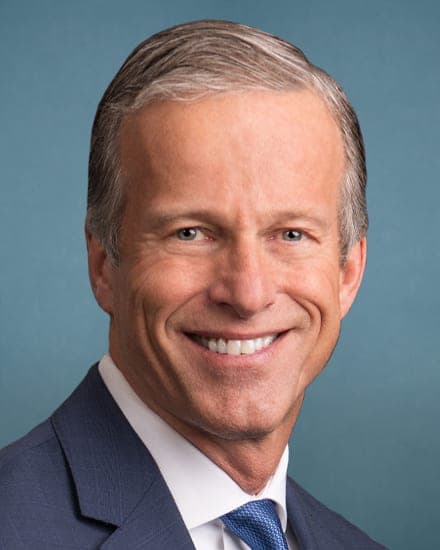
Senate Majority Leader who commented on the Senate’s consideration of the bill
Part of a bigger story
33 OUTLETSThe House passed the Epstein Files Transparency Act 427-1, with Clay Higgins casting the sole no vote. Left-leaning outlets present Higgins’s vote as grounds for criticism, highlighting public backlash or his broader record. Center outlets mostly explain his stated privacy and due-process concerns while recounting the vote. Right-leaning outlets emphasize his privacy rationale, while some frame the disclosure push as a partisan fight.
- ARTICLES
- 42
- OUTLETS
- 33
- AVG CRED
- 66
Discussion · 0
Loading comments…