Michigan Debate: Abdul El-Sayed Says He Would Not Give Defensive Weapons to Israel
At a Michigan Senate debate, El-Sayed opposed using U.S. tax dollars to buy weapons for other countries.
SOURCE CHECK
TAP FOR WHYBreitbart is a partisan outlet, and the article’s loaded characterization warrants caution. It identifies its reporter and provides direct quotations from the debate, but offers little independent sourcing or context.
- Source type — Partisan outlet with an opinion-oriented source classification.
- Author attribution — A named reporter is credited.
- Transparency — The article identifies the debate moderator and quotes the exchange, but gives limited sourcing beyond it.
- Editorial standards — The description uses loaded political language, weakening confidence in neutral presentation.
The article reports a specific debate exchange and includes direct quotations and the moderator’s follow-up. It provides little broader context or competing perspective, and its characterization of El-Sayed is not consistently neutral.
HOW WE SCORE ↗The article includes El-Sayed’s own explanations and Albin’s repeated request for a direct answer, but supplies no broader context or other perspective on the policy dispute. Its framing also uses loaded language.
- Source diversity — The account relies almost entirely on the debate exchange, without outside sources or a countervailing policy perspective.
- Counterarguments presented — El-Sayed explains his position, and the moderator presses him for clarity; no other policy argument is presented.
- Loaded language — The opening uses the label “Muslim leftist” and the account characterizes the answer in forceful terms.
- Opinion vs reporting — The article reports quotations but includes evaluative framing.
The article’s framing is favorable to Israel’s defensive position and describes El-Sayed with politically charged language. The reported exchange is grounded in direct quotations, but the framing tilts right.
- Language tone — The opening labels El-Sayed a “Muslim leftist,” a politically charged characterization.
- Framing — The article characterizes his response as indicating he would not help Israel defend itself against a hostile enemy.
- Source selection — The account centers on the candidate’s debate answers and moderator’s questions, with little additional context.
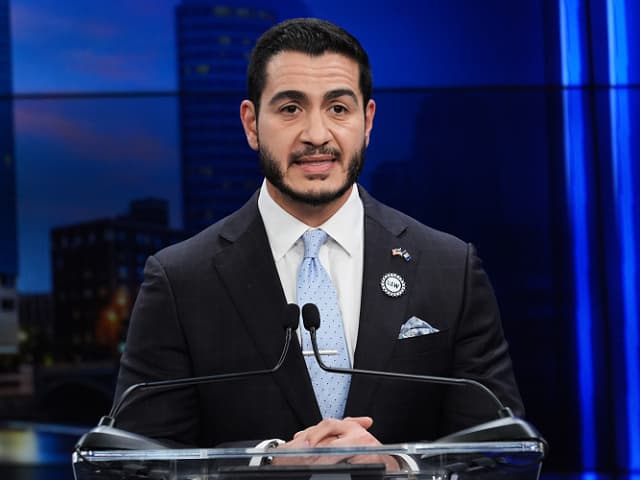
At a Michigan Senate debate, candidate Abdulrahman El-Sayed said he opposed using U.S. tax dollars to buy weapons for other countries, including defensive weapons for Israel. The exchange highlighted a foreign-policy difference over U.S. support for Israel.
During a debate, moderator Rick Albin asked El-Sayed whether he would support providing defensive weapons to Israel if it were attacked by Iran or another state actor. El-Sayed initially did not give a direct yes-or-no answer, saying he wanted tax dollars spent on domestic priorities including schools and health care.
El-Sayed criticized U.S. involvement in the war with Iran and said Israel and Iran were “both dangerous in their own way.” After Albin pressed him again, El-Sayed said he did not want U.S. tax dollars buying weapons for other countries; Albin characterized that as a no.
Community verdict
VOTING CLOSED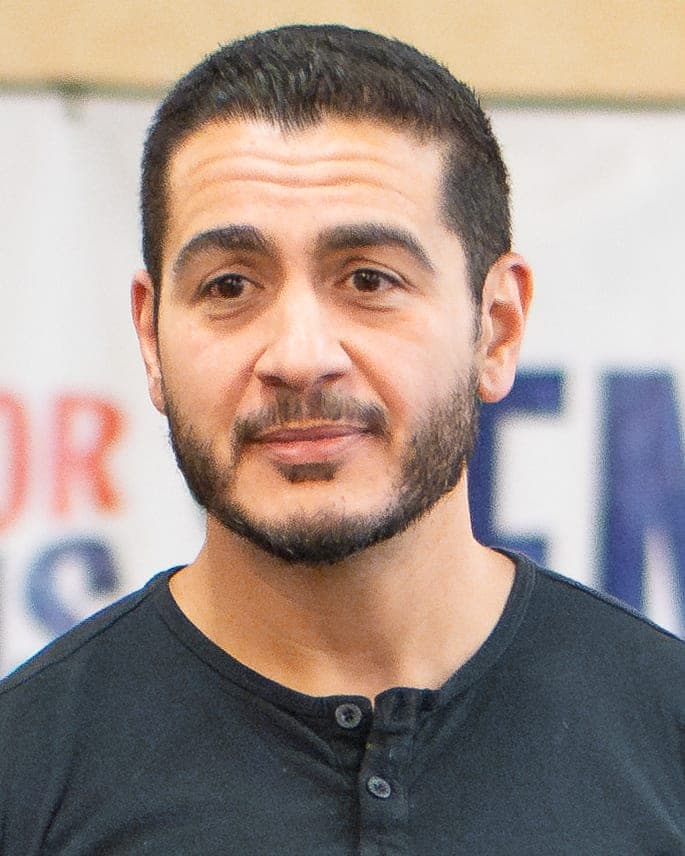
No good or bad look here
This story reports what happened without casting El-Sayed in a good or bad light, so readers don’t rate it and it doesn’t count toward El-Sayed’s record.
People in this story
Michigan Senate candidate who opposed U.S. tax-funded weapons for other countries, including defensive weapons for Israel
Part of a bigger story
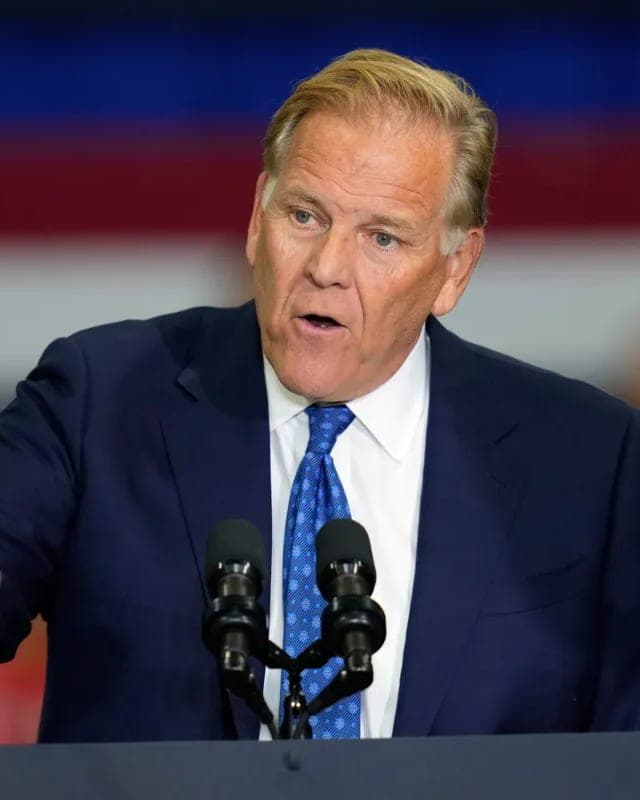
26 OUTLETSAbdul El-Sayed and Mike Rogers held their first debate in Michigan’s U.S. Senate race, trading personal attacks and clashing over policy. El-Sayed challenged Rogers and defended his own positions. Left-leaning outlets emphasize El-Sayed’s pushback against Rogers’s attacks and, in some coverage, portray him as composed or focus on campaign challenges. Center outlets largely present a combative exchange of mutual personal attacks and policy clashes, with some checking claims from both candidates. Right-leaning outlets give more weight to Rogers’s attacks and El-Sayed’s positions on Israel, immigration and foreign ties, often portraying El-Sayed critically.
- ARTICLES
- 27
- OUTLETS
- 26
- AVG CRED
- 71
Discussion · 0
Loading comments…