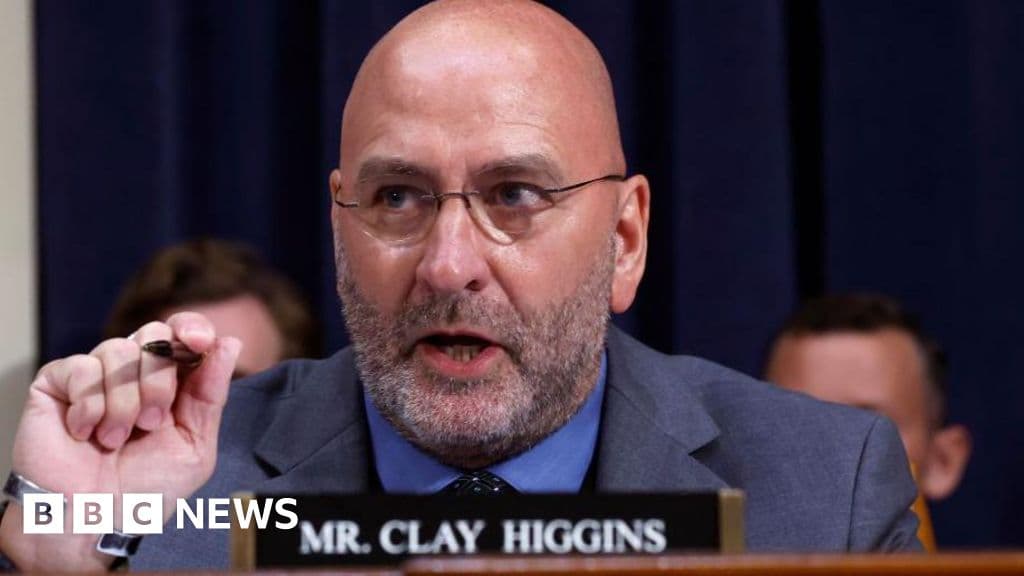
Clay Higgins: The lone lawmaker to vote against releasing the Epstein files
Higgins cast the lone House vote against compelling the release of Epstein-related files, citing risks to victims and other innocent people.
SOURCE CHECK
TAP FOR WHYBBC News is an established international news organization with professional editorial standards and clear author attribution. The article identifies its reporter and attributes key claims and quotations to the lawmakers involved.
- Track record — Established international news organization with a substantial record of reporting.
- Editorial standards — Professional newsroom standards support reliability, though this article offers limited detail on the bill itself.
- Author attribution — A named reporter is credited.
- Source type — Recorded as a national news publisher.
The report gives the vote tally, quotes Higgins’s stated concerns and includes a response from Thune, while noting the Senate outcome. It provides little independent detail about the bill’s text or the arguments of its supporters.
HOW WE SCORE ↗The report presents Higgins’s objections, the overwhelming House vote and Thune’s view that amendment was unlikely. It does not include a detailed account from a bill supporter or explain the bill’s provisions in depth.
- Counterarguments presented — Higgins’s concerns are contrasted with the overwhelming vote and Thune’s comments.
- Source diversity — Includes statements from Higgins and Thune, but no named supporter of the bill.
- Omitted context — The bill’s text and supporters’ reasoning are not explained in detail.
- Loaded language — Mostly restrained reporting, with evaluative descriptions of Higgins’s earlier remarks.
The report uses largely factual language and attributes the principal arguments to the lawmakers. Its account of Higgins’s earlier controversies adds context but does not establish a clear partisan framing of the vote.
- Language tone — Mostly descriptive language; the article identifies Higgins’s stated rationale and quotes it.
- Source selection — Includes Higgins’s explanation and Thune’s comments, alongside the vote result.
- Framing — Frames the story around the lone dissenting vote and the bill’s overwhelming support without an explicit partisan verdict.
- Omission — Offers limited detail on supporters’ arguments, but this does not clearly indicate a political lean.
Rep. Clay Higgins cast the lone House vote against a bill compelling the release of Jeffrey Epstein-related files, citing risks to victims and other people. The House approved it 427-1, and the Senate later approved it unanimously.
Nearly every House Republican joined Democrats in supporting a bill to compel the release of documents tied to Jeffrey Epstein. Clay Higgins of Louisiana cast the only opposing vote, saying the bill could expose victims, witnesses and other innocent people to harm. He said he would support it if the Senate amended it.
Senate Majority Leader John Thune said an amendment seemed unlikely after the House’s 427-1 vote and President Donald Trump’s support for signing the bill. The Senate then approved it unanimously. The article also notes that four Republicans had signed a petition to force a House vote.
Community verdict
25 VOTES
Counts every outlet’s report of this story. See all 42
Votes cast on this page
Votes cast on this page: ▲ 0 · ◆ 0 · ▼ 0
People in this story
SWIPE →Louisiana representative who cast the only House vote against the bill

Representative who signed a petition to force a vote

President whose support for a vote preceded broader Republican support

Representative who signed a petition to force a vote

Representative who signed a petition to force a vote
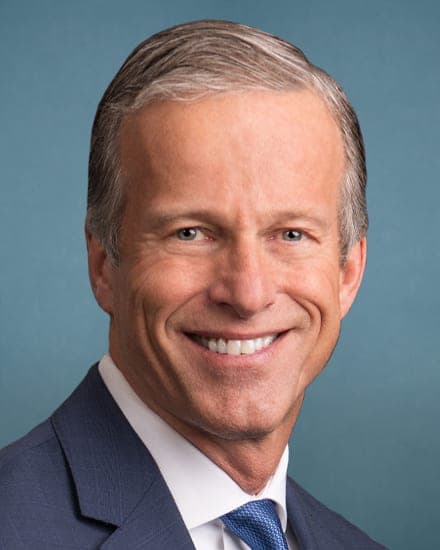
Senate majority leader commenting on whether the bill could be amended
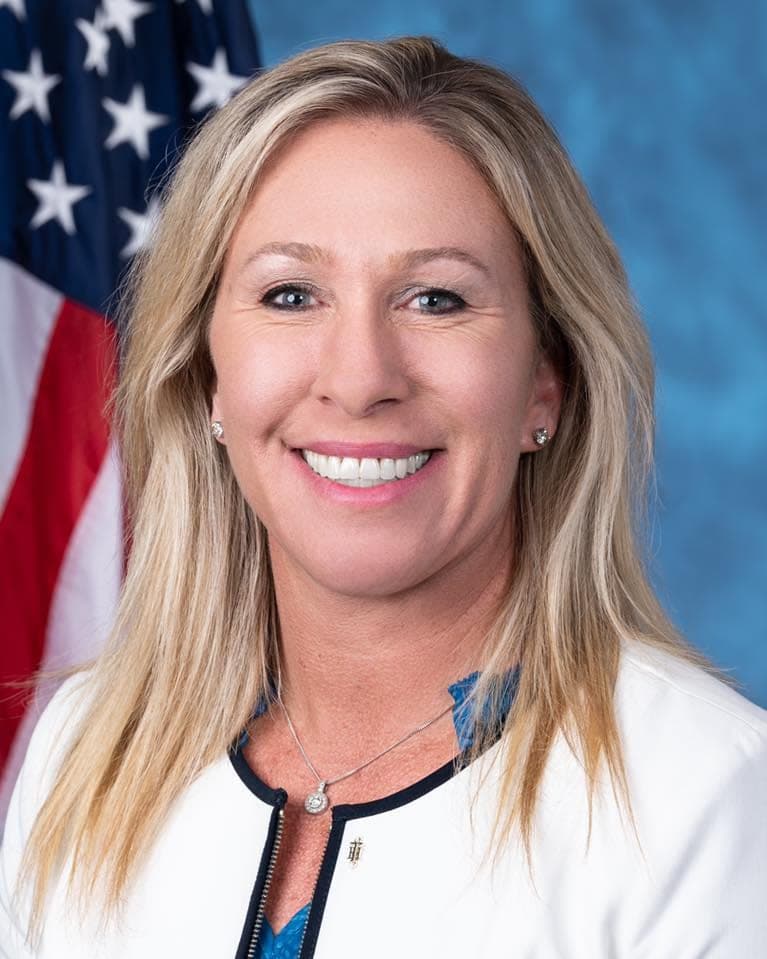
Representative who signed a petition to force a vote
Part of a bigger story
33 OUTLETSThe House passed the Epstein Files Transparency Act 427-1, with Clay Higgins casting the sole no vote. Left-leaning outlets present Higgins’s vote as grounds for criticism, highlighting public backlash or his broader record. Center outlets mostly explain his stated privacy and due-process concerns while recounting the vote. Right-leaning outlets emphasize his privacy rationale, while some frame the disclosure push as a partisan fight.
- ARTICLES
- 42
- OUTLETS
- 33
- AVG CRED
- 66
Discussion · 0
Loading comments…