Abdul El-Sayed issues apology for comment about Michigan synagogue attack
El-Sayed apologized for remarks critics said could be understood as justifying the synagogue attack.
SOURCE CHECK
TAP FOR WHYThe publisher's recorded rating is 40 based on 20 stories, which supports a modest score. The article has an identified author and attributes some reporting to The Guardian, but the page itself provides limited detail about its sourcing and verification.
- Track record — The publisher's own rating is 40 based on 20 stories, indicating limited confidence in its past coverage.
- Author attribution — A named author is credited.
- Source type — Recorded as trade press, a category that warrants a more moderate baseline than major news organizations.
- Transparency — The article attributes some reporting to The Guardian but gives little sourcing detail for other claims.
The article includes direct quotations from El-Sayed and a delegate and reports criticism from Nessel and Scholten. Much of the account is not accompanied by detailed sourcing or responses from those discussed, and it offers limited independent context for the controversy.
HOW WE SCORE ↗The story includes El-Sayed's explanation and apology as well as criticism and continuing concerns about his political associations. It provides limited depth on the critics' reasoning and little independent context, so the perspectives are present but not fully developed.
- Counterarguments presented — El-Sayed's explanation appears alongside criticism from Nessel and Scholten's stated position.
- Source diversity — The article quotes El-Sayed and a delegate and reports statements by officials, but provides relatively few distinct perspectives.
- Omitted context — Limited detail is provided about the substance of the criticism and responses to it.
- Loaded language — Mostly restrained wording, with occasional interpretive descriptions of the campaign and political stakes.
The article reports both El-Sayed's apology and criticism of his remarks and association with Piker, without a clear partisan direction in its framing. Some characterizations are evaluative, but the overall presentation is largely reportorial.
- Language tone — Mostly reportorial language, with some characterizations such as describing the race as high-stakes.
- Source selection — Includes statements from El-Sayed, a critic, a delegate, and Scholten, though perspectives are not developed in equal depth.
- Framing — Frames the apology as an effort toward party unity while also detailing unresolved concerns.
Michigan Senate candidate Abdul El-Sayed apologized for remarks after a synagogue attack that critics said could justify the violence. The article describes the apology as an effort to ease tensions within the Democratic Party ahead of the election.
The article reports that El-Sayed apologized to Michigan’s Jewish Democratic Caucus for comments he made after the March attack on Temple Israel. He said his remarks about the context of the attack may have been misconstrued as justifying it and apologized to anyone hurt by them. The article says Michigan Attorney General Dana Nessel had criticized the comments as serving to justify the violence.
The article also describes continuing disagreements over El-Sayed’s association with Hasan Piker, and reports that Representative Hillary Scholten said she would not campaign with El-Sayed while that association continued. El-Sayed said his campaign was focused on local issues, while delegates at the state convention applauded his speech. The article notes he is running against Republican nominee Mike Rogers and that Senator Gary Peters is retiring.
Community verdict
4 VOTES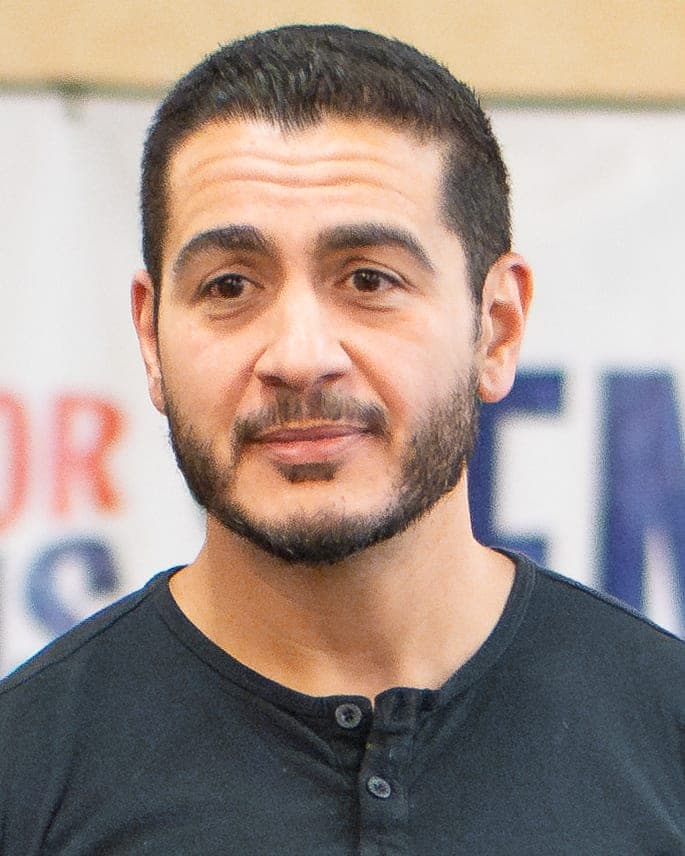
People in this story
SWIPE →Michigan Senate candidate who apologized for remarks following a synagogue attack

El-Sayed's opponent in the Democratic primary
Republican nominee opposing El-Sayed in the Michigan Senate race
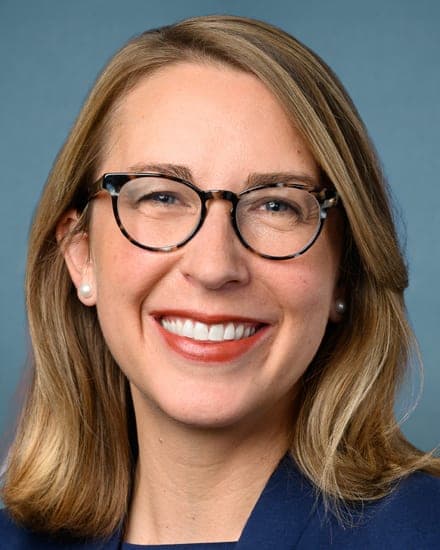
Representative who said she would not campaign with El-Sayed while he maintained ties to Piker
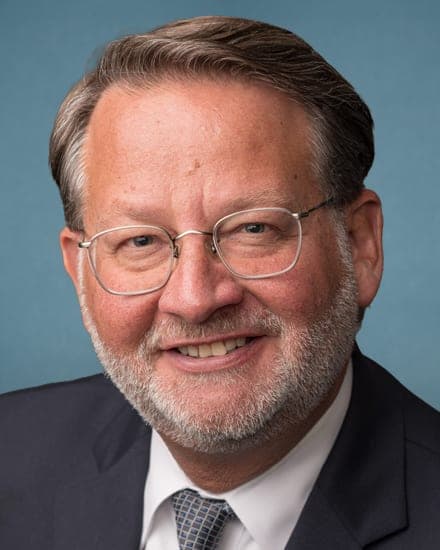
Michigan senator whose retirement leaves the seat open
Part of a bigger story
14 OUTLETSOutlets on the center and right agree that Abdul El-Sayed apologized for comments he made after a Michigan synagogue attack. Center outlets describe his explanation alongside critics’ objections, with some coverage also reporting differing reactions among Jewish Democrats. Right-leaning outlets foreground criticism and political fallout, and some broaden the story to other campaign controversies or media coverage.
- ARTICLES
- 14
- OUTLETS
- 14
- AVG CRED
- 57
Discussion · 0
Loading comments…