HOW MEMBERS VOTED
430 OF 430Yea217
AB AH
AH AM
AM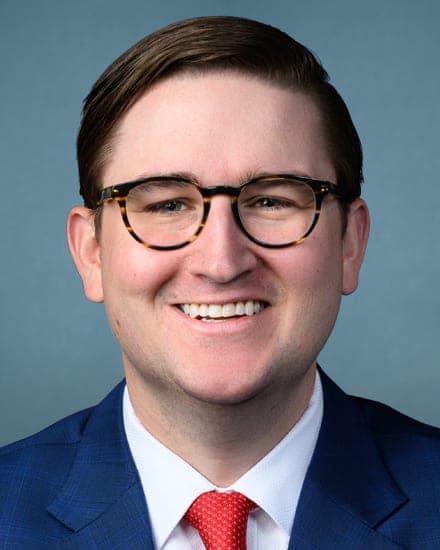 AS
AS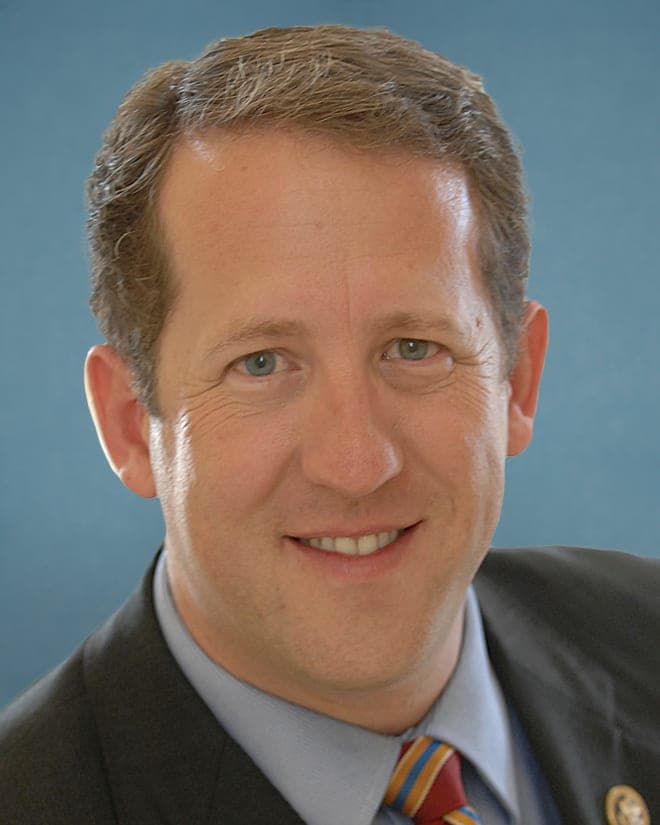 AC
AC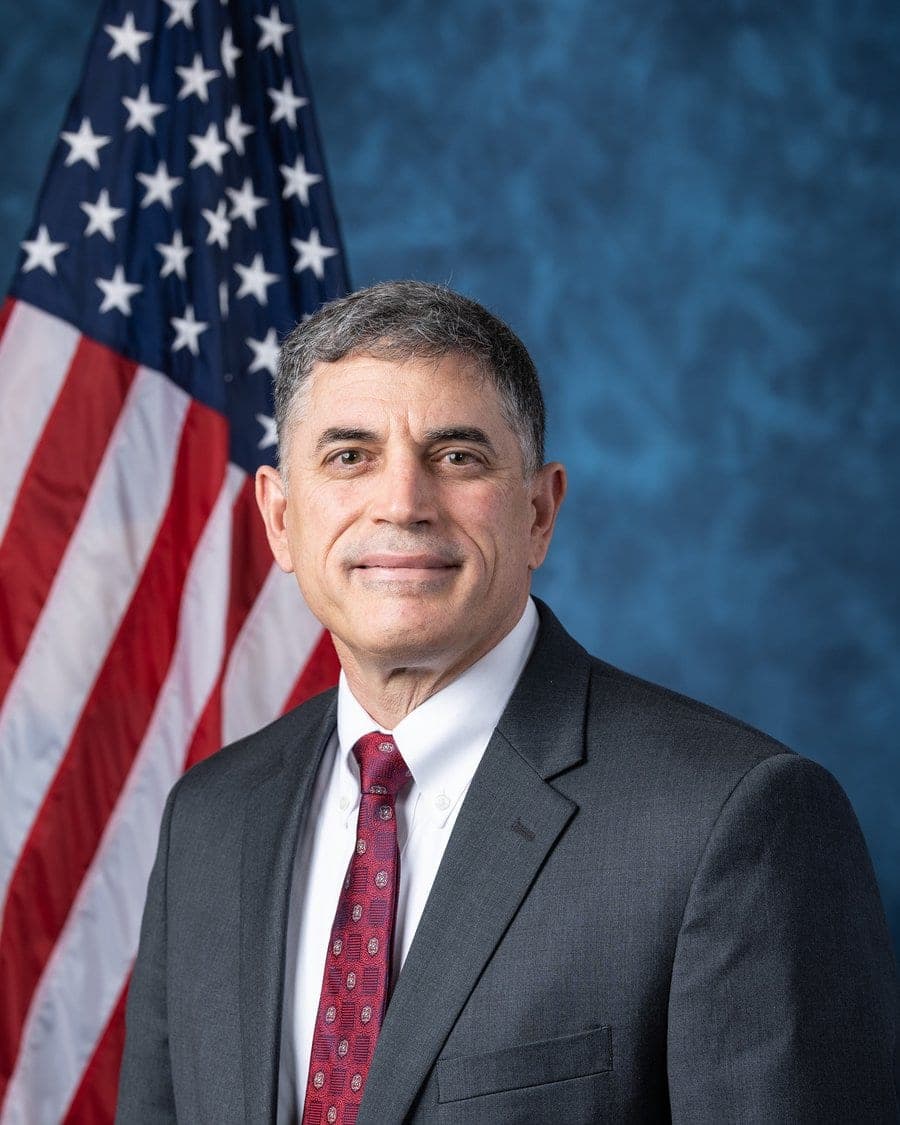 AG
AG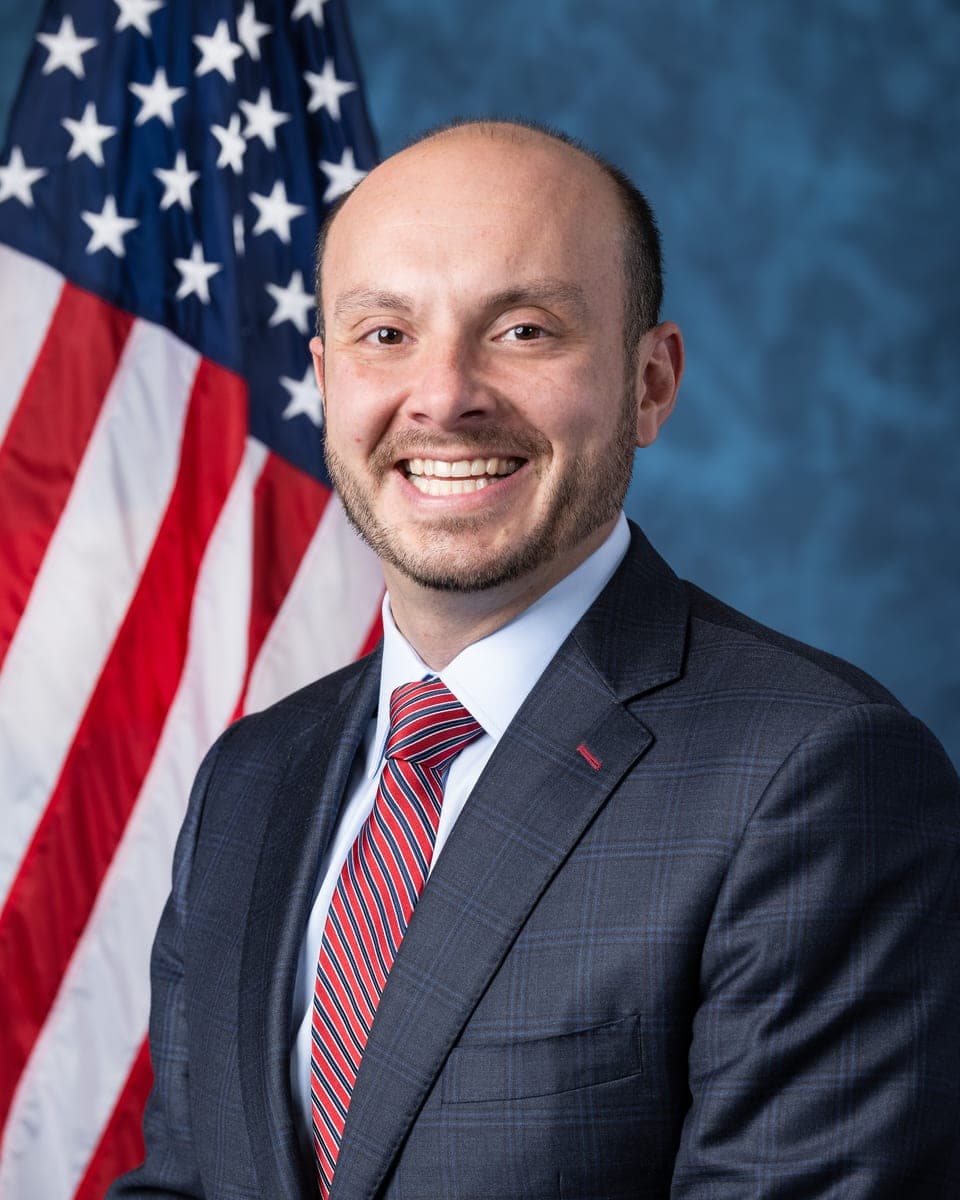 AB
AB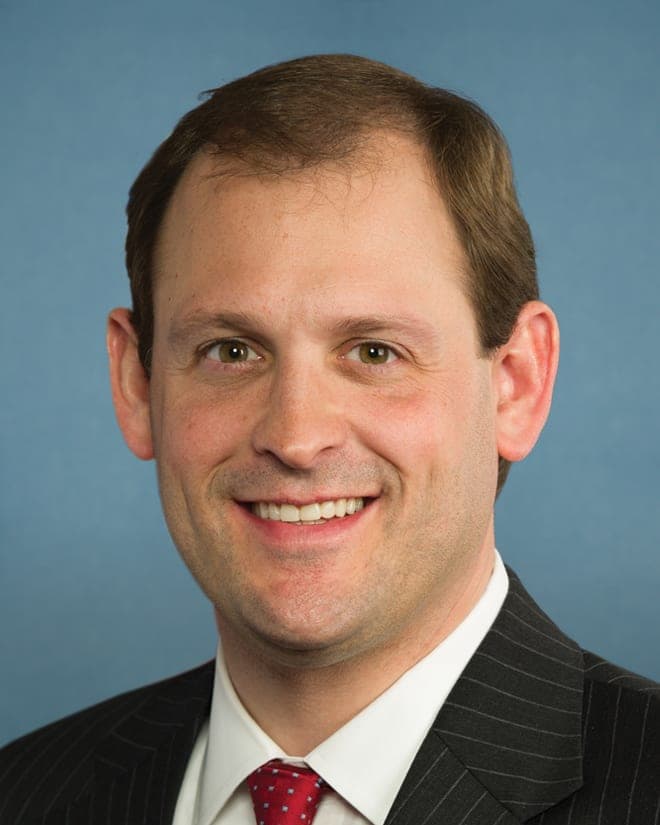 AB
AB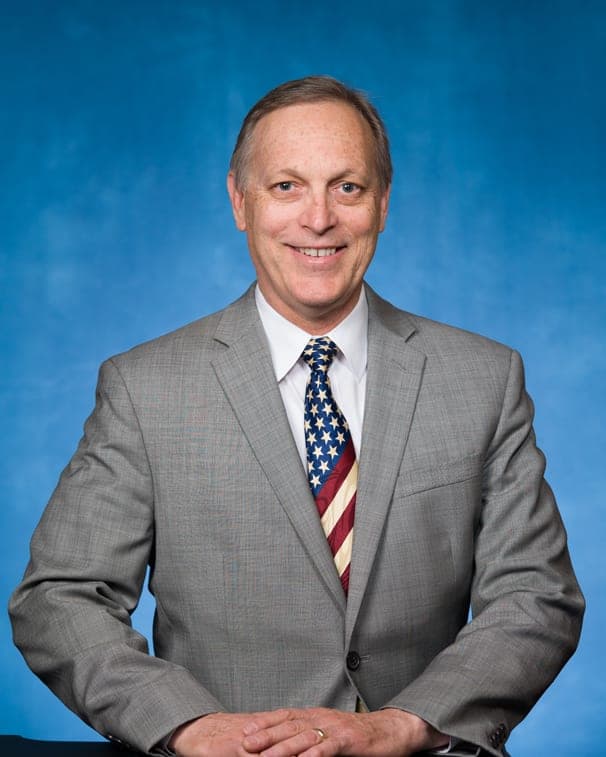 AH
AH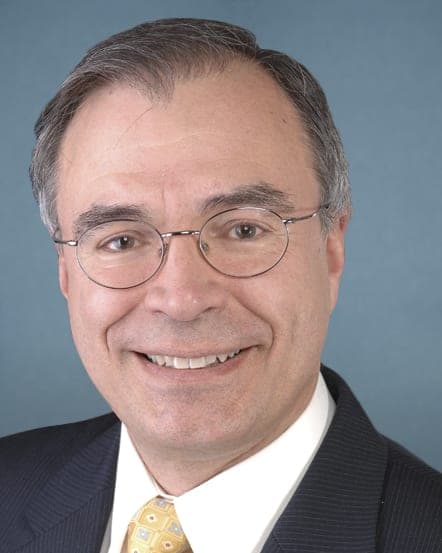 AW
AW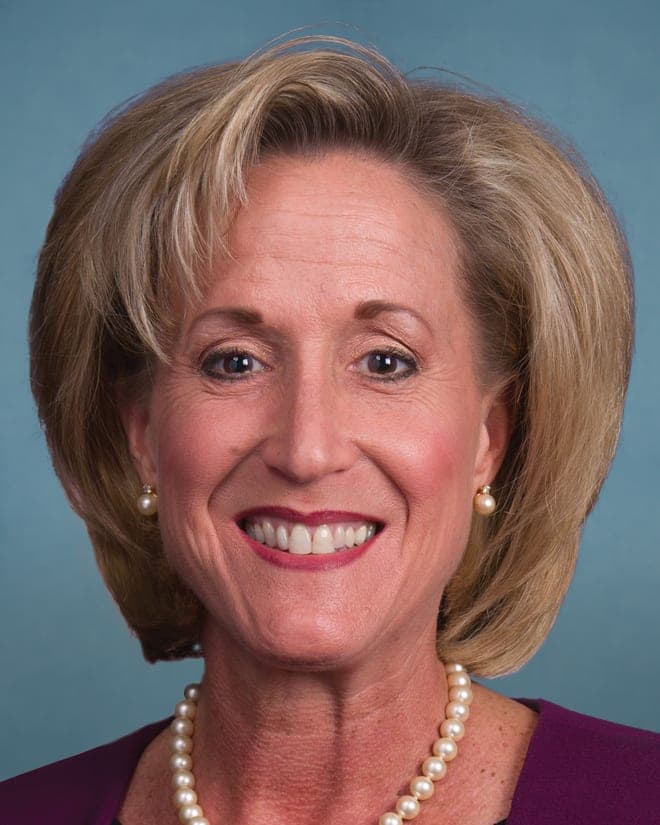 AL
AL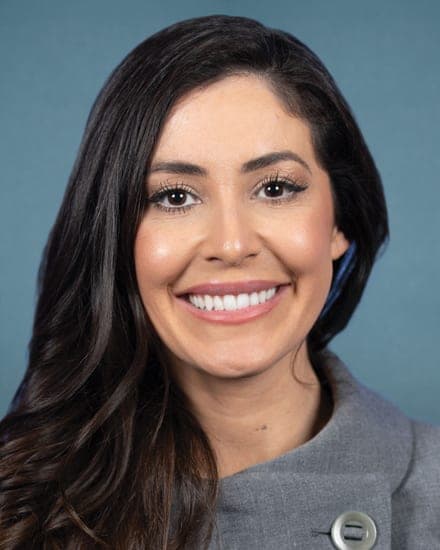 AH
AH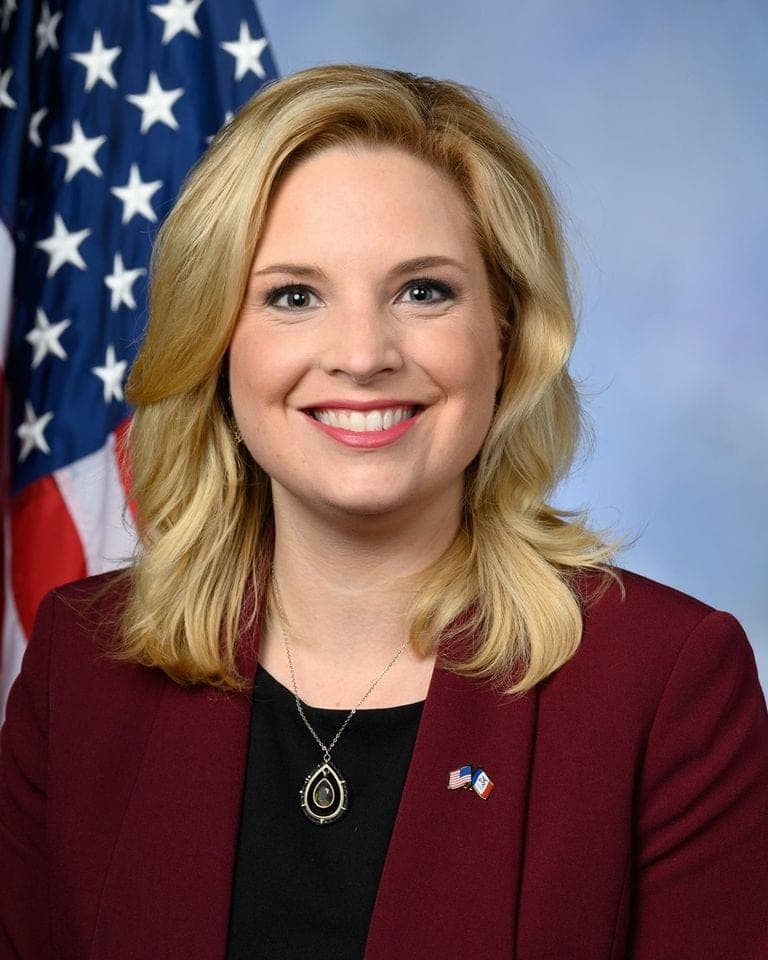 AP
AP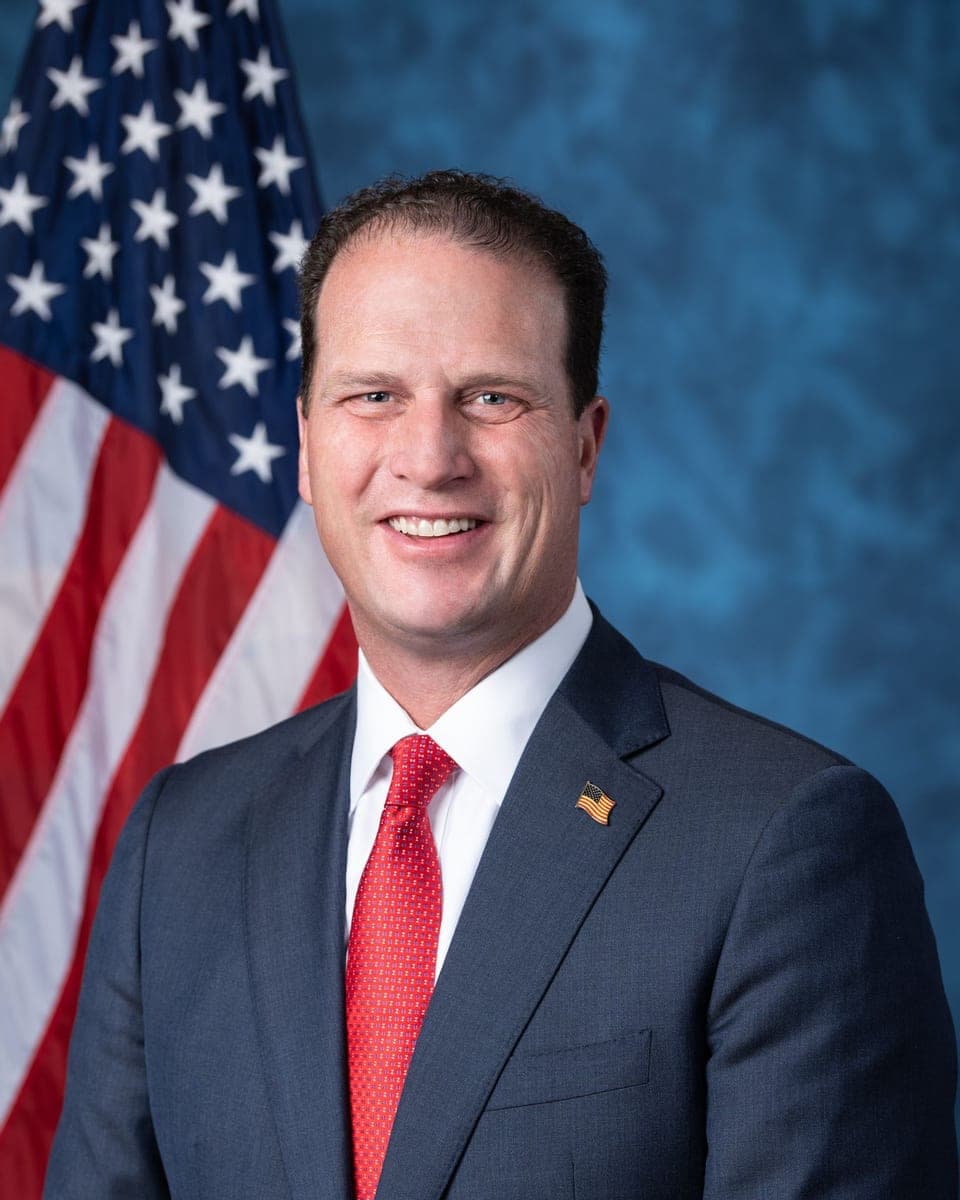 AS
AS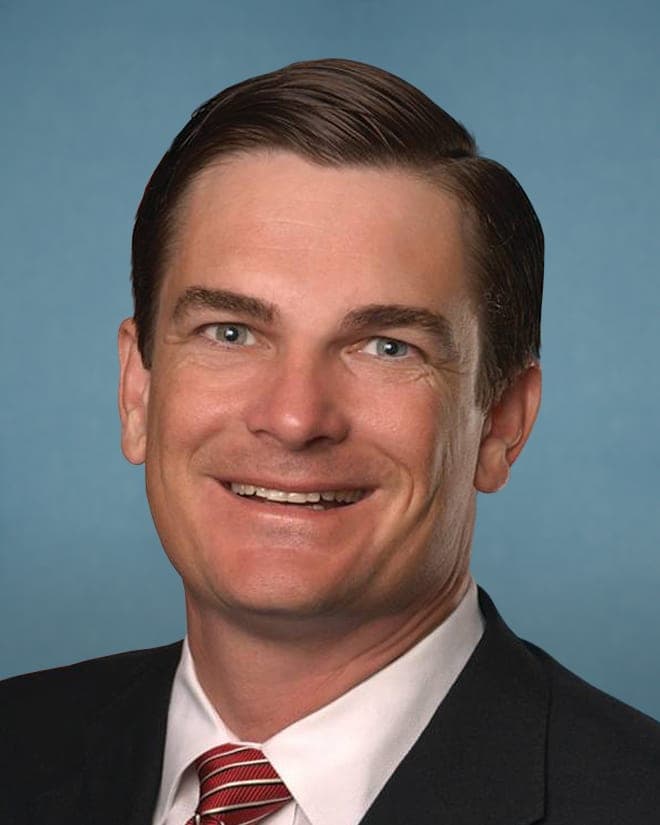 BL
BL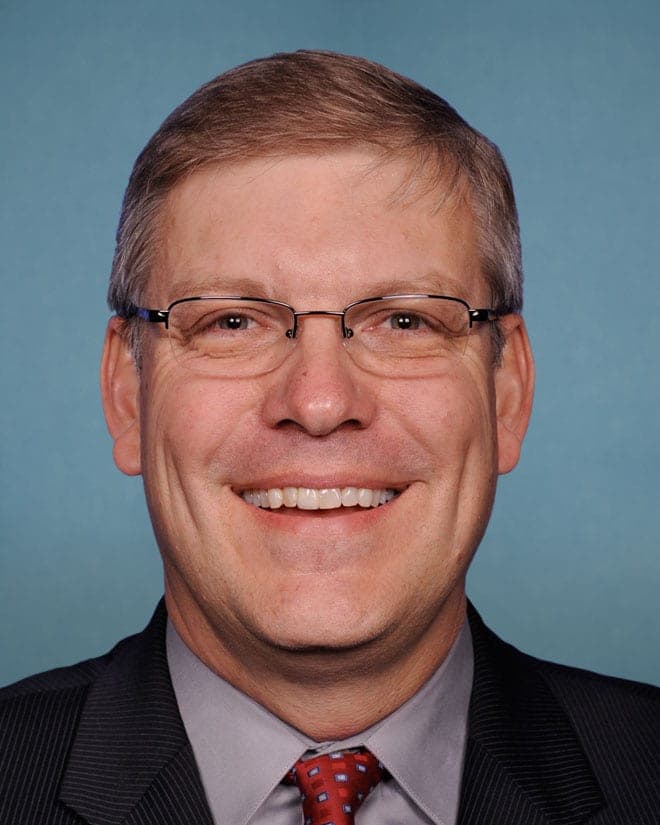 BM
BM BC
BC BV
BV BH
BH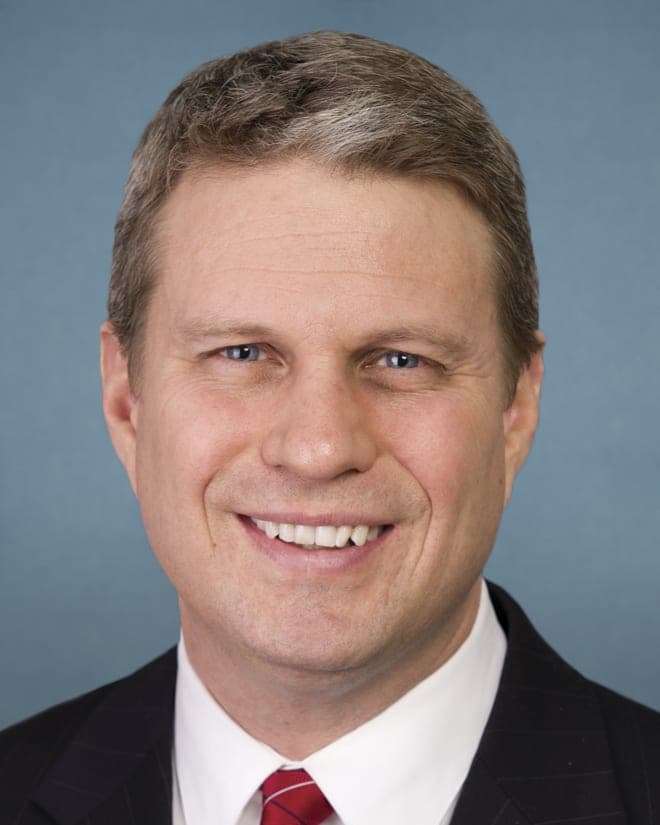 BM
BM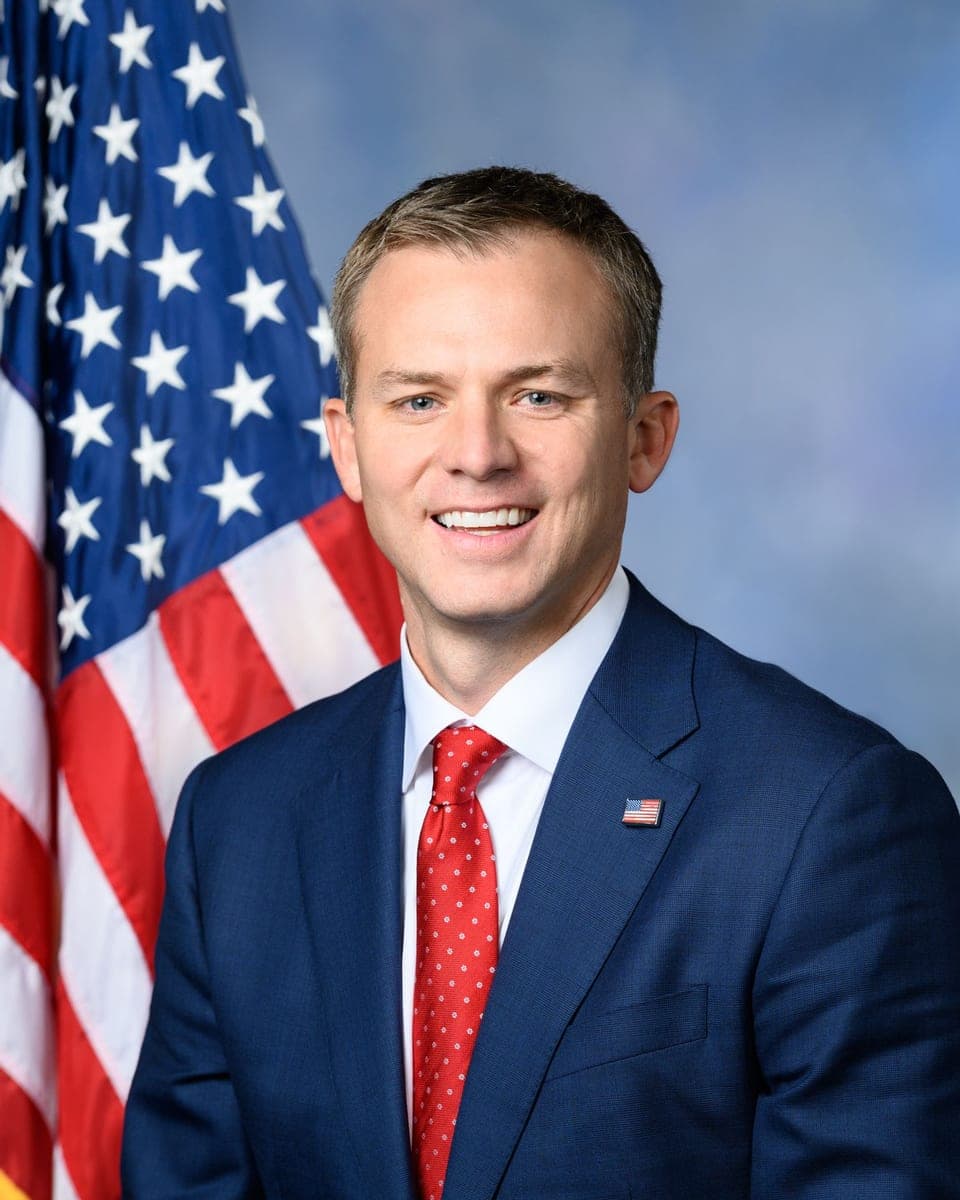
Aaron Bean
R·Florida
Abraham Hamadeh
R·Arizona
Addison McDowell
R·North Carolina
Adrian Smith
R·Nebraska
Andrew Clyde
R·Georgia
Andrew Garbarino
R·New York
Andy Barr
R·Kentucky
Andy Biggs
R·Arizona
Andy Harris
R·Maryland
Ann Wagner
R·Missouri
Anna Luna
R·Florida
Ashley Hinson
R·Iowa
August Pfluger
R·Texas
Austin Scott
R·Georgia
Barry Loudermilk
R·Georgia
Barry Moore
R·Alabama
Ben Cline
R·Virginia
Beth Van Duyne
R·Texas
Bill Huizenga
R·Michigan
Blake Moore
R·Utah
Nay207
AG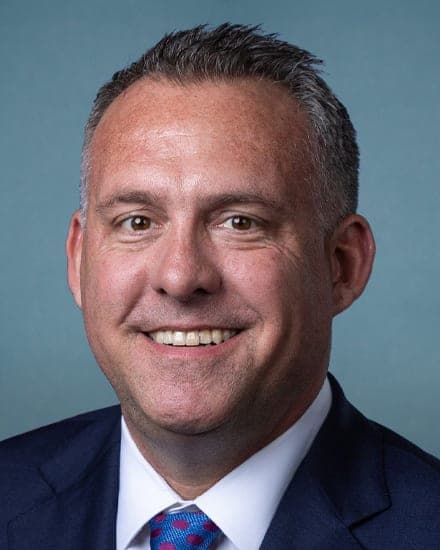 AS
AS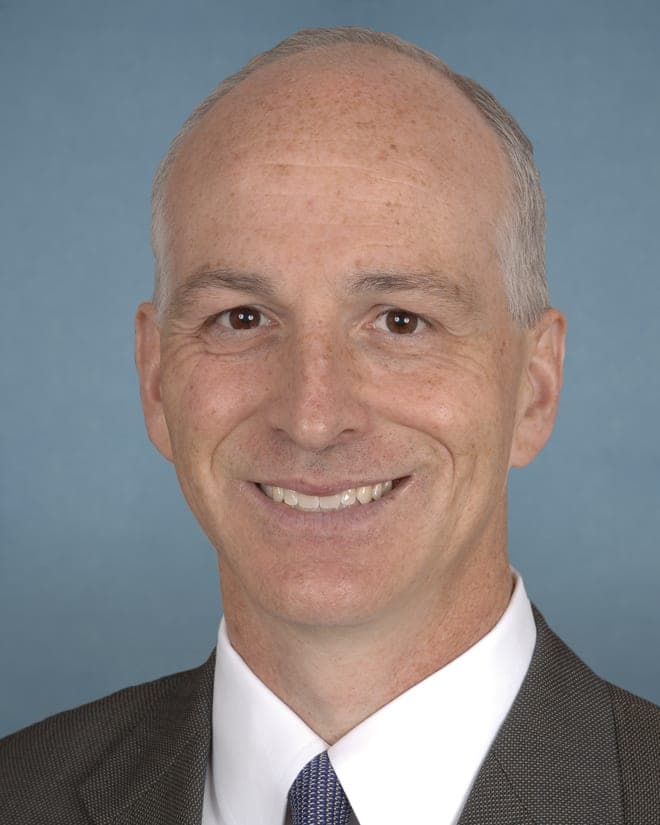 AG
AG AE
AE AG
AG AO
AO AA
AA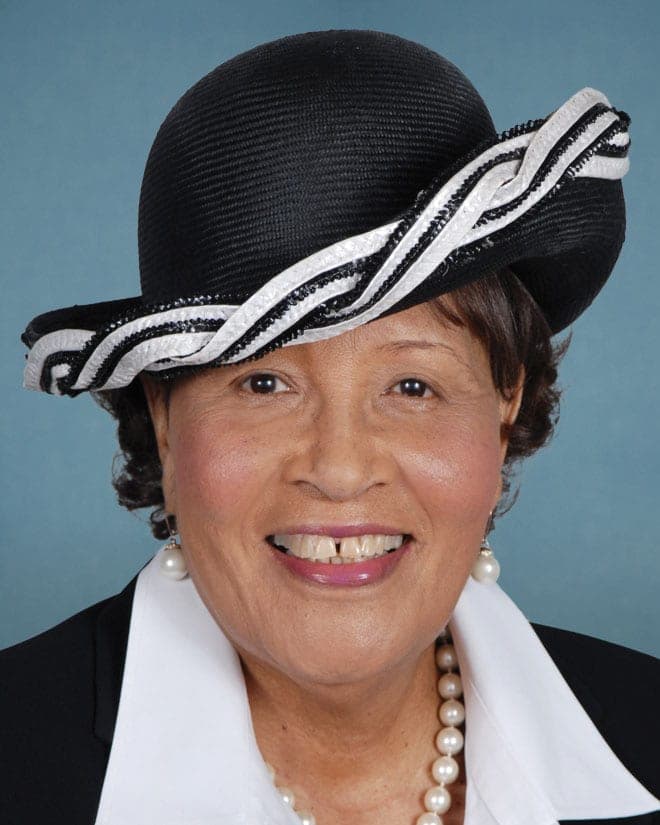 AB
AB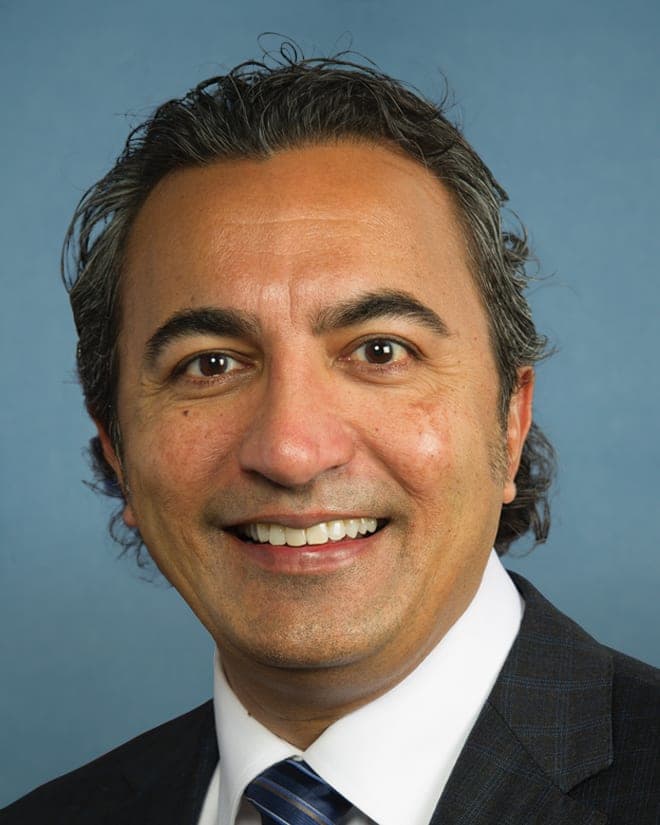 AM
AM AC
AC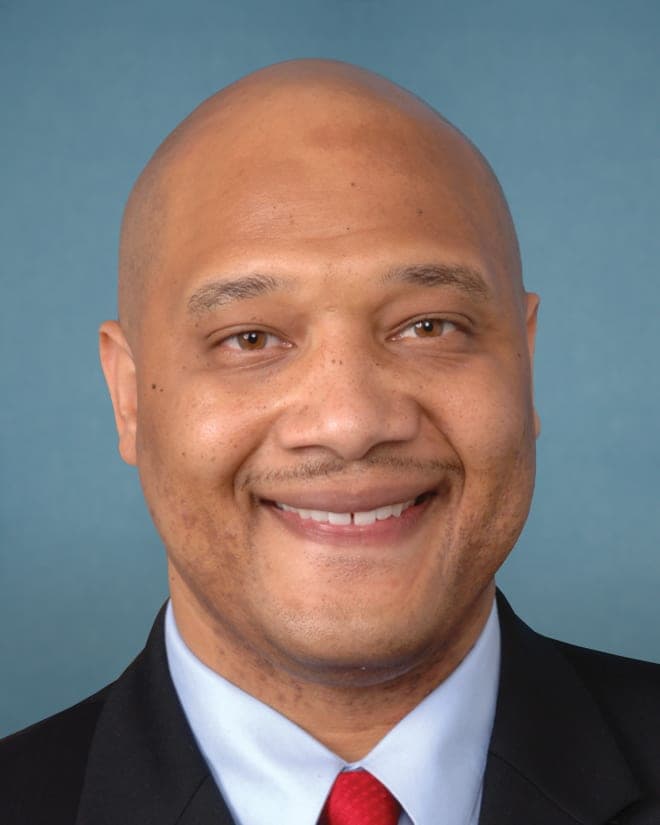 AS
AS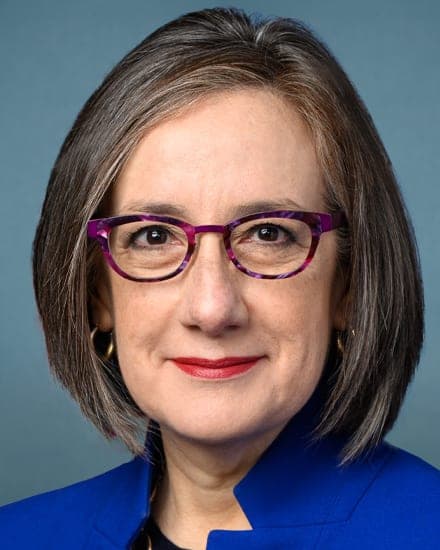 AC
AC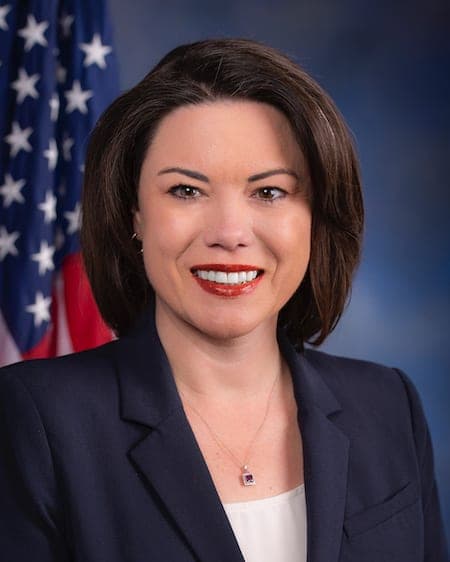 AM
AM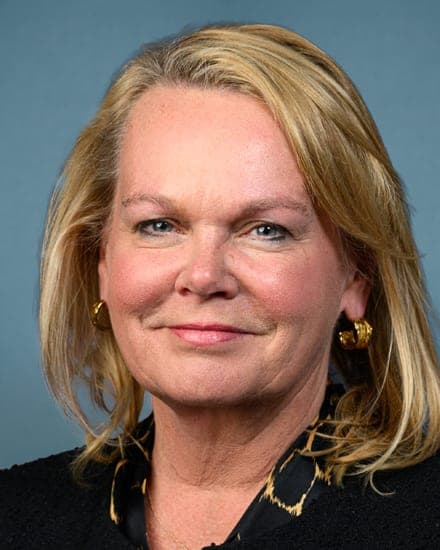 AP
AP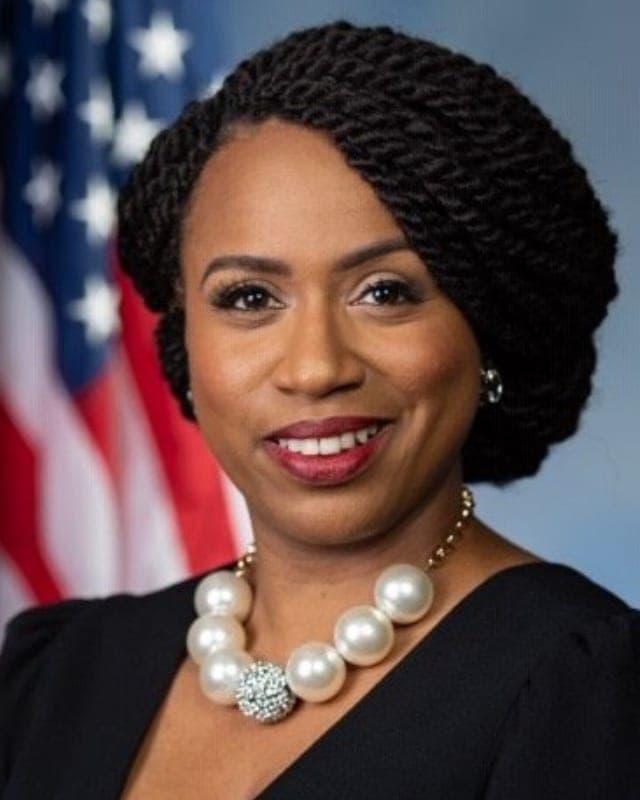 BB
BB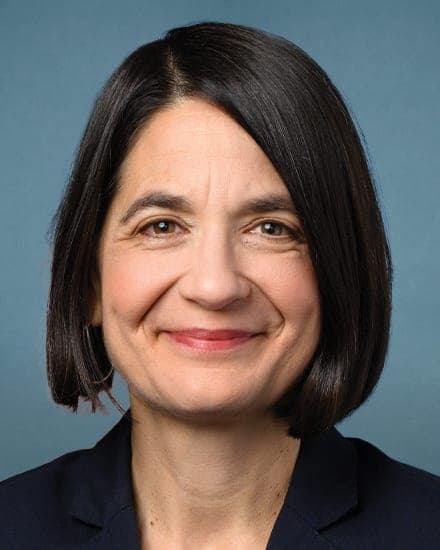 BT
BT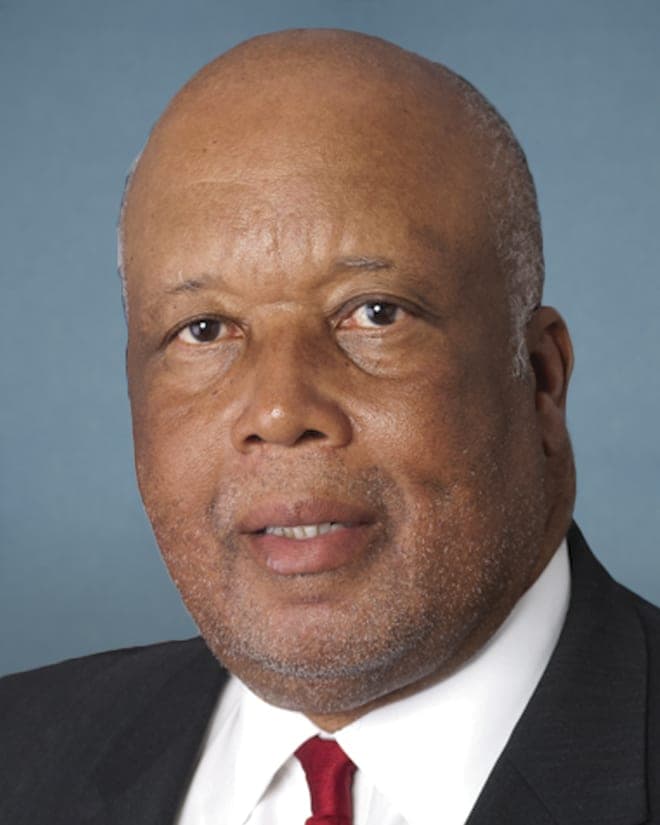 BM
BM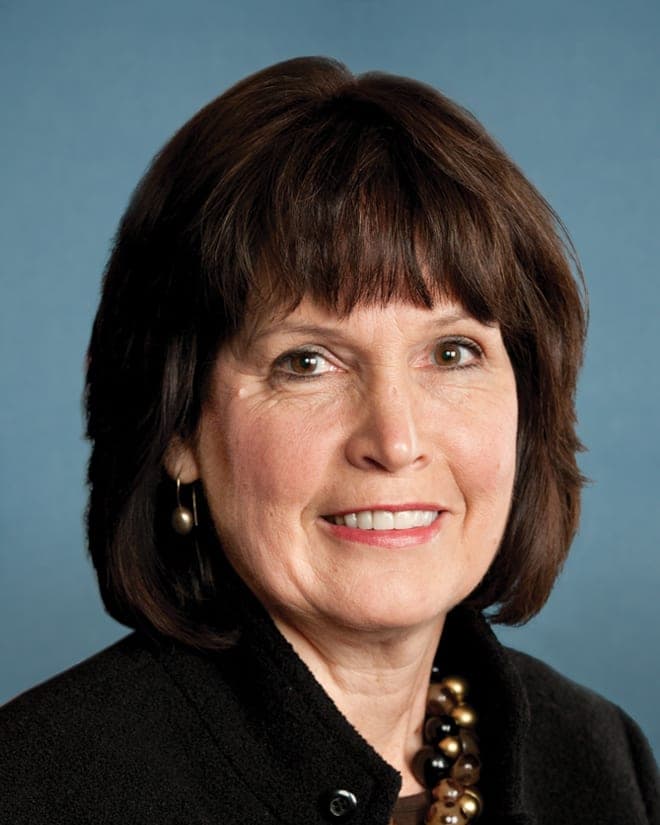 BF
BF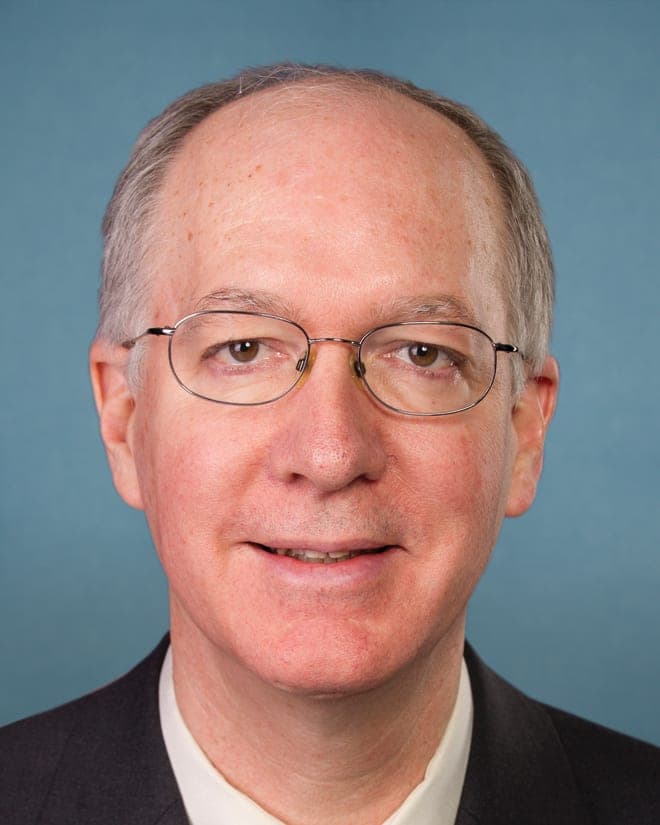 BW
BW BS
BS
Adam Gray
D·California
Adam Smith
D·Washington
Adelita Grijalva
D·Arizona
Adriano Espaillat
D·New York
Al Green
D·Texas
Alexandria Ocasio-Cortez
D·New York
Alma Adams
D·North Carolina
Ami Bera
D·California
Analilia Mejia
D·New Jersey
André Carson
D·Indiana
Andrea Salinas
D·Oregon
Angie Craig
D·Minnesota
April McClain Delaney
D·Maryland
Ayanna Pressley
D·Massachusetts
Becca Balint
D·Vermont
Bennie Thompson
D·Mississippi
Betty McCollum
D·Minnesota
Bill Foster
D·Illinois
Bonnie Watson Coleman
D·New Jersey
Brad Sherman
D·California