17 stories credited to The National Pulse
Latest story Apr 22, 2026 · on ChamberLight since Apr 2026
A story can appear as several articles (copies of the same piece), so counts of stories and of articles differ.
Scores for The National Pulse
Political lean
17 stories · 95% range 84–90 · updated Sep 25, 2026
Originality
17 stories · updated Sep 24, 2026
Writing quality not enough rated stories yet: 7 of 10. How it is measured
Scores last checked Sep 25, 2026.
Stories ChamberLight collected, by month
Stories credited to The National Pulse, by publication date. ChamberLight collects articles that mention the officials it tracks, so this shows its own coverage of this source, not how much the source publishes.
- Stories from The National Pulse
- Shaded: ChamberLight collected no stories, or almost none, from any outlet (a gap in its collection, not in the outlet’s publishing)
Show as a table
| Month | Stories | All outlets |
|---|---|---|
| October 2025 | 1 | 4 (collection gap) |
| November 2025 | 0 | 79 |
| December 2025 | 0 | 27 |
| January 2026 | 2 | 87 |
| February 2026 | 2 | 180 |
| March 2026 | 5 | 1,094 |
| April 2026 | 7 | 4,538 |
| May 2026 | 0 | none collected |
| June 2026 | 0 | none collected |
| July 2026 | 0 | none collected |
| August 2026 | 0 | 1 (collection gap) |
| September 2026 | 0 | 1,320 |
Top topics
Share of this source’s stories tagged with each topic. A story can carry several topics, so the shares do not add up to 100%.
- Ethics/Corruption12
71% of 17 stories · 58% across all outlets
- Foreign Policy10
59% of 17 stories · 29% across all outlets
- Budget/Spending9
53% of 17 stories · 31% across all outlets
- Economy5
29% of 17 stories · 26% across all outlets
- Criminal Justice4
24% of 17 stories · 19% across all outlets
- Immigration3
18% of 17 stories · 13% across all outlets
- Labor/Unions3
18% of 17 stories · 4% across all outlets
- Defense/Military2
12% of 17 stories · 25% across all outlets
The thin mark on each bar is the topic’s share across all outlets.
Who they cover
Party of the officials these stories are mainly about, across all 15 officials named. A story counts once for each official it is mainly about, so the split is over 36 story–official pairs, from 17 stories.
- Republican92% · 33 pairs
- Democrat6% · 2 pairs
- Party not recorded3% · 1 pair
Most covered
Stories mainly about each official, and their share of the source’s 17 stories.
- 1Donald TrumpR8 stories · 47%
- 2Lori Chavez-DeRemerR8 stories · 47%
- 3J. VanceR3 stories · 18%
- 4Bryan SteilR2 stories · 12%
- 5Eric SwalwellD2 stories · 12%
- 6John CornynR2 stories · 12%
- 7John ThuneR2 stories · 12%
- 8Mike JohnsonR2 stories · 12%
- 9Anna Paulina Luna–1 story · 6%
- 10Brandon GillR1 story · 6%
+ 5 other officials (5 story–official pairs)
Article tone
ChamberLight’s article analysis assigns each story a tone toward the official it covers. It describes the coverage of that official, not The National Pulse’s stance, and reader votes do not change it. 17 stories.
- Good Look
- 3 (18%)
- Mixed
- 7 (41%)
- Informational
- 0 (0%)
- Bad Look
- 7 (41%)
Related sources
Lean 95% range 86–90 · updated Sep 25, 2026
Similar lean · 3 shared topics
Lean 95% range 86–92 · updated Sep 25, 2026
Similar lean · 2 shared topics
Lean 95% range 82–89 · updated Sep 25, 2026
Similar lean · 3 shared topics
Lean 95% range 84–95 · updated Sep 25, 2026
Similar lean · 2 shared topics
Lean 95% range 80–88 · updated Sep 25, 2026
Similar lean · 2 shared topics
Lean 95% range 80–87 · updated Sep 25, 2026
Similar lean · 3 shared topics
Challenges to these scores
No one has challenged a score on this page yet. Anyone can; editors publish every outcome here.
Articles served from thenationalpulse.com
36
WATCH: How RNC Insiders Prioritized Cornyn & Lindsey Graham Over Virginia’s Gerrymandering.
The National Pulse Editor-in-Chief Raheem Kassam pointed the finger of blame squarely at former Trump campaign manager Chris LaCivita in a stunning interview on War Room on Wednesday morning. PULSE POINTS WHAT HAPPENED: The National Pulse Editor-in-Chief Raheem Kassam blamed Chris LaCivita and other RINOs at the Republican National Committee (RNC) for spending large sums of money on the likes of John Cornyn (R-TX) and Lindsey Graham (R-SC) instead of allocating resources to a crunch redistricting referendum in Virginia on Tuesday, which the Democrats narrowly won. DETAIL: Kassam blasted LaCivita, President Donald J. Trump‘s former campaign manager, arguing that he and others at the RNC spent far too much money on candidates like Cornyn, who has a long history of backstabbing Trump. Meanwhile, they neglected the Virginia vote, which was close despite the Democrats spending around three times as much per vote on the campaign. While spending only around $20 million in Virginia, LaCivita and others poured over $95 million into Cornyn’s race against Texas Attorney General Ken Paxton—a race Cornyn is expected to lose. KEY QUOTE: “There is a specific set of people who are in charge of the RNC coffers that mismanage money time and again, and guess what? The people who are in charge of this money, like Chris LaCivita and his team, are also the chief campaign consultants for John Cornyn, for Lindsey Graham, and for a host of other RINOs up and down the country. That’s who these people are. They go around Washington, D.C., threatening people and throwing their weight around. It’s time this thing stopped.” – Raheem Kassam. IMPACT: The gerrymandering of Virginia will likely hand the Democrats nearly all of the state’s House seats in November, potentially shifting the balance of power in Congress. RAHEEM KASSAM: There is a specific set of people who are in charge of the RNC coffers that mismanage money time and again, and guess what? The people who are in charge of this money, like Chris LaCivita and his team, are also the chief campaign consultants for John Cornyn, for… pic.twitter.com/pjfv1y1Qpv — Bannon’s WarRoom (@Bannons_WarRoom) April 22, 2026 Join Pulse+ to comment below, and receive exclusive e-mail analyses.
WATCH: How RNC Insiders Prioritized Cornyn & Lindsey Graham Over Virginia’s Gerrymandering.
The National Pulse Editor-in-Chief Raheem Kassam pointed the finger of blame squarely at former Trump campaign manager Chris LaCivita in a stunning interview on War Room on Wednesday morning. PULSE POINTS WHAT HAPPENED: The National Pulse Editor-in-Chief Raheem Kassam blamed Chris LaCivita and other RINOs at the Republican National Committee (RNC) for spending large sums of money on the likes of John Cornyn (R-TX) and Lindsey Graham (R-SC) instead of allocating resources to a crunch redistricting referendum in Virginia on Tuesday, which the Democrats narrowly won. DETAIL: Kassam blasted LaCivita, President Donald J. Trump‘s former campaign manager, arguing that he and others at the RNC spent far too much money on candidates like Cornyn, who has a long history of backstabbing Trump. Meanwhile, they neglected the Virginia vote, which was close despite the Democrats spending around three times as much per vote on the campaign. While spending only around $20 million in Virginia, LaCivita and others poured over $95 million into Cornyn’s race against Texas Attorney General Ken Paxton—a race Cornyn is expected to lose. KEY QUOTE: “There is a specific set of people who are in charge of the RNC coffers that mismanage money time and again, and guess what? The people who are in charge of this money, like Chris LaCivita and his team, are also the chief campaign consultants for John Cornyn, for Lindsey Graham, and for a host of other RINOs up and down the country. That’s who these people are. They go around Washington, D.C., threatening people and throwing their weight around. It’s time this thing stopped.” – Raheem Kassam. IMPACT: The gerrymandering of Virginia will likely hand the Democrats nearly all of the state’s House seats in November, potentially shifting the balance of power in Congress. RAHEEM KASSAM: There is a specific set of people who are in charge of the RNC coffers that mismanage money time and again, and guess what? The people who are in charge of this money, like Chris LaCivita and his team, are also the chief campaign consultants for John Cornyn, for… pic.twitter.com/pjfv1y1Qpv — Bannon’s WarRoom (@Bannons_WarRoom) April 22, 2026 Join Pulse+ to comment below, and receive exclusive e-mail analyses.

You Owe $18 Million to Cover for Congressional Sexual Harrassment.
Congress used taxpayer funds to settle nearly 300 workplace disputes, sparking calls for greater transparency and accountability. PULSE POINTS WHAT HAPPENED: A report revealed that between 1997 and 2019, Congress used over $18 million in taxpayer funds to settle nearly 300 workplace disputes, including claims of sexual harassment. The settlements were handled through the Office of Congressional Workplace Rights (OCWR), with payments coming from the U.S. Treasury. DETAIL: The taxpayer-funded system was established under the Congressional Accountability Act of 1995. Reforms in 2018 mandated that lawmakers repay settlement costs, but despite these changes, critics argue the system still lacks transparency, as the names of the lawmakers involved are often hidden. Calls for greater disclosure have grown, including a recent motion by the House Oversight Committee to subpoena records of past settlements. KEY QUOTE: “A friendly reminder that House Oversight subpoenaed the records of the congressional sexual harassment slush fund and we will be releasing them. Maybe we’ll see more resignations, you never know.” – Rep. Anna Paulina Luna (R-FL) IMPACT: The 2019 report, which covers disputes over issues such as pay and discrimination as well as harassment, is back in the spotlight following allegations of serious misconduct against Rep. Eric Swalwell (D-CA). Swalwell has had to suspend a bid for Governor of California and resign from Congress amid a slew of accusations of sexual harassment and rape, which are being investigated by the authorities in at least two states. FLASHBACK: House Oversight Committee passed a motion from Rep. Nancy Mace (R-SC) to subpoena the OCWR in March. It ordered “the release of all awards and settlements paid pursuant to Section 415 of the Congressional Accountability Act prior to December 12, 2018 for misconduct by Members of Congress.” Join Pulse+ to comment below, and receive exclusive e-mail analyses.
You Owe $18 Million to Cover for Congressional Sexual Harrassment.
Congress used taxpayer funds to settle nearly 300 workplace disputes, sparking calls for greater transparency and accountability. PULSE POINTS WHAT HAPPENED: A report revealed that between 1997 and 2019, Congress used over $18 million in taxpayer funds to settle nearly 300 workplace disputes, including claims of sexual harassment. The settlements were handled through the Office of Congressional Workplace Rights (OCWR), with payments coming from the U.S. Treasury. DETAIL: The taxpayer-funded system was established under the Congressional Accountability Act of 1995. Reforms in 2018 mandated that lawmakers repay settlement costs, but despite these changes, critics argue the system still lacks transparency, as the names of the lawmakers involved are often hidden. Calls for greater disclosure have grown, including a recent motion by the House Oversight Committee to subpoena records of past settlements. KEY QUOTE: “A friendly reminder that House Oversight subpoenaed the records of the congressional sexual harassment slush fund and we will be releasing them. Maybe we’ll see more resignations, you never know.” – Rep. Anna Paulina Luna (R-FL) IMPACT: The 2019 report, which covers disputes over issues such as pay and discrimination as well as harassment, is back in the spotlight following allegations of serious misconduct against Rep. Eric Swalwell (D-CA). Swalwell has had to suspend a bid for Governor of California and resign from Congress amid a slew of accusations of sexual harassment and rape, which are being investigated by the authorities in at least two states. FLASHBACK: House Oversight Committee passed a motion from Rep. Nancy Mace (R-SC) to subpoena the OCWR in March. It ordered “the release of all awards and settlements paid pursuant to Section 415 of the Congressional Accountability Act prior to December 12, 2018 for misconduct by Members of Congress.” Join Pulse+ to comment below, and receive exclusive e-mail analyses.
You Owe $18 Million to Cover for Congressional Sexual Harrassment.
Congress used taxpayer funds to settle nearly 300 workplace disputes, sparking calls for greater transparency and accountability. PULSE POINTS WHAT HAPPENED: A report revealed that between 1997 and 2019, Congress used over $18 million in taxpayer funds to settle nearly 300 workplace disputes, including claims of sexual harassment. The settlements were handled through the Office of Congressional Workplace Rights (OCWR), with payments coming from the U.S. Treasury. DETAIL: The taxpayer-funded system was established under the Congressional Accountability Act of 1995. Reforms in 2018 mandated that lawmakers repay settlement costs, but despite these changes, critics argue the system still lacks transparency, as the names of the lawmakers involved are often hidden. Calls for greater disclosure have grown, including a recent motion by the House Oversight Committee to subpoena records of past settlements. KEY QUOTE: “A friendly reminder that House Oversight subpoenaed the records of the congressional sexual harassment slush fund and we will be releasing them. Maybe we’ll see more resignations, you never know.” – Rep. Anna Paulina Luna (R-FL) IMPACT: The 2019 report, which covers disputes over issues such as pay and discrimination as well as harassment, is back in the spotlight following allegations of serious misconduct against Rep. Eric Swalwell (D-CA). Swalwell has had to suspend a bid for Governor of California and resign from Congress amid a slew of accusations of sexual harassment and rape, which are being investigated by the authorities in at least two states. FLASHBACK: House Oversight Committee passed a motion from Rep. Nancy Mace (R-SC) to subpoena the OCWR in March. It ordered “the release of all awards and settlements paid pursuant to Section 415 of the Congressional Accountability Act prior to December 12, 2018 for misconduct by Members of Congress.” Join Pulse+ to comment below, and receive exclusive e-mail analyses.

Senate Passes Brief Extension of FISA Surveillance Powers After Fight Among House GOP.
A divided House approved a short-term extension of controversial FISA surveillance powers overnight after a group of Republican lawmakers derailed a longer-term extension; the Senate has since approved the stopgap measure. PULSE POINTS WHAT HAPPENED: The House of Representatives passed a 10-day extension of Section 702 of the Foreign Intelligence Surveillance Act (FISA) early Friday morning, following a series of overnight votes in which a group of 20 Republican lawmakers demanding broad reforms to the surveillance powers derailed a longer extension. The Senate passed the stopgap extension later the same morning. DETAIL: Section 702 of FISA allows U.S. intelligence agencies to monitor communications of non-citizens abroad without a standard warrant. It is seen by supporters as a critical tool for national security. However, some House Republicans are demanding reforms, including requiring warrants for surveillance to prevent potential abuses against U.S. citizens deemed to be in contact with foreign targets. Speaker Mike Johnson (R-LA) initially pushed for an 18-month extension, but opposition from elements within the House GOP led to the shorter 10-day stopgap. IMPACT: The short-term extension was passed unanimously by the Senate, preventing the surveillance powers from lapsing on Monday. “We just can’t afford to go dark,” said Senate Majority Leader John Thune (R-SD) on the stopgap, while recognizing that the fight over Section 702 will have to be resolved promptly. “[W]e’ve got to figure it out. Hopefully we can move the 10-day extension and then we’ll try and set things up to try to do something over here,” he said. FLASHBACK: While President Trump has backed a long-term FISA powers extension, he has criticized them in the past after they were weaponized against him during the Russia collusion investigation at the beginning of his first administration. On Tuesday, he wrote on his Truth Social platform in support of a FISA extension, “While parts of FISA were illegally and unfortunately used against me in the Democrats’ disgraceful Witch Hunt and Attack in the RUSSIA, RUSSIA, RUSSIA Hoax, and perhaps would be used against me in the future, I am willing to risk the giving up of my Rights and Privileges as a Citizen for our Great Military and Country!” Image by Ted Eytan. Join Pulse+ to comment below, and receive exclusive e-mail analyses.
Senate Passes Brief Extension of FISA Surveillance Powers After Fight Among House GOP.
A divided House approved a short-term extension of controversial FISA surveillance powers overnight after a group of Republican lawmakers derailed a longer-term extension; the Senate has since approved the stopgap measure. PULSE POINTS WHAT HAPPENED: The House of Representatives passed a 10-day extension of Section 702 of the Foreign Intelligence Surveillance Act (FISA) early Friday morning, following a series of overnight votes in which a group of 20 Republican lawmakers demanding broad reforms to the surveillance powers derailed a longer extension. The Senate passed the stopgap extension later the same morning. DETAIL: Section 702 of FISA allows U.S. intelligence agencies to monitor communications of non-citizens abroad without a standard warrant. It is seen by supporters as a critical tool for national security. However, some House Republicans are demanding reforms, including requiring warrants for surveillance to prevent potential abuses against U.S. citizens deemed to be in contact with foreign targets. Speaker Mike Johnson (R-LA) initially pushed for an 18-month extension, but opposition from elements within the House GOP led to the shorter 10-day stopgap. IMPACT: The short-term extension was passed unanimously by the Senate, preventing the surveillance powers from lapsing on Monday. “We just can’t afford to go dark,” said Senate Majority Leader John Thune (R-SD) on the stopgap, while recognizing that the fight over Section 702 will have to be resolved promptly. “[W]e’ve got to figure it out. Hopefully we can move the 10-day extension and then we’ll try and set things up to try to do something over here,” he said. FLASHBACK: While President Trump has backed a long-term FISA powers extension, he has criticized them in the past after they were weaponized against him during the Russia collusion investigation at the beginning of his first administration. On Tuesday, he wrote on his Truth Social platform in support of a FISA extension, “While parts of FISA were illegally and unfortunately used against me in the Democrats’ disgraceful Witch Hunt and Attack in the RUSSIA, RUSSIA, RUSSIA Hoax, and perhaps would be used against me in the future, I am willing to risk the giving up of my Rights and Privileges as a Citizen for our Great Military and Country!” Image by Ted Eytan. Join Pulse+ to comment below, and receive exclusive e-mail analyses.
Senate Passes Brief Extension of FISA Surveillance Powers After Fight Among House GOP.
A divided House approved a short-term extension of controversial FISA surveillance powers overnight after a group of Republican lawmakers derailed a longer-term extension; the Senate has since approved the stopgap measure. PULSE POINTS WHAT HAPPENED: The House of Representatives passed a 10-day extension of Section 702 of the Foreign Intelligence Surveillance Act (FISA) early Friday morning, following a series of overnight votes in which a group of 20 Republican lawmakers demanding broad reforms to the surveillance powers derailed a longer extension. The Senate passed the stopgap extension later the same morning. DETAIL: Section 702 of FISA allows U.S. intelligence agencies to monitor communications of non-citizens abroad without a standard warrant. It is seen by supporters as a critical tool for national security. However, some House Republicans are demanding reforms, including requiring warrants for surveillance to prevent potential abuses against U.S. citizens deemed to be in contact with foreign targets. Speaker Mike Johnson (R-LA) initially pushed for an 18-month extension, but opposition from elements within the House GOP led to the shorter 10-day stopgap. IMPACT: The short-term extension was passed unanimously by the Senate, preventing the surveillance powers from lapsing on Monday. “We just can’t afford to go dark,” said Senate Majority Leader John Thune (R-SD) on the stopgap, while recognizing that the fight over Section 702 will have to be resolved promptly. “[W]e’ve got to figure it out. Hopefully we can move the 10-day extension and then we’ll try and set things up to try to do something over here,” he said. FLASHBACK: While President Trump has backed a long-term FISA powers extension, he has criticized them in the past after they were weaponized against him during the Russia collusion investigation at the beginning of his first administration. On Tuesday, he wrote on his Truth Social platform in support of a FISA extension, “While parts of FISA were illegally and unfortunately used against me in the Democrats’ disgraceful Witch Hunt and Attack in the RUSSIA, RUSSIA, RUSSIA Hoax, and perhaps would be used against me in the future, I am willing to risk the giving up of my Rights and Privileges as a Citizen for our Great Military and Country!” Image by Ted Eytan. Join Pulse+ to comment below, and receive exclusive e-mail analyses.

Iranian House Democrat Wants to Impeach Secretary of War Pete Hegseth.
PULSE POINTS WHAT HAPPENED: Representative Yassamin Ansari (D-AZ) announced early Tuesday that she will introduce articles of impeachment in the House of Representatives against Secretary of War Pete Hegseth, alleging he is aiding in the commission of war crimes against civilian targets in the Islamic Republic of Iran. WHO WAS INVOLVED: Rep. Yassamin Ansari, Sec. Pete Hegseth, President Donald J. Trump, House Democrats, and House Republicans. WHEN & WHERE: Ansari announced her impeachment push in a video posted to X (formerly Twitter) early Tuesday, April 7, 2026. KEY QUOTE: “As a chief enabler of this illegal war, Pete Hegseth is responsible for directing this insane military action against Iran, which has already killed thousands of civilians, led to the unnecessary deaths of American service members, and displaced over a million people in the region.” — Rep. Ansari IMPACT: House Democrats have attempted to impeach Hegseth before, via a push based on false reports that the Secretary of War ordered a secondary strike on cartel operatives aboard a drug boat who had survived an initial attack. IN FULL Representative Yassamin Ansari (D-AZ) announced early Tuesday that she will introduce articles of impeachment in the House of Representatives against Secretary of War Pete Hegseth, alleging he is aiding in the commission of war crimes against civilian targets in the Islamic Republic of Iran. The Arizona Democrat lawmaker cited President Donald J. Trump’s threat to hit Iranian power plants, desalination plants, and bridges if the Islamist regime does not agree to reopen the Strait of Hormuz by 8:00 PM EST tonight. “What we have seen out of the Trump administration over this weekend has been absolutely horrifying,” Rep. Ansari—the child of Iranian immigrants—said in a video posted to X (formerly Twitter). She continued, “The threats against Iranian civilian infrastructure and the entire country of Iran are unreal and apocalyptic… Iran is a country of 90 million people. Threatening them with annihilation is a monstrous war crime.” “As a chief enabler of this illegal war, Pete Hegseth is responsible for directing this insane military action against Iran; which has already killed thousands of civilians, led to the unnecessary deaths of American service members, and displaced over a million people in the region,” Ansari added. “That’s why I’m introducing articles of impeachment against Hegseth for repeatedly violating his oath of office and the Constitution, including the disregard of Congress and the willful targeting of civilian infrastructure in Iran.” I’m introducing Articles of Impeachment against Pete Hegseth. Here’s why. pic.twitter.com/mMblG7tA7s — Congresswoman Yassamin Ansari (@RepYassAnsari) April 7, 2026 Notably, this is not the first time House Democrats have attempted to impeach Trump’s Secretary of War. The National Pulse reported last December that Rep. Shri Thanedar (D-MI) filed articles of impeachment against Hegseth, citing false reports alleging that the Secretary of War ordered a secondary strike on cartel operatives aboard a drug boat who had survived an initial attack. Thanedar’s impeachment push gained little traction, and the articles were never adopted. Join Pulse+ to comment below, and receive exclusive e-mail analyses. The post Iranian House Democrat Wants to Impeach Secretary of War Pete Hegseth. appeared first on The National Pulse.
Iranian House Democrat Wants to Impeach Secretary of War Pete Hegseth.
PULSE POINTS WHAT HAPPENED: Representative Yassamin Ansari (D-AZ) announced early Tuesday that she will introduce articles of impeachment in the House of Representatives against Secretary of War Pete Hegseth, alleging he is aiding in the commission of war crimes against civilian targets in the Islamic Republic of Iran. WHO WAS INVOLVED: Rep. Yassamin Ansari, Sec. Pete Hegseth, President Donald J. Trump, House Democrats, and House Republicans. WHEN & WHERE: Ansari announced her impeachment push in a video posted to X (formerly Twitter) early Tuesday, April 7, 2026. KEY QUOTE: “As a chief enabler of this illegal war, Pete Hegseth is responsible for directing this insane military action against Iran, which has already killed thousands of civilians, led to the unnecessary deaths of American service members, and displaced over a million people in the region.” — Rep. Ansari IMPACT: House Democrats have attempted to impeach Hegseth before, via a push based on false reports that the Secretary of War ordered a secondary strike on cartel operatives aboard a drug boat who had survived an initial attack. IN FULL Representative Yassamin Ansari (D-AZ) announced early Tuesday that she will introduce articles of impeachment in the House of Representatives against Secretary of War Pete Hegseth, alleging he is aiding in the commission of war crimes against civilian targets in the Islamic Republic of Iran. The Arizona Democrat lawmaker cited President Donald J. Trump’s threat to hit Iranian power plants, desalination plants, and bridges if the Islamist regime does not agree to reopen the Strait of Hormuz by 8:00 PM EST tonight. “What we have seen out of the Trump administration over this weekend has been absolutely horrifying,” Rep. Ansari—the child of Iranian immigrants—said in a video posted to X (formerly Twitter). She continued, “The threats against Iranian civilian infrastructure and the entire country of Iran are unreal and apocalyptic… Iran is a country of 90 million people. Threatening them with annihilation is a monstrous war crime.” “As a chief enabler of this illegal war, Pete Hegseth is responsible for directing this insane military action against Iran; which has already killed thousands of civilians, led to the unnecessary deaths of American service members, and displaced over a million people in the region,” Ansari added. “That’s why I’m introducing articles of impeachment against Hegseth for repeatedly violating his oath of office and the Constitution, including the disregard of Congress and the willful targeting of civilian infrastructure in Iran.” I’m introducing Articles of Impeachment against Pete Hegseth. Here’s why. pic.twitter.com/mMblG7tA7s — Congresswoman Yassamin Ansari (@RepYassAnsari) April 7, 2026 Notably, this is not the first time House Democrats have attempted to impeach Trump’s Secretary of War. The National Pulse reported last December that Rep. Shri Thanedar (D-MI) filed articles of impeachment against Hegseth, citing false reports alleging that the Secretary of War ordered a secondary strike on cartel operatives aboard a drug boat who had survived an initial attack. Thanedar’s impeachment push gained little traction, and the articles were never adopted. Join Pulse+ to comment below, and receive exclusive e-mail analyses. The post Iranian House Democrat Wants to Impeach Secretary of War Pete Hegseth. appeared first on The National Pulse.

EXC: A Bill to Block Illegal Immigrants from U.S. Banking Gets the Nod from Trump’s Treasury.
PULSE POINTS WHAT HAPPENED: Senator Tom Cotton introduced the Know Your American Customer Act to ban illegal migrants from accessing the U.S. banking system, and a statement from the Treasury to The National Pulse appears to embrace it. WHO WAS INVOLVED: Senator Tom Cotton (R-AR), U.S. financial institutions, and illegal migrants. WHEN & WHERE: March 2026, Washington, DC. KEY QUOTE: “U.S. Treasury remains committed to supporting the President’s agenda with all available tools, including the targeted use of anti-money laundering capabilities.” – Treasury spokesman. IMPACT: The bill aims to ensure that U.S. financial institutions comply with immigration laws and prevent illegal migrants from using banking services. IN FULL Senator Tom Cotton (R-AR) has introduced the Know Your American Customer Act, a bill designed to restrict illegal migrants from accessing the American banking system. The legislation mandates that U.S. financial institutions verify the legal status of new customers to ensure compliance with immigration laws. A statement from the Treasury to The National Pulse appears to be broadly supportive of the move. The bill would require banks and credit unions insured by the FDIC or NCUA to confirm that individuals opening new accounts are U.S. citizens, permanent residents, or legally present on a valid visa. Customers would need to present identification, such as a driver’s license or passport, along with proof of legal status. Existing customers would be grandfathered into the system, allowing them to maintain or open new accounts at their current institutions. However, it would become a federal crime for illegal migrants to open or maintain accounts at covered institutions under the proposed law. In 2025, Senator Cotton sent a letter to Treasury Secretary Scott Bessent, urging a review of current rules regarding illegal immigrant access to the U.S. banking system. Cotton emphasized the importance of upholding sovereignty and ensuring that financial institutions do not inadvertently assist in breaking immigration laws. Speaking exclusively to The National Pulse, a Treasury spokesman said: “President Trump has taken a stronger stance against illegal immigration than any president in history, securing our border on day one and leading a government-wide effort to stop the flow of criminals and deadly fentanyl into our country. U.S. Treasury remains committed to supporting the President’s agenda with all available tools, including the targeted use of anti-money laundering capabilities, to protect American citizens from illegal aliens and cartels.” “Access to the American banking system is a privilege that should only be reserved for those who respect our laws and sovereignty,” Senator Cotton stated. Join Pulse+ to comment below, and receive exclusive e-mail analyses. The post EXC: A Bill to Block Illegal Immigrants from U.S. Banking Gets the Nod from Trump’s Treasury. appeared first on The National Pulse.
EXC: A Bill to Block Illegal Immigrants from U.S. Banking Gets the Nod from Trump’s Treasury.
PULSE POINTS WHAT HAPPENED: Senator Tom Cotton introduced the Know Your American Customer Act to ban illegal migrants from accessing the U.S. banking system, and a statement from the Treasury to The National Pulse appears to embrace it. WHO WAS INVOLVED: Senator Tom Cotton (R-AR), U.S. financial institutions, and illegal migrants. WHEN & WHERE: March 2026, Washington, DC. KEY QUOTE: “U.S. Treasury remains committed to supporting the President’s agenda with all available tools, including the targeted use of anti-money laundering capabilities.” – Treasury spokesman. IMPACT: The bill aims to ensure that U.S. financial institutions comply with immigration laws and prevent illegal migrants from using banking services. IN FULL Senator Tom Cotton (R-AR) has introduced the Know Your American Customer Act, a bill designed to restrict illegal migrants from accessing the American banking system. The legislation mandates that U.S. financial institutions verify the legal status of new customers to ensure compliance with immigration laws. A statement from the Treasury to The National Pulse appears to be broadly supportive of the move. The bill would require banks and credit unions insured by the FDIC or NCUA to confirm that individuals opening new accounts are U.S. citizens, permanent residents, or legally present on a valid visa. Customers would need to present identification, such as a driver’s license or passport, along with proof of legal status. Existing customers would be grandfathered into the system, allowing them to maintain or open new accounts at their current institutions. However, it would become a federal crime for illegal migrants to open or maintain accounts at covered institutions under the proposed law. In 2025, Senator Cotton sent a letter to Treasury Secretary Scott Bessent, urging a review of current rules regarding illegal immigrant access to the U.S. banking system. Cotton emphasized the importance of upholding sovereignty and ensuring that financial institutions do not inadvertently assist in breaking immigration laws. Speaking exclusively to The National Pulse, a Treasury spokesman said: “President Trump has taken a stronger stance against illegal immigration than any president in history, securing our border on day one and leading a government-wide effort to stop the flow of criminals and deadly fentanyl into our country. U.S. Treasury remains committed to supporting the President’s agenda with all available tools, including the targeted use of anti-money laundering capabilities, to protect American citizens from illegal aliens and cartels.” “Access to the American banking system is a privilege that should only be reserved for those who respect our laws and sovereignty,” Senator Cotton stated. Join Pulse+ to comment below, and receive exclusive e-mail analyses. The post EXC: A Bill to Block Illegal Immigrants from U.S. Banking Gets the Nod from Trump’s Treasury. appeared first on The National Pulse.
Dems Reverse Support for Laken Riley Act to Appease Far Left.
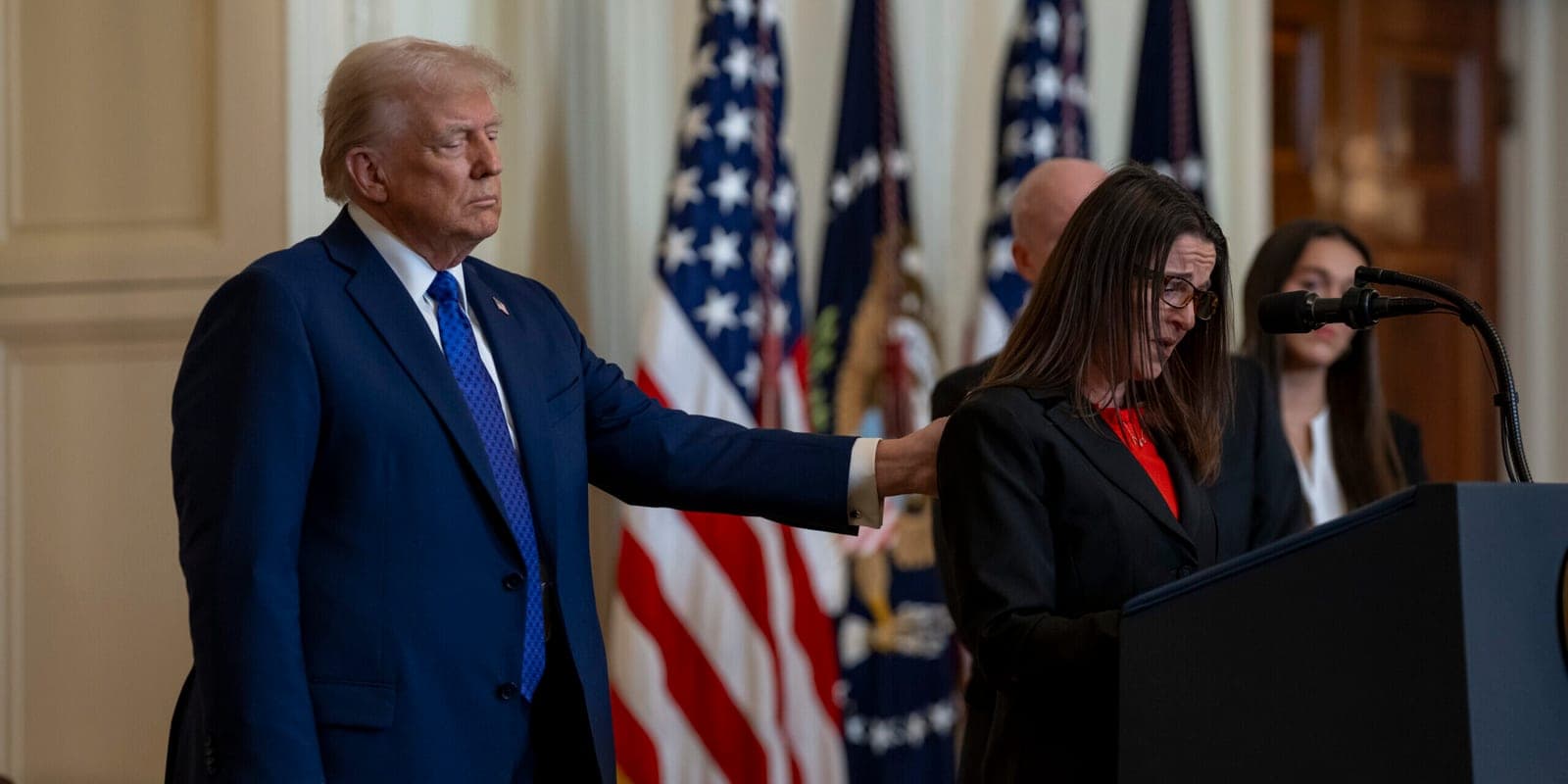
PULSE POINTS WHAT HAPPENED: Democrat lawmakers are retracting their support for the Laken Riley Act, backed by President Donald J. Trump, as they face primary pressure from the pro-illegal immigrant far left. WHO WAS INVOLVED: Representative Angie Craig (D-MN), Sen. Mark Warner (D-VA), Rep. April McClain Delaney (D-MD), and Rep. Jahana Hayes (D-CT) are among those disavowing the law. WHEN & WHERE: The disavowals are occurring in 2026 as the party prepares for internal primaries. KEY QUOTE: “I regret my vote,” wrote Rep. Angie Craig in a local newspaper. IMPACT: The shift in stance reflects the growing influence of the far left in the Democrats’ internal party dynamics. IN FULL As the Democratic Party faces internal primary contests, several of its lawmakers have begun to distance themselves from the Laken Riley Act, a law championed by President Donald J. Trump that mandates the detention of non-citizens arrested for various crimes committed within the United States. The Act was passed with some Democrat support in late January 2025, following the murder of Laken Riley, a 22-year-old university student from the state of Georgia, by Venezuelan illegal immigrant José Antonio Ibarra. At the time of the murder, he was at large despite having previously been charged with “acting in a manner to injure a child less than 17 and a motor vehicle license violation.” Representative Angie Craig of Minnesota, facing criticism from a progressive opponent in the race for the Democrat Senate nomination in Minnesota, said of her prior support for the Act, “I regret my vote.” Joining Craig in retracting support are Senator Mark Warner (D-VA), Rep. April McClain Delaney (D-MD), and Rep. Jahana Hayes (D-CT), all of whom have faced increasing pressure from leftist factions within their party. Ibarra was convicted of both felony and malicious murder, kidnapping with bodily injury, aggravated battery and aggravated assault with intent to rape, false imprisonment, hindering an emergency phone call, concealing the death of another person, and criminal invasion of privacy. Join Pulse+ to comment below, and receive exclusive e-mail analyses. The post Dems Reverse Support for Laken Riley Act to Appease Far Left. appeared first on The National Pulse.
Dems Reverse Support for Laken Riley Act to Appease Far Left.
PULSE POINTS WHAT HAPPENED: Democrat lawmakers are retracting their support for the Laken Riley Act, backed by President Donald J. Trump, as they face primary pressure from the pro-illegal immigrant far left. WHO WAS INVOLVED: Representative Angie Craig (D-MN), Sen. Mark Warner (D-VA), Rep. April McClain Delaney (D-MD), and Rep. Jahana Hayes (D-CT) are among those disavowing the law. WHEN & WHERE: The disavowals are occurring in 2026 as the party prepares for internal primaries. KEY QUOTE: “I regret my vote,” wrote Rep. Angie Craig in a local newspaper. IMPACT: The shift in stance reflects the growing influence of the far left in the Democrats’ internal party dynamics. IN FULL As the Democratic Party faces internal primary contests, several of its lawmakers have begun to distance themselves from the Laken Riley Act, a law championed by President Donald J. Trump that mandates the detention of non-citizens arrested for various crimes committed within the United States. The Act was passed with some Democrat support in late January 2025, following the murder of Laken Riley, a 22-year-old university student from the state of Georgia, by Venezuelan illegal immigrant José Antonio Ibarra. At the time of the murder, he was at large despite having previously been charged with “acting in a manner to injure a child less than 17 and a motor vehicle license violation.” Representative Angie Craig of Minnesota, facing criticism from a progressive opponent in the race for the Democrat Senate nomination in Minnesota, said of her prior support for the Act, “I regret my vote.” Joining Craig in retracting support are Senator Mark Warner (D-VA), Rep. April McClain Delaney (D-MD), and Rep. Jahana Hayes (D-CT), all of whom have faced increasing pressure from leftist factions within their party. Ibarra was convicted of both felony and malicious murder, kidnapping with bodily injury, aggravated battery and aggravated assault with intent to rape, false imprisonment, hindering an emergency phone call, concealing the death of another person, and criminal invasion of privacy. Join Pulse+ to comment below, and receive exclusive e-mail analyses. The post Dems Reverse Support for Laken Riley Act to Appease Far Left. appeared first on The National Pulse.
Senate Unanimously Approves DHS Funding – But Now It Must Pass the House.
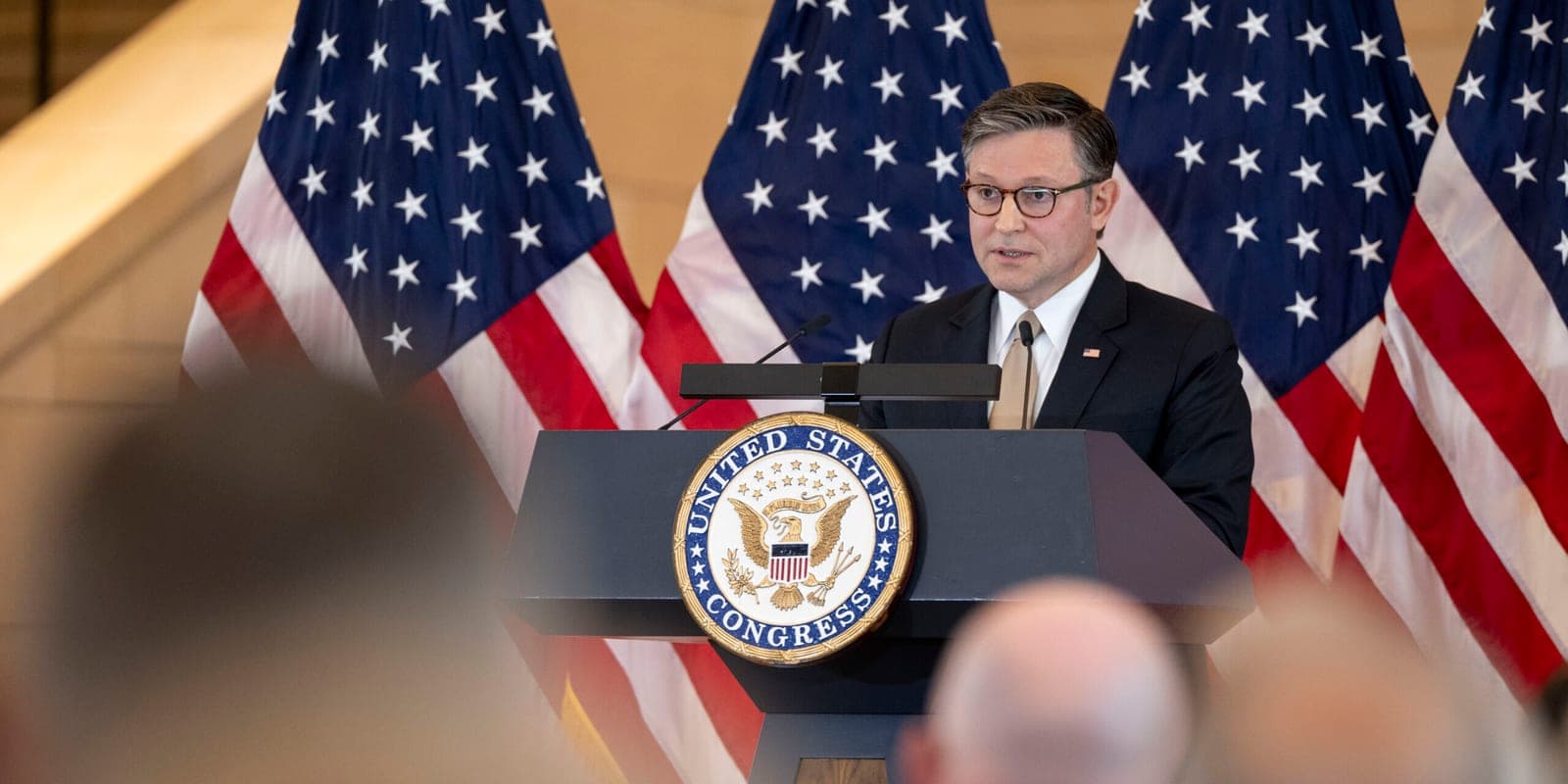
PULSE POINTS WHAT HAPPENED: The U.S. Senate unanimously passed a bill to partially reopen the Department of Homeland Security (DHS), with the funding deal now advancing to the House for approval. WHO WAS INVOLVED: Senate Majority Leader John Thune (R-SD), House Speaker Mike Johnson (R-LA), and members of Congress in both chambers. WHEN & WHERE: The Senate vote took place on Thursday in Washington, D.C., as Congress approaches a two-week recess. IMPACT: The bill’s passage signals a potential resolution to the partial government shutdown, contingent on further action by the House. IN FULL The U.S. Senate unanimously approved a bill on Thursday to partially reopen the Department of Homeland Security (DHS), marking a step toward ending the longest-ever partial government shutdown. Last week, House Republicans rejected a nearly identical funding bill over its failure to include appropriations for U.S. Immigration and Customs Enforcement (ICE) and Customs and Border Protection (CBP) deportation operations. However, on Wednesday, President Donald J. Trump assured Republican lawmakers that DHS immigration enforcement operations will be funded through the end of his term in a second budget reconciliation bill he intends to sign by June 1. With the deal’s adoption by the Senate, the DHS funding bill will now be sent back to the House for consideration. Still, the timeline for a House vote remains unclear, as lawmakers are currently on a two-week recess. Despite this, brief “pro forma” sessions continue on Capitol Hill, meaning Speaker Mike Johnson (R-LA) could bring the bill to the floor for adoption by unanimous consent, barring any objections. Notably, the Senate vote follows a joint statement issued on Wednesday by Senate Majority Leader John Thune (R-SD) and Speaker Johnson laying out their plan for a two-step process to reopen DHS and fund ICE and CBP. Earlier in the day, President Trump announced that his administration was working with Republican lawmakers to craft a new budget reconciliation bill to fund the immigration enforcement operations and deportation actions, with the reconciliation process allowing the Senate to effectively circumvent the Democrat filibuster blocking the funding. Join Pulse+ to comment below, and receive exclusive e-mail analyses. The post Senate Unanimously Approves DHS Funding – But Now It Must Pass the House. appeared first on The National Pulse.
Senate Unanimously Approves DHS Funding – But Now It Must Pass the House.
PULSE POINTS WHAT HAPPENED: The U.S. Senate unanimously passed a bill to partially reopen the Department of Homeland Security (DHS), with the funding deal now advancing to the House for approval. WHO WAS INVOLVED: Senate Majority Leader John Thune (R-SD), House Speaker Mike Johnson (R-LA), and members of Congress in both chambers. WHEN & WHERE: The Senate vote took place on Thursday in Washington, D.C., as Congress approaches a two-week recess. IMPACT: The bill’s passage signals a potential resolution to the partial government shutdown, contingent on further action by the House. IN FULL The U.S. Senate unanimously approved a bill on Thursday to partially reopen the Department of Homeland Security (DHS), marking a step toward ending the longest-ever partial government shutdown. Last week, House Republicans rejected a nearly identical funding bill over its failure to include appropriations for U.S. Immigration and Customs Enforcement (ICE) and Customs and Border Protection (CBP) deportation operations. However, on Wednesday, President Donald J. Trump assured Republican lawmakers that DHS immigration enforcement operations will be funded through the end of his term in a second budget reconciliation bill he intends to sign by June 1. With the deal’s adoption by the Senate, the DHS funding bill will now be sent back to the House for consideration. Still, the timeline for a House vote remains unclear, as lawmakers are currently on a two-week recess. Despite this, brief “pro forma” sessions continue on Capitol Hill, meaning Speaker Mike Johnson (R-LA) could bring the bill to the floor for adoption by unanimous consent, barring any objections. Notably, the Senate vote follows a joint statement issued on Wednesday by Senate Majority Leader John Thune (R-SD) and Speaker Johnson laying out their plan for a two-step process to reopen DHS and fund ICE and CBP. Earlier in the day, President Trump announced that his administration was working with Republican lawmakers to craft a new budget reconciliation bill to fund the immigration enforcement operations and deportation actions, with the reconciliation process allowing the Senate to effectively circumvent the Democrat filibuster blocking the funding. Join Pulse+ to comment below, and receive exclusive e-mail analyses. The post Senate Unanimously Approves DHS Funding – But Now It Must Pass the House. appeared first on The National Pulse.
Senate Unanimously Approves DHS Funding – But Now It Must Pass the House.
PULSE POINTS WHAT HAPPENED: The U.S. Senate unanimously passed a bill to partially reopen the Department of Homeland Security (DHS), with the funding deal now advancing to the House for approval. WHO WAS INVOLVED: Senate Majority Leader John Thune (R-SD), House Speaker Mike Johnson (R-LA), and members of Congress in both chambers. WHEN & WHERE: The Senate vote took place on Thursday in Washington, D.C., as Congress approaches a two-week recess. IMPACT: The bill’s passage signals a potential resolution to the partial government shutdown, contingent on further action by the House. IN FULL The U.S. Senate unanimously approved a bill on Thursday to partially reopen the Department of Homeland Security (DHS), marking a step toward ending the longest-ever partial government shutdown. Last week, House Republicans rejected a nearly identical funding bill over its failure to include appropriations for U.S. Immigration and Customs Enforcement (ICE) and Customs and Border Protection (CBP) deportation operations. However, on Wednesday, President Donald J. Trump assured Republican lawmakers that DHS immigration enforcement operations will be funded through the end of his term in a second budget reconciliation bill he intends to sign by June 1. With the deal’s adoption by the Senate, the DHS funding bill will now be sent back to the House for consideration. Still, the timeline for a House vote remains unclear, as lawmakers are currently on a two-week recess. Despite this, brief “pro forma” sessions continue on Capitol Hill, meaning Speaker Mike Johnson (R-LA) could bring the bill to the floor for adoption by unanimous consent, barring any objections. Notably, the Senate vote follows a joint statement issued on Wednesday by Senate Majority Leader John Thune (R-SD) and Speaker Johnson laying out their plan for a two-step process to reopen DHS and fund ICE and CBP. Earlier in the day, President Trump announced that his administration was working with Republican lawmakers to craft a new budget reconciliation bill to fund the immigration enforcement operations and deportation actions, with the reconciliation process allowing the Senate to effectively circumvent the Democrat filibuster blocking the funding. Join Pulse+ to comment below, and receive exclusive e-mail analyses. The post Senate Unanimously Approves DHS Funding – But Now It Must Pass the House. appeared first on The National Pulse.

GOP Senator Introduces Bill to Debank Illegal Migrants.
PULSE POINTS WHAT HAPPENED: Legislation was introduced to ban illegal migrants from accessing the American banking system. WHO WAS INVOLVED: Senator Tom Cotton (R-AR) and U.S. financial institutions. WHEN & WHERE: Introduced in 2025, targeting U.S. banking system. KEY QUOTE: “Access to the American banking system is a privilege that should only be reserved for those who respect our laws and sovereignty.” – Senator Tom Cotton IMPACT: Aims to prevent illegal migrants from using financial institutions to remain in the U.S. IN FULL Senator Tom Cotton, representing Arkansas, has put forth the Know Your American Customer Act, a legislative proposal aimed at barring illegal migrants from participating in the American banking system. The proposed act mandates that U.S. financial institutions verify the legal status of new customers, ensuring that American banks do not facilitate illegal migrants in violating U.S. laws. In a letter addressed to Treasury Secretary Scott Bessent in 2025, Senator Cotton requested a review of the existing rules concerning illegal immigrant access to the U.S. banking system. The act requires banks and credit unions insured by the Federal Deposit Insurance Corporation (FDIC) or National Credit Union Administration (NCUA) to confirm that anyone opening a new account is either a U.S. citizen, a permanent resident, or legally present with a valid visa, using identification such as a driver’s license or passport. While the legislation would grandfather in existing clients, allowing them to maintain or open new accounts if they have an established relationship with their financial institution, it also criminalizes the act of illegal migrants opening or maintaining accounts, placing legal responsibility on individuals unless institutions fail to verify documentation in good faith. The logic behind grandfathering in old accounts revolves around getting buy-in from the banking industry, which has objected to fronting the cost of finding existing illegal migrants in their systems. Join Pulse+ to comment below, and receive exclusive e-mail analyses. The post GOP Senator Introduces Bill to Debank Illegal Migrants. appeared first on The National Pulse.
GOP Senator Introduces Bill to Debank Illegal Migrants.
PULSE POINTS WHAT HAPPENED: Legislation was introduced to ban illegal migrants from accessing the American banking system. WHO WAS INVOLVED: Senator Tom Cotton (R-AR) and U.S. financial institutions. WHEN & WHERE: Introduced in 2025, targeting U.S. banking system. KEY QUOTE: “Access to the American banking system is a privilege that should only be reserved for those who respect our laws and sovereignty.” – Senator Tom Cotton IMPACT: Aims to prevent illegal migrants from using financial institutions to remain in the U.S. IN FULL Senator Tom Cotton, representing Arkansas, has put forth the Know Your American Customer Act, a legislative proposal aimed at barring illegal migrants from participating in the American banking system. The proposed act mandates that U.S. financial institutions verify the legal status of new customers, ensuring that American banks do not facilitate illegal migrants in violating U.S. laws. In a letter addressed to Treasury Secretary Scott Bessent in 2025, Senator Cotton requested a review of the existing rules concerning illegal immigrant access to the U.S. banking system. The act requires banks and credit unions insured by the Federal Deposit Insurance Corporation (FDIC) or National Credit Union Administration (NCUA) to confirm that anyone opening a new account is either a U.S. citizen, a permanent resident, or legally present with a valid visa, using identification such as a driver’s license or passport. While the legislation would grandfather in existing clients, allowing them to maintain or open new accounts if they have an established relationship with their financial institution, it also criminalizes the act of illegal migrants opening or maintaining accounts, placing legal responsibility on individuals unless institutions fail to verify documentation in good faith. The logic behind grandfathering in old accounts revolves around getting buy-in from the banking industry, which has objected to fronting the cost of finding existing illegal migrants in their systems. Join Pulse+ to comment below, and receive exclusive e-mail analyses. The post GOP Senator Introduces Bill to Debank Illegal Migrants. appeared first on The National Pulse.

Trump Orders ICE Agents to Forgo Masks at Airports as They Help TSA Through Dem Shutdown.
PULSE POINTS WHAT HAPPENED: President Donald J. Trump instructed U.S. Immigration and Customs Enforcement (ICE) agents assisting at airports during the government shutdown not to wear masks. WHO WAS INVOLVED: President Trump, ICE agents, the Transportation Security Administration (TSA), and House Minority Leader Hakeem Jeffries (D-NY). WHEN & WHERE: Announced on Truth Social on Monday amid the ongoing partial government shutdown, affecting airports across the United States. KEY QUOTE: “I would greatly appreciate, however, NO MASKS, when helping our Country out of the Democrat caused MESS at the airports, etc. Thank you!” – President Trump IMPACT: Over the weekend, Democrat lawmakers, including House Minority Leader Hakeem Jeffries (D-MD) and Senator Richard Blumenthal (D-CT), bizarrely claimed that ICE agents may shoot American airline passengers. IN FULL President Donald J. Trump announced on Truth Social that U.S. Immigration and Customs Enforcement (ICE) agents would be deployed to assist the Transportation Security Administration (TSA) at airports across the United States during the partial government shutdown. On Monday morning, Trump instructed these agents not to wear masks while on duty at their respective airports. “I am a BIG proponent of ICE wearing masks as they search for, and are forced to deal with, hardened criminals, many of whom were let into our Country by Sleepy Joe Biden and his wonderful “Border Czar,” Kamala (she never even went to the Border!), through their absolutely INSANE Open Border Policy,” Trump wrote in a post on Truth Social on Monday. He continued, “I would greatly appreciate, however, NO MASKS, when helping our Country out of the Democrat caused MESS at the airports, etc.” Over the weekend, Trump announced that “ICE will be going to airports to help our wonderful TSA Agents who have stayed on the job despite the fact that the Radical Left Democrats, who are only focused on protecting hard line criminals who have entered our Country illegally, are endangering the USA by holding back the money that was long ago agreed to with signed and sealed contracts, and all.” He added, “But watch, no matter how great a job ICE does, the Lunatics leading the incompetent Dems will be highly critical of their work. THEY WILL DO A FANTASTIC JOB. The great Tom Homan is in charge!!!” The announcement that ICE agents would be used to backfill for TSA agents who have either called in sick or quit amid the Senate Democrats’ ongoing partial government shutdown prompted some Democrat lawmakers to claim that ICE’s presence was a danger to passengers. “We believe that taxpayer dollars should be used to make life more affordable for the American people, not brutalize or kill them,” House Minority Leader Hakeem Jeffries (D-MD) said on Sunday. Jeffries’s remarks were echoed by Senator Richard Blumenthal (D-CT), who wrote in a post on X (formerly Twitter), “ICE agents at airports will only aggravate delays & lines—disrupting checks, interrogating travelers, dragging parents from children, detaining citizens, brutalizing families, shooting & even killing.” Join Pulse+ to comment below, and receive exclusive e-mail analyses. The post Trump Orders ICE Agents to Forgo Masks at Airports as They Help TSA Through Dem Shutdown. appeared first on The National Pulse.