12 stories credited to Liberty One News
Latest story Apr 20, 2026 · on ChamberLight since Apr 2026
A story can appear as several articles (copies of the same piece), so counts of stories and of articles differ.
Scores for Liberty One News
Political lean
10 stories · 95% range 82–89 · updated Sep 25, 2026
Originality
7 of those 12 carry an unconfirmed copying flag, which is not evidence either way.
12 stories · updated Sep 24, 2026
Writing quality not enough rated stories yet: 6 of 10. How it is measured
Scores last checked Sep 25, 2026.
Stories ChamberLight collected, by month
Stories credited to Liberty One News, by publication date. ChamberLight collects articles that mention the officials it tracks, so this shows its own coverage of this source, not how much the source publishes.
- Stories from Liberty One News
- Shaded: ChamberLight collected no stories, or almost none, from any outlet (a gap in its collection, not in the outlet’s publishing)
Show as a table
| Month | Stories | All outlets |
|---|---|---|
| March 2026 | 3 | 745 |
| April 2026 | 9 | 4,538 |
| May 2026 | 0 | none collected |
| June 2026 | 0 | none collected |
| July 2026 | 0 | none collected |
| August 2026 | 0 | 1 (collection gap) |
| September 2026 | 0 | 1,320 |
Top topics
Share of this source’s stories tagged with each topic. A story can carry several topics, so the shares do not add up to 100%.
- Ethics/Corruption8
67% of 12 stories · 58% across all outlets
- Foreign Policy6
50% of 12 stories · 29% across all outlets
- Economy5
42% of 12 stories · 26% across all outlets
- Voting Rights4
33% of 12 stories · 19% across all outlets
- Criminal Justice3
25% of 12 stories · 19% across all outlets
- Defense/Military2
17% of 12 stories · 25% across all outlets
- Immigration2
17% of 12 stories · 13% across all outlets
- Budget/Spending1
8% of 12 stories · 31% across all outlets
The thin mark on each bar is the topic’s share across all outlets.
Who they cover
Party of the officials these stories are mainly about, across all 16 officials named. A story counts once for each official it is mainly about, so the split is over 18 story–official pairs, from 12 stories.
- Republican67% · 12 pairs
- Democrat17% · 3 pairs
- Party not recorded17% · 3 pairs
Most covered
Stories mainly about each official, and their share of the source’s 12 stories.
- 1Donald TrumpR2 stories · 17%
- 2Mike LeeR2 stories · 17%
- 3Analilia Mejia–1 story · 8%
- 4Bryan SteilR1 story · 8%
- 5Donald DavisD1 story · 8%
- 6James ComerR1 story · 8%
- 7Jim JordanR1 story · 8%
- 8Joe Hathaway–1 story · 8%
- 9John CornynR1 story · 8%
- 10Lance GoodenR1 story · 8%
+ 6 other officials (6 story–official pairs)
Article tone
ChamberLight’s article analysis assigns each story a tone toward the official it covers. It describes the coverage of that official, not Liberty One News’s stance, and reader votes do not change it. 12 stories.
- Good Look
- 3 (25%)
- Mixed
- 8 (67%)
- Informational
- 1 (8%)
- Bad Look
- 0 (0%)
Related sources
Lean 95% range 80–88 · updated Sep 25, 2026
Similar lean · 3 shared topics
Lean 95% range 80–87 · updated Sep 25, 2026
Similar lean · 3 shared topics
Lean 95% range 84–90 · updated Sep 25, 2026
Similar lean · 3 shared topics
Lean 95% range 86–90 · updated Sep 25, 2026
Similar lean · 3 shared topics
Lean 95% range 75–89 · updated Sep 25, 2026
Similar lean · 2 shared topics
Lean 95% range 86–92 · updated Sep 25, 2026
Similar lean · 3 shared topics
Challenges to these scores
No one has challenged a score on this page yet. Anyone can; editors publish every outcome here.
Articles served from libertyonenews.com
18
Trone Garriott Video Shows Satanist Wedding, Alarms Iowa Families
Democratic House candidate Sarah Trone Garriott’s campaign is on the defensive after a resurfaced video showed her recounting her role in the marriage of a pair of satanists while serving as a minister-in-training. Trone Garriott, a Lutheran minister running in a battleground House district in November’s midterm election, participated in the wedding of a satanist couple in 2006 while serving as an intern pastor in a West Virginia parish. Nearly two decades later, she delivered remarks for the Des Moines Storytellers Project, where she reflected that the marriage of two satanists in the church offered a “spiritual lesson” about love. “He asked me to pick the Scriptures,” Trone Garriott said on stage in 2023, referring to the senior pastor. “Irritated, I flipped through the Bible. Should I pick something with Satan in it to make them feel more at home?” ‘PAGAN’ OUTREACH, WICCAN PRAYER DEFENSE COULD HAUNT DEM IN BATTLEGROUND RACE “Eventually, I just put the bookmark in at 1 Corinthians 13,” she continued. “If you have ever been to a Christian wedding, you’ve probably heard this Scripture. All they would get from me was [a] basic Lutheran wedding.” “When the Apostle Paul wrote these words, he certainly never had in mind a small town in West Virginia, two satanists and a Lutheran pastor in training,” Trone Garriott said. “But Paul knew people, and people haven’t changed that much over the centuries. It is hard to love one another. We often need to be reminded how.” Trone Garriott is vying to unseat Rep. Zach Nunn, R-Iowa, for a “toss-up” congressional seat in the southwestern part of the state. Throughout the campaign, she has been criticized for expressing beliefs that Republicans have argued do not align with the Christian faith she represents. “She’s made it clear that the values Iowa families live by every single day are the ones she’s running against,” Nunn previously told Fox News Digital. At the 2023 love-themed storytelling event, Trone Garriott chose to spotlight her “first wedding” with the satanist pair. She recounted that the couple had shown up under the mistaken belief they had to be married in a church and proceeded to interrogate their Christian beliefs. “These people could barely stand us. They didn’t believe in or really have any respect for what mattered to us,” Trone Garriott said. The senior pastor went ahead and married them anyway, with Trone Garriott reading the words, “Love is patient; love is kind” over them. Though Trone Garriott expressed initial concern about the wedding, by the end of the ceremony she spoke tenderly about the man with a pentagram tattooed on his face. “Was he getting teary?” Trone Garriott asked during her remarks. “They had a lot of baggage between the two of them, but there was no denying how they were looking at each other.” At no point in her speech did Trone Garriott suggest that she or the senior pastor had asked the couple to reject satanism. “So what happened to that couple? I have no idea,” Trone Garriott reflected. “We never saw them again.” BATTLEGROUND DEM SAYS TERRORISTS ACT FROM ‘PAIN AND FRUSTRATION,’ ACCUSES AMERICANS OF BEING ‘HIGH AND MIGHTY’ Asked for comment, a spokesperson for Trone Garriott’s campaign told Fox News Digital, “As a minister in training, Sarah followed the direction of her supervising pastor and had no control over who walked through the church’s doors — it was her job to minister to everyone, including people she does not share beliefs with. “Like so many Iowa Christians, Sarah’s faith calls her to love thy neighbor, and she follows Jesus’ example of embodying his grace for everyone,” the spokesperson added. A source familiar with the campaign disputed that Trone Garriott helped marry the satanist couple, because she was not ordained until 2008. But Trone Garriott’s own words and actions during the ceremony appeared to acknowledge her active role in the wedding. “This was going to be my first wedding,” Trone Garriott reflected in her remarks. The resurfaced video comes as Trone Garriott’s beliefs have been heavily scrutinized in the contest for the swing seat. In a 2023 speech, she expressed discomfort with public displays of Christianity and defended seeking out non-Christian prayers at the statehouse as a member of the state Senate. Trone Garriott wrote an op-ed in 2025 calling out Christian lawmakers who protested a Wiccan-led prayer, arguing, “Jesus engaged with pagans.” The National Republican Congressional Committee, House Republicans’ campaign arm, sharply criticized Trone Garriott’s past in a statement to Fox News Digital. “Her record shows a clear pattern of rhetoric and decisions that contradict her own faith, raising serious questions about her judgment and values,” NRCC spokeswoman Emily Tuttle said. “If she’s willing to blur those lines, Iowans can’t trust her to stand up for them.”

Dems block bid to defund Cesar Chavez monument despite child sexual abuse allegations
Senate Democrats blocked an attempt to defund and abolish a monument to a prominent labor union activist who was recently hit with bombshell allegations of being a serial predator. Sen. John Cornyn, R-Texas, tried to pass legislation that would have defunded the monument to Cesar Chavez, who co-founded the United Farm Workers. The monument sits in California on property that was once his home and where his labor movement was born. Chavez was once a revered figure, particularly among Democrats, until a bombshell New York Times report in March detailed allegations of a pattern of sexual misconduct, including abusing and grooming minors. The alleged victims had stayed silent even after his death. SENATOR GALLEGO SAYS LONGTIME FRIENDSHIP WITH SWALWELL ‘CLOUDED MY JUDGMENT’ AS RUMORS SWIRLED IN DC “Due to Senator Heinrich’s shameful actions, the Cesar E. Chavez National Monument — a known crime scene where much of Chavez’s abhorrent abuse of women and girls occurred — will continue to operate on the American people’s dime, and it is sickening,” Cornyn told Fox News Digital. But the effort was blocked by Sen. Martin Heinrich, D-N.M., who acknowledged the alleged abuse on the Senate floor Tuesday and said it “necessarily and profoundly changes Cesar Chavez’s legacy and how he should be remembered.” While he agreed there should not be a monument named after Chavez, Heinrich warned that removing it would erase the stories of farm laborers and sweep his “violence under the rug.” “When we learn shocking or terrible things about our history, the right answer is to tell the truth — never to hide it,” Heinrich said. “I’m concerned that what my colleague from Texas is proposing could do just that: Hide the truth about Cesar Chavez and, unfortunately, the incredible farmworker movement with it.” SWALWELL OUT AMID SEXUAL ASSAULT ALLEGATIONS AFTER 13 YEARS IN CONGRESS Heinrich’s move to block the legislation came the same day two members of the House — former Reps. Eric Swalwell, D-Calif., and Tony Gonzales, R-Texas — resigned from Congress over allegations of sexual misconduct. Cornyn’s No Funding to Honor Crime Scenes Act, which made its way through the Senate Energy and Natural Resources Committee — where Heinrich is the top Democrat — is part of a broader push to erase Chavez’s name from several physical manifestations of his legacy. “It is mind-boggling that anyone would want to keep Cesar Chavez’s name on a national monument honoring the very spot where he is accused of assaulting women and children,” Senate Energy and Natural Resources Chair Mike Lee, R-Utah, told Fox News Digital. “Democrats should be ashamed.” GONZALES RESIGNS IN WAKE OF RENEWED EXPULSION THREAT AFTER SCANDAL The bill would have abolished the Cesar E. Chavez National Monument, which was created by former President Barack Obama in 2012 to honor the late labor activist, by requiring Interior Secretary Doug Burgum to sell off the federal land on which it sits. That would include selling Chavez’s home and the contents of his personal office, where some of the alleged abuse occurred. The legislation would also require that any federal funds allocated to the monument be redirected to provide law enforcement resources for forensic analysis of crime scenes and untested rape kits — a measure Cornyn worked on with Sen. Amy Klobuchar, D-Minn., to reauthorize in 2024.
Dems block bid to defund Cesar Chavez monument despite child sexual abuse allegations
Senate Democrats blocked an attempt to defund and abolish a monument to a prominent labor union activist who was recently hit with bombshell allegations of being a serial predator. Sen. John Cornyn, R-Texas, tried to pass legislation that would have defunded the monument to Cesar Chavez, who co-founded the United Farm Workers. The monument sits in California on property that was once his home and where his labor movement was born. Chavez was once a revered figure, particularly among Democrats, until a bombshell New York Times report in March detailed allegations of a pattern of sexual misconduct, including abusing and grooming minors. The alleged victims had stayed silent even after his death. SENATOR GALLEGO SAYS LONGTIME FRIENDSHIP WITH SWALWELL ‘CLOUDED MY JUDGMENT’ AS RUMORS SWIRLED IN DC “Due to Senator Heinrich’s shameful actions, the Cesar E. Chavez National Monument — a known crime scene where much of Chavez’s abhorrent abuse of women and girls occurred — will continue to operate on the American people’s dime, and it is sickening,” Cornyn told Fox News Digital. But the effort was blocked by Sen. Martin Heinrich, D-N.M., who acknowledged the alleged abuse on the Senate floor Tuesday and said it “necessarily and profoundly changes Cesar Chavez’s legacy and how he should be remembered.” While he agreed there should not be a monument named after Chavez, Heinrich warned that removing it would erase the stories of farm laborers and sweep his “violence under the rug.” “When we learn shocking or terrible things about our history, the right answer is to tell the truth — never to hide it,” Heinrich said. “I’m concerned that what my colleague from Texas is proposing could do just that: Hide the truth about Cesar Chavez and, unfortunately, the incredible farmworker movement with it.” SWALWELL OUT AMID SEXUAL ASSAULT ALLEGATIONS AFTER 13 YEARS IN CONGRESS Heinrich’s move to block the legislation came the same day two members of the House — former Reps. Eric Swalwell, D-Calif., and Tony Gonzales, R-Texas — resigned from Congress over allegations of sexual misconduct. Cornyn’s No Funding to Honor Crime Scenes Act, which made its way through the Senate Energy and Natural Resources Committee — where Heinrich is the top Democrat — is part of a broader push to erase Chavez’s name from several physical manifestations of his legacy. “It is mind-boggling that anyone would want to keep Cesar Chavez’s name on a national monument honoring the very spot where he is accused of assaulting women and children,” Senate Energy and Natural Resources Chair Mike Lee, R-Utah, told Fox News Digital. “Democrats should be ashamed.” GONZALES RESIGNS IN WAKE OF RENEWED EXPULSION THREAT AFTER SCANDAL The bill would have abolished the Cesar E. Chavez National Monument, which was created by former President Barack Obama in 2012 to honor the late labor activist, by requiring Interior Secretary Doug Burgum to sell off the federal land on which it sits. That would include selling Chavez’s home and the contents of his personal office, where some of the alleged abuse occurred. The legislation would also require that any federal funds allocated to the monument be redirected to provide law enforcement resources for forensic analysis of crime scenes and untested rape kits — a measure Cornyn worked on with Sen. Amy Klobuchar, D-Minn., to reauthorize in 2024.
Dems block bid to defund Cesar Chavez monument despite child sexual abuse allegations
Senate Democrats blocked an attempt to defund and abolish a monument to a prominent labor union activist who was recently hit with bombshell allegations of being a serial predator. Sen. John Cornyn, R-Texas, tried to pass legislation that would have defunded the monument to Cesar Chavez, who co-founded the United Farm Workers. The monument sits in California on property that was once his home and where his labor movement was born. Chavez was once a revered figure, particularly among Democrats, until a bombshell New York Times report in March detailed allegations of a pattern of sexual misconduct, including abusing and grooming minors. The alleged victims had stayed silent even after his death. SENATOR GALLEGO SAYS LONGTIME FRIENDSHIP WITH SWALWELL ‘CLOUDED MY JUDGMENT’ AS RUMORS SWIRLED IN DC “Due to Senator Heinrich’s shameful actions, the Cesar E. Chavez National Monument — a known crime scene where much of Chavez’s abhorrent abuse of women and girls occurred — will continue to operate on the American people’s dime, and it is sickening,” Cornyn told Fox News Digital. But the effort was blocked by Sen. Martin Heinrich, D-N.M., who acknowledged the alleged abuse on the Senate floor Tuesday and said it “necessarily and profoundly changes Cesar Chavez’s legacy and how he should be remembered.” While he agreed there should not be a monument named after Chavez, Heinrich warned that removing it would erase the stories of farm laborers and sweep his “violence under the rug.” “When we learn shocking or terrible things about our history, the right answer is to tell the truth — never to hide it,” Heinrich said. “I’m concerned that what my colleague from Texas is proposing could do just that: Hide the truth about Cesar Chavez and, unfortunately, the incredible farmworker movement with it.” SWALWELL OUT AMID SEXUAL ASSAULT ALLEGATIONS AFTER 13 YEARS IN CONGRESS Heinrich’s move to block the legislation came the same day two members of the House — former Reps. Eric Swalwell, D-Calif., and Tony Gonzales, R-Texas — resigned from Congress over allegations of sexual misconduct. Cornyn’s No Funding to Honor Crime Scenes Act, which made its way through the Senate Energy and Natural Resources Committee — where Heinrich is the top Democrat — is part of a broader push to erase Chavez’s name from several physical manifestations of his legacy. “It is mind-boggling that anyone would want to keep Cesar Chavez’s name on a national monument honoring the very spot where he is accused of assaulting women and children,” Senate Energy and Natural Resources Chair Mike Lee, R-Utah, told Fox News Digital. “Democrats should be ashamed.” GONZALES RESIGNS IN WAKE OF RENEWED EXPULSION THREAT AFTER SCANDAL The bill would have abolished the Cesar E. Chavez National Monument, which was created by former President Barack Obama in 2012 to honor the late labor activist, by requiring Interior Secretary Doug Burgum to sell off the federal land on which it sits. That would include selling Chavez’s home and the contents of his personal office, where some of the alleged abuse occurred. The legislation would also require that any federal funds allocated to the monument be redirected to provide law enforcement resources for forensic analysis of crime scenes and untested rape kits — a measure Cornyn worked on with Sen. Amy Klobuchar, D-Minn., to reauthorize in 2024.

Kamala Harris blames president for high gas prices: 'This is a direct result of Donald Trump's war of choice'
Former Vice President Kamala Harris is blaming President Donald Trump as Americans feel pain at the pump amid high fuel prices. “Here in North Carolina and around the country, gas prices are too high,” Harris wrote in a on X. “This is a direct result of Donald Trump’s war of choice in Iran, and the American people are paying the price.” The post features a video of Harris delivering remarks while standing outside in front of a sign displaying fuel prices. https://x.com/KamalaHarris/status/2044588680166174941 DEMOCRATS POUNCE ON $4 A GALLON GAS, BLAME TRUMP’S IRAN WAR FOR ‘BROKEN PROMISE’ “We’ve got a president who is paying more attention to what he thinks is in his best political interests and personal interests, as opposed to what is in the best interest of working people in America,” Harris declares at the end of the brief video. Fox News Digital reached out to the White House for comment on Thursday. BESSENT WARNS GAS STATIONS THAT TREASURY DEPT WILL KEEP THEM ‘HONEST’ AFTER SPIKE IN PRICES Republican Sen. Mike Lee of Utah shared Harris’ post on Wednesday and , “The Biden-Harris administration did everything it could to chill the production and use of gasoline and diesel Don’t tell us you’re on the side of the consumer here.” The AAA national average for regular gas is $4.093 as of April 16, 2026. The highest recorded average price for regular was $5.016 back on June 14, 2022 during President Joe Biden‘s White House tenure, when Harris was still serving as vice president. KAMALA HARRIS DROPS BIGGEST HINT YET ON 2028 WHITE HOUSE RUN Trump defeated Harris in the 2024 presidential election. When asked last week by Al Sharpton if she will run again in 2028, Harris said, “I might,” noting, “I am thinkin’ about it.”

Trump Slammed By Bernie Sanders, Called Mentally Unstable
On Tuesday’s broadcast of MS NOW’s “All In,” Sen. Bernie Sanders (I-VT) called President Donald Trump “mentally unstable,” a line that grabbed headlines and set off predictable political fireworks across the airwaves and social feeds. The clip landed hard because it was simple and direct, three words that carry a lot of weight when aimed at a sitting president. Republicans immediately pushed back, saying charges like that cheapen public debate and distract from the real choices facing voters. This piece looks at why that matters and how the party should respond without stooping to the same kind of rhetoric. First, let’s be clear about the moment. On MS NOW’s “All In,” Sen. Bernie Sanders (I-VT) leveled a blunt personal attack that was framed as a judgment about fitness for office. The line landed not because it was new, but because it fit into a growing pattern where senior figures trade medical shorthand for political criticism. That tendency helps no one and chills serious discussion about competence and leadership. Republicans have a straightforward objection: if mental fitness is genuinely at issue, there are formal, sober ways to raise it that do not turn on cable TV soundbites. Judicial panels, medical evaluations, or congressional inquiries are the proper venues for any substantive claim about a leader’s capacity. Using TV moments to brand a political rival with loaded terminology looks more like a campaign tactic than a principled concern. At the same time, conservatives are careful not to romanticize the man at the center of the attack. President Trump is a polarizing figure, and critics on the right acknowledge his abrasive style. But there is a difference between strong disagreement over policy and casting aspersions that sound clinical but are really political. That distinction matters for voters who want substance over spectacle. There is also a question of who benefits from this kind of rhetoric. When left-leaning commentators and elected officials toss out phrases like “mentally unstable,” they aim to delegitimize an opponent and rally their base. The predictable effect is to harden partisan lines and make any middle ground disappear. Republicans point out that this tactic backfires by making their own calls for accountability seem equally partisan and therefore less persuasive. Media platforms get a pass here too. MS NOW’s “All In” is built on high-energy exchanges that drive ratings, and that format rewards quick, sensational judgments. Conservatives argue that when networks prioritize viral moments over sober inquiry, the public loses. If viewers want clarity on leadership and policy, they deserve coverage that goes deeper than a three-word judgment tossed out for reaction value. There is also a broader cultural cost. Language that frames political disagreement as a medical defect strips away the complexity of democratic debate. People who disagree with the president on taxes, immigration, or foreign policy suddenly get recast as not merely wrong but unwell. That shift polarizes civic life and makes compromise and persuasion harder than ever. So what should Republicans do next? Push back hard on sloppy accusations while keeping the focus on tangible records and results. Point to concrete items like economic indicators, security outcomes, and judicial appointments when making the case for or against a leader. That approach treats voters as adults who care about outcomes, not as bystanders to a shouting match. At the same time, conservatives can hold Democrats to a higher standard by demanding evidence when they make weighty claims. If mental fitness is genuinely in question, let those raising it show the facts and follow institutional procedures. That tactic exposes rhetorical overreach while restoring the principle that serious charges require serious proof. Finally, the right has an immediate political opportunity. By insisting on respectful, evidence-based debate, Republicans can outflank the left’s tendency toward personal attacks and reclaim the narrative around competence and governance. That strategy keeps the campaign focused on issues voters care about and avoids the trap of matching outrage for outrage.
GOP Targets Blue NJ Seat, Hathaway Battles Socialism
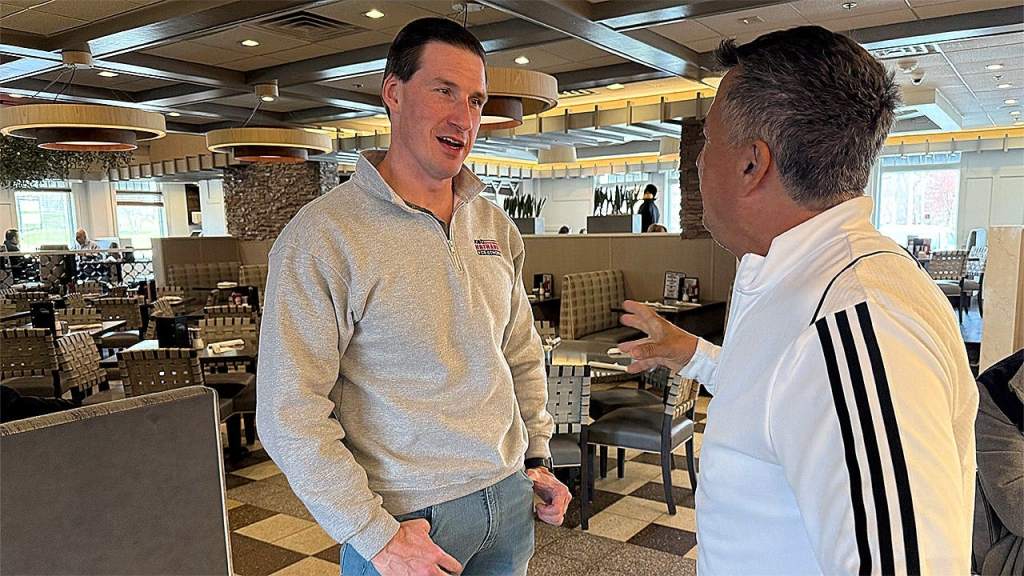
Joe Hathaway is running in New Jersey’s 11th District special election as a practical Republican who says he will put local needs first, even when that means disagreeing with national leaders. The contest pits him against Analilia Mejia, a progressive backed by the left flank of the Democratic Party, and it has become a battleground over who can represent suburban voters and protect key local interests. The district flipped from former Rep. Mikie Sherrill when she won the governor’s race, leaving a vacancy that both parties see as a test of momentum. Democrats hold a registration advantage, but Hathaway argues that voters here care more about results than pure ideology. He is pitching himself as a problem-solver with a record in local government who will deliver for the district. Mejia’s rise from national Sanders campaign staffer to Democratic nominee energized the progressive base and drew high-profile endorsements from the party’s left. Her primary win over a field of established candidates signaled the appetite among activists for bold change and sharper critiques of traditional foreign policy. Hathaway frames that energy as a warning sign to moderates and independents who worry about far-left priorities. Hathaway is blunt about where he will push back and where he will cooperate. “I’m going to call balls and strikes in this race. I’m not going to be a rubber stamp for anybody,” he said in a recent interview. He repeats that line to underscore the point that loyalty to a party or a national figure is secondary to serving this district’s interests. On some national policies Hathaway openly supports what he sees as wins for the district and the state, especially on tax relief and public safety. “I’m always going to do what’s right for this district first. And I’ve been clear: If the president’s going to do things that are good for the district, increasing the SALT cap deduction, putting money back in people’s pockets, especially New Jersey, affordability is so tough here. If we’re doing things like border security, reducing fentanyl deaths like we’ve seen.. in our community. Those are good things. I support those policies,” he said. At the same time Hathaway has publicly criticized national moves he believes harm local priorities, calling out decisions that risk jobs and vital infrastructure. He pointed to the administration’s cuts to Gateway Project funding and proposed reductions at a New Jersey Army base as examples of when he’d oppose a national leader. “But on the other hand, if the president’s going to do things that aren’t in the best interest of our district, it’s my job to push back, and that’s exactly what I’ve done,” he added. Jewish voters are central to the district, and the campaign zeroes in on their concerns about rhetoric and policy on Israel. Hathaway accused Mejia of blaming Israel for the October 7 attacks and of language that alarms many Jewish constituents. “She blamed Israel for the attacks by Hamas on October 7,” he said. Mejia insists her criticism of Israeli policy is not antisemitism and says she will protect the rights of Jewish constituents. In a forceful statement she called Hathaway’s attacks unacceptable. “Joe Hathaway’s inability to distinguish between criticism of a government or government official and bigotry is troubling and disgusting in equal measure,” she said. Both campaigns are courting swing voters in a district that swung strongly Democratic in recent races, and Hathaway is betting that independents and disaffected Democrats will test a pragmatic Republican. He is pressing the message that voters can “test drive” him for a short term and see concrete action on affordability and safety. “I think we are going to have a broad coalition come together to choose common sense over socialism in this race,” he said. Outside observers see national polarization shaping turnout and attitudes, with some scholars skeptical of large crossover shifts. “Democrats as a whole do not seem interested in finding common ground with Trump,” one analyst warned about the national mood. “Right now national politics drives everything. We say all politics is local. Today, unfortunately, all politics is national.” Mejia points back at Hathaway by tying him to broader Republican priorities she argues hurt working families, from healthcare changes to tax policies. She frames the choice as one between entrenched partisan agendas and a progressive path that defends programs for everyday people. The race will likely hinge on whether voters prioritize immediate local concerns or align with the national political tides that have reshaped both parties.
GOP Targets Blue NJ Seat, Hathaway Battles Socialism
Joe Hathaway is running in New Jersey’s 11th District special election as a practical Republican who says he will put local needs first, even when that means disagreeing with national leaders. The contest pits him against Analilia Mejia, a progressive backed by the left flank of the Democratic Party, and it has become a battleground over who can represent suburban voters and protect key local interests. The district flipped from former Rep. Mikie Sherrill when she won the governor’s race, leaving a vacancy that both parties see as a test of momentum. Democrats hold a registration advantage, but Hathaway argues that voters here care more about results than pure ideology. He is pitching himself as a problem-solver with a record in local government who will deliver for the district. Mejia’s rise from national Sanders campaign staffer to Democratic nominee energized the progressive base and drew high-profile endorsements from the party’s left. Her primary win over a field of established candidates signaled the appetite among activists for bold change and sharper critiques of traditional foreign policy. Hathaway frames that energy as a warning sign to moderates and independents who worry about far-left priorities. Hathaway is blunt about where he will push back and where he will cooperate. “I’m going to call balls and strikes in this race. I’m not going to be a rubber stamp for anybody,” he said in a recent interview. He repeats that line to underscore the point that loyalty to a party or a national figure is secondary to serving this district’s interests. On some national policies Hathaway openly supports what he sees as wins for the district and the state, especially on tax relief and public safety. “I’m always going to do what’s right for this district first. And I’ve been clear: If the president’s going to do things that are good for the district, increasing the SALT cap deduction, putting money back in people’s pockets, especially New Jersey, affordability is so tough here. If we’re doing things like border security, reducing fentanyl deaths like we’ve seen.. in our community. Those are good things. I support those policies,” he said. At the same time Hathaway has publicly criticized national moves he believes harm local priorities, calling out decisions that risk jobs and vital infrastructure. He pointed to the administration’s cuts to Gateway Project funding and proposed reductions at a New Jersey Army base as examples of when he’d oppose a national leader. “But on the other hand, if the president’s going to do things that aren’t in the best interest of our district, it’s my job to push back, and that’s exactly what I’ve done,” he added. Jewish voters are central to the district, and the campaign zeroes in on their concerns about rhetoric and policy on Israel. Hathaway accused Mejia of blaming Israel for the October 7 attacks and of language that alarms many Jewish constituents. “She blamed Israel for the attacks by Hamas on October 7,” he said. Mejia insists her criticism of Israeli policy is not antisemitism and says she will protect the rights of Jewish constituents. In a forceful statement she called Hathaway’s attacks unacceptable. “Joe Hathaway’s inability to distinguish between criticism of a government or government official and bigotry is troubling and disgusting in equal measure,” she said. Both campaigns are courting swing voters in a district that swung strongly Democratic in recent races, and Hathaway is betting that independents and disaffected Democrats will test a pragmatic Republican. He is pressing the message that voters can “test drive” him for a short term and see concrete action on affordability and safety. “I think we are going to have a broad coalition come together to choose common sense over socialism in this race,” he said. Outside observers see national polarization shaping turnout and attitudes, with some scholars skeptical of large crossover shifts. “Democrats as a whole do not seem interested in finding common ground with Trump,” one analyst warned about the national mood. “Right now national politics drives everything. We say all politics is local. Today, unfortunately, all politics is national.” Mejia points back at Hathaway by tying him to broader Republican priorities she argues hurt working families, from healthcare changes to tax policies. She frames the choice as one between entrenched partisan agendas and a progressive path that defends programs for everyday people. The race will likely hinge on whether voters prioritize immediate local concerns or align with the national political tides that have reshaped both parties.
House Republicans Demand ActBlue Records Over Foreign Donation Gaps
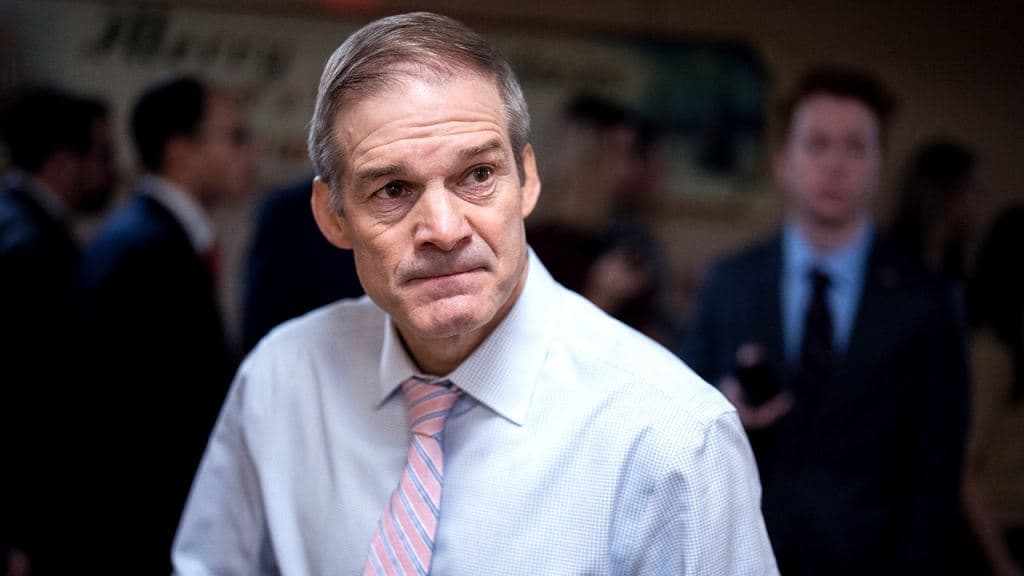
House Republicans are demanding ActBlue, a top Democratic campaign fundraising apparatus, turn over international communications, probing whether the organization knowingly misled lawmakers and dodged subpoenas to hide weaknesses in its screening process to weed out illegal, overseas donations. House Administration Committee Chairman Bryan Steil, R-Wis., House Judiciary Committee Chairman Jim Jordan, R-Ohio, and House Oversight Committee Chairman James Comer, R-Ky., collectively laid out their demands in a letter published on Tuesday. “For more than a year, the Committees have conducted oversight regarding ActBlue’s ‘fundamentally unserious approach to fraud prevention,’” the letter reads. “Recent reporting … strongly suggests that ActBlue deliberately obstructed the Committees’ investigation, including through misleading statements and noncompliance with our subpoenas.” The letter is addressed to Regina Wallace-Jones, the CEO and president of ActBlue, and is the most recent entry in investigations that began in 2023 when Republicans originally raised concerns about foreign donations possibly influencing American elections. It also follows New York Times reporting on a memo from Covington & Burling, a law firm, warning that gaps in its screening armor could present “a substantial risk for ActBlue.” The memo, on its own, does not implicate wrongdoing or indicate that ActBlue accepted international donations. Even so, the reporting caught the eye of Republicans in Congress. Steil, Jordan and Comer are collectively asking ActBlue to produce two internal documents to examine the internal understanding ActBlue may have had about its own weaknesses. The first is a resignation letter from General Counsel Aaron Ting — a document Republicans contend centers on liabilities created by ActBlue’s donation security. Republicans believe the second, a message from ActBlue’s former legal counsel Zain Ahmad, relates to an ignored whistleblower complaint about those practices. HOUSE HEARING RAISES RED FLAGS OVER FORMER TECH MOGUL’S ‘CCP NETWORK’ ALLEGEDLY FUNDING OF FAR-LEFT GROUPS Republicans have already requested those documents before, but haven’t received them. “There is considerable reason to believe that ActBlue may have deliberately withheld this responsive material to impede our investigation,” the letter states. For its own part, ActBlue has claimed it makes every effort to ensure its fundraising complies with legal requirements. In ActBlue’s own letter published in Nov. 2023, Wallace-Jones, the CEO, affirmed that the organization maintained the highest standards for scrutiny of its fundraising. “Our approach is multilayered, with checks and confirmations occurring throughout the donation process to verify donors and donor information,” Wallace-Jones wrote. “These measures, which include compliance measures, technological tools, and manual reviews, help to ensure the identity of donors, root out potential foreign contributions, and protect donors from financial fraud.” OVERSIGHT DEMANDS DOJ ANSWERS ON FOREIGN FUNDING OF AGITATOR GROUPS AS IRAN, ANTI-ICE PROTESTS CONTINUE Republican lawmakers have given ActBlue two weeks to produce the requested documentation, setting a deadline for April 28, 2026. “Absent these steps, the Committees are prepared to use available mechanisms to enforce our subpoenas,” the letter reads.
House Republicans Demand ActBlue Records Over Foreign Donation Gaps
House Republicans are demanding ActBlue, a top Democratic campaign fundraising apparatus, turn over international communications, probing whether the organization knowingly misled lawmakers and dodged subpoenas to hide weaknesses in its screening process to weed out illegal, overseas donations. House Administration Committee Chairman Bryan Steil, R-Wis., House Judiciary Committee Chairman Jim Jordan, R-Ohio, and House Oversight Committee Chairman James Comer, R-Ky., collectively laid out their demands in a letter published on Tuesday. “For more than a year, the Committees have conducted oversight regarding ActBlue’s ‘fundamentally unserious approach to fraud prevention,’” the letter reads. “Recent reporting … strongly suggests that ActBlue deliberately obstructed the Committees’ investigation, including through misleading statements and noncompliance with our subpoenas.” The letter is addressed to Regina Wallace-Jones, the CEO and president of ActBlue, and is the most recent entry in investigations that began in 2023 when Republicans originally raised concerns about foreign donations possibly influencing American elections. It also follows New York Times reporting on a memo from Covington & Burling, a law firm, warning that gaps in its screening armor could present “a substantial risk for ActBlue.” The memo, on its own, does not implicate wrongdoing or indicate that ActBlue accepted international donations. Even so, the reporting caught the eye of Republicans in Congress. Steil, Jordan and Comer are collectively asking ActBlue to produce two internal documents to examine the internal understanding ActBlue may have had about its own weaknesses. The first is a resignation letter from General Counsel Aaron Ting — a document Republicans contend centers on liabilities created by ActBlue’s donation security. Republicans believe the second, a message from ActBlue’s former legal counsel Zain Ahmad, relates to an ignored whistleblower complaint about those practices. HOUSE HEARING RAISES RED FLAGS OVER FORMER TECH MOGUL’S ‘CCP NETWORK’ ALLEGEDLY FUNDING OF FAR-LEFT GROUPS Republicans have already requested those documents before, but haven’t received them. “There is considerable reason to believe that ActBlue may have deliberately withheld this responsive material to impede our investigation,” the letter states. For its own part, ActBlue has claimed it makes every effort to ensure its fundraising complies with legal requirements. In ActBlue’s own letter published in Nov. 2023, Wallace-Jones, the CEO, affirmed that the organization maintained the highest standards for scrutiny of its fundraising. “Our approach is multilayered, with checks and confirmations occurring throughout the donation process to verify donors and donor information,” Wallace-Jones wrote. “These measures, which include compliance measures, technological tools, and manual reviews, help to ensure the identity of donors, root out potential foreign contributions, and protect donors from financial fraud.” OVERSIGHT DEMANDS DOJ ANSWERS ON FOREIGN FUNDING OF AGITATOR GROUPS AS IRAN, ANTI-ICE PROTESTS CONTINUE Republican lawmakers have given ActBlue two weeks to produce the requested documentation, setting a deadline for April 28, 2026. “Absent these steps, the Committees are prepared to use available mechanisms to enforce our subpoenas,” the letter reads.
House Republicans Demand ActBlue Records Over Foreign Donation Gaps
House Republicans are demanding ActBlue, a top Democratic campaign fundraising apparatus, turn over international communications, probing whether the organization knowingly misled lawmakers and dodged subpoenas to hide weaknesses in its screening process to weed out illegal, overseas donations. House Administration Committee Chairman Bryan Steil, R-Wis., House Judiciary Committee Chairman Jim Jordan, R-Ohio, and House Oversight Committee Chairman James Comer, R-Ky., collectively laid out their demands in a letter published on Tuesday. “For more than a year, the Committees have conducted oversight regarding ActBlue’s ‘fundamentally unserious approach to fraud prevention,’” the letter reads. “Recent reporting … strongly suggests that ActBlue deliberately obstructed the Committees’ investigation, including through misleading statements and noncompliance with our subpoenas.” The letter is addressed to Regina Wallace-Jones, the CEO and president of ActBlue, and is the most recent entry in investigations that began in 2023 when Republicans originally raised concerns about foreign donations possibly influencing American elections. It also follows New York Times reporting on a memo from Covington & Burling, a law firm, warning that gaps in its screening armor could present “a substantial risk for ActBlue.” The memo, on its own, does not implicate wrongdoing or indicate that ActBlue accepted international donations. Even so, the reporting caught the eye of Republicans in Congress. Steil, Jordan and Comer are collectively asking ActBlue to produce two internal documents to examine the internal understanding ActBlue may have had about its own weaknesses. The first is a resignation letter from General Counsel Aaron Ting — a document Republicans contend centers on liabilities created by ActBlue’s donation security. Republicans believe the second, a message from ActBlue’s former legal counsel Zain Ahmad, relates to an ignored whistleblower complaint about those practices. HOUSE HEARING RAISES RED FLAGS OVER FORMER TECH MOGUL’S ‘CCP NETWORK’ ALLEGEDLY FUNDING OF FAR-LEFT GROUPS Republicans have already requested those documents before, but haven’t received them. “There is considerable reason to believe that ActBlue may have deliberately withheld this responsive material to impede our investigation,” the letter states. For its own part, ActBlue has claimed it makes every effort to ensure its fundraising complies with legal requirements. In ActBlue’s own letter published in Nov. 2023, Wallace-Jones, the CEO, affirmed that the organization maintained the highest standards for scrutiny of its fundraising. “Our approach is multilayered, with checks and confirmations occurring throughout the donation process to verify donors and donor information,” Wallace-Jones wrote. “These measures, which include compliance measures, technological tools, and manual reviews, help to ensure the identity of donors, root out potential foreign contributions, and protect donors from financial fraud.” OVERSIGHT DEMANDS DOJ ANSWERS ON FOREIGN FUNDING OF AGITATOR GROUPS AS IRAN, ANTI-ICE PROTESTS CONTINUE Republican lawmakers have given ActBlue two weeks to produce the requested documentation, setting a deadline for April 28, 2026. “Absent these steps, the Committees are prepared to use available mechanisms to enforce our subpoenas,” the letter reads.

Warner Admits Removing Iran’s Enriched Uranium Requires 10,000 Troops
Sen. Mark Warner’s remark on CNN that getting rid of Iran’s enriched uranium “would take 10,000 troops on the ground.” touched off a debate about American strategy, costs, and credibility. This piece responds from a conservative perspective, questioning the wisdom of framing military options as inevitable and stressing alternatives that avoid large-scale occupations. It argues leaders should be honest about risks and pursue tougher, smarter pressure that protects American interests without gratuitous ground wars. On a Sunday appearance on CNN’s State of the Union, Sen. Mark Warner (D-VA) offered a blunt assessment, saying getting rid of Iran’s enriched uranium “would take 10,000 troops on the ground.” That line landed as both a warning and a justification for caution, and it deserves scrutiny. Numbers tossed out on cable become policy shortcuts, and Republicans have to call out when the talk drifts toward accepting permanent feet on foreign soil. Let’s be clear: large occupation forces are a poor template for blocking nuclear programs. A 10,000-troop benchmark implies a long, costly mission with unclear exit criteria, something voters have rejected after two decades of nation-building missions. Republicans believe in strength, not open-ended deployments that saddle future presidents and Congresses with endless obligations. Operationally, the idea of sending thousands of troops to secure nuclear materials across a hostile state is messy and dangerous. Iran is no blank slate; its sites are hardened, dispersed, and protected by a network that would make any ground campaign costly in blood and treasure. Claiming a single figure as if it settles the debate ignores intelligence realities and the strategic fallout of boots on the ground in a volatile region. There are other levers that work without inviting occupation. Tightened sanctions, intelligence-sharing with regional partners, targeted strikes on facilities when legally justified, and disruptive cyber operations are all on the table. Republicans prefer calibrated pressure that degrades capability and raises the cost for bad actors while minimizing American casualties and long-term entanglements. Political responsibility matters here. Throwing out dramatic troop estimates can be a way to avoid tough choices, and it can also normalize the idea that war with large ground forces is acceptable policy. Conservative leaders insist on clear objectives, congressional authorizations when required, and a strategy where military options are last resorts rather than headline grabbers for cable news. Congress must not be sidelined by offhand comments on television. Any serious move toward military action needs debate, oversight, and a plan for victory and withdrawal. Republicans want a transparent process that forces policymakers to own the consequences of their proposals and that gives the American people a voice before committing young Americans to fight abroad. Sen. Warner’s line will stick in headlines, but sound policy should steer clear of theatrical numbers and focus on measurable outcomes. The right approach presses Iran relentlessly while avoiding the trap of occupation as a solution. What the country needs now is clear-eyed strategy, tough diplomacy backed by credible force, and leaders who choose results over rhetoric.
Birthright Citizenship Hypocrisy Exposed, Democrats Face Backlash
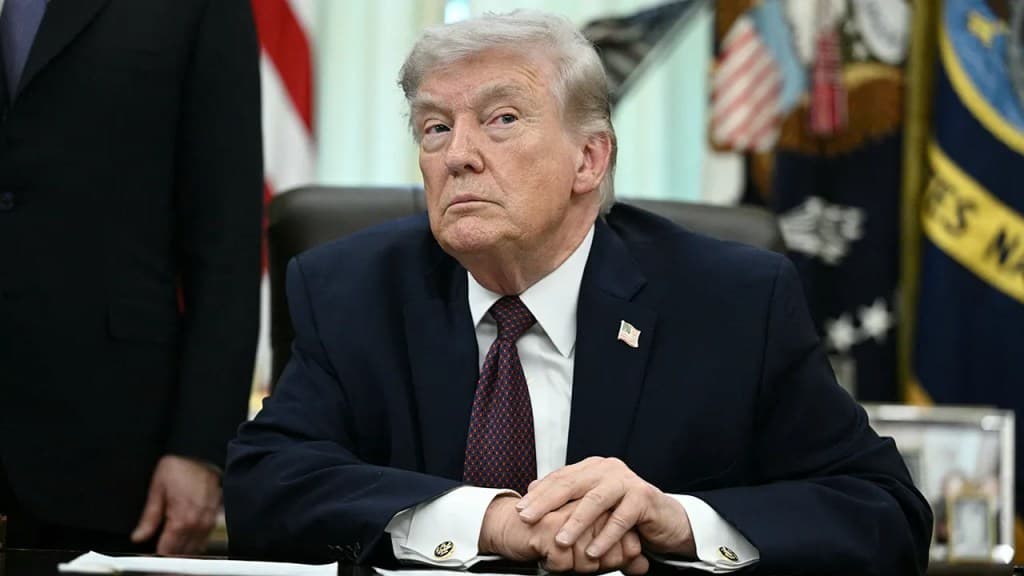
As birthright citizenship is debated in the Supreme Court, resurfaced videos of top Democrats echoing the argument of the Trump administration sparked a conservative uproar on social media. “If making it easy to be an illegal alien isn’t enough, how about offering a reward for being an illegal immigrant?” Sen. Harry Reid said on the Senate floor in 1993. “No sane country would do that. Right? Guess again. If you break our laws by entering this country without permission and give birth to a child, we reward that child with U.S. citizenship and [a] guarantee of full access to all public and social services this society provides — and that’s a lot of services.” Reid, who served in the Senate as a Democrat for 30 years and was Senate majority leader for eight years, was speaking about the Immigration Stabilization Act of 1993, which he introduced. The legislation was a broad immigration reform package that included a provision to deny birthright citizenship to children born in the U.S. to mothers who were neither U.S. citizens nor lawful permanent residents. CHINESE ELITES EXPLOITING US BIRTHRIGHT CITIZENSHIP AT ‘INDUSTRIAL SCALE,’ EXPERT WARNS Reid, who died in 2021 at the age of 82, ultimately changed his tune on the legislation and said in 2018 that the bill was a “mistake.” Many on social media quickly pointed to Reid’s lofty stature within the Democratic Party and wondered aloud why he is not labeled “racist” the same way Republicans who oppose birthright citizenship often are. “WOW,” conservative influencer Libs of TikTok . “Senator Harry Reid, a DEMOCRAT, introduced a bill in 1993 to END birthright citizenship for illegal aliens .But if Trump wants to do it, Democrats call it ‘rAcIsT.’” WHAT TO KNOW ABOUT THE SUPREME COURT’S BLOCKBUSTER BIRTHRIGHT CITIZENSHIP CASE https://x.com/libsoftiktok/status/2040118072023847146?s=20 “Lots of Democrats supported him,” actor Kevin Sorbo . “They change their minds to fit whatever narrative suits them. That’s why they can’t be trusted.” “Democrats once said ‘no sane country’ would give birthright citizenship to illegal aliens,” Rep. Lance Gooden, R-Texas, . “Now, breaking our laws is rewarded with full US citizenship and access to every government benefit. SCOTUS should END this exploitation once and for all!” “Harry Reid was right,” Sen. Mike Lee, R-Utah, Another Democrat, the late Sen. Dianne Feinstein from California, also became fodder on social media in recent days over similar comments on immigration that were viewed over 8 million times after being , a conservative influencer account on X. “Should you have a system where people can come to this country, even if they’re well-to-do?” Feinstein said in 1993. “Get on Medicaid and give birth to a baby, then go back? The answer is no! And we know that Medicaid laws are being used and abused to do just this in the state of California. I’d like to see that stop.” The resurfaced posts come as the Trump administration argues at the Supreme Court in favor of an executive order signed on the president’s first day back in office that seeks to end automatic citizenship for nearly all persons born in the U.S. to undocumented parents, or to parents with temporary non-immigrant visas in the U.S. The high-stakes case brought into focus more than a century of executive branch action, Supreme Court precedent, and the text of the Constitution itself — or, more specifically, the citizenship clause of the 14th Amendment — which the administration argues has been misinterpreted in the more than 100 years since its passage. Fox News Digital’s Breanne Deppisch contributed to this report.
Birthright Citizenship Hypocrisy Exposed, Democrats Face Backlash
As birthright citizenship is debated in the Supreme Court, resurfaced videos of top Democrats echoing the argument of the Trump administration sparked a conservative uproar on social media. “If making it easy to be an illegal alien isn’t enough, how about offering a reward for being an illegal immigrant?” Sen. Harry Reid said on the Senate floor in 1993. “No sane country would do that. Right? Guess again. If you break our laws by entering this country without permission and give birth to a child, we reward that child with U.S. citizenship and [a] guarantee of full access to all public and social services this society provides — and that’s a lot of services.” Reid, who served in the Senate as a Democrat for 30 years and was Senate majority leader for eight years, was speaking about the Immigration Stabilization Act of 1993, which he introduced. The legislation was a broad immigration reform package that included a provision to deny birthright citizenship to children born in the U.S. to mothers who were neither U.S. citizens nor lawful permanent residents. CHINESE ELITES EXPLOITING US BIRTHRIGHT CITIZENSHIP AT ‘INDUSTRIAL SCALE,’ EXPERT WARNS Reid, who died in 2021 at the age of 82, ultimately changed his tune on the legislation and said in 2018 that the bill was a “mistake.” Many on social media quickly pointed to Reid’s lofty stature within the Democratic Party and wondered aloud why he is not labeled “racist” the same way Republicans who oppose birthright citizenship often are. “WOW,” conservative influencer Libs of TikTok . “Senator Harry Reid, a DEMOCRAT, introduced a bill in 1993 to END birthright citizenship for illegal aliens .But if Trump wants to do it, Democrats call it ‘rAcIsT.’” WHAT TO KNOW ABOUT THE SUPREME COURT’S BLOCKBUSTER BIRTHRIGHT CITIZENSHIP CASE https://x.com/libsoftiktok/status/2040118072023847146?s=20 “Lots of Democrats supported him,” actor Kevin Sorbo . “They change their minds to fit whatever narrative suits them. That’s why they can’t be trusted.” “Democrats once said ‘no sane country’ would give birthright citizenship to illegal aliens,” Rep. Lance Gooden, R-Texas, . “Now, breaking our laws is rewarded with full US citizenship and access to every government benefit. SCOTUS should END this exploitation once and for all!” “Harry Reid was right,” Sen. Mike Lee, R-Utah, Another Democrat, the late Sen. Dianne Feinstein from California, also became fodder on social media in recent days over similar comments on immigration that were viewed over 8 million times after being , a conservative influencer account on X. “Should you have a system where people can come to this country, even if they’re well-to-do?” Feinstein said in 1993. “Get on Medicaid and give birth to a baby, then go back? The answer is no! And we know that Medicaid laws are being used and abused to do just this in the state of California. I’d like to see that stop.” The resurfaced posts come as the Trump administration argues at the Supreme Court in favor of an executive order signed on the president’s first day back in office that seeks to end automatic citizenship for nearly all persons born in the U.S. to undocumented parents, or to parents with temporary non-immigrant visas in the U.S. The high-stakes case brought into focus more than a century of executive branch action, Supreme Court precedent, and the text of the Constitution itself — or, more specifically, the citizenship clause of the 14th Amendment — which the administration argues has been misinterpreted in the more than 100 years since its passage. Fox News Digital’s Breanne Deppisch contributed to this report.

Steve Friess Joins Wyoming Race, Pledges Bold America First
Steve Friess, son of the late GOP donor Foster Friess, has entered the race for Wyoming’s open at-large House seat, shifting from behind-the-scenes donor to a candidate promising a bold America First agenda, tougher election rules, and renewed focus on strategic minerals and jobs in his home state. Friess announced his campaign after Rep. Harriet Hageman opted to run for the U.S. Senate, creating an open seat that’s drawing serious conservative interest. He frames his move as more than a bid for office; it’s a transition from funding causes to directly shaping policy on the ground in Wyoming. He carries the name and the lessons of his father, Foster Friess, who ran statewide and won national attention as a major GOP backer. That legacy gives Steve both recognition and an instant pedigree with conservative voters who remember the family’s long involvement supporting limited government and strong national defense. Friess says donors can’t always control outcomes and that serving in office is a different responsibility. “I’m optimistic that I can help lead others to be very confidently and boldly continuing the America First agenda for President Trump. I think you can’t – you can’t always do that as a donor. You know, you write a check and you don’t always get what you hope comes out on the other side,” he told reporters. He emphasizes a practical, outsider approach while touting years of conservative engagement, arguing that fundraising and boots-on-the-ground organizing are complementary. Friess points to early support for groups and candidates that reshaped the GOP landscape, suggesting that hands-on experience in campaigns gives him useful perspective for Congress. That political resume includes backing early conservative organizations and helping elect major Republican figures across the Mountain West. He frames those efforts not as power plays but as investments in an agenda that prioritizes American interests, fiscal responsibility, and electoral integrity. “Each of these gentlemen had great successful careers and then took the time in their life to engage in this way of serving the country. I think this is what the founders intended,” Friess said, insisting public service should come from conviction rather than career ambition. His pitch to voters is plain: enter politics to serve, not to self-promote. On policy, Friess supports strengthening election laws and has publicly backed a voter integrity push championed by national Republicans. He also endorses term limits, a position designed to appeal to voters tired of entrenched politicians and eager for accountability. National security and resource independence are central to his platform, especially given Wyoming’s mineral wealth. “One important issue that I think we face from a national security level is the fact that China has us over the barrel for a lot of strategic minerals. Wyoming has those strategic minerals, and I’m going to be calling for the recreation of something that was once known as the Bureau of Mines,” Friess posited, arguing for a state-based federal presence to speed extraction and processing without creating a new D.C. bureaucracy. That proposal is pitched as both a jobs plan and a security measure, aimed at reducing dependence on adversaries while bringing economic gains to Wyoming communities. Friess frames the idea as practical patriotism: use local resources to secure American supply chains and power up local economies. On foreign policy, he praises firm action where it defends U.S. interests and signals readiness to back strong responses to global threats. He told reporters he supports tough stances in Iran and applauded prior actions in Venezuela, casting strength abroad as consistent with conservative defense priorities. Friess mixes outsider appeal with connections that matter in modern politics, offering voters a candidate who knows how to raise resources and wants to translate that influence into concrete policy wins. If his campaign gains traction, Wyoming conservatives will get to decide whether they prefer a familiar donor-turned-candidate promising a muscular, America First approach to representation.
Mike Rowe Defends Skilled Trades, Rebukes Kimmel Mockery
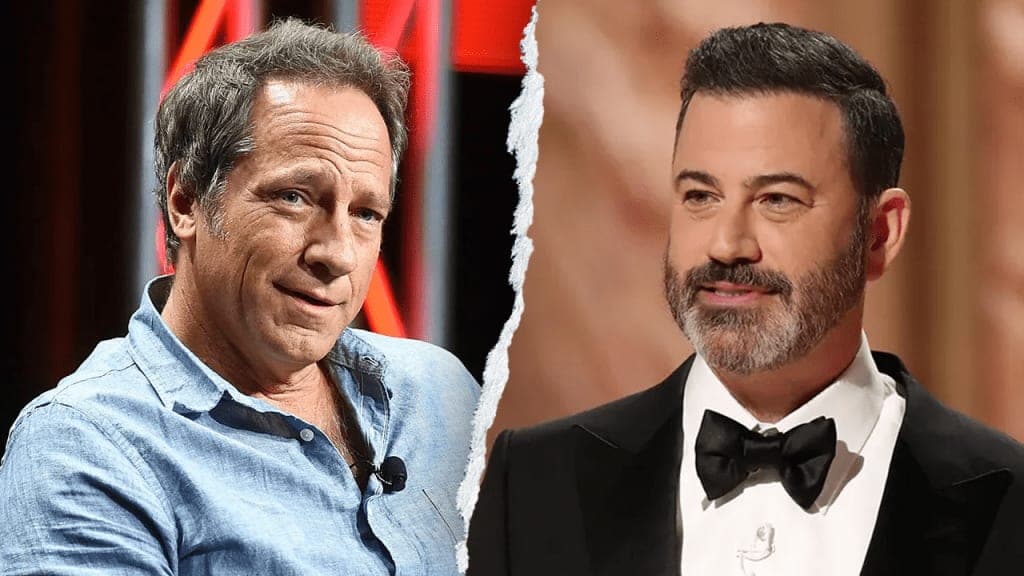
Mike Rowe publicly pushed back after late-night host Jimmy Kimmel mocked Markwayne Mullin’s background as a plumber, arguing the attack was tone-deaf and disrespectful to skilled trades. Rowe framed Mullin’s rise from small-business owner to a Cabinet post as the American Dream and warned that belittling tradespeople ignores a real national skills gap. The exchange reopened a conversation about respect for work, competence, and who gets to decide qualifications for public service. Rowe didn’t just defend a colleague or a political pick; he defended a whole class of workers who keep the country running. He made it clear that calling out the trades as somehow unfit for higher roles is an elitist jab that misses how Americans actually move up. That trajectory—from mastering a craft to running a business to serving in government—is exactly the kind of upward mobility conservatives applaud. “Being offended is always a choice, and I don’t choose to be offended by a joke, even one that comes at the expense of the skilled tradespeople my foundation tries to elevate,” Rowe wrote on X. “But I am a tad butt hurt by the suggestion that skilled workers should never evolve into something new, and that competence is somehow limited to one vocation.” He also made a commonsense point about expertise that undercuts the mockery without getting theatrical. “Obviously, expertise and skill are important,” adding, “If I need a new kidney, I’d prefer a doctor do the surgery, not a late-night talk show host. But if the doctor in question used to host a talk show, why would I hold that against him?” That logic rings true whether you’re talking medicine, plumbing, or administration. Kimmel’s bit leaned on caricature and cheap laughs at people who actually do the work most Americans rely on. “Trump’s got a whole new generation of thinkers lined up, including his newly confirmed secretary of Homeland Security, Markwayne ‘Chuck Mike Bruce Dave’ Melon — Mullin. Maybe melon’s better,” Kimmel said. “He’s the now former senator of Oklahoma. Before he was elected to the Senate, Markwayne Mullin was a low-level MMA fighter and a plumber. That’s right. We have a plumber protecting us from terrorism now. It worked for Super Mario. Why not Markwayne?” He pushed the routine further with glib jokes about swapping officials for entertainers. “But honestly — I mean, if Trump is going to keep picking these unqualified people to run the department, why not have more fun with it? I mean, next time, instead of Markwayne, how about Lil Wayne for Homeland Security? At least we can get a concert out of it, right?” Kimmel later doubled down with, “I’m not upset that the head of Homeland Security used to be a plumber. I’m upset that he isn’t still a plumber.” Rowe answered that ridicule by reframing the stakes—this is not just about one man, it’s about a workforce shortage that hits infrastructure and security. He warned the country that “the shortage of skilled tradespeople is now headline news and that closing it is nothing less than a matter of national security.” That’s not punditry; it’s a practical national concern that elected leaders should address rather than mock. He also painted a picture of what real American success looks like, where skill and ambition combine. “What we really need in this country are more welders who can talk intelligently about Aristotle, and more philosophers who can run an even bead. More generals, in other words, who can fix their own toilets, and more plumbers who can hold a powerful government job.” Rowe noted that Mullin built a company that employed people, served customers, and then moved into public service—exactly the kind of civic-minded path conservatives like to see. “He was a private citizen who mastered an essential skill and then turned that skill into a multimillion-dollar company that employed a lot of people and served a lot of customers. That gave him the freedom to do other things with his life, including a career in public service, which got him into Congress, where he’s spent the last 11 years doing whatever congressmen do. Now, he has a very consequential position in the Cabinet of the current administration,” Rowe wrote, and then asked, “Is that not the embodiment of the American Dream?” Rowe pushed one last jab of humor to close the loop between respect and reality. “I get that Jimmy Kimmel might have a problem with Mullin’s politics, but what possible objection could he have about the trajectory of his career, or his desire to do more than one thing with his life?” He wrapped it with a line that’s equal parts cheeky and pointed: “I’d love to chat but I’ve gotta pull a rat out of my toilet.”
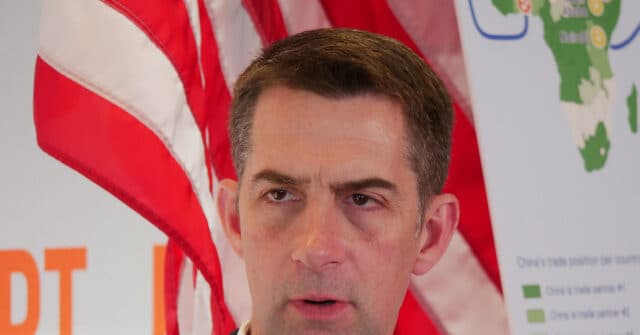
Tom Cotton Slams Democrats Over Violent Criminal Deportations
Sen. Tom Cotton (R-AR) told viewers on “Fox News Sunday,” that Democrats were staging a “temper tantrum about deportations” of violent criminals, and the debate that followed makes clear this is about public safety, not political theater. This piece lays out why insisting on deporting violent offenders is a commonsense approach to law and order, what critics are saying, and how policymakers might sharpen the focus on protecting communities while respecting the rule of law. The core of the argument is straightforward: communities deserve safety and predictable enforcement of immigration laws. When dangerous criminals are released or not removed, ordinary people pay the price in fear, stolen security, and strained local resources. Speaking plainly from a conservative standpoint, enforcing deportations for violent offenders is not harshness, it is common sense protection for citizens and victims. Cotton’s line that Democrats are throwing a “temper tantrum about deportations” landed because the response from many on the left often looks emotional rather than policy-driven. Rather than offering workable alternatives, some critiques focus on optics and rhetoric, portraying enforcement as cruel without grappling with the consequences of lax removal policies. Voters for whom public safety is the top priority see that as avoiding the hard parts of governing. Practical solutions start with prioritizing the removal of those convicted of violent crimes and repeat offenders who pose clear danger. That means giving law enforcement and immigration agencies the tools and legal clarity they need to work together, and ensuring local policies do not undermine federal efforts. It also means cutting through bureaucratic delays that let convicted criminals linger in the system instead of being deported expeditiously. There are valid concerns about due process and civil liberties that must be respected, but those safeguards should not be an excuse to ignore violent offenders. Republicans argue for a narrow, targeted approach that focuses on people who have committed serious crimes, not on lawful migrants or people with minor infractions. That balance protects rights while keeping neighborhoods safer by removing those who repeatedly threaten public order. Media narratives matter and they have shaped public perception of deportation policy, often highlighting individual human stories while underplaying victims and community impact. Conservatives point out that stories about sympathy should not drown out statistics about recidivism and the costs borne by victims and taxpayers. A fair debate would treat both sides of those human stories with equal weight and avoid turning policy into pure political symbolism. On the policy front, reforms could improve coordination between federal immigration authorities and local police, speed up adjudication for deportation cases involving violent crime, and close loopholes that allow offenders to remain in the country despite clear legal grounds for removal. There is also room to strengthen agreements with foreign governments so removal happens quickly and reliably. Those are practical steps that reduce risk and restore confidence in the system. Republican messaging will keep circling back to one point: enforcement of immigration laws when it comes to violent criminals is a matter of public safety, not politics. When officials prioritize removing violent offenders, they are defending neighborhoods and standing with victims. That resonates with voters who expect leaders to protect communities first and to put clear consequences behind laws that matter most.

Republican Women Surge To Flip NC Seat, Boost GOP Control
A new generation of Republican women are mounting serious challenges in competitive congressional districts, arguing they can peel away female voters from Democrats and flip crucial seats that will decide control of the House this November. These candidates lean into a straightforward message: voters want less government, safer communities, stronger schools, and leadership that delivers results instead of talking points. Their campaigns spotlight local roots, military service, education and public service, aiming to turn skepticism about national politics into energy at the ballot box. The stakes are high with a slim GOP majority hanging in the balance. A number of Republican women are running hard in districts Democrats have treated as safe, and they’re doing it on issues voters actually care about. Laurie Buckhout is one of those candidates, a former cattle rancher, U.S. Army veteran and mom who refuses to be put in a political box. “The Democrats try way too hard to pigeonhole us women in a certain role while they still can’t define what a woman is,” she quipped, calling out a party that claims ownership of female voters. Buckhout says Democrats are out of touch with everyday women and their priorities. Buckhout didn’t stop at the critique; she made the contrast crisp and personal. “They try to own that gender and try to stuff them in a box,” she went on. “’This is how you’re going to vote. Don’t tell your husband. This is how you are going to think.’ Republicans don’t do that.” That blunt line captures the broader Republican pitch: respect women as independent voters, and focus on delivering policy that lets families thrive. She’s not just talking. Buckhout is running to unseat Democratic Rep. Don Davis in North Carolina’s 1st District, a coastal-to-border district that has been competitive. After narrowly losing in 2024, she regrouped, won a contested Republican primary and picked up an endorsement from President Donald Trump, giving her campaign fresh momentum. Her message is small government and personal responsibility, wrapped in a blue-collar, service-oriented biography that resonates in her part of the state. Buckhout lays out a clear vision for voters weary of micromanaging officials. “I can tell you the people of North Carolina, especially eastern North Carolina, they want to live their lives with a minimum of government interference, they don’t want big government leaning in, telling them how to live their life, what to do, taking their money out of their pockets for more and more taxes for programs that they don’t need and they didn’t vote for,” she said. “So, I can tell you that we feel very good about this being a Republican election, taking this, adding another seat to the House.” In Nevada, Carrie Buck, a former school principal and self-described minivan mom, is targeting a top Democratic incumbent. Buck argues voters in Las Vegas are tired of the status quo and points to fundraising gains as a sign of vulnerability for the incumbent. After decades in public office, she says the sitting member “had her chance, and Nevada families are still waiting for results.” Buck touts her classroom experience: “I spent 30 years in classrooms — teaching, running schools, and working to fix problems. During that same time, Dina Titus was in public office, unable and unwilling to address the challenges Nevadans face: rising inflation, soaring crime rates, an open border, and failing schools,” she said. Over in New Jersey, newcomer Tiffany Burress is making a similar argument against entrenched incumbency. “Voters are ready for something different, and that’s how I know we’re going to win,” Burress told critics and supporters alike. She accuses her opponent of relying on taxpayer funding and putting extreme progressive priorities ahead of local needs, saying the incumbent has “spent decades living on the taxpayers’ dime,” and “puts extreme progressive agendas ahead of the priorities of our district” by voting with the far left nearly all the time. Indiana’s Barb Regnitz is another Republican woman aiming to flip a long-held Democratic seat by focusing on jobs, safety and common-sense leadership. She frames her run as a corrective to long-term economic decline and rising insecurity. “for almost 100 years, Republicans have been powerless to stop the failed policies of the far-left that have resulted in falling incomes, struggling industry, and increasingly unsafe communities right here in Northwest Indiana,” she said. “I’m running for Congress because I believe our district deserves serious, principled leadership focused on results, not rhetoric,” she added. In Texas, Jessica Steinmann seeks to keep a Republican-held seat north of Houston solidly in the GOP column, invoking her experience in the Trump administration’s Justice Department. She stresses the importance of national direction as well as local representation. She told supporters she’s running “because the next two years of President Trump’s administration are critical for our country.” “I was proud to serve in the first Trump Administration, where I saw firsthand what strong, America First leadership can accomplish,” she said, adding, “I’m confident that message will carry us to victory in November.” These candidacies share a common playbook: blend real-world resumes with a crisp critique of Democratic leadership and a promise to return power to local voters and taxpayers. With razor-thin margins in Washington, each pickup matters and these women are staking their campaigns on practical fixes rather than political theater. Their claims will be tested on the trail, in debates and at the ballot box, as voters weigh experience, values and results. What ties this slate together is a clear contrast strategy: reject being labeled, emphasize autonomy, and press on issues like taxes, crime, schools and the border. They’re running as problem-solvers who speak directly to voters who feel ignored, and they’re betting that straight talk on pocketbook issues will win in districts Democrats long assumed were safe. This campaign season will show whether that bet pays off.