Trump signs sweeping Russia sanctions bill, aiming to choke off funds for Moscow in Ukraine war
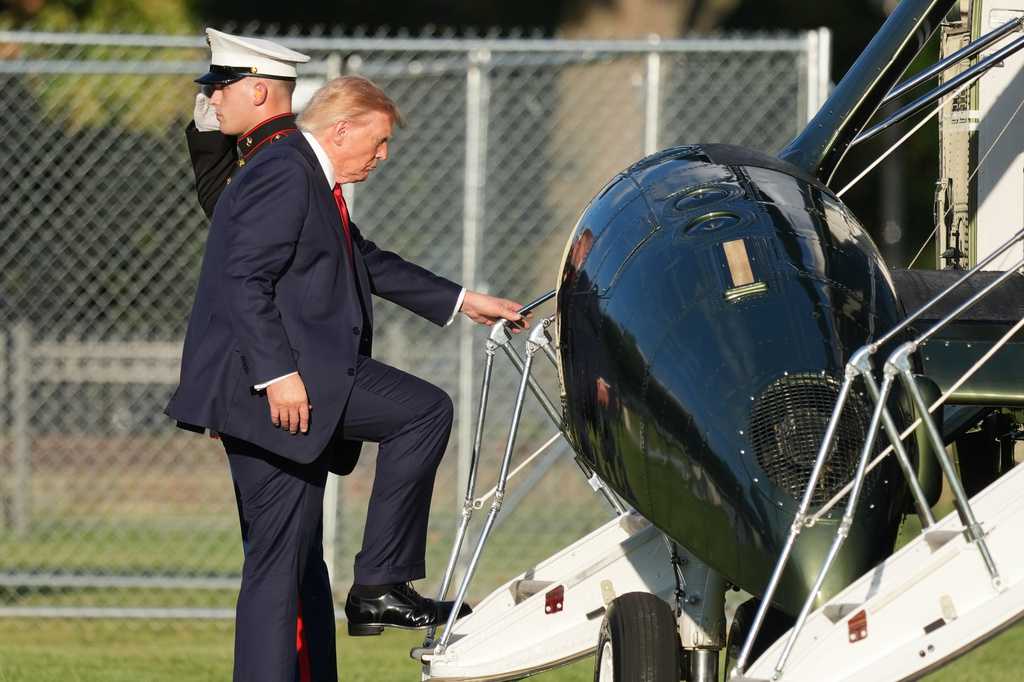
Trump signed the bill, which adds sanctions and gives him expanded tariff authority.
SOURCE CHECK
TAP FOR WHYWGAL is an established local news outlet, a source type generally associated with editorial processes, though the article provides no author attribution here. The reporting includes vote totals and attributed views from supporters and an opponent.
- Source type — Established local-news publisher; generally operates within professional newsroom standards.
- Editorial standards — The report gives concrete vote totals and attributes quoted claims and criticism.
- Author attribution — No author is identified in the article information.
The article reports specific provisions and vote totals, identifies the bill’s advocates, and includes a prominent opponent’s concern about expanded tariff authority. It offers limited independent analysis of the bill’s likely effects or detail on the opposing lawmakers’ arguments.
HOW WE SCORE ↗The article presents the bill’s stated goals, its broad congressional support and a Democratic lawmaker’s objection to the tariff authority. It does not provide a detailed response to that objection or extensive analysis of the measure’s potential effects.
- Counterarguments presented — Includes Jeffries’s concern about the expanded tariff powers.
- Source diversity — Quotes supporters and an opponent, though the range of perspectives is limited.
- Omitted context — Provides little detail on how the tariff authority might be used or its likely effects.
The report uses largely descriptive language and includes both the stated aims of the sanctions and criticism of the tariff powers. It does not clearly endorse either position.
- Language tone — Mostly factual and attributed wording.
- Source selection — Includes statements supporting the bill and Jeffries’s opposition to its tariff authority.
- Framing — Explains the measure’s stated purpose while noting a concern about its potential economic effects.
Donald Trump signed a bipartisan Russia sanctions bill targeting officials, banks and energy shipments, while giving him expanded tariff powers. Supporters said the measures could pressure Moscow over its war in Ukraine; House Minority Leader Hakeem Jeffries objected to the tariff authority.
Trump signed the sanctions package on Friday. It targets Russian officials, banks and tankers moving Russian energy, and directs Trump to impose tariffs of up to 100% on leading importers of Russian oil or natural gas, subject to an exception for some countries. The bill passed 86-11 in the Senate and 262-159 in the House.
Richard Blumenthal helped draft the bill and said force and strength were needed to pressure Vladimir Putin. Darline Graham, who was appointed to complete her late brother Lindsey Graham’s Senate term, said Lindsey had believed the bill could help end the war. Jeffries opposed giving Trump broad tariff authority, warning it could harm Americans. The article also says the White House sought flexibility on sanctions and that the bill included Trump’s push for a five-year extension of existing sanctions on Iran.
Community verdict
31 VOTES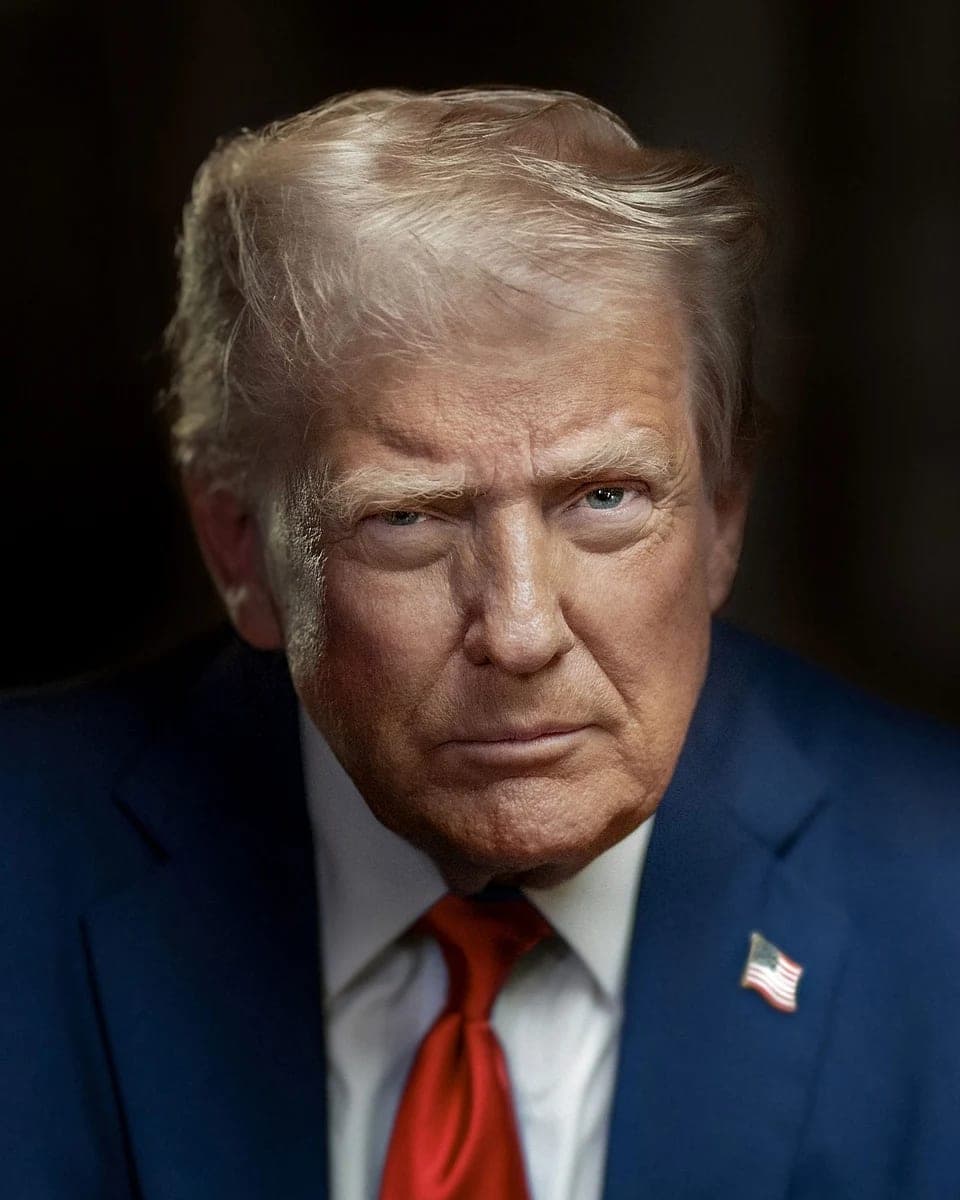
People in this story
SWIPE →President who signed the sanctions bill
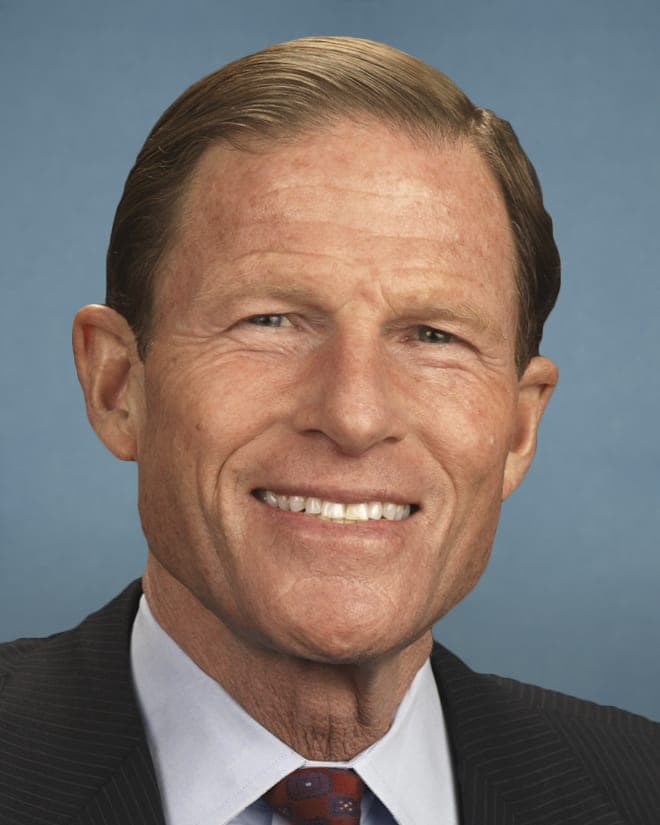
Senator and co-drafter of the sanctions bill
Blumenthal's version of this story ↗
Late senator and co-author of the sanctions bill
Graham's version of this story ↗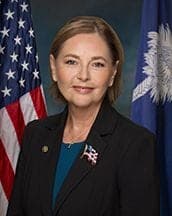
Senator appointed to complete her late brother’s term
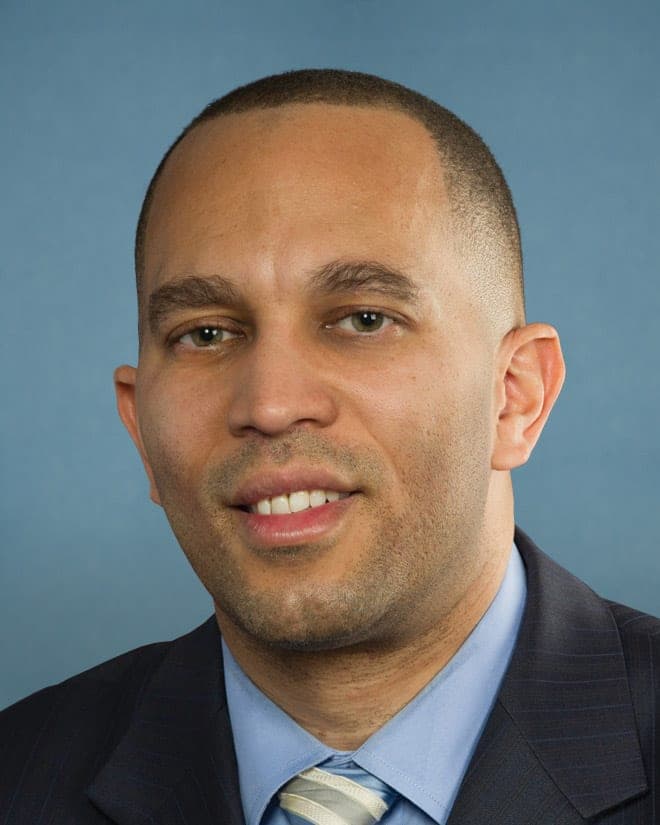
House Minority Leader who opposed the bill’s expanded tariff authority
Part of a bigger story
7 OUTLETSDonald Trump signed a Russia sanctions law targeting Russian officials and parts of the country’s economy. It also gives him expanded authority to impose tariffs on some buyers of Russian energy. Center outlets largely frame the measure as pressure on Moscow over the war in Ukraine, while also noting Democratic objections to Trump’s tariff authority and concerns about possible costs to Americans.
- ARTICLES
- 7
- OUTLETS
- 7
- AVG CRED
- 78
Discussion · 0
Loading comments…