Trump signs sweeping Russia sanctions bill, aiming to choke off funds for Moscow in Ukraine war
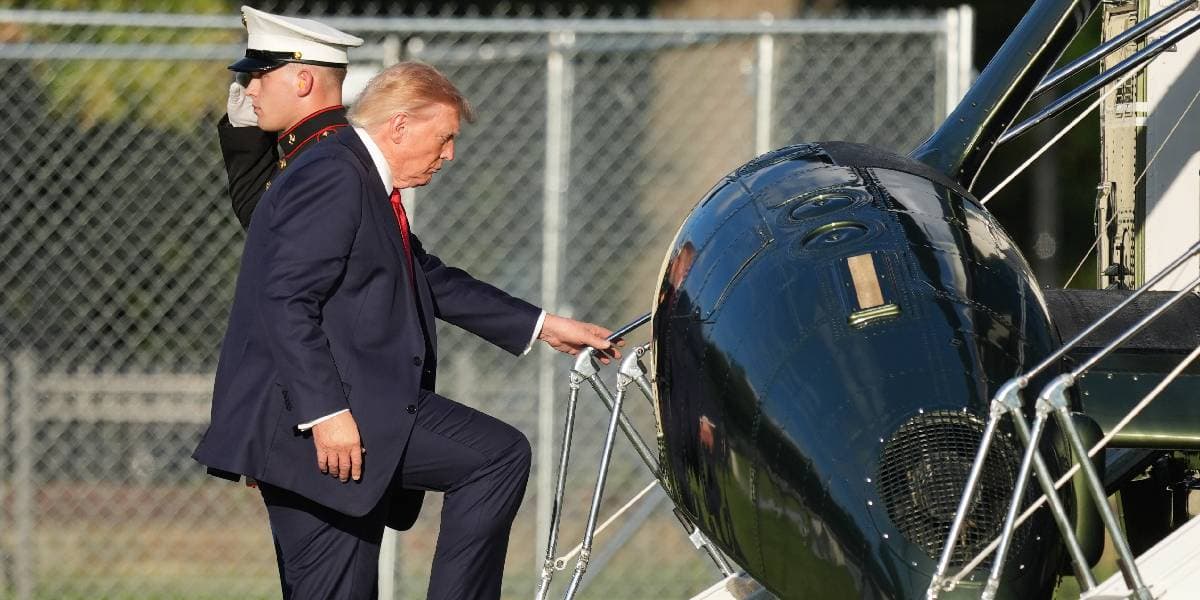
Trump signed the sanctions package, which also gives him expanded authority to impose tariffs on some importers of Russian energy.
SOURCE CHECK
TAP FOR WHYAsiaOne is an established international news publisher, though the article provides limited information about its reporting process and has no named author here. The story gives vote totals and attributes key views to lawmakers, but offers little independent sourcing or detail about the negotiations.
- Source type — An established international news outlet; a credible but not top-tier institutional prior.
- Editorial standards — The report uses attributed quotations and specific vote totals, but the article itself gives little sourcing detail.
- Author attribution — No author is identified in the article information.
The report gives concrete details about the sanctions and tariff provisions, vote totals, and criticism from an opposing lawmaker. It relies on a small number of attributed statements and provides limited context on the negotiations or the practical effects of the measure.
HOW WE SCORE ↗The article reports the broad bipartisan support and includes a Democratic lawmaker's objection to the tariff authority. It gives more detail on the bill's stated aims than on arguments against it or the administration's reasoning for the provisions.
- Counterarguments presented — A House Democratic leader's concern about tariff powers and economic effects is included.
- Source diversity — Includes statements from lawmakers on different sides, but few sources overall.
- Omitted context — Provides limited explanation of the negotiations and potential consequences of the tariff provisions.
The report uses mostly descriptive language and attributes both support for the bill and objections to its tariff authority. It does not clearly favor either position.
- Language tone — Primarily descriptive, with claims and opinions attributed to their speakers.
- Source selection — Includes a supporter of the measure and a prominent critic.
- Framing — Explains the sanctions' aims alongside concerns about expanded tariff powers.
President Donald Trump signed a sanctions package targeting Russian officials, banks and energy exports. The bill passed with large bipartisan margins, though some Democratic lawmakers objected to the tariff authority it gives Trump.
The package targets Russian officials, banks and tankers carrying Russian energy. It also directs Trump to impose tariffs of up to 100% on the largest importers of Russian oil or natural gas, with an exception for some countries. The measure passed 86-11 in the Senate and 262-159 in the House before Trump signed it on Friday, September 18.
The article describes the bill as a legacy project of the late Sen. Lindsey Graham and says Sen. Richard Blumenthal helped draft it. Blumenthal said the sanctions would demonstrate strength to Russian President Vladimir Putin. House Minority Leader Hakeem Jeffries objected that the bill gives Trump broad tariff powers that could harm Americans economically.
Community verdict
30 VOTES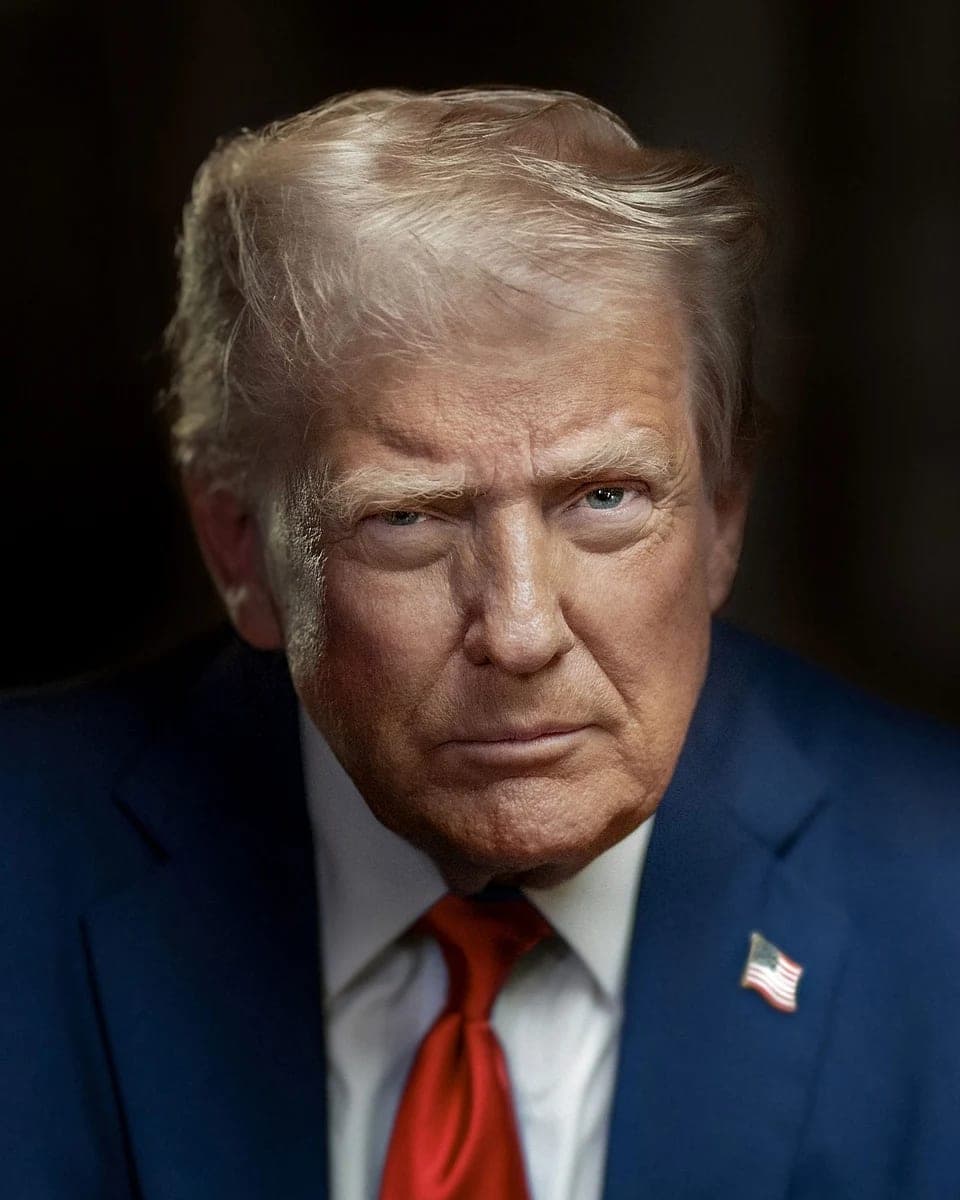
People in this story
SWIPE →President who signed the sanctions bill
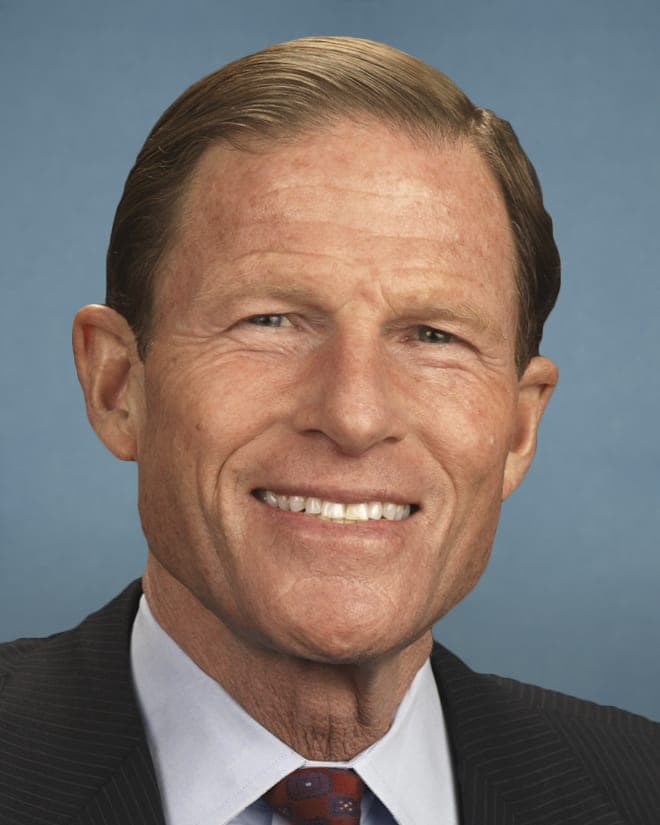
Senator and co-drafter of the sanctions bill
Blumenthal's version of this story ↗
Late senator whose work on the bill is described as a legacy project
Graham's version of this story ↗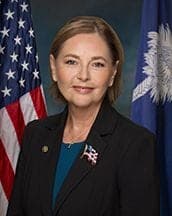
Senator appointed to complete her late brother's term
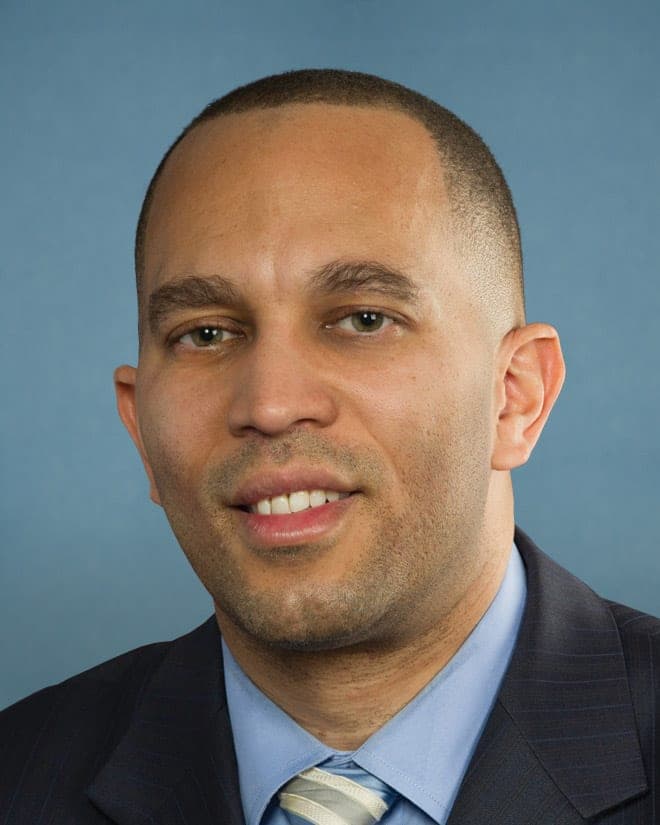
House Minority Leader who opposed the bill's expanded tariff authority
Part of a bigger story
7 OUTLETSDonald Trump signed a Russia sanctions law targeting Russian officials and parts of the country’s economy. It also gives him expanded authority to impose tariffs on some buyers of Russian energy. Center outlets largely frame the measure as pressure on Moscow over the war in Ukraine, while also noting Democratic objections to Trump’s tariff authority and concerns about possible costs to Americans.
- ARTICLES
- 7
- OUTLETS
- 7
- AVG CRED
- 78
Discussion · 0
Loading comments…