Democratic Leaders Fear the New Russia Sanctions Bill Could 'Harm' Americans. Here's Why
Trump signed the law, which gives him discretion to impose tariffs of up to 100% on certain buyers of Russian oil and gas.
SOURCE CHECK
TAP FOR WHYTIME is an established national news outlet with professional reporting standards and an attributed byline. The article identifies its expert and institutional sources, though the supplied source type does not provide additional classification detail.
- Track record — TIME is an established national publication with a substantial history of news reporting.
- Editorial standards — The article presents reported claims with attribution and distinguishes expert assessments from established events.
- Author attribution — A named author is provided.
- Transparency — The article names sources and institutions, though its source type is listed as unknown.
The article uses named lawmakers, a trade-policy expert, and institutional data, and it includes both criticism of the tariff authority and support for the sanctions. Some of the potential economic effects are forecasts or attributed estimates, and the White House had not responded by publication.
HOW WE SCORE ↗The story presents objections from Democratic lawmakers alongside support for the bill from other Democrats and explains its Russia sanctions provisions. It also includes expert analysis and foreign-government reactions, though it reports that the White House had not provided comment.
- Counterarguments presented — The article presents both concerns about tariff powers and arguments for the bill's sanctions on Russia.
- Source diversity — Sources include lawmakers with differing views, an expert, institutions, and foreign-government representatives.
- Omitted context — The article says the White House was contacted but had not commented.
- Loaded language — Strong phrases appear mainly in attributed quotations rather than in the article's own voice.
The article uses mostly neutral reporting language and attributes both criticism of the tariff authority and support for the sanctions. It gives substantial space to Democratic objections but also explains the case for the bill and includes expert and foreign-government perspectives.
- Language tone — Most judgments are attributed to speakers rather than presented as the article's own conclusions.
- Source selection — The article includes lawmakers on different sides, a trade-policy expert, and government statements.
- Framing — The headline foregrounds Democratic leaders' concerns, while the body also explains the sanctions rationale and support.
President Donald Trump signed a Russia sanctions law that also gives him broad authority to impose tariffs on countries buying Russian oil or gas. Democratic leaders warn the tariff provisions could raise costs for Americans, while other Democrats supported the sanctions as a way to pressure Russia.
The House passed the Lindsey O. Graham Sanctioning Russia and Iran Act of 2026 by 262 votes to 159, with 58 Democrats joining most Republicans. The law targets Russian financial institutions and energy, extends some sanctions on Iran, and allows tariffs of up to 100% on certain countries that buy Russian oil or gas.
House Minority Leader Hakeem Jeffries, Gregory Meeks and Donald Beyer objected to the tariff authority, warning it could harm American households and arguing that the bill lacks safeguards. Meeks said lawmakers should have added more guardrails; Beyer said the bill was well-intentioned but flawed.
Marcy Kaptur and Steny Hoyer supported the legislation as a means of holding Russia accountable and supporting Ukraine. Trade-policy expert Deborah Elms warned the tariff authority was broad, while the article also reports that China and India could face tariffs because they are major buyers of Russian oil.
Community verdict
27 VOTES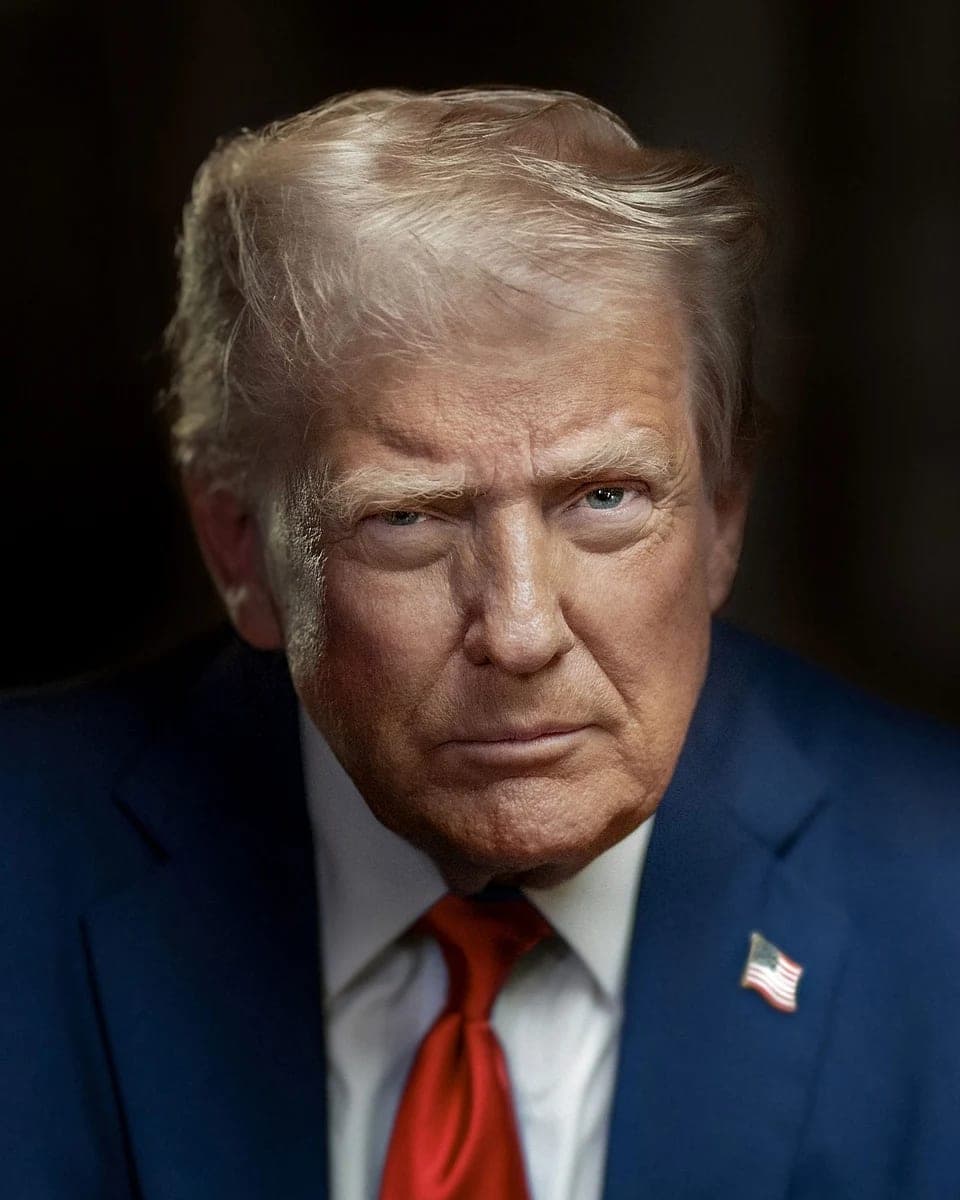
People in this story
SWIPE →President who signed the sanctions law and received new tariff authority under it
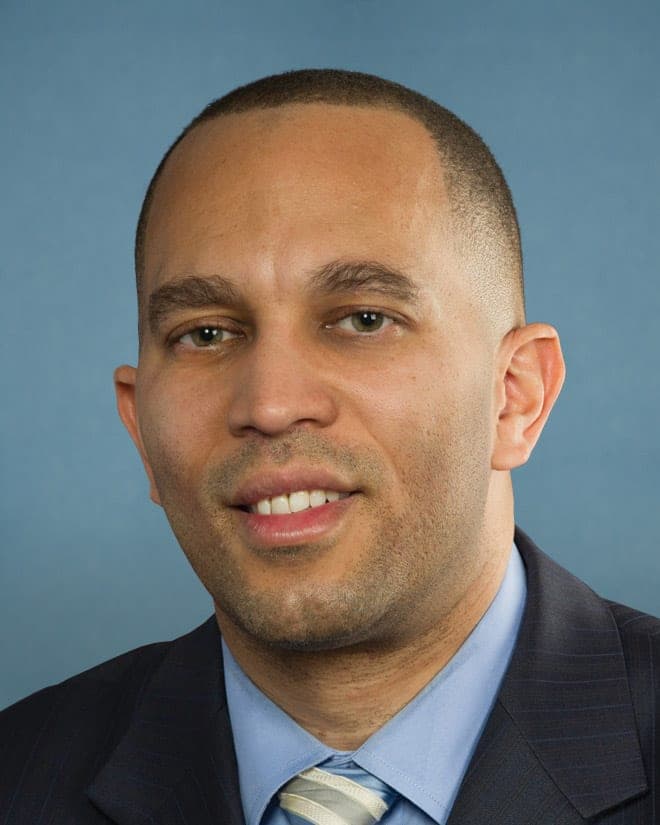
House Minority Leader who led Democratic opposition to the bill's tariff authority.
Jeffries's version of this story ↗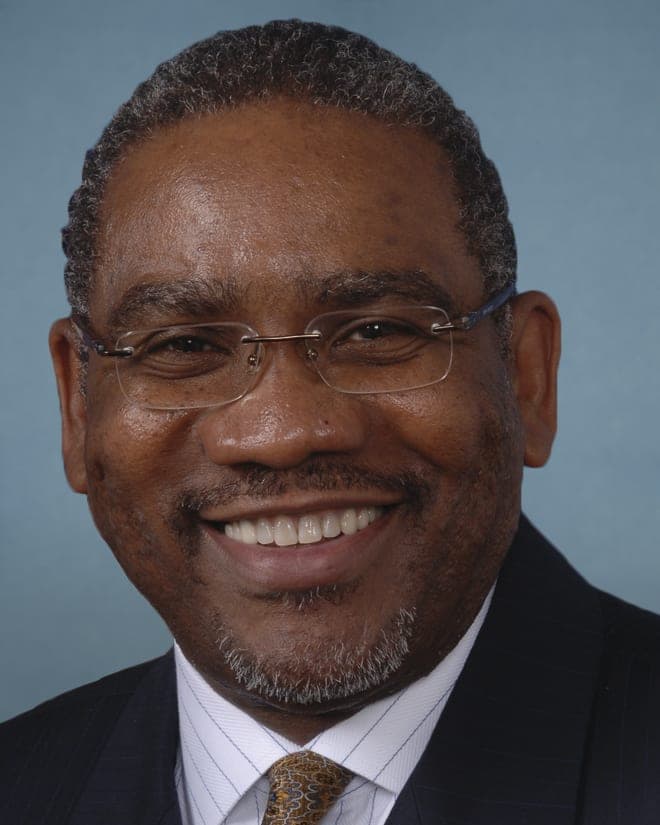
Top Democrat on the House Foreign Affairs Committee who called for safeguards on the tariff authority.
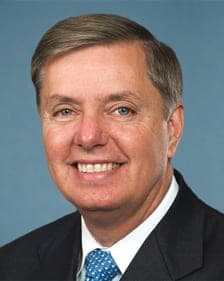
Late Republican senator whose name was given to the sanctions bill and who had built support for it.
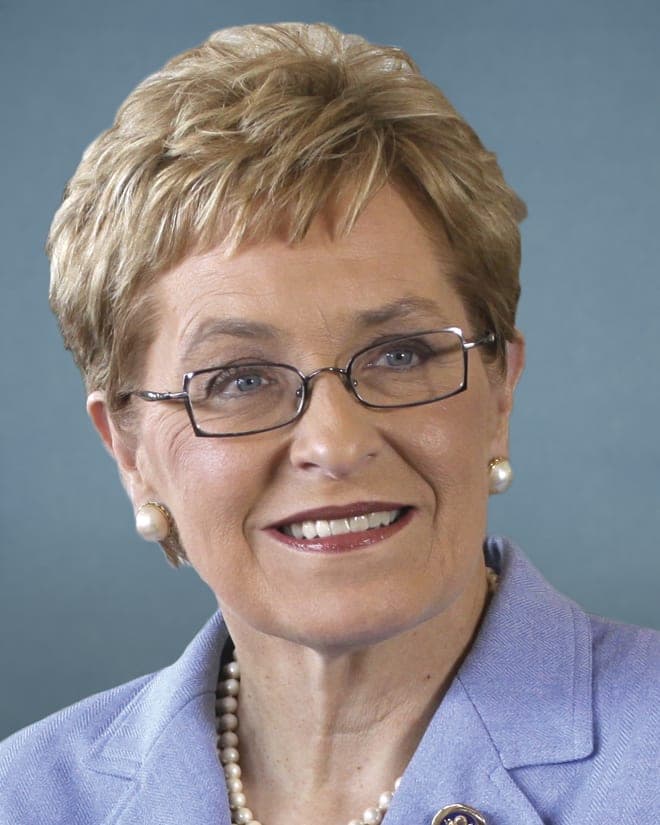
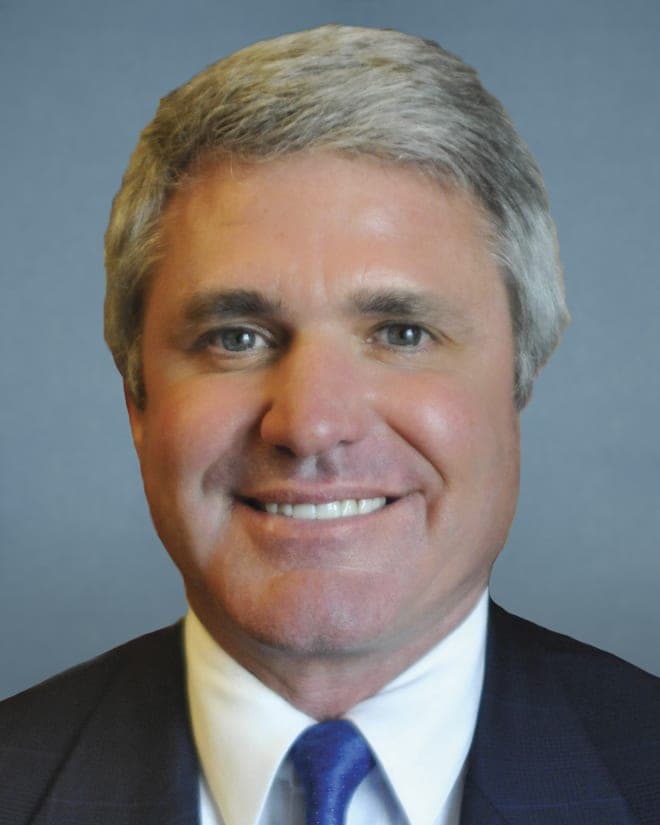
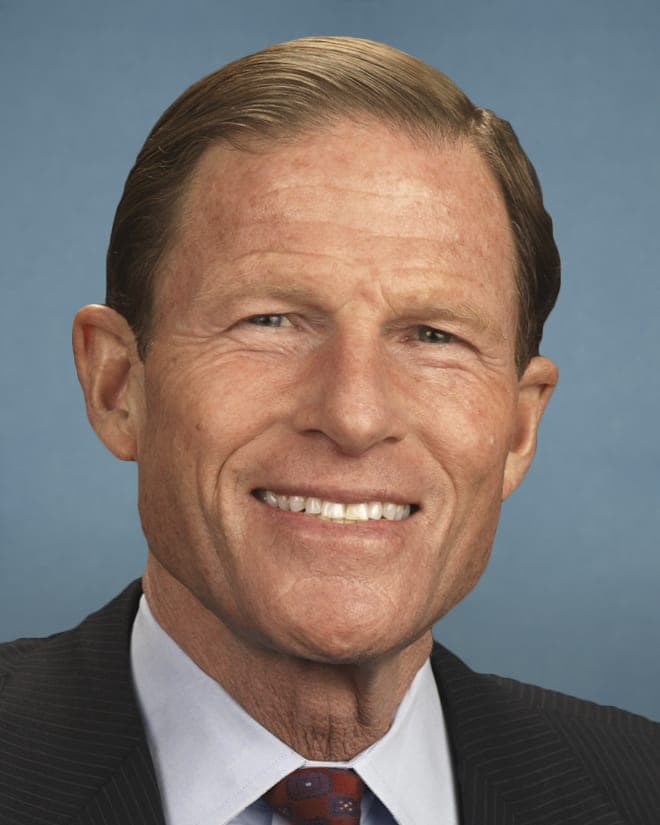
Ohio representative who supported the legislation as a way to hold Russia accountable.
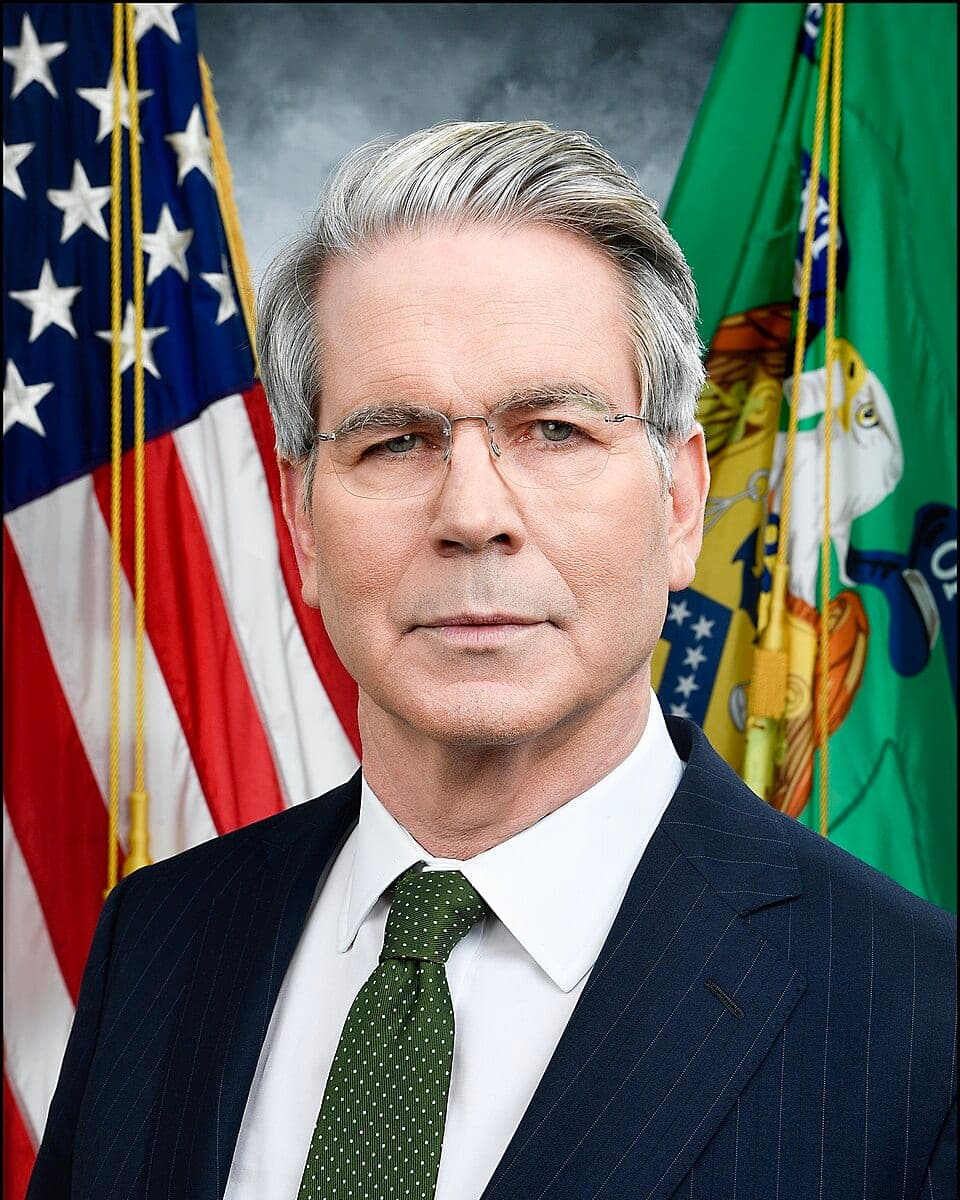
Treasury secretary scheduled to meet with China's vice premier.
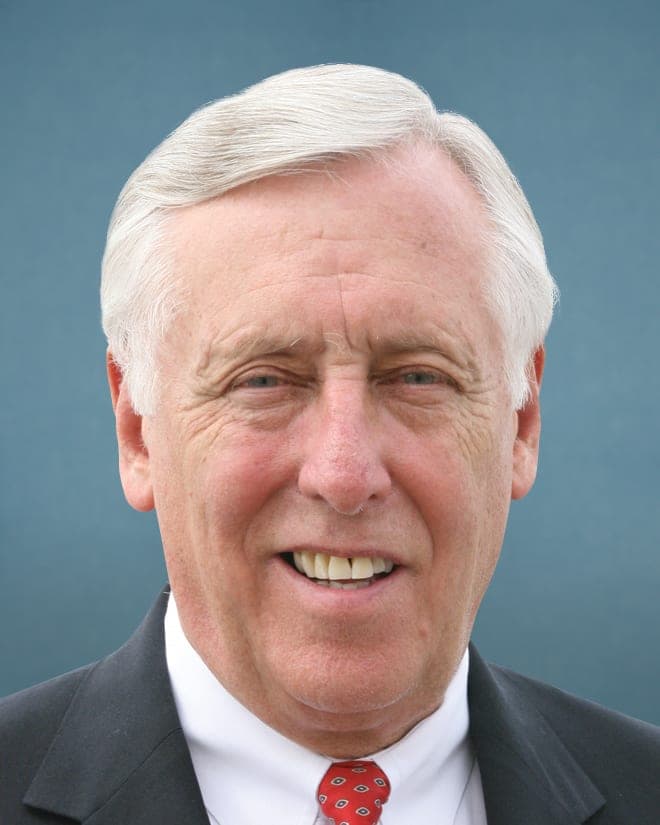
Maryland representative who praised the bill as a show of support for Ukraine.
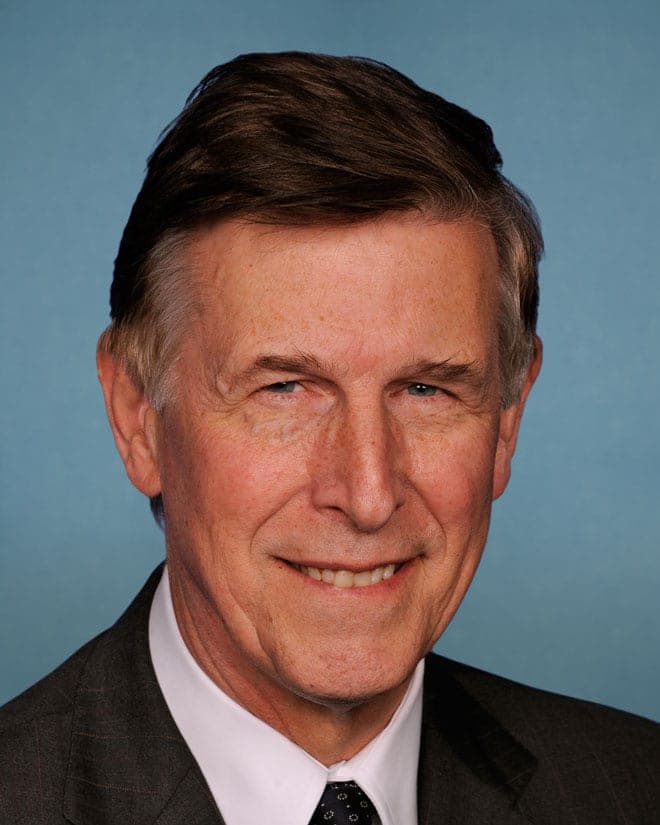
Virginia representative who criticized the bill's tariff provisions and lack of oversight.
Part of a bigger story
7 OUTLETSDonald Trump signed a Russia sanctions law targeting Russian officials and parts of the country’s economy. It also gives him expanded authority to impose tariffs on some buyers of Russian energy. Center outlets largely frame the measure as pressure on Moscow over the war in Ukraine, while also noting Democratic objections to Trump’s tariff authority and concerns about possible costs to Americans.
- ARTICLES
- 7
- OUTLETS
- 7
- AVG CRED
- 78
Discussion · 0
Loading comments…