Opinion: After Michigan, Will Pro-Israel Politics Get a Ground Game?
The column credits his campaign’s volunteer and voter-contact operation with helping him defeat Haley Stevens.
SOURCE CHECK
TAP FOR WHYCredibility rates Washington Jewish Week, where this article appeared. The other scores rate the article itself.
Washington Jewish Week is a local news outlet, and the JNS byline indicates the column was produced by an attributed news-service author. The text identifies its author but provides limited information about editorial or corrections practices.
- Source type — Local news publication, with a niche news-service byline.
- Author attribution — The column identifies Ben Ehrenkranz and gives his professional affiliation.
- Transparency — The author's role and consultancy are disclosed, but the page text gives little information about editorial standards.
- Editorial standards — No corrections policy or reporting standards are established in the article text.
The column gives specific spending and organizing figures and attributes some claims to campaigns and other sources. It advances a clear argument from a pro-Israel perspective, with little space for the candidates’ responses or alternative explanations for the primary results.
HOW WE SCORE ↗This is an explicitly labeled opinion column making a case for pro-Israel campaign organizing. It uses examples and figures but does not develop counterarguments or include responses from the candidates whose campaigns it critiques.
- Opinion vs reporting — The piece is labeled as opinion and advances a sustained argument.
- Counterarguments presented — The candidates' explanations or defenses are not presented.
- Source diversity — Some campaign and organizing figures are attributed, but perspectives are drawn mainly from the column's argument.
- Loaded language — Some evaluative descriptions of candidates and political groups reinforce the column's position.
The column favors pro-Israel organizing and criticizes progressive candidates and campaign approaches it associates with the left. Its advocacy-oriented framing leans right in the context of the political dispute it discusses.
- Framing — Presents pro-Israel organizing as a political cause that should be strengthened and emphasizes opponents’ organizing advantages.
- Language tone — Uses evaluative language about progressive challengers and incumbent campaigns.
- Source selection — Relies on claims and examples that support its argument for building pro-Israel political infrastructure.
- Omission — Does not offer responses from the candidates or discuss other explanations for their primary results.
Original publisher not identified
This article credits another publisher, which ChamberLight has not identified, so the scores are Washington Jewish Week's own.
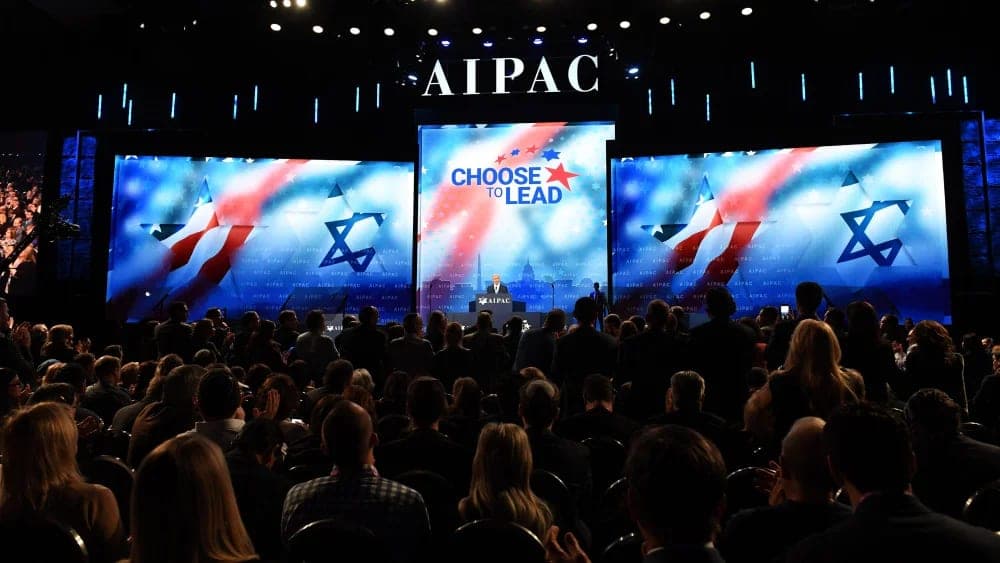
A pro-Israel politics opinion column argues that Haley Stevens’s Michigan primary loss showed the limits of campaign spending without a strong grassroots network. It contrasts that race with organizing efforts in Missouri and Colorado and urges earlier, year-round investment in local voter networks.
The column says Abdul El-Sayed defeated Rep. Haley Stevens in Michigan’s Democratic Senate primary despite Stevens’s large media-spending advantage. It argues that El-Sayed’s campaign and allies built extensive volunteer and voter-contact operations, while pro-Israel organizers in Michigan began turnout work late and lacked a statewide network. The author says Stevens also changed the subject when El-Sayed raised outside spending and argues that candidates should defend their positions directly.
The author contrasts Michigan with Rep. Wesley Bell’s Missouri primary defense, where a local coalition organized through synagogues and community groups, and with Rep. Diana DeGette’s Colorado primary defeat by Melat Kiros. The column urges political donors and local organizations to invest in lasting organizing infrastructure rather than relying mainly on advertising.
Community verdict
3 VOTES
People in this story
SWIPE →Michigan Senate candidate who defeated Haley Stevens in the Democratic primary

Michigan representative and Senate candidate who lost the Democratic primary
Stevens's version of this story ↗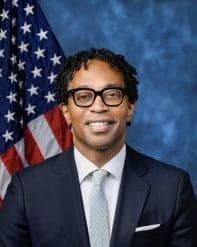
Missouri representative who defended his seat against Cori Bush
Colorado House candidate who defeated Diana DeGette
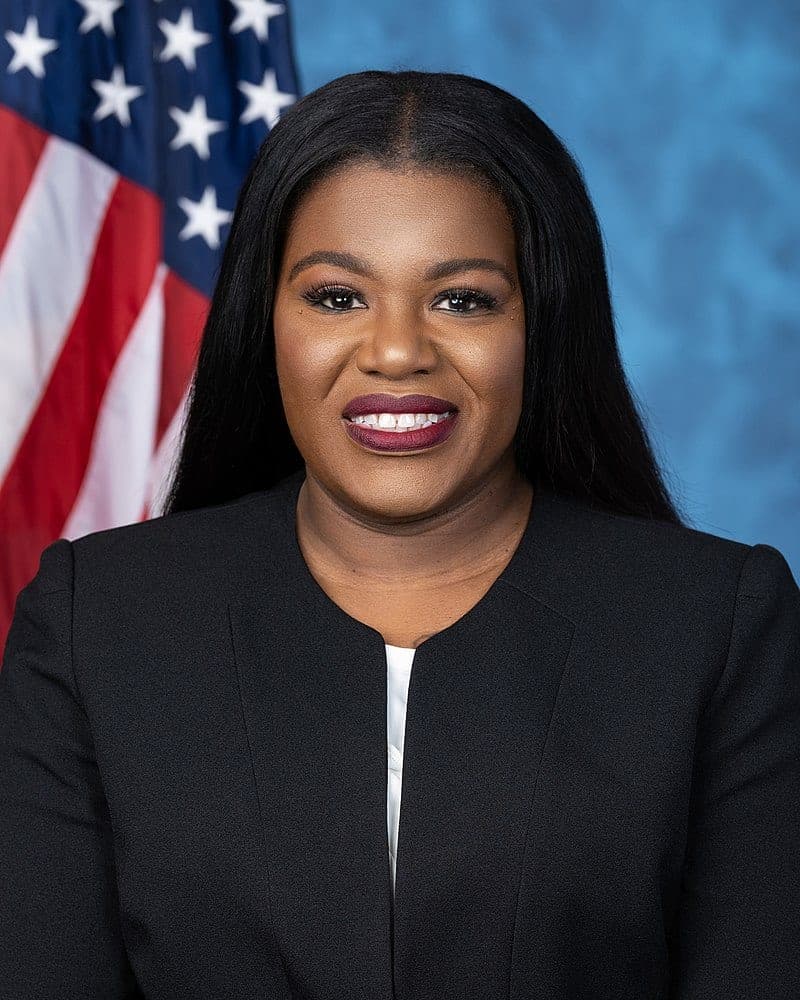
Former Missouri representative and challenger to Wesley Bell
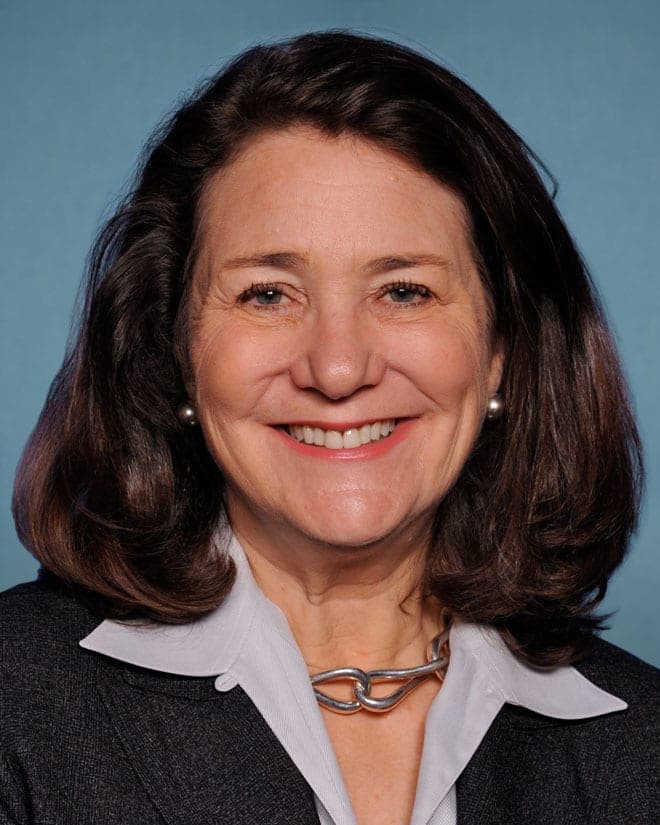
Colorado representative who lost a primary to Melat Kiros
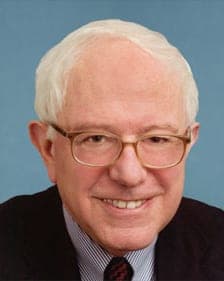
Vermont senator commenting on grassroots organizing
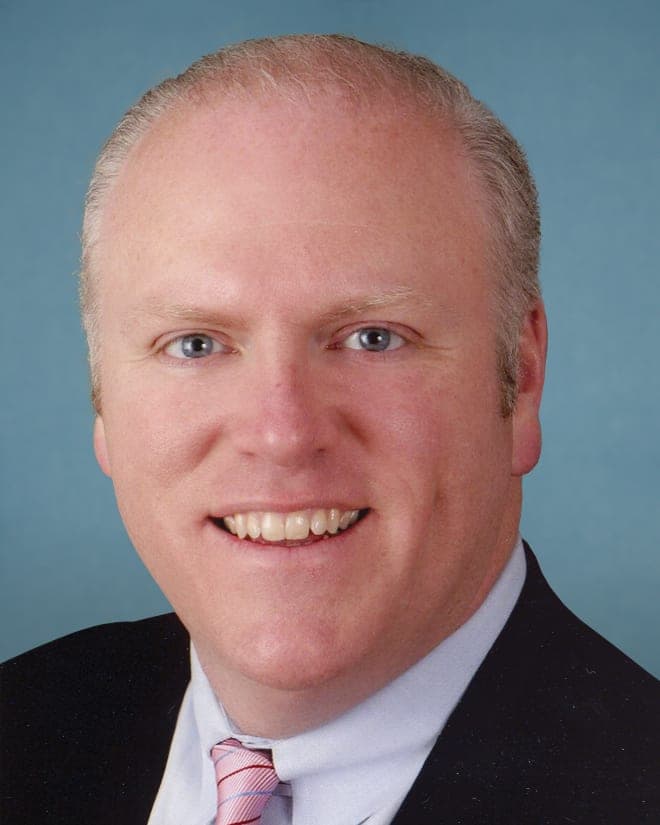
Former New York representative cited as an example of an incumbent defeated by a lower-spending challenger

New York representative cited as an example of an incumbent defeated by a lower-spending challenger
Part of a bigger story
6 OUTLETSOutlets agree that Abdul El-Sayed won Michigan’s Democratic Senate primary; coverage also reports he will face Republican Mike Rogers in the general election. Right-leaning outlets treat the result as consequential beyond the primary: Fox News stresses a possible general-election liability, while Jns draws a lesson about pro-Israel organizing. Other articles variously present the win as a progressive shift, analyze the primary campaign, or connect it to Israel-related political realignment.
- ARTICLES
- 7
- OUTLETS
- 6
- AVG CRED
- 69
- WorldNetDaily · How Hamas attack on Israel is changing American politics * WorldNetDaily * by Benjamin Weingarten, Real Clear Wire
- Yahoo News · Former Vikings captain Jack Brewer reacts to Abdul El-Sayed's Senate primary victory in Michigan
- Jns · After Michigan, will pro-Israel politics get a ground game?
Discussion · 0
Loading comments…