After Michigan, will pro-Israel politics get a ground game?
Ehrenkranz points to El-Sayed’s organizing operation as evidence that a strong ground game can overcome a spending advantage.
SOURCE CHECK
TAP FOR WHYJNS is an established Jewish-focused news publisher, though its niche perspective and this clearly identified opinion column warrant some caution. The author is named, but the piece offers limited independent sourcing for several campaign claims.
- Source type — An established niche news publisher; the article is an opinion column rather than straight reporting.
- Author attribution — The author is identified by name.
- Editorial standards — The argument is clearly presented as commentary, but evidence and sourcing are limited.
- Transparency — Some claims are attributed to AdImpact, campaign representatives or organizers, but supporting detail is sparse.
The column uses specific spending and organizing figures and attributes some of them to named sources or campaigns. It mainly advances one argument, offers little direct response from the candidates or opposing organizations, and provides limited independent verification of several claims.
HOW WE SCORE ↗The article is an argument for a particular political cause and gives little space to the candidates or organizations whose strategies it criticizes. It includes figures and examples but does not meaningfully present counterarguments.
- Counterarguments presented — The piece does not present a substantive response from the candidates or groups whose strategies it criticizes.
- Loaded language — Some descriptions characterize the challengers and their politics in evaluative terms.
- Opinion vs reporting — The piece is commentary arguing for a pro-Israel organizing strategy.
- Source diversity — Campaign figures are included, but perspectives are not broadly represented.
The commentary favors pro-Israel political organizing and criticizes socialist challengers and their campaign methods. Its advocacy-oriented framing leans right, although it does not make a general case for Republican candidates.
- Framing — The piece presents stronger pro-Israel organizing as a goal and treats progressive challengers as a challenge to that cause.
- Language tone — Terms such as “hard-left” and “ultra-progressive” frame the challengers negatively.
- Source selection — The piece relies mainly on the author's interpretation and campaign figures rather than presenting opposing perspectives.
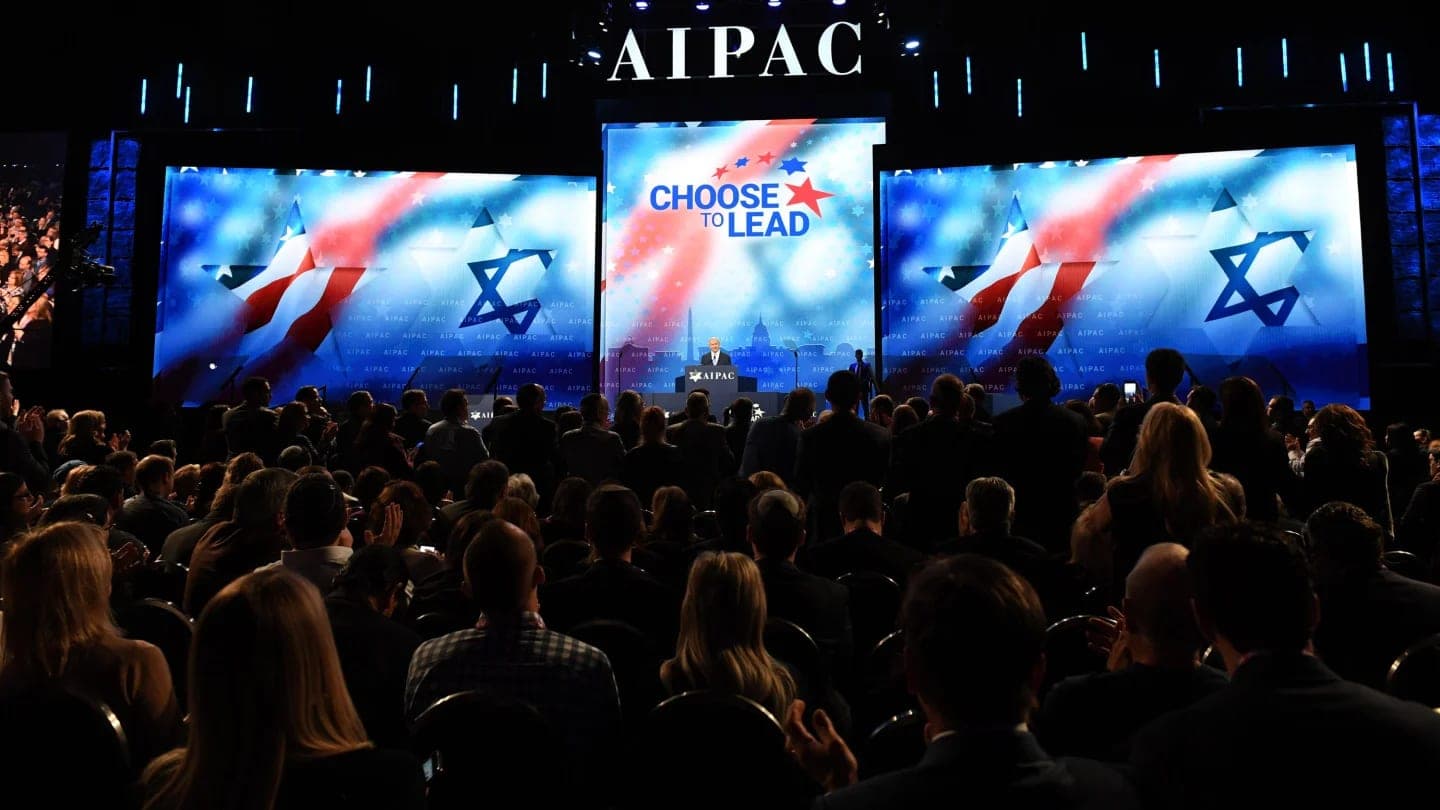
Ben Ehrenkranz argues that Haley Stevens’s Michigan primary loss to Abdul El-Sayed shows that campaign spending cannot replace sustained local organizing. He urges pro-Israel groups and donors to build volunteer networks and voter relationships before election season.
Ehrenkranz says Stevens had a large media-spending advantage but lost to El-Sayed, whose allies claimed 270,000 voter contacts; his campaign reported 500 events and 12,000 volunteers. The author argues that pro-Israel organizers began turnout work too late and lacked a statewide network.
The commentary contrasts that campaign with a Missouri effort that helped Wesley Bell defeat Cori Bush, describing a coalition that organized canvassing and phone banking through synagogues and community groups. Ehrenkranz urges political funders to invest in durable organizing systems rather than relying chiefly on advertising.
Community verdict
8 VOTES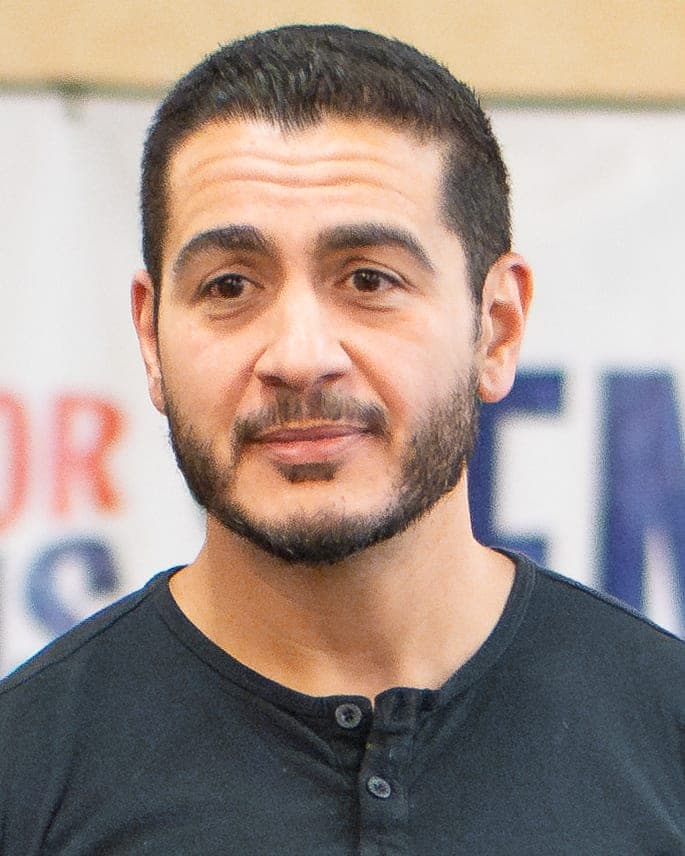
People in this story
SWIPE →Michigan Senate candidate whose primary campaign is presented as an example of effective grassroots organizing
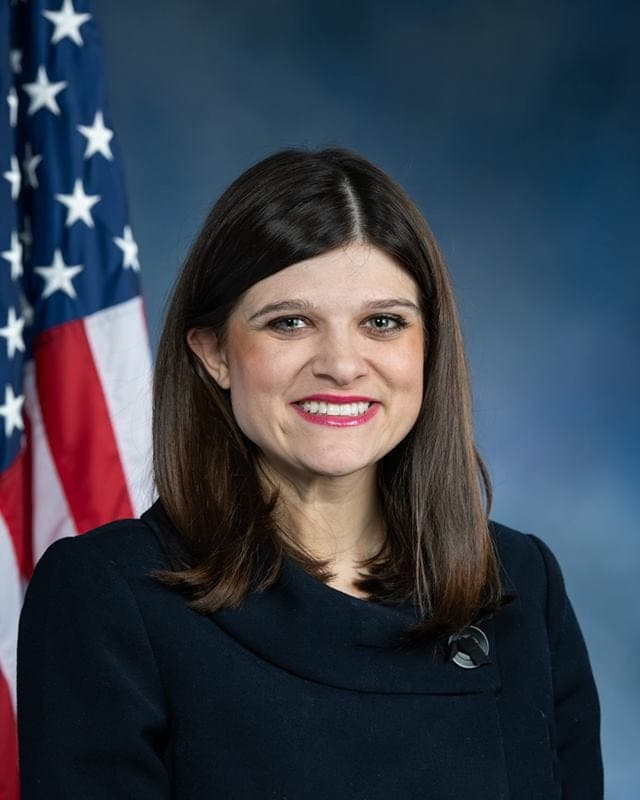
Michigan representative whose Senate primary loss is used to illustrate the limits of campaign spending
Stevens's version of this story ↗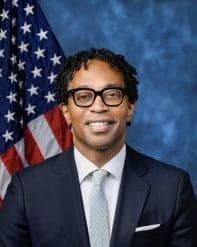
Representative cited as having defended his seat with support from outside spending and a local coalition
House candidate who defeated DeGette in the primary
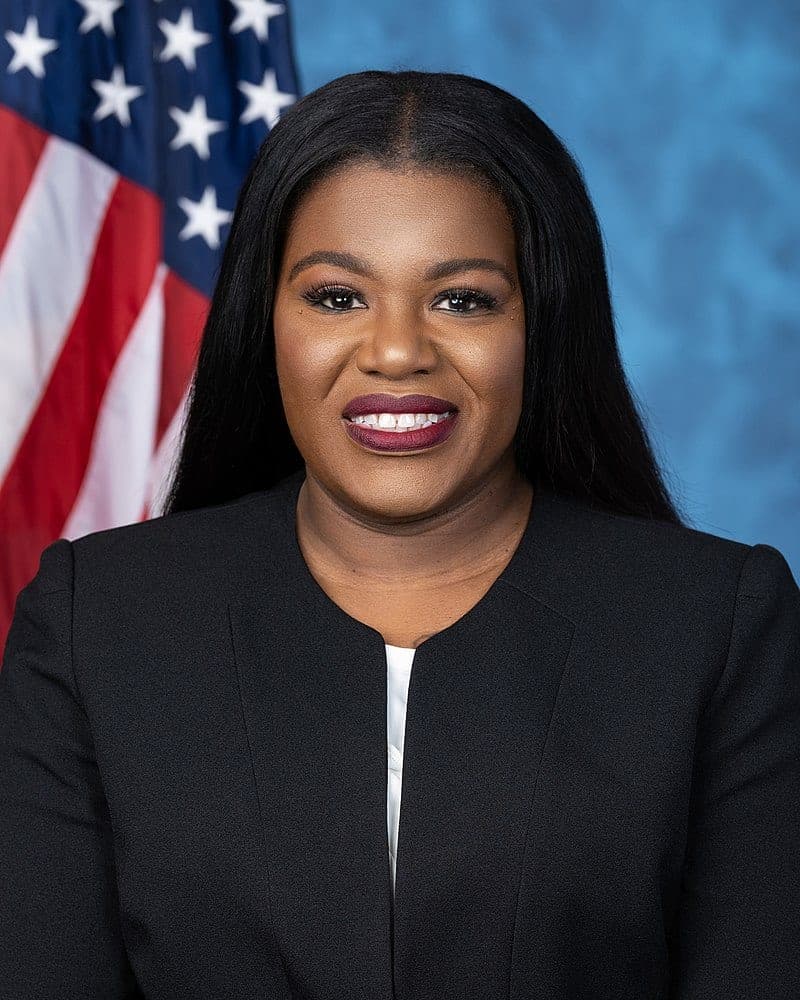
Former representative and challenger defeated by Wesley Bell
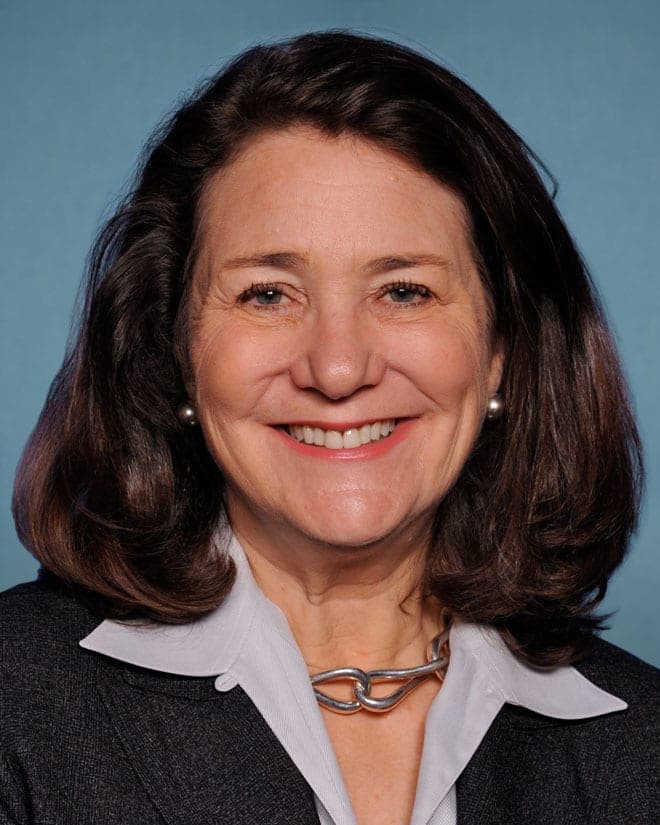
Representative whose primary loss is offered as another example of campaign spending failing to secure a win
Senator quoted crediting grassroots organizing with defeating establishment politicians
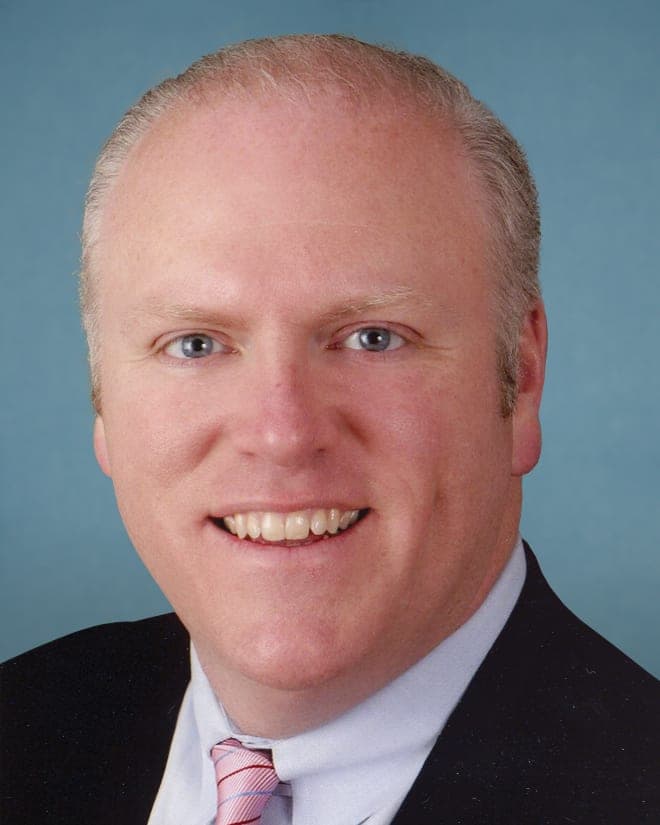
Former representative cited as another example of an incumbent who lost despite outspending a challenger

Representative mentioned as the challenger who defeated Joseph Crowley
Part of a bigger story
6 OUTLETSOutlets agree that Abdul El-Sayed won Michigan’s Democratic Senate primary; coverage also reports he will face Republican Mike Rogers in the general election. Right-leaning outlets treat the result as consequential beyond the primary: Fox News stresses a possible general-election liability, while Jns draws a lesson about pro-Israel organizing. Other articles variously present the win as a progressive shift, analyze the primary campaign, or connect it to Israel-related political realignment.
- ARTICLES
- 7
- OUTLETS
- 6
- AVG CRED
- 69
- WorldNetDaily · How Hamas attack on Israel is changing American politics * WorldNetDaily * by Benjamin Weingarten, Real Clear Wire
- Yahoo News · Former Vikings captain Jack Brewer reacts to Abdul El-Sayed's Senate primary victory in Michigan
- Washington Jewish Week · Opinion: After Michigan, Will Pro-Israel Politics Get a Ground Game?
Discussion · 0
Loading comments…