What is the FCC equal time rule at center of Talarico interview?
Talarico appeared in a Colbert interview moved to YouTube and criticized the FCC’s scrutiny of political interviews.
SOURCE CHECK
TAP FOR WHYThe Washington Examiner is an established national outlet with an identified author and a recognizable newsroom, though this article provides limited evidence of its correction practices. Its reporting includes direct statements from CBS and a named FCC commissioner, as well as noting that the FCC did not respond.
- Source type — Established national news outlet with a record of publishing reported coverage.
- Author attribution — The article identifies its author.
- Transparency — It attributes key claims to CBS, Anna Gomez, and a named advocacy organization.
The article gives a concise explanation of the rule and includes CBS’s account, criticism from an FCC commissioner and a free-expression group, and the agency’s lack of response. The FCC’s position on this specific interview is not represented, and the legal explanation is brief.
HOW WE SCORE ↗The article includes CBS’s explanation of its decision and describes the rule, but the FCC offers no comment and several quoted voices criticize the policy. The article attributes those criticisms rather than presenting them as established fact.
- Counterarguments presented — CBS says the show chose YouTube instead of offering equal-time options; no FCC response is included.
- Source diversity — The article includes CBS, a Democratic FCC commissioner, an advocacy group, and the FCC’s nonresponse.
- Loaded language — Strong censorship-related language is attributed to interviewees and quoted sources.
The article gives prominent space to criticism that the FCC’s actions pressure or censor broadcasters, while offering little explanation of the agency’s rationale beyond its guidance. CBS’s account adds some counterweight, but the framing overall is critical of the FCC and administration.
- Framing — The article foregrounds scrutiny of the interview and presents the dispute largely through claims of pressure and censorship.
- Source selection — Criticism from Gomez and FIRE is quoted, while the FCC did not provide comment.
- Language tone — The article uses some critical framing, including describing the FCC as aggressively enforcing its guidance.
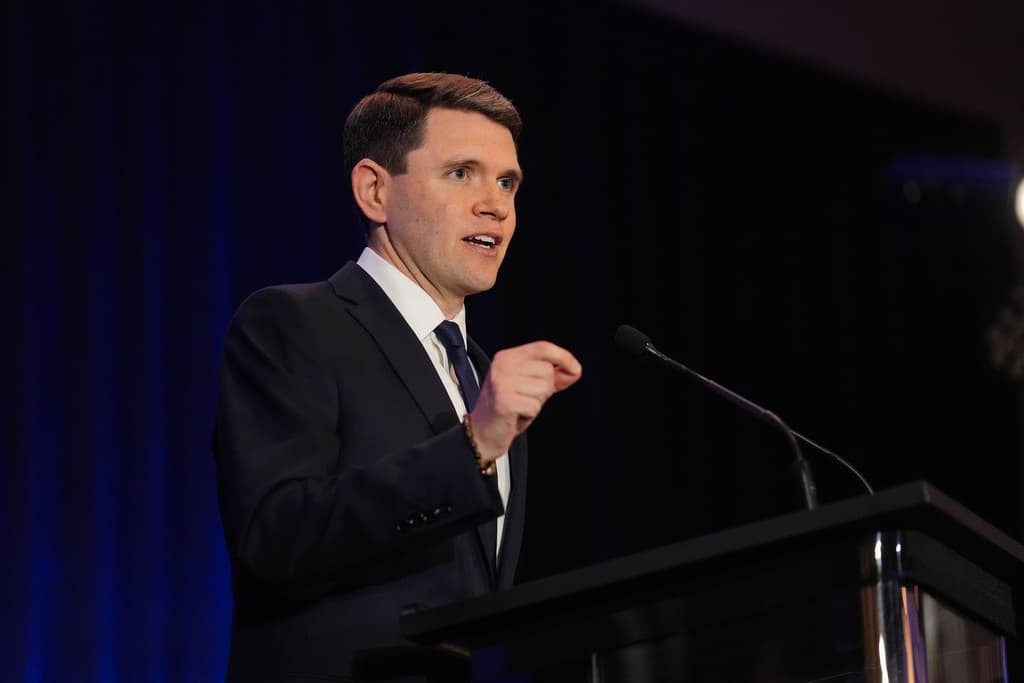
The FCC’s equal-time rule prompted CBS to move Stephen Colbert’s interview with Texas Senate candidate James Talarico to YouTube. Talarico criticized the FCC’s scrutiny, while CBS said the show chose not to offer equal airtime to other candidates.
The article explains that Section 315 of the Communications Act requires broadcasters to provide equal opportunities to candidates, with an exemption for bona fide news coverage. It says the FCC’s guidance does not exempt late-night and daytime talk shows it considers motivated by partisan purposes. Colbert posted his interview with Talarico on YouTube, which is not subject to the rule described in the article.
Talarico called the FCC’s investigation of ABC’s The View an example of the Trump administration’s weaponization of “cancel culture.” CBS said the show received legal guidance that airing the interview could trigger equal-time obligations for other Senate candidates, including Jasmine Crockett, and chose YouTube rather than offering those options on broadcast. FCC Commissioner Anna Gomez criticized the agency’s pressure on broadcasters; the FCC did not respond to the Washington Examiner’s request for comment.
Community verdict
3 VOTES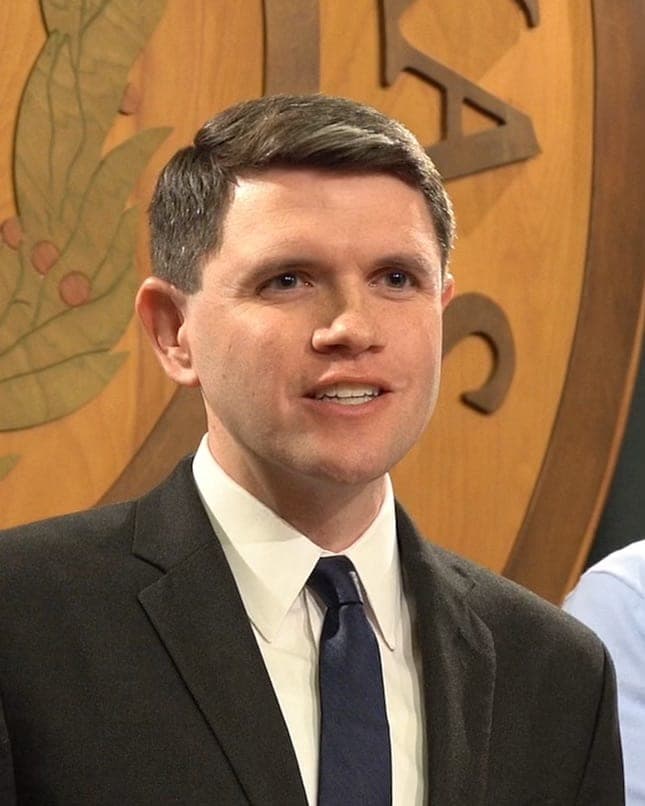
Counts every outlet’s report of this story. See all 66
- Readers of left-leaning coverage: not enough votes yet
- Readers of right-leaning coverage: 0% good look
Votes cast on this page
Votes cast on this page: ▲ 0 · ◆ 0 · ▼ 0
People in this story
SWIPE →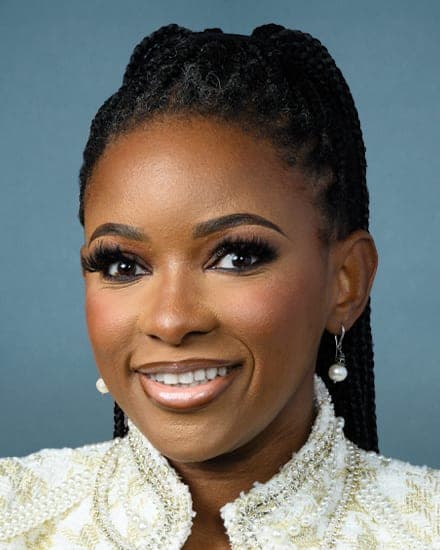
Texas representative and Democratic Senate candidate
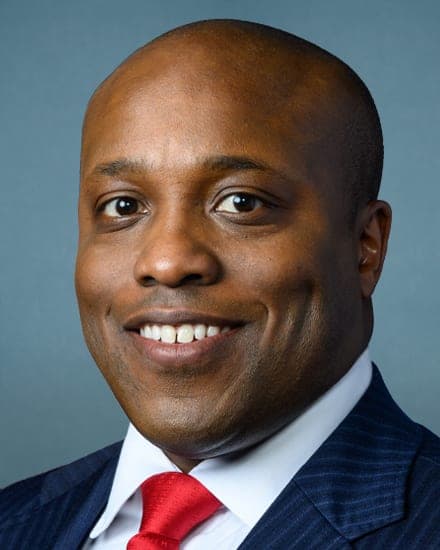
Texas representative and Republican Senate candidate
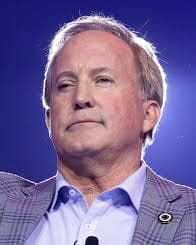
Texas attorney general and Republican Senate candidate
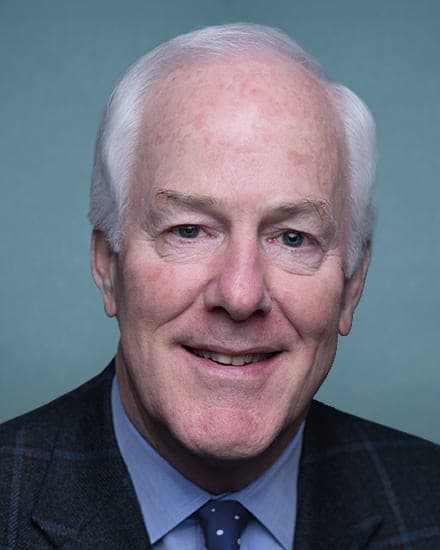
Texas senator whose seat is being contested
Part of a bigger story
32 OUTLETSStephen Colbert’s interview with Texas Senate candidate James Talarico did not air on CBS television and was later posted online. Coverage centers on CBS’s equal-time guidance and disagreement over whether it barred the broadcast or led the show to choose not to air it. Left-leaning outlets frame the decision as political pressure on speech and note the interview’s online reach and possible campaign benefit. Center outlets focus on competing accounts of CBS’s equal-time guidance, while some track the interview’s reach and fundraising. Right-leaning outlets emphasize CBS’s account of legal guidance and challenge claims that the FCC or Trump stopped the interview.
- ARTICLES
- 66
- OUTLETS
- 32
- AVG CRED
- 64
Discussion · 0
Loading comments…