AOC, Sanders, Merkley roll out bill to ban Flock cameras
Ocasio-Cortez introduced legislation to bar federal use of Flock cameras and restrict grants to governments that use them.
SOURCE CHECK
TAP FOR WHYThe Washington Examiner is an established national outlet with an identifiable author and a reported news format. Its partisan editorial identity warrants some caution, but the article attributes claims and identifies outside reporting it relies on.
- Source type — An established national news outlet; its opinion orientation is distinct from its news reporting.
- Editorial standards — The page presents the story as news and attributes statements to the people quoted.
- Author attribution — The article names an author.
- Transparency — It identifies the Washington Post investigation as the source for reported misuse findings.
The article gives the bill’s main provisions, quotes two sponsors and includes context on reported misuse and a Republican senator’s separate effort. It does not include a response from Flock, law enforcement, or an opponent of the bill.
HOW WE SCORE ↗The article provides the sponsors’ rationale and some context about misuse, while also mentioning bipartisan concerns and Hawley’s approach. It does not present a direct response from Flock or a defense of the technology.
- Source diversity — The story includes sponsor statements, an account of outside investigative reporting, and a Republican lawmaker’s separate effort.
- Counterarguments presented — No direct counterargument to the proposed ban or response from the company is included.
- Opinion vs reporting — The article is written as a news report and attributes evaluative statements to their speakers.
- Omitted context — The article gives little detail on potential benefits of the camera network or the bill’s practical effects.
The article uses mostly straightforward reporting and attributes the sponsors’ critical language rather than adopting it. It also notes bipartisan concerns and Hawley’s separate legislative effort.
- Language tone — The reporter’s narration is largely neutral; sharper language appears in attributed quotations.
- Source selection — The story quotes two sponsors and also includes a Republican senator’s actions and alternative bill.
- Framing — The article describes both the proposed ban and the scrutiny of camera use without overtly endorsing either.
Alexandria Ocasio-Cortez, Bernie Sanders and Jeff Merkley introduced the Ban Flock Act, which would bar federal use of Flock’s license-plate cameras and restrict grants to state and local governments that use them. The proposal comes amid scrutiny of how police use the technology.
Ocasio-Cortez, Sanders and Merkley introduced the Ban Flock Act on Friday. The bill would prohibit federal agencies from using or accessing data from automated license plate readers and would bar federal grants to state and local governments that use the technology. Sanders described the proposal as a way to prevent government surveillance, while Ocasio-Cortez said it would protect privacy.
Flock operates a network of roughly 120,000 cameras, according to the article. It also reports that a Washington Post investigation found police officers had misused the cameras to track people for unauthorized purposes; Flock announced tighter oversight measures in August. The article notes that Sen. Josh Hawley invited technology-company CEOs to a September hearing and has been working on a separate bill imposing restrictions and auditing requirements.
Community verdict
15 VOTES
People in this story
SWIPE →Representative and co-introducer of the Ban Flock Act

Senator and co-introducer of the Ban Flock Act
Sanders's version of this story ↗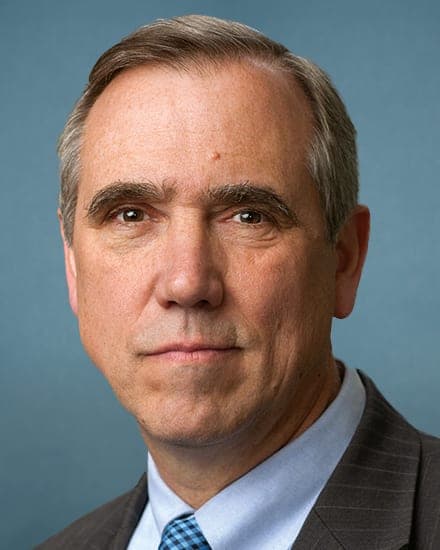
Senator and co-introducer of the Ban Flock Act
Merkley's version of this story ↗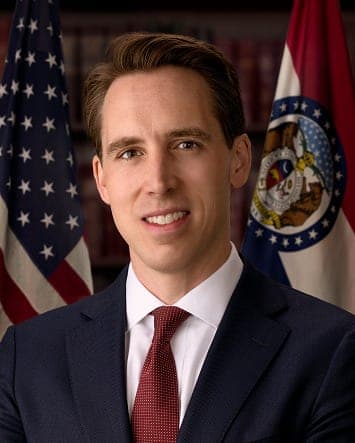
Senator pursuing separate restrictions and auditing requirements for automated license plate readers
Part of a bigger story
13 OUTLETSAlexandria Ocasio-Cortez, Bernie Sanders and Jeff Merkley introduced the Ban Flock Act, which would restrict federal use of license-plate reader cameras and related funding. Left-leaning outlets foreground privacy and surveillance risks, drawing on the sponsors’ criticism. Center outlets mostly explain the bill’s provisions and place it amid scrutiny, with some including company responses or other lawmakers’ proposals. Right-leaning outlets emphasize the proposed limits on federal use and funding, with some contrasting other lawmakers’ approaches.
- ARTICLES
- 13
- OUTLETS
- 13
- AVG CRED
- 68
Discussion · 0
Loading comments…