Ban Flock Act
Restricts federal use and funding of license plate readers and ties certain grants to state and local limits.
In nine House committees since Oct. 1, 2026, 4 days after it was introduced. Most bills never leave committee.
- INTRODUCEDINTROOCT 1, 2026
- COMMITTEECOMM.IN COMMITTEE
- HOUSEHOUSE—
- SENATESENATE—
- LAWLAW—
What the bill would do, and why it matters
Automatic license plate readers record details about vehicles and can help track their movements. The Ban Flock Act would restrict federal use of the readers and their data, condition certain federal grants on state and local limits, and bar most federal funding for reader-related activities. It would allow limited toll-only use under rules for handling the data.
- INTRODUCED ONLY This bill has been introduced and possibly referred to a committee, but it has not passed any vote. Most introduced bills never become law — they die in committee without a hearing.
- DATA NOTE No Congressional Research Service summary was available.
- Bars most federal reader use
Federal agencies, officials, and people acting for the federal government could not acquire, possess, access, or use automatic license plate readers or their data in the United States. An exception would require a specific act of Congress that identifies permitted uses and includes safeguards; the bill also exempts certain NIST research and testing.
- Conditions grants on state and local bans
Starting with the first day of the first fiscal year after enactment, five federal departments could not provide assistance to a state or local government unless it had a law or binding policy limiting its agencies’ and representatives’ use of readers at least as much as the federal restriction. The departments are Justice, Transportation, Health and Human Services, Housing and Urban Development, and Homeland Security.
- Blocks federal money for reader activity
Federal funds could not pay for buying, operating, or maintaining readers, or for obtaining or using captured plate data, including through contracts or data-sharing arrangements. Recipients would have to repay improperly used funds, and agencies could suspend or end the portion of an award connected to a violation; lawful use with non-federal funds would not be barred by this provision.
- Limits toll data to tolling
Readers and captured data used solely for tolling would be exempt from the main restrictions, but the data could not be used for law enforcement or movement tracking, among other unrelated purposes. Toll operators and contractors would face limits on disclosure and retention, along with security and recordkeeping requirements.
Captured plate data can include a vehicle’s plate number, images, time and location, direction of travel, and information derived from those records. The bill would limit federal access to these records and use federal funding conditions to encourage comparable restrictions by state and local governments.
Those limits could affect both the privacy of people whose vehicle movements are recorded and the ability of governments to use this technology. The tolling exception would preserve a narrow use for collecting tolls while restricting other uses of toll data.
Written from the bill text.
The path it took, step by step
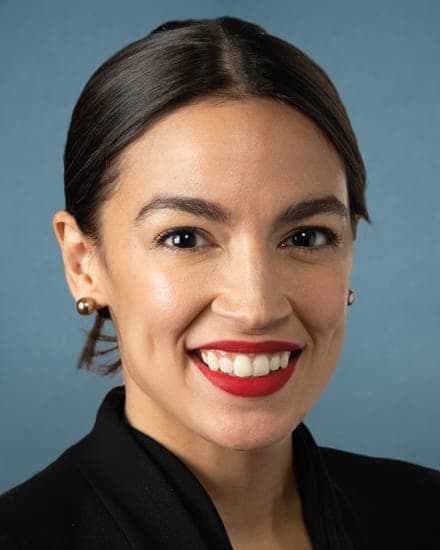
- IntroducedOCT 1, 2026HOUSEOCT 1, 2026By Rep. Ocasio-CortezReferred to Education and Workforce, Energy and Commerce, Financial Services, Homeland Security, Natural Resources, Oversight and Government Reform, Judiciary, Transportation and Infrastructure and Ways and Means
- SAME DAYNOWHouse committeesOCT 1, 2026EDUCATION & WORKFORCE · ENERGY & COMMERCE +7 NOWOCT 1, 2026In committee for 4 daysNo hearing yet
- 4 DAYS SO FARPassed the House—HOUSE FLOOR—Not scheduled
- Senate committee—SENATE—
- Passed the Senate—SENATE FLOOR—Not scheduled
- Resolve differencesONLY IF NEEDEDBOTH CHAMBERSONLY IF NEEDEDSkipped if the other chamber passes the same text
- Signed into law—PRESIDENT—10 days to sign or veto
- OCT 12026OCT 1, 2026REFERREDReferred to the Committee on Oversight and Government Reform, and in addition to the Committees on the Judiciary, Transportation and Infrastructure, Energy and Commerce, Education and Workforce, Ways and Means, Natural Resources, Financial Services, and Homeland Security, for a period to be subsequently determined by the Speaker, in each case for consideration of such provisions as fall within the jurisdiction of the committee concerned.
- OCT 12026OCT 1, 2026INTRODUCEDHOUSEIntroduced in House
At day 4, this bill is already older than 3% of the laws passed this Congress were when they were signed.
Where your members stand on it
Coverage at a glance
Outlets that covered this bill, by their lean; 5 more are not rated.
What readers think
Discussion
Get an alert when it changes stage, gets a floor vote in the House, or is signed into law.