Abdul El-Sayed Apologized. Just Ask the Media.
The column argues that his apology did not withdraw the explanation he offered after the Temple Israel attack.
SOURCE CHECK
TAP FOR WHYTownhall is an established, explicitly partisan outlet, and this page is a named columnist’s opinion piece rather than straight news reporting. The author is identifiable, but the promotional editor’s note and advocacy-oriented framing limit its institutional credibility for neutral reporting.
- Source type — Opinion column with an explicitly partisan appeal in the editor’s note.
- Author attribution — The column names Larry O’Connor as its author.
- Transparency — The page identifies the outlet and author, but provides little information here about reporting or correction practices.
- Editorial standards — The writing is advocacy-oriented and does not present itself as neutral reporting.
The column quotes El-Sayed’s remarks and references coverage by several outlets and JTA, giving readers specific material to assess. It is strongly argumentative, selects evidence to support its thesis, and offers little competing interpretation or broader context.
HOW WE SCORE ↗The column includes several quotations from El-Sayed, but uses them to advance a critical interpretation and does not develop a substantive defense or alternative reading of his apology.
- Counterarguments presented — No substantial defense of El-Sayed’s remarks or apology is presented.
- Loaded language — The column uses emphatic and skeptical phrasing to challenge the apology.
- Opinion vs reporting — This is openly argumentative opinion writing.
- Source diversity — The column references multiple media headlines and JTA, but relies chiefly on its own interpretation of selected quotations.
The column frames a Democratic Senate candidate’s apology as inadequate and pairs that criticism with an editor’s note urging support for Republicans. Its language and framing are strongly right-leaning.
- Language tone — Uses pointed, skeptical language about the candidate’s apology and interpretation of his remarks.
- Framing — Centers the argument that the apology is incomplete and urges voters to judge the candidate negatively.
- Headline — The headline casts doubt on the media’s account of the apology.
- Source selection — Quotes the candidate and references coverage, but presents those materials within a one-sided argument.
Larry O’Connor argues that Abdul El-Sayed’s apology for comments after the Temple Israel attack focused on timing and how his words were received, not on withdrawing the explanation he offered.
O’Connor says El-Sayed condemned the attack on Temple Israel, then discussed the attacker’s family and a “cycle” of violence. He quotes El-Sayed apologizing for comments that might have been misconstrued or hurtful, and saying he had made a mistake because it was not the time for context.
O’Connor argues that El-Sayed’s description of context as the “right medicine” at the wrong time suggests he still stands by the explanation’s substance. He says voters should decide whether that instinct belongs in a senator and urges reporters to ask El-Sayed directly about it.
Community verdict
9 VOTES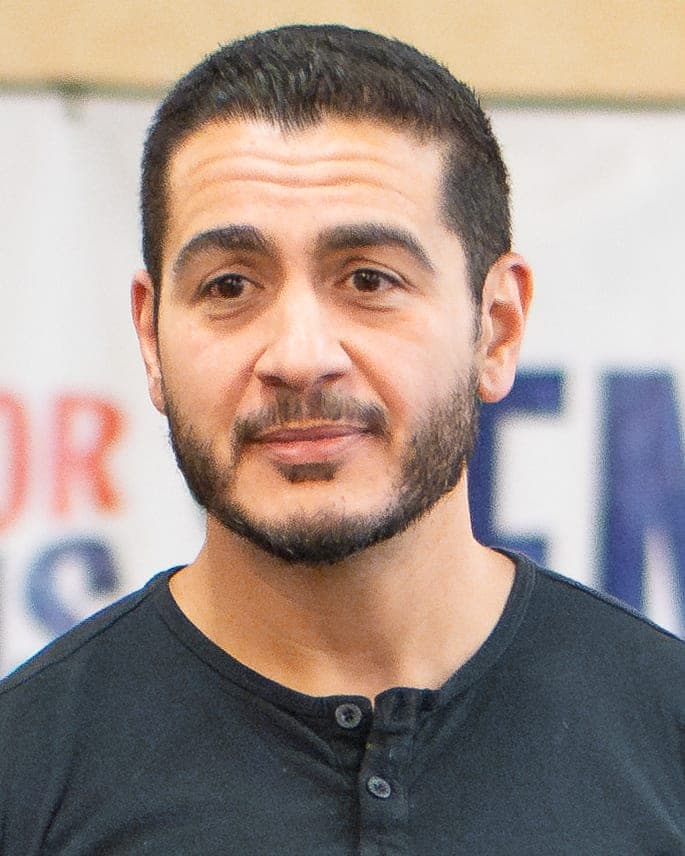
People in this story
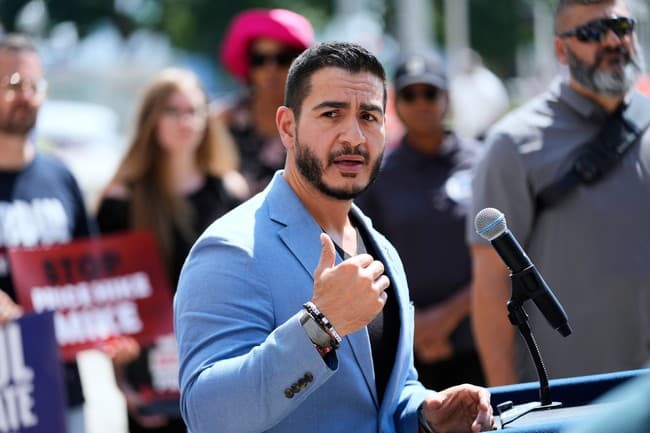
SWIPE →Senate candidate criticized for comments about the Temple Israel attack and his subsequent apology
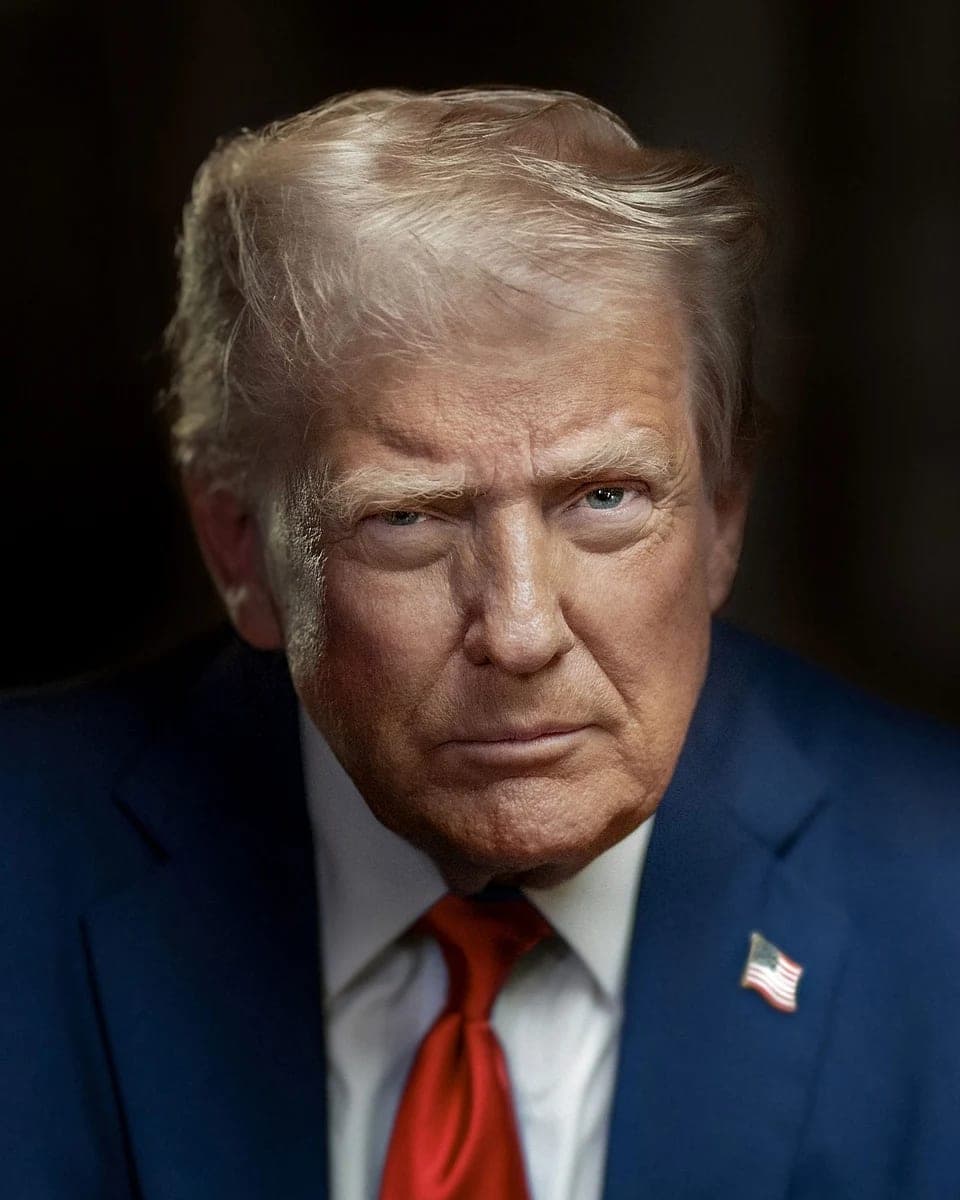
President mentioned in the editor’s note about the 2026 midterms and his agenda
Part of a bigger story
5 OUTLETS- ARTICLES
- 5
- OUTLETS
- 5
- AVG CRED
- 62
Discussion · 0
Loading comments…