Opinion: Abdul El-Sayed repeating Hillary Clinton's biggest mistake
Shroff argues that El-Sayed’s refusal to directly disavow Hasan Piker is prolonging a damaging campaign controversy.
SOURCE CHECK
TAP FOR WHYThe Chicago Tribune is an established newspaper with professional editorial standards and clear author attribution. This is an explicitly labeled opinion piece, so its argument should be distinguished from straight news reporting.
- Track record — Established newspaper with a long-running news operation.
- Editorial standards — A professional outlet, though this article is opinion rather than independent news reporting.
- Author attribution — The named author’s background is disclosed in the article.
- Transparency — The opinion format and author are clearly identified.
The piece provides specific quotations and examples from El-Sayed and Clinton and clearly identifies the author’s perspective. It is primarily an argument about campaign communications, with limited representation of competing interpretations or independent contextual sourcing.
HOW WE SCORE ↗This is a one-sided opinion argument advocating that El-Sayed disavow Piker. It includes El-Sayed’s statements and the view of his supporters, but does not develop a sustained counterargument to the author’s recommendation.
- Opinion vs reporting — Explicitly labeled opinion and organized around the author’s recommendation.
- Counterarguments presented — Notes that supporters view the criticism as bad faith or Islamophobia and that media coverage may be disproportionate, but does not examine those arguments in depth.
- Source diversity — Includes statements from several political figures, but the interpretation is largely the author’s.
- Loaded language — Uses emphatic evaluative language consistent with an opinion column.
The article takes a strong position on campaign strategy but does not show a discernible left-right ideological framing. Its criticism is directed at El-Sayed’s handling of the controversy rather than at a political ideology.
- Framing — Frames the controversy as a campaign communications problem and recommends a direct response.
- Language tone — Forceful opinion writing, but not clearly aligned with a left-right ideological position.
- Source selection — Uses examples and statements from the candidates and political figures discussed, without an evident ideological source pattern.
Kaivan Shroff argues that Abdul El-Sayed’s reluctance to directly disavow Hasan Piker is repeating a communications mistake made by Hillary Clinton’s 2016 campaign. Shroff says the controversy is expanding and urges El-Sayed to disavow Piker and answer reporters’ questions.
Shroff, a former digital organizer for Clinton’s 2016 campaign, compares Clinton’s handling of the email controversy with El-Sayed’s response to criticism over campaigning with streamer Hasan Piker. Shroff says El-Sayed has criticized Piker’s remarks but has not directly disavowed him, and argues that refusing to address the issue keeps it in the news.
The article notes that Hillary Scholten has not endorsed El-Sayed, citing past associations with Piker, and that Jeremy Moss is also withholding an endorsement. Debbie Dingell expressed frustration with reporters’ questions about Piker. Shroff recommends that El-Sayed disavow Piker by name and take reporters’ questions.
Community verdict
11 VOTES
People in this story
SWIPE →Michigan Senate candidate criticized for his response to the controversy over Hasan Piker
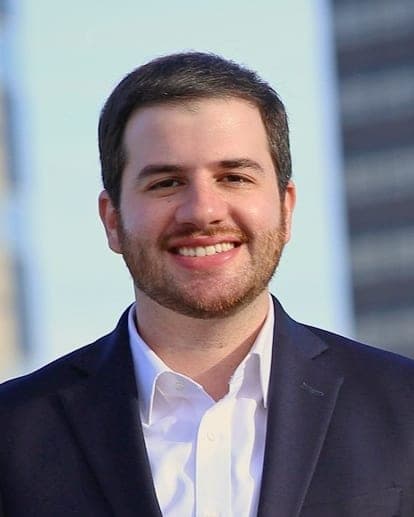
Michigan state senator withholding an endorsement
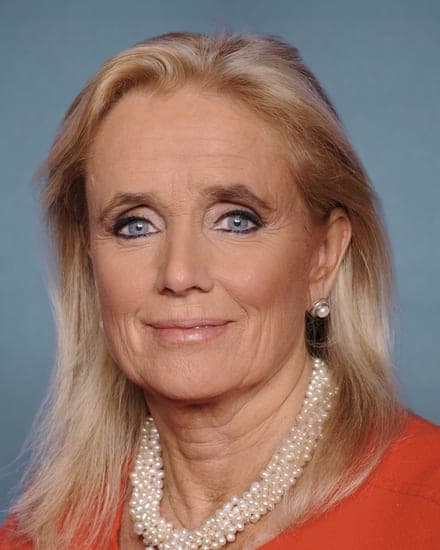
Representative who expressed frustration with reporters’ questions about Piker

President mentioned as the opponent Democrats are seeking to defeat

Representative who has not endorsed El-Sayed
Part of a bigger story
5 OUTLETS- ARTICLES
- 5
- OUTLETS
- 5
- AVG CRED
- 62
Discussion · 0
Loading comments…