Two Republicans Cave to Trump and Vote to Kill War Powers Resolution
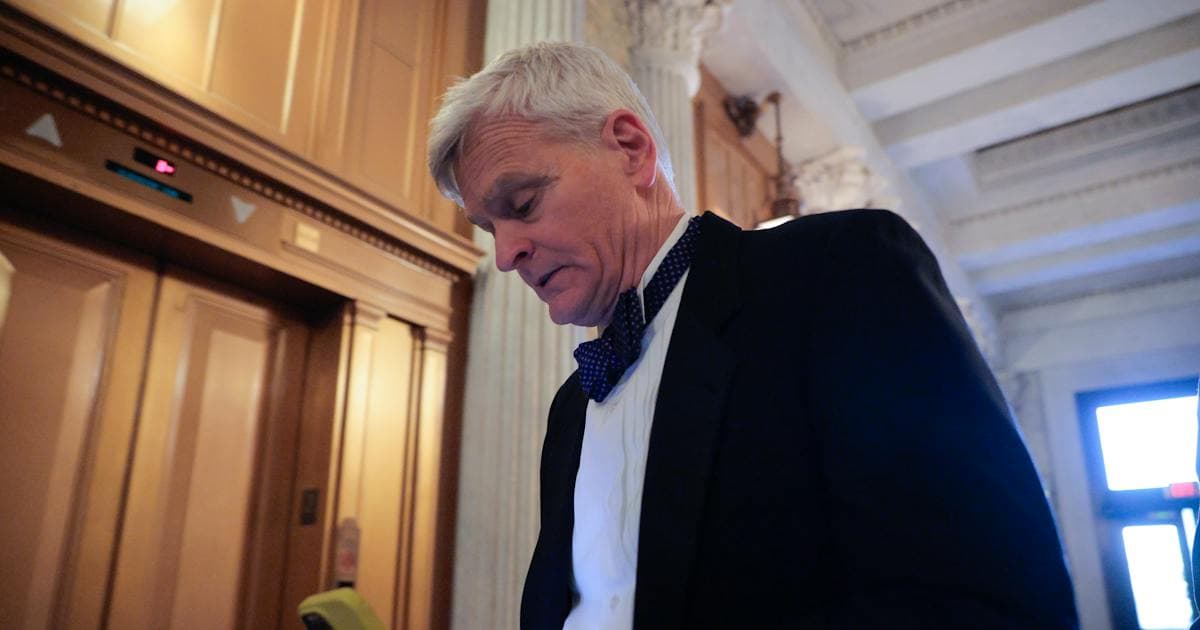
Cassidy changed his vote after a White House briefing following a confrontation with Trump over the war in Iran.
SOURCE CHECK
TAP FOR WHYThe New Republic is an established publication with an identifiable author, but it has an opinion-oriented format. This piece relies in part on attributed reporting from the Associated Press and presents a strongly argued interpretation rather than independent, multi-source reporting.
- Source type — Opinion-oriented publication; the article uses overtly evaluative language.
- Transparency — The article attributes some reporting to the Associated Press and identifies the source of several quotations.
- Author attribution — A named author is identified.
- Editorial standards — An established publication, though the article is commentary rather than a straight news report.
The article attributes several details and quotations to named sources or posts, but offers little independent evidence or context about the measures and does not present a developed response from the senators or the White House. Its argument is explicit and relies on loaded language.
HOW WE SCORE ↗The piece includes Cassidy’s and Paul’s explanations and notes that the resolutions were largely symbolic, but it is an opinion article whose central argument is sharply critical of the Republicans’ changed votes. It does not develop a counterargument for their position.
- Counterarguments presented — Paul’s stated rationale is included, but the case for the votes is not explored in depth.
- Loaded language — The piece uses openly derisive and condemnatory language.
- Source diversity — The article cites the Associated Press and includes senators’ statements, but presents limited perspectives.
- Opinion vs reporting — The article’s interpretation is prominent and stated as an argument.
The article strongly criticizes Trump and the Republicans who changed their votes, using derisive language and framing the changes as capitulation. The article’s opinionated framing leans strongly left.
- Language tone — Uses pejorative phrasing, including describing senators’ spines as “made of pudding.”
- Framing — Frames the changed votes as Republicans sacrificing their principles to Trump.
- Source selection — Quotes senators’ explanations but offers no developed defense of the vote from supporters of Trump’s position.
Senators Bill Cassidy and Rand Paul changed their positions on a Senate war-powers measure after President Trump criticized Republicans who had supported limiting his authority over Iran. The article says the votes were largely symbolic and would not have forced a change in Trump’s actions.
The article reports that Republican senators rejected a resolution to limit Trump’s war powers after Trump berated Cassidy for supporting a similar measure the previous day. Cassidy said he had criticized Trump for not being clear with Congress and the public about Iran; after a White House briefing with Vice President J.D. Vance and envoy Steve Witkoff, Cassidy voted the other way on a nearly identical measure. Cassidy thanked Vance and Witkoff for the briefing in a post on X.
Paul also changed his position, voting “present.” He said the vote would give Trump more room to negotiate. The article says Trump celebrated the outcome and that neither resolution could force him to change his actions in Iran. Its author characterizes the Republicans’ votes as sacrificing their principles to Trump.
Community verdict
11 VOTES
People in this story
SWIPE →
President who criticized senators supporting the resolution and celebrated its rejection
Trump's version of this story ↗
Senator who changed his position on the war-powers measure
Paul's version of this story ↗
Senator mentioned in Trump’s response to the vote
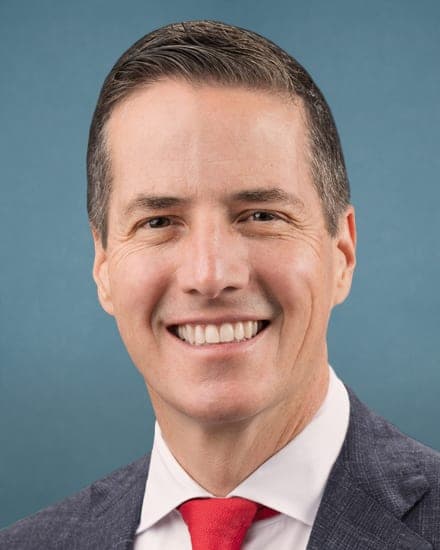
Senator mentioned in Trump’s response to the vote
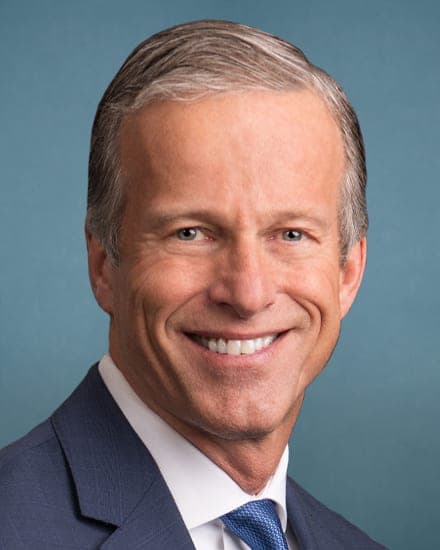
Senate majority leader mentioned in Trump’s response to the vote

Vice President who briefed Cassidy at the White House
Part of a bigger story
25 OUTLETSThe Senate blocked a later Iran war-powers resolution from advancing, and Cassidy voted against it after previously supporting a similar measure. Reports say he changed position after a White House briefing. Left-leaning outlets portray the reversal as capitulation to Trump’s pressure. Center outlets focus on the vote and Cassidy’s reversal after a briefing, often placing it amid his clash with Trump. Right-leaning outlets more often cast the rejection as a win for Trump, though some emphasize the pressure and vote change.
- ARTICLES
- 26
- OUTLETS
- 25
- AVG CRED
- 63
Discussion · 0
Loading comments…