55 stories credited to The New Republic
Latest story Sep 24, 2026 · on ChamberLight since Apr 2026
A story can appear as several articles (copies of the same piece), so counts of stories and of articles differ.
Scores for The New Republic
Originality
55 stories · updated Sep 24, 2026
Writing quality 60 of 100: the average rating of 44 stories, each rated on its own (separate from credibility). How it is measured
Scores last checked Sep 25, 2026.
Stories ChamberLight collected, by month
Stories credited to The New Republic, by publication date. ChamberLight collects articles that mention the officials it tracks, so this shows its own coverage of this source, not how much the source publishes.
- Stories from The New Republic
- Shaded: ChamberLight collected no stories, or almost none, from any outlet (a gap in its collection, not in the outlet’s publishing)
Show as a table
| Month | Stories | All outlets |
|---|---|---|
| November 2025 | 1 | 33 |
| December 2025 | 0 | 27 |
| January 2026 | 1 | 87 |
| February 2026 | 5 | 180 |
| March 2026 | 9 | 1,094 |
| April 2026 | 15 | 4,538 |
| May 2026 | 0 | none collected |
| June 2026 | 0 | none collected |
| July 2026 | 0 | none collected |
| August 2026 | 0 | 1 (collection gap) |
| September 2026 | 24 | 1,320 |
Top topics
Share of this source’s stories tagged with each topic. A story can carry several topics, so the shares do not add up to 100%.
- Ethics/Corruption28
51% of 55 stories · 58% across all outlets
- Foreign Policy28
51% of 55 stories · 29% across all outlets
- Immigration17
31% of 55 stories · 13% across all outlets
- Defense/Military16
29% of 55 stories · 25% across all outlets
- Economy14
26% of 55 stories · 26% across all outlets
- Budget/Spending8
15% of 55 stories · 31% across all outlets
- Healthcare8
15% of 55 stories · 8% across all outlets
- Voting Rights8
15% of 55 stories · 19% across all outlets
The thin mark on each bar is the topic’s share across all outlets.
Who they cover
Party of the officials these stories are mainly about, across all 74 officials named. A story counts once for each official it is mainly about, so the split is over 129 story–official pairs, from 55 stories.
- Republican71% · 91 pairs
- Democrat18% · 23 pairs
- Party not recorded11% · 14 pairs
- Independent<1% · 1 pair
Most covered
Stories mainly about each official, and their share of the source’s 55 stories.
- 1Donald TrumpR23 stories · 42%
- 2Pete HegsethR6 stories · 11%
- 3Mike LeeR4 stories · 7%
- 4Nancy MaceR4 stories · 7%
- 5J. VanceR3 stories · 5%
- 6John FettermanD3 stories · 5%
- 7Lauren BoebertR3 stories · 5%
- 8Marco RubioR3 stories · 5%
- 9Maria SalazarR3 stories · 5%
- 10Mike JohnsonR3 stories · 5%
+ 64 other officials (74 story–official pairs)
Article tone
ChamberLight’s article analysis assigns each story a tone toward the official it covers. It describes the coverage of that official, not The New Republic’s stance, and reader votes do not change it. 55 stories.
- Good Look
- 10 (18%)
- Mixed
- 20 (36%)
- Informational
- 2 (4%)
- Bad Look
- 23 (42%)
Related sources
Lean 95% range 16–18 · updated Sep 25, 2026
Similar lean · 3 shared topics
Lean 95% range 14–22 · updated Sep 25, 2026
Similar lean · 2 shared topics
Lean 95% range 16–22 · updated Sep 25, 2026
Similar lean · 3 shared topics
Lean 95% range 18–21 · updated Sep 25, 2026
Similar lean · 3 shared topics
Lean 95% range 16–24 · updated Sep 25, 2026
Similar lean · 2 shared topics
Lean 95% range 9–16 · updated Sep 25, 2026
Similar lean · 3 shared topics
Challenges to these scores
No one has challenged a score on this page yet. Anyone can; editors publish every outcome here.
Articles served from newrepublic.com
129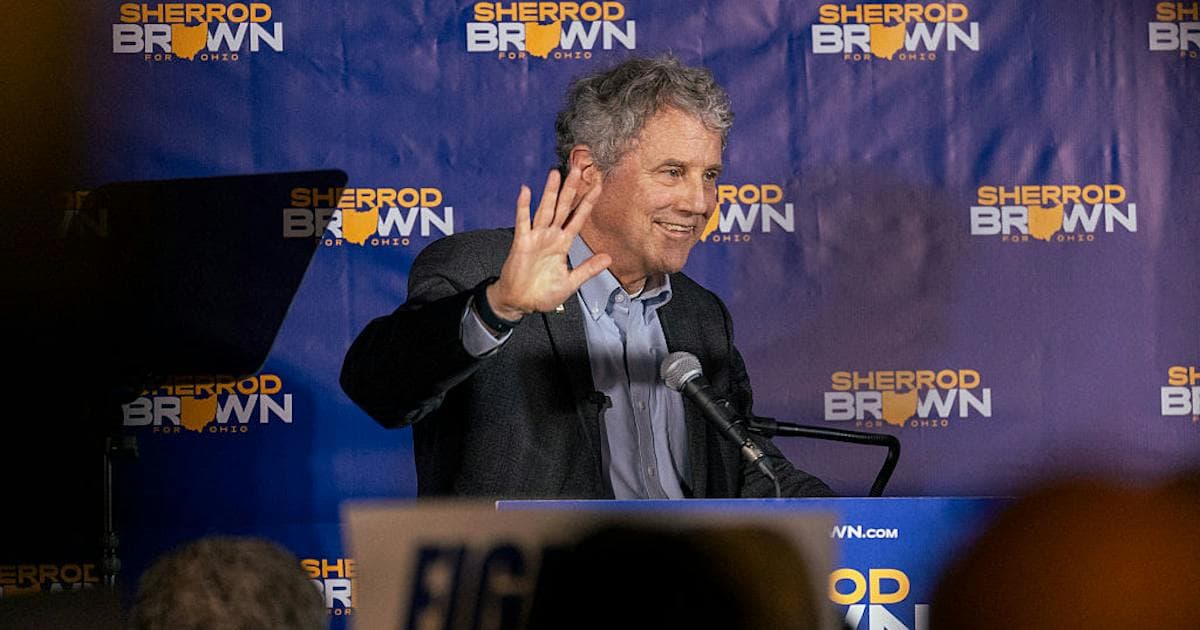
Why Sherrod Brown Might Beat the Crypto Industry This Time
You're reading The TNR Blue Book. Get daily scoops, strategy, and developments inside the liberal ideas factory delivered right to your inbox. Sign up for free. Inside Washington Why Sherrod Brown might beat the crypto industry this time On Monday, the pro-crypto PAC Fairshake confirmed that it w

Mitch McConnell Is Entirely Nonverbal in New Video
Senator Mitch McConnell is still refusing to speak publicly after a monthslong absence from the Senate, raising concerns about whether he is still fit for office. A video posted on X Tuesday by Desiree Townsend, the conservative journalist who first reported on McConnell’s health emergency, showed the longtime Kentucky Republican being wheeled into a large black car ahead of a Senate vote. As Townsend questioned McConnell on his weekend and whether he felt ready to return to work, the Republican offered only a weak wave. “Do you want to be at work, sir? Would you rather be home?” Townsend asked, but still McConnell did not reply. As the car door slowly closed, McConnell held up a peace sign. Senator McConnell was just wheeled out a little after 4 p.m. to head to his office ahead of the 5:30 p.m. roll call vote. He appeared somewhat confused by the rain and showed a delayed response, but still gave no verbal acknowledgment. pic.twitter.com/00FKRpDWE3 — Desirée Townsend (@DesireeReports) September 22, 2026 In her post, Townsend wrote that McConnell “appeared somewhat confused by the rain and showed a delayed response, but still gave no verbal acknowledgment.” This isn’t the only alarming development in McConnell’s ongoing health saga. This past weekend, his wife, Elaine Chao, stood in for McConnell at an event at the University of Louisiana’s McConnell Center. In June, McConnell was found unconscious in his Washington, D.C., home and rushed to the hospital. His office spent weeks refusing to explain his extended hospitalization or elaborate on his eventual return to Capitol Hill. Since returning, McConnell has not appeared lucid or aware, and has remained eerily silent to the public. When the Republican finally did break his silence, he voted incorrectly on a Senate bill and had to be instructed on how to vote.
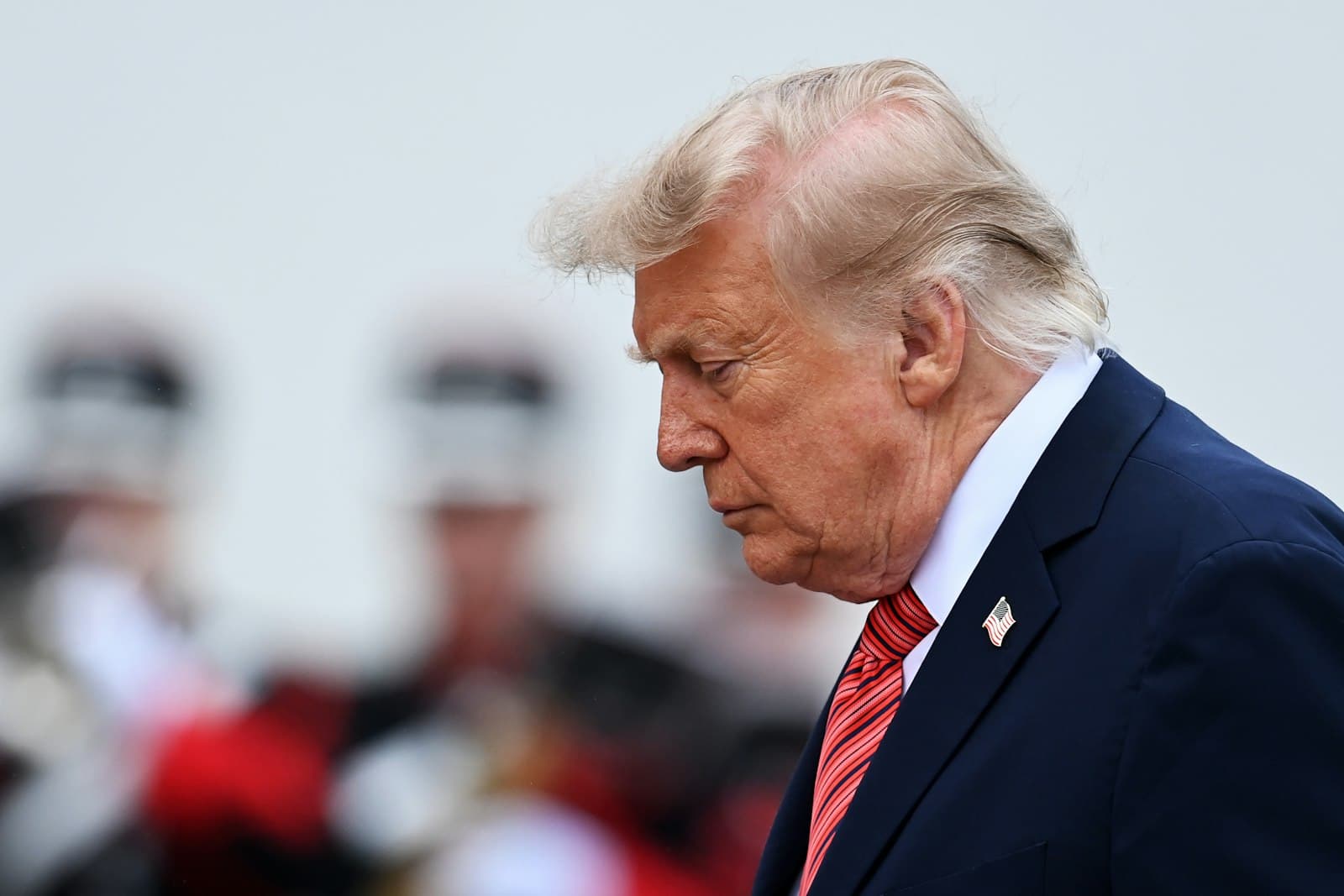
Transcript: Trump Hits Record Poll Low amid Fresh Leaks of GOP Panic
The following is a lightly edited transcript of the September 23 episode of the Daily Blast podcast. Listen to it here. Greg Sargent: This is The Daily Blast from The New Republic, produced and presented by the DSR Network. I’m your host, Greg Sargent. We’ve been talking a lot about the polling on here because it’s crunch time now, and we’ve got some really striking new data to look at. Donald Trump’s approval just hit another record low in the polls. On the Iran war, he’s absolutely collapsed, and his tariffs are in deep trouble too. Meanwhile, Republican leaks are getting worse. Operatives are privately admitting that the bottom is falling out for the party. So here’s our question: Is it really this bad for Trump and Republicans, or is it a mirage that will soon get swamped by GOP spending? To figure it out, we’re talking to veteran North Carolina Democratic operative Morgan Jackson, who’s on the Roy Cooper campaign, about what he’s seeing on the ground. Morgan, thanks for coming on. Morgan Jackson: Absolutely, Greg. Great to be with you. Sargent: So let’s start here. A new Reuters poll finds Trump’s approval nationally down at 32 percent. That’s a record low in Reuters polling for Trump’s two terms. I don’t know if it’s that low, Morgan, but the FiftyPlusOne polling averages have him at 35 percent. So it’s plausible that he’s heading down into the low thirties. Morgan, what’s your sense of where the president really is right now? Jackson: So I think first and foremost, Greg, the president is in trouble, and he’s dragging down every Republican on the ballot. What we’re seeing, and I think what we see at every date—and the president was just here in North Carolina campaigning. And look at the kind of things that follow the president here. One of the things he talked about was the war in Iran. He talked about gas prices, and how glad people were to be paying for higher gas prices. He talked about North Carolina, a state that he’d won three times, being the wo
Transcript: Trump Hits Record Poll Low amid Fresh Leaks of GOP Panic
The following is a lightly edited transcript of the September 23 episode of the Daily Blast podcast. Listen to it here. Greg Sargent: This is The Daily Blast from The New Republic, produced and presented by the DSR Network. I’m your host, Greg Sargent. We’ve been talking a lot about the polling on here because it’s crunch time now, and we’ve got some really striking new data to look at. Donald Trump’s approval just hit another record low in the polls. On the Iran war, he’s absolutely collapsed, and his tariffs are in deep trouble too. Meanwhile, Republican leaks are getting worse. Operatives are privately admitting that the bottom is falling out for the party. So here’s our question: Is it really this bad for Trump and Republicans, or is it a mirage that will soon get swamped by GOP spending? To figure it out, we’re talking to veteran North Carolina Democratic operative Morgan Jackson, who’s on the Roy Cooper campaign, about what he’s seeing on the ground. Morgan, thanks for coming on. Morgan Jackson: Absolutely, Greg. Great to be with you. Sargent: So let’s start here. A new Reuters poll finds Trump’s approval nationally down at 32 percent. That’s a record low in Reuters polling for Trump’s two terms. I don’t know if it’s that low, Morgan, but the FiftyPlusOne polling averages have him at 35 percent. So it’s plausible that he’s heading down into the low thirties. Morgan, what’s your sense of where the president really is right now? Jackson: So I think first and foremost, Greg, the president is in trouble, and he’s dragging down every Republican on the ballot. What we’re seeing, and I think what we see at every date—and the president was just here in North Carolina campaigning. And look at the kind of things that follow the president here. One of the things he talked about was the war in Iran. He talked about gas prices, and how glad people were to be paying for higher gas prices. He talked about North Carolina, a state that he’d won three times, being the wo
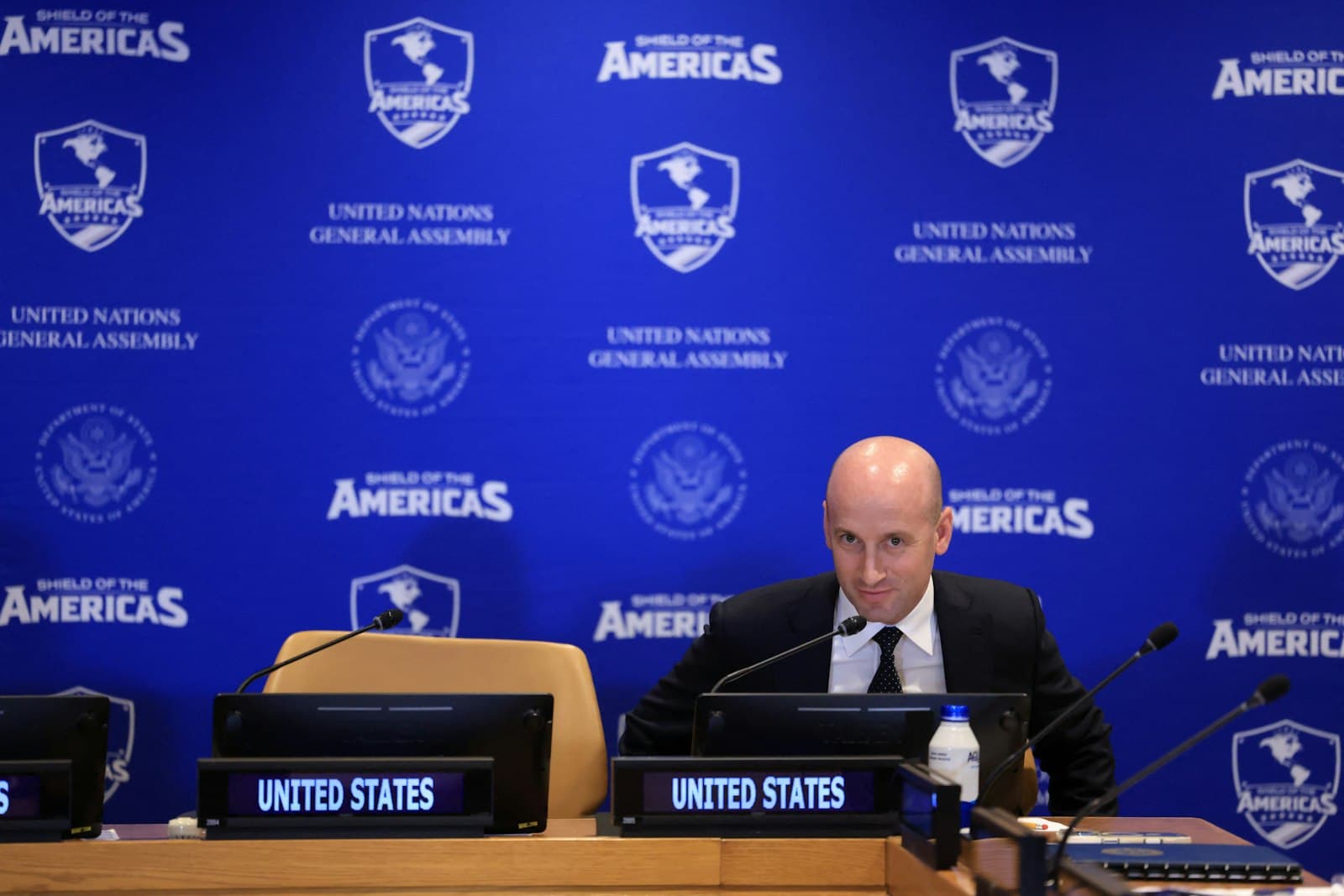
Stephen Miller Scrambles to Blame Looming GOP Losses on Someone Else
Donald Trump told Republicans to vote as if he were on the November ballot. But Stephen Miller, the White House deputy chief of staff, doesn’t want the whiff of that directive lingering as the party heads toward a likely brutal November upset. “If the Republicans lose the midterms it’ll be because [Senate Majority Leader] John Thune didn’t get the SAVE America Act passed,” Miller wrote on X Tuesday, adding that the predicted loss coming for the conservative caucus “rests solely on John Thune’s shoulders.” It’s easy to see why Trump’s deportation chief would uplift the SAVE America Act as an election cycle Hail Mary. The original iteration of the SAVE America Act proposed numerous amendments to the National Voter Registration Act of 1993, chief among them a requirement that voters bring either a passport or birth certificate to register to vote. Critics argued that the mandate would have unduly restricted millions of Americans from voting, pointing out that half of the country’s population lacks a passport and, furthermore, that the legislation would have made it difficult for anyone who changed their name—including married women—to register at all. Nonetheless, the White House heralded the voter restriction bill as a critical component to ensuring America’s election integrity and voter security. Trump went so far as to predicate his support for any other legislative efforts on the SAVE Act’s passage, repeatedly insisting that it should be Congress’s top priority for the year. But the whole initiative came to a standstill over the summer when, after many failed efforts to pass the bill on its own, House Republicans tied it to the 2027 National Defense Authorization Act. That, in turn, has stalled the typically uncontroversial defense bill in the upper chamber. Now the SAVE America Act is just one of 650 bills awaiting Senate action. Meanwhile, Republicans are expecting some sorry losses during the midterms. Attention has recently shifted toward Alaska and Ohio
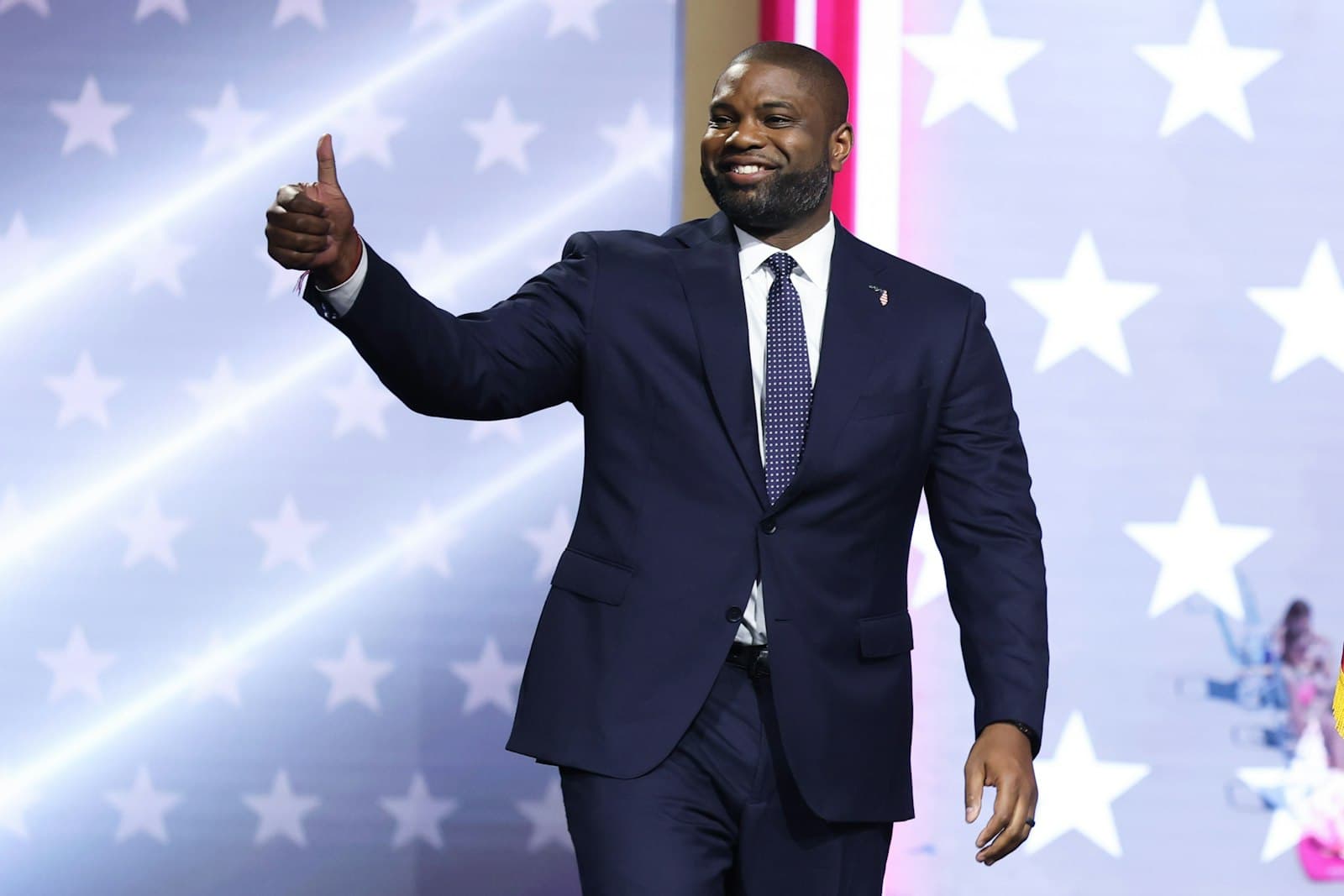
MAGA Candidate Suddenly Scrubs Campaign Website of All Trump Mentions
Even Donald Trump’s most loyal political disciples are jumping off the president’s sinking ship. Florida Representative and Republican gubernatorial candidate Byron Donalds dropped all mentions of Trump from his campaign website Tuesday, peeling himself away from the president’s wake for the first time. Donalds’s campaign materials were previously littered with mentions of Trump, according to recent versions of the page saved by the Internet Archive Project. Prior to the change, Donalds wore the president’s endorsement like a badge. “Chip in to Support Trump Endorsed Byron Donalds,” read the top of Donalds’s website. “ENDORSED BY PRESIDENT TRUMP!” the page used to emphasize in a bright yellow banner. “TRUMP-ENDORSED Proven Conservative Fighter. BYRON DONALDS.” Donalds also removed an image of himself and his wife, Erika Donalds, standing beside Trump. Instead, Trump’s full-throated endorsement was severely downgraded, turning into just another voice in a large choir of conservative support backing Donalds. “RUN, BYRON, RUN!” the side-scrolling placard currently reads, quoting the president’s 2025 comments in which he reworked a famous line from Forrest Gump to support Donalds’s candidacy. Donalds also refashioned his campaign priorities, shifting them away from MAGA talking points. The list previously mentioned “Enact[ing] the Trump Agenda” as Donalds’s chief priority, reported The Miami Herald. Today, that line only mentioned affordability. Before, the second line item promised that Donalds would “Fight Illegal Immigration.” Now, Donalds pledges to “stop taxpayer handouts to illegal immigration”—though the promise’s placement has been demoted to a tangential issue under his seventh listed priority, “Law and Order.” The three-term Floridian lawmaker had done quite a lot to curry the president’s favor. Most notably, he voted against certifying the 2020 election vote in Arizona and Pennsylvania. He has repeatedly spread the MAGA conspiracy that there was elect
How Do You Stop Election Tampering Before It Happens?
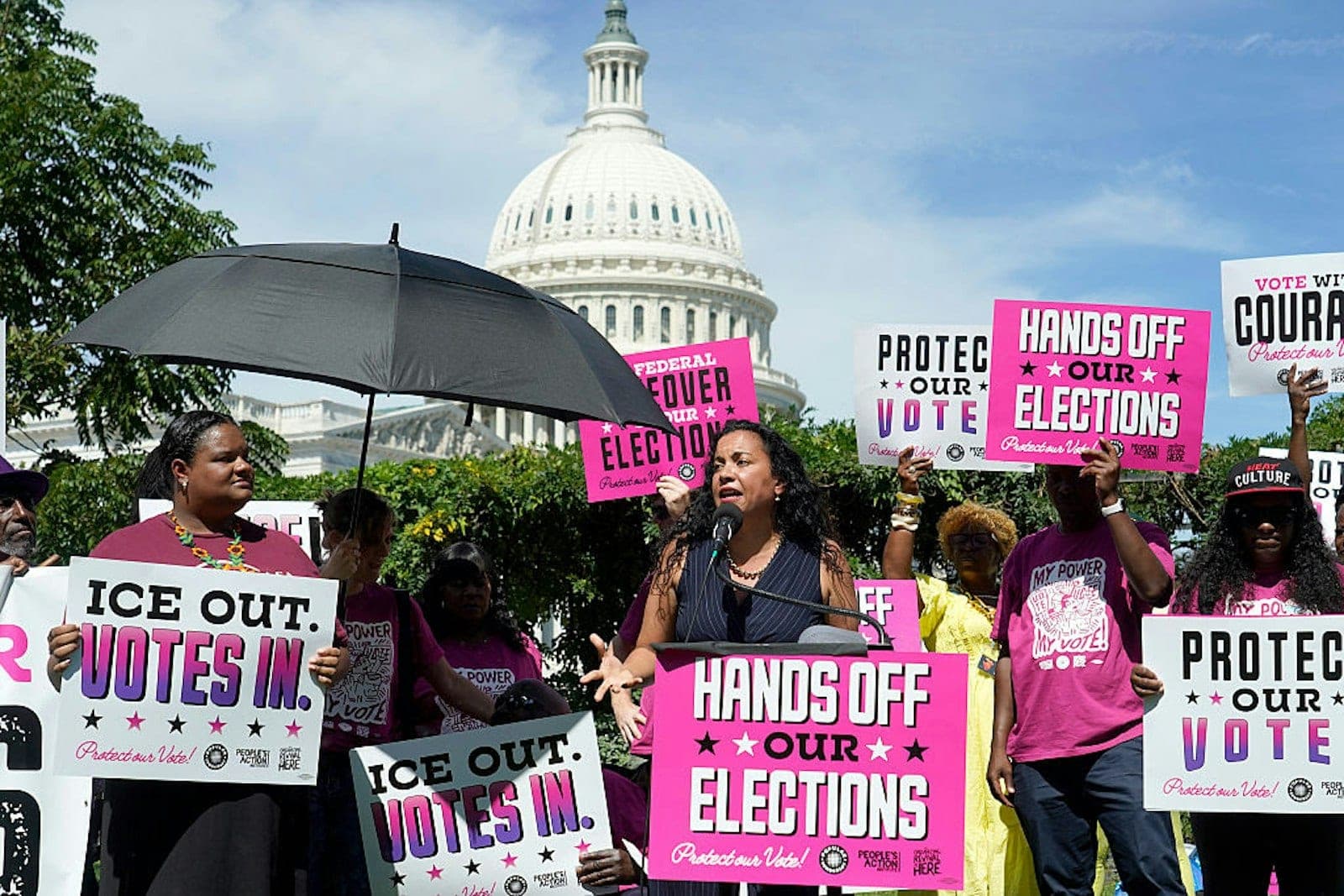
You’re reading The TNR Blue Book. Get daily scoops, strategy, and developments inside the liberal ideas factory delivered right to your inbox. Sign up for free. Inside Washington How do you stop election tampering before it happens? A potential crisis was averted last week when the Supreme Court blocked President Trump’s plan to restrict mail-in voting. But election integrity experts and lawmakers are still lying awake at night worrying about threats on the ground: physical intimidation at polling places, ballots seized, and postelection insurrection. On Friday, a coalition led by the NAACP filed a lawsuit asking for a court order to prevent the Trump administration from deploying federal agents to the polls “in a manner that unlawfully intimidates voters or anyone urging or aiding voters.” The coalition, which includes a number of labor unions, is concerned that Immigration and Customs Enforcement or National Guard presence at the polls could discourage naturalized citizens or Hispanic voters from voting. But that’s not the only scenario worrying people. “We have no idea what Trump will do next because his entire presidency this time and last time has been totally unpredictable and chaotic,” said Jane Kleeb, the vice chair of the Democratic National Committee and president of the Association of State Democratic Committees, or ASDC. “What I am really worried about is the possibility of a law enforcement warrant to seize election materials and ballots,” said Shelby Wayment, a staff attorney at UCLA Law’s Safeguarding Democracy Project. The group recently released a guide for judges if they do receive a request for a warrant to seize election materials. The government has attempted to do similar seizures before—the FBI seized 2020 voting records in Fulton County, Georgia, and the Department of Justice has attempted to get warrants for 2024 voting records in Wayne County, Michigan. Wayment is particularly concerned that this could happen in states like Californi

Trump’s FBI Killed Bombshell Bribery Investigation Into Susan Collins
A massive new report from ProPublica shows that the FBI was investigating Republican Senator Susan Collins for an alleged illegal pay-to-play scheme with a defense contractor—until the Trump administration killed it. In 2019, Collins Super PAC head Scott Reed met at a D.C. coffee shop with three executives from Hawaiian defense contractor Navatek and asked them for a $500,000 contribution. The executives counter-offered—proposing an even bigger donation in return for tens of millions of dollars in federal defense contracts. They suggested obscuring the donation through a fake shell company called “the Society of Young Women Scientist and Engineers”—as it is extremely illegal for government contractors to make political donations and for Collins to exchange federal contracts for said donations. The Collins PAC received $150,000 from Navatek CEO Martin Kao right after the meeting, and two months later he told the company that Collins committed to giving them $32 million in naval contracts. Kao was eventually federally charged for campaign finance crimes and loan defrauding in 2022, and faces years in prison. No one from Collins’s office was charged. Kao made all of this known to the FBI in the hopes of lessening his sentence, giving interviews all the way up into 2024. His statements revealed a massive pay-to-play apparatus that involved multiple staffers and sitting members of Congress, totaling $900,000 in Navatek donations and more than $40 million a year in federal contracts in return. According to ProPublica, the FBI was prepared to open a massive bribery probe at the end of 2024, but the team heading the FBI investigation was eliminated when President Trump returned to office—with some of its members even being fired for investigating Trump in the past. This is yet another instance in which the Trump administration turned a blind eye to corruption. This had the potential to be one of the biggest probes in recent history. Now we may never know the extent to
Republican Senator Breaks Ranks, Calls for Probe Into Trump Jr.
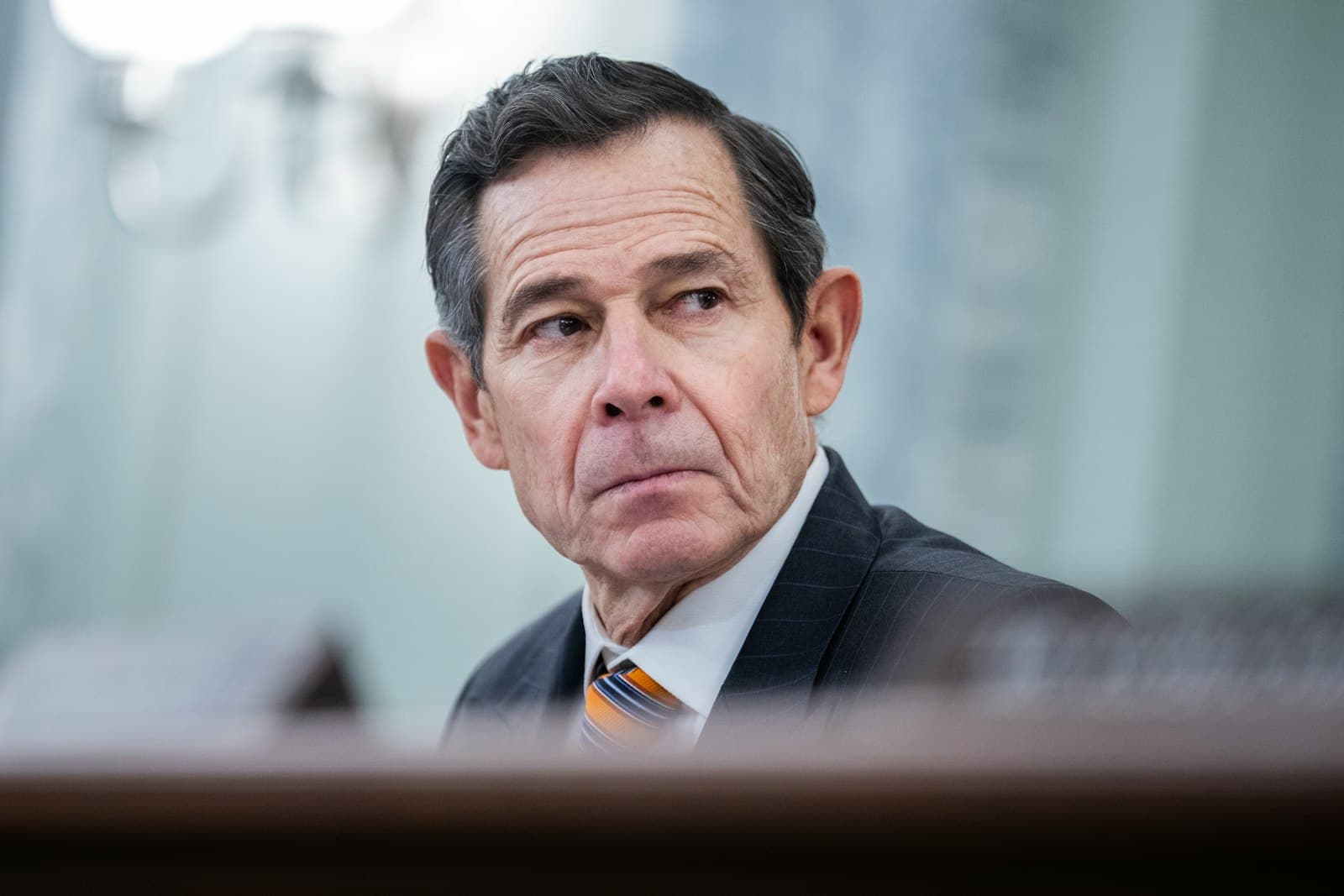
Republican Senator John Curtis is demanding an investigation into Donald Trump Jr. after a Russian oligarch close to Russian President Vladimir Putin, Umar Kremlev, bankrolled his wedding party. In a post on X, Curtis posted a three-page letter he sent to the chair of the Senate Judiciary Committee, Republican Senator Chuck Grassley, and the committee’s ranking member, Democratic Senator Dick Durbin, calling for Trump Jr. to be subpoenaed as part of a larger investigation into his business dealings and relationships with foreign individuals. Curtis also called for the same scrutiny of Hunter Biden. In the letter, Curtis cited the lavish party Kremlev threw on a private island for Trump Jr., as well as the Trump family’s cryptocurrency ventures, comparing the president’s son to Biden and the myriad Republican-led investigations into Biden’s international business dealings. “A toaster is a wedding gift. A private-island party paid for by a Putin-connected oligarch is something else. Republicans nearly wore out the subpoena machine investigating Hunter Biden’s foreign relationships. We should not unplug it now. ‘Trust us’ was not enough then, and it is not enough now,” Curtis said in the post. The move is significant in that Republicans have so far avoided addressing the Trump family’s business deals since the 2024 election. President Trump made a whopping $2.2 billion in 2025, most of it from cryptocurrency, and the family is poised to make hundreds of millions more. The Trumps also have stakes in prediction markets and defense companies, willfully committing ethical violations without any action from Congress.
The Return of the Farmer Politician
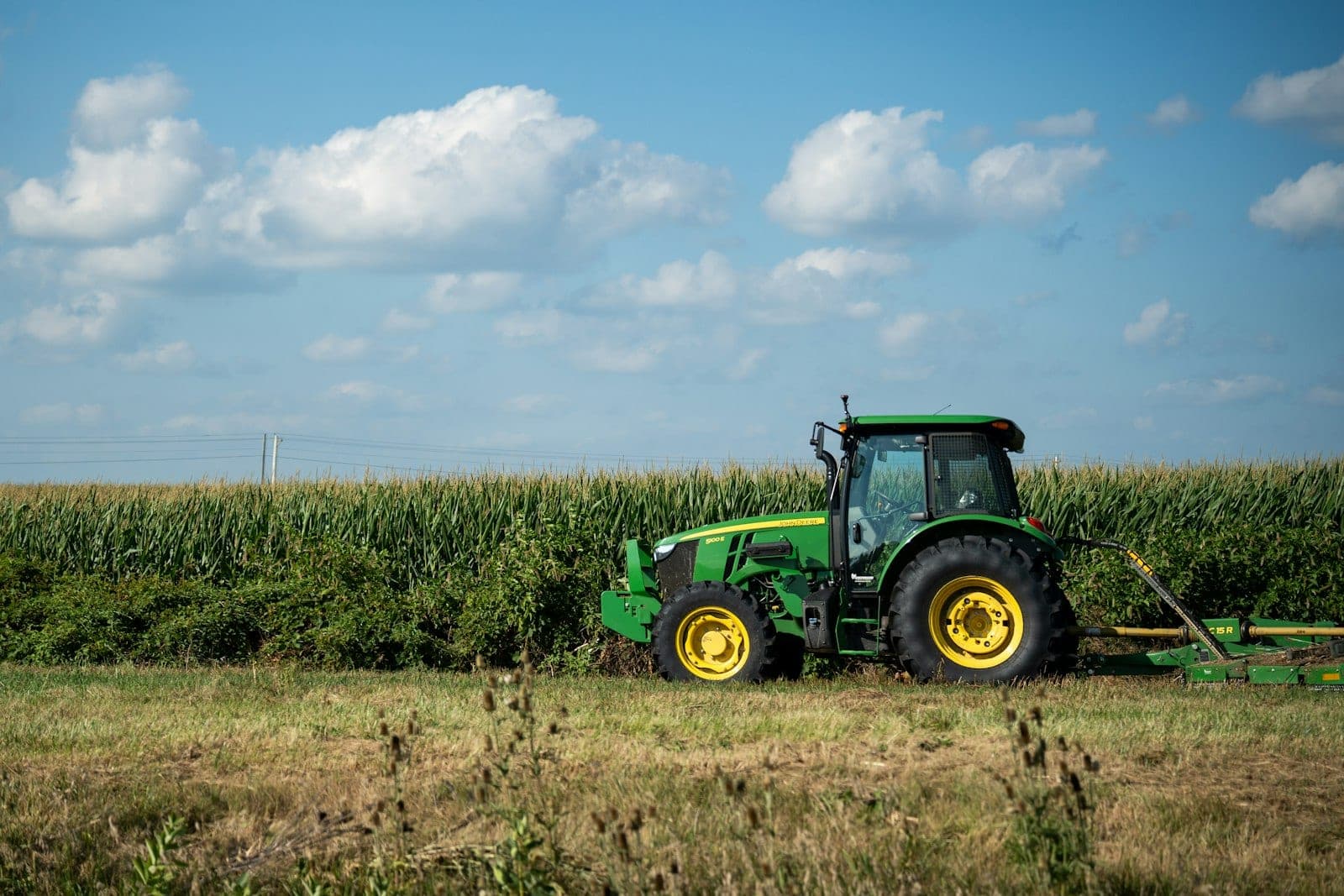
Many of the new Democratic candidates making a splash this cycle are the progressives who ran to the left of the party establishment in the primaries and defeated their more centrist counterparts. But there’s another intriguing trend that’s been obscured in all the hype: the outsider candidates who built their careers mostly away from the political arena and are now taking on the career insiders. Naturally, it’s not new to see nonpoliticians parlaying their real-world bona fides into a new career in Washington, D.C., but what does feel new this year is how many farmers are doing it. Specifically, the farmers that have been battered during the Trump years. Trump’s tariffs and war in Iran have raised the prices of goods and gas and closed global markets, making what was already a U.S. farming crisis even worse. In some races, farmers are stepping up to try to connect their stories to the myriad disasters the Trump administration has brought to all voters in their districts. They’re making this effort while drawing on the farmer populism of the Democratic Party’s bygone era, and blaming Trump for the ways his bad policies have hurt their rural communities: Think lost jobs and closing hospitals. The biggest challenge they face? They have to run a high-wire campaign that proves their claims while not alienating their farmer colleagues who, as a whole, have supported Trump since the beginning. One of the most interesting races featuring a farmer turned politico is in my home state of Arkansas, where Hallie Shoffner is running for Senate against two-term Republican Tom Cotton. Shoffner grew up in the Delta, in a small town named after her family, and returned to Arkansas after graduating from Vanderbilt University. She also earned a master’s degree at the Clinton School of Public Service in Little Rock. She took over her family’s farm about 10 years ago, after her father was diagnosed with dementia, but she had to close operations last year. “I wouldn’t be running for t
The Return of the Farmer Politician
Many of the new Democratic candidates making a splash this cycle are the progressives who ran to the left of the party establishment in the primaries and defeated their more centrist counterparts. But there’s another intriguing trend that’s been obscured in all the hype: the outsider candidates who built their careers mostly away from the political arena and are now taking on the career insiders. Naturally, it’s not new to see nonpoliticians parlaying their real-world bona fides into a new career in Washington, D.C., but what does feel new this year is how many farmers are doing it. Specifically, the farmers that have been battered during the Trump years. Trump’s tariffs and war in Iran have raised the prices of goods and gas and closed global markets, making what was already a U.S. farming crisis even worse. In some races, farmers are stepping up to try to connect their stories to the myriad disasters the Trump administration has brought to all voters in their districts. They’re making this effort while drawing on the farmer populism of the Democratic Party’s bygone era, and blaming Trump for the ways his bad policies have hurt their rural communities: Think lost jobs and closing hospitals. The biggest challenge they face? They have to run a high-wire campaign that proves their claims while not alienating their farmer colleagues who, as a whole, have supported Trump since the beginning. One of the most interesting races featuring a farmer turned politico is in my home state of Arkansas, where Hallie Shoffner is running for Senate against two-term Republican Tom Cotton. Shoffner grew up in the Delta, in a small town named after her family, and returned to Arkansas after graduating from Vanderbilt University. She also earned a master’s degree at the Clinton School of Public Service in Little Rock. She took over her family’s farm about 10 years ago, after her father was diagnosed with dementia, but she had to close operations last year. “I wouldn’t be running for t
The Return of the Farmer Politician
Many of the new Democratic candidates making a splash this cycle are the progressives who ran to the left of the party establishment in the primaries and defeated their more centrist counterparts. But there’s another intriguing trend that’s been obscured in all the hype: the outsider candidates who built their careers mostly away from the political arena and are now taking on the career insiders. Naturally, it’s not new to see nonpoliticians parlaying their real-world bona fides into a new career in Washington, D.C., but what does feel new this year is how many farmers are doing it. Specifically, the farmers that have been battered during the Trump years. Trump’s tariffs and war in Iran have raised the prices of goods and gas and closed global markets, making what was already a U.S. farming crisis even worse. In some races, farmers are stepping up to try to connect their stories to the myriad disasters the Trump administration has brought to all voters in their districts. They’re making this effort while drawing on the farmer populism of the Democratic Party’s bygone era, and blaming Trump for the ways his bad policies have hurt their rural communities: Think lost jobs and closing hospitals. The biggest challenge they face? They have to run a high-wire campaign that proves their claims while not alienating their farmer colleagues who, as a whole, have supported Trump since the beginning. One of the most interesting races featuring a farmer turned politico is in my home state of Arkansas, where Hallie Shoffner is running for Senate against two-term Republican Tom Cotton. Shoffner grew up in the Delta, in a small town named after her family, and returned to Arkansas after graduating from Vanderbilt University. She also earned a master’s degree at the Clinton School of Public Service in Little Rock. She took over her family’s farm about 10 years ago, after her father was diagnosed with dementia, but she had to close operations last year. “I wouldn’t be running for t

Republican Senate Nominee Who Backed Trump’s War Now Eating Her Words
The Republican Senate nominee in Iowa is trying to criticize the Iran war’s effect on ordinary people—without mentioning President Trump or her own voting history. “Iowans are being squeezed and shouldn’t have to foot the bill at the pump or the checkout line for the war in Iran. We need to use every option at our disposal to provide some relief from high prices,” Representative Ashley Hinson posted on X Monday. Not surprisingly, Hinson’s solution doesn’t mention how Trump created the mess in the first place. Hinson also didn’t mention her own voting record: She has voted six times against House resolutions calling for Trump to end the war. Instead, she suggests “suspending the gas tax, pausing diesel exports, unleashing E-15 everywhere we can, reinstating the $1/gallon biodiesel tax credit, and creating a diesel relief program to help our farmers and truckers being crushed by the high costs.” “These actions to lower costs are needed ASAP, and the war needs to be brought to a successful and immediate end,” Hinson said, adding that Iowa’s highway trust fund needed be “replenished, so that Iowans don’t suffer from crumbling roads and bridges while relief comes our way now.” Fuel prices have skyrocketed in the last seven months, thanks to Iran’s control of the Strait of Hormuz, and, more recently, the takeover of the Bab al-Mandeb Strait in the Red Sea by Houthi forces in Yemen. The average price of gasoline as of Monday was $4.4786 nationally and $4.3698 in Iowa, according to the American Automobile Association. Diesel fuel prices are even worse: $6.5107 nationally and $6.3157 in Iowa, a state with a large agricultural economy whose equipment depends on diesel. Hinson is polling neck and neck with her Democratic opponent, state Representative Josh Turek, and is clearly worried that failing to acknowledge the war’s impact could hurt her in November. Trump won the state by 13 points in 2024, but Republicans and the president are polling lower and lower each day wi

Here’s How Many Republicans Have Publicly Denounced Trump’s Media Ban
So far, only one Republican lawmaker has publicly condemned President Donald Trump’s decision to ban three major news outlets from the White House. Idaho Representative Mike Simpson told Punchbowl News Monday that restricting CNN, MS NOW, and Politico’s access to the White House was “wrong.” “Just because you don’t like what the press is reporting or the fact that they wouldn’t call it the Gulf of America or something else like that, that’s not the reason to ban the press. You should never ban the press. The press is what keeps us honest,” Simpson said. “So I don’t like what they’re doing.” Republican lawmakers who have opposed Trump’s policies in the past, such as Senators John Cornyn, Thom Tillis, Bill Cassidy, Susan Collins, and Lisa Murkowski, all remained silent. Republican lawmakers who like to pretend to be free speech advocates, such as Senators Ted Cruz and Rand Paul, also failed to respond to the president’s sudden crackdown on the press. Representative Thomas Massie only receives partial credit for posting a quip about the ban that was mostly about his opposition to Trump’s fictional $5,000 checks. Behind closed doors, however, it’s a different story. Republican strategist Melik Abdul told CNN Monday morning that Republicans secretly acknowledged that Trump’s press ban was a “problem,” but they were too afraid to say anything publicly for fear of backlash from the president. “If you talk to Republicans behind closed doors. What you’re hearing is this type of petulance, this type of performative thing the president does, it is truly exhausting,” Abdul told CNN. Trump’s move has generated plenty of immediate backlash. The three outlets he banned filed a lawsuit Monday, and the entire presidential television press pool has agreed to suspend its coverage in the wake of Trump’s decision.
Lauren Boebert Snaps Over Claim She Had Affairs With Three Aides
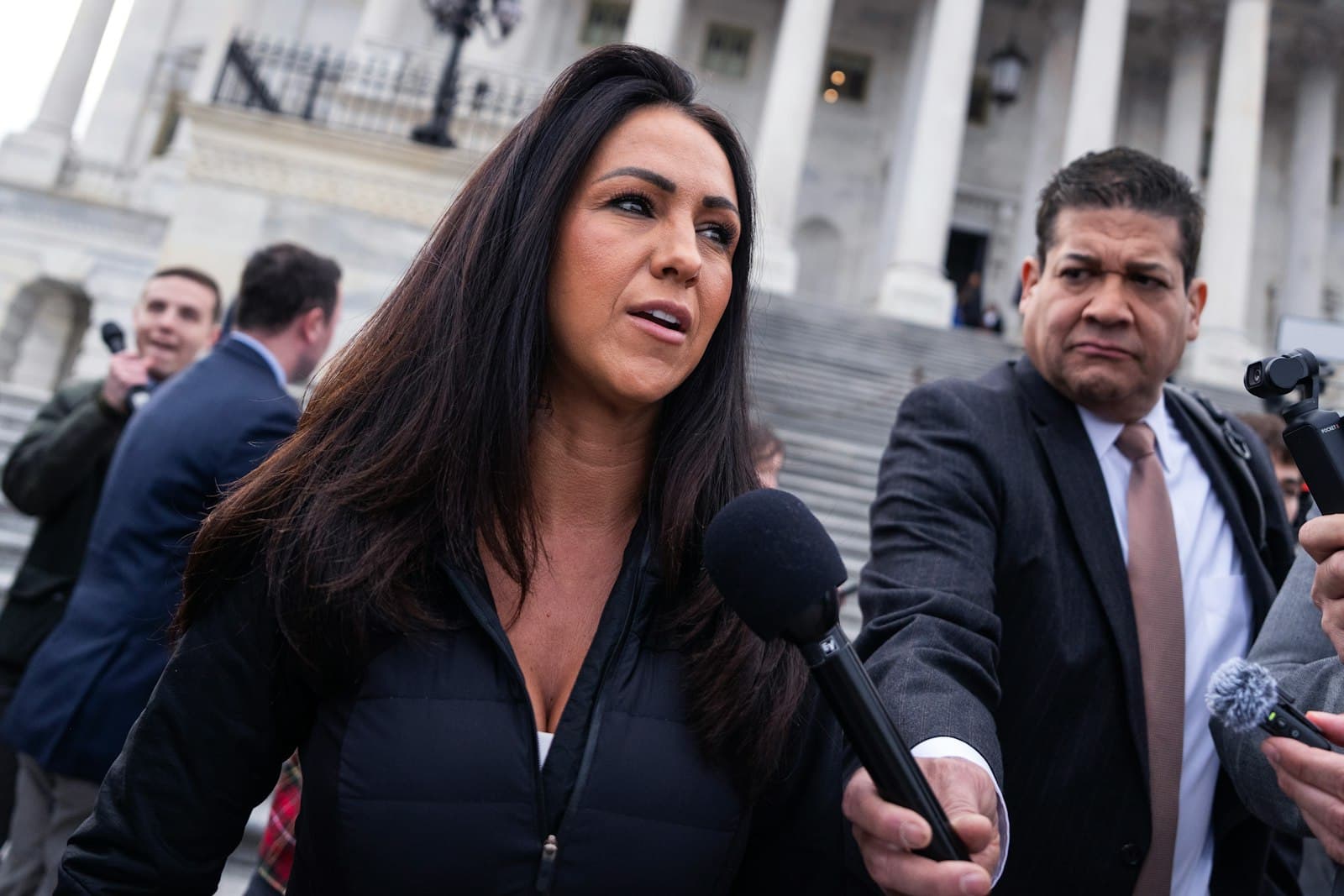
Representative Lauren Boebert’s various affairs are apparently just a bunch of fake news, according to the MAGA lawmaker and her allies. The House Ethics Committee received a sworn complaint last week that accused Boebert of having sexual affairs with three of her staffers: District director Clarice Navarro Ratzlaff, district chief of staff Raven Finegan, and Boebert’s former chief of staff Jeffrey Small. The complaint, filed by American Muckrakers’ David Wheeler, also claimed that Boebert paid Ratzlaff $200,000 in 2025 to “secure her silence” after Ratzlaff threatened to take the allegations of their relationship public. Wheeler’s accusations included evidence from “House payroll records, Federal Election Commission filings, court records, and on-the-record sources.” A spokesperson for Boebert said in a statement Saturday that there is “zero truth” to the allegations, and further suggested that complaint was a violation of House Ethics rules since it was filed within 60 days of the election. “Swearing to it does not make it a complaint,” the spokesperson said. “This was a political smear packaged as an ethics filing and published before anyone checked whether it even qualifies under the Committee’s rules.” Also on Saturday, Boebert insisted that she’s “not a lesbian” and derided a group of reporters inquiring about the complaint on Capitol Hill, asking, “Why is everybody so horny here?” She followed up the next day with a video statement in which she called the complaint a “smear” and Wheeler a “sloppy, desperate, obsessive hack.” “This is more filthy garbage that reaches beyond me. This reaches into the homes of people who have dedicated years of service to Coloradans alongside of me,” she said, defending the staffers named in the complaint. Ratzlaff told the Colorado Times Recorder that the accusations were “entirely false, defamatory, and beyond ridiculous.” “There is absolutely no truth to any part of this claim,” Ratzlaff added. But Ratzlaff’s ex-hus
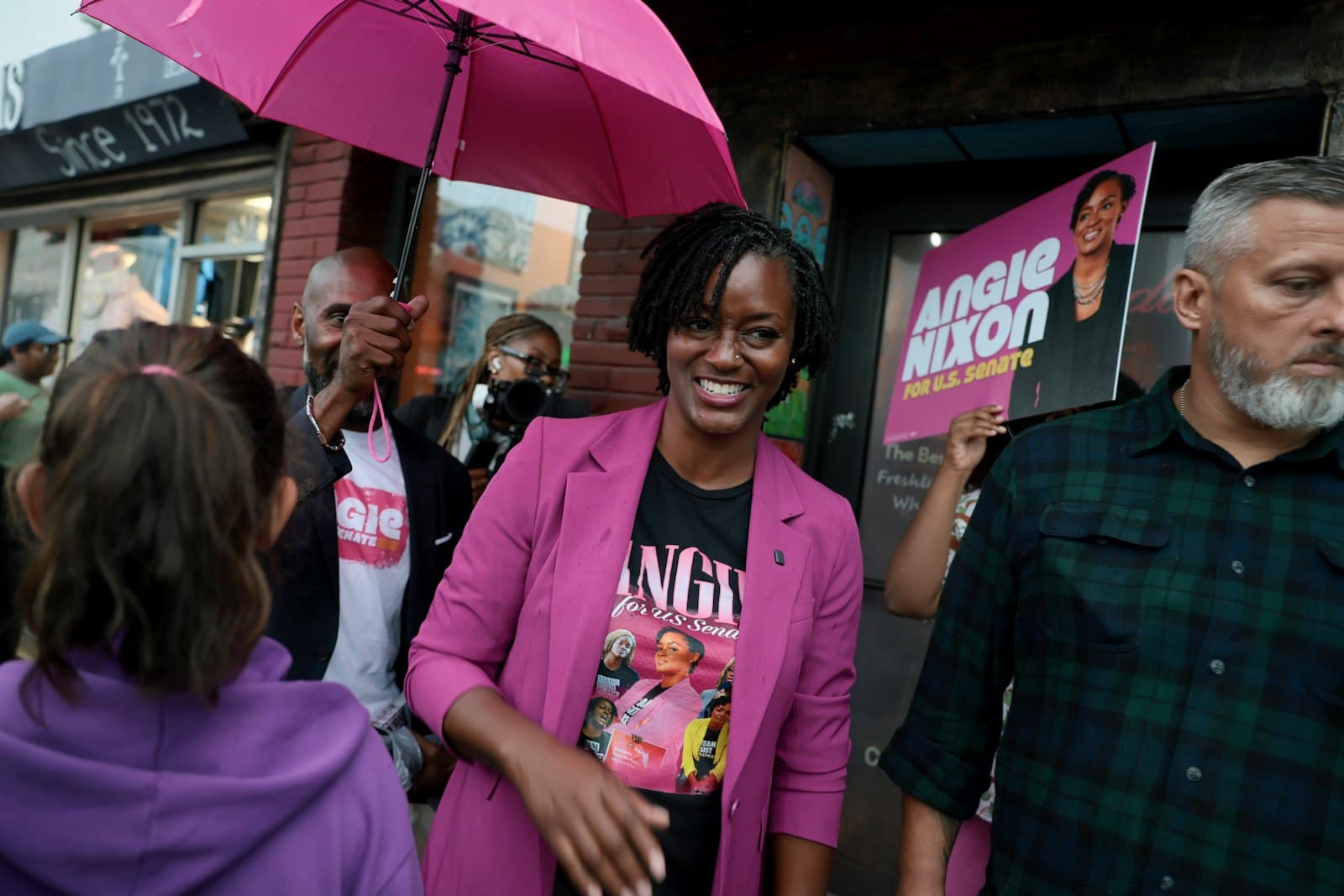
If the Democrats Win These Three Senate Seats, an Earthquake Happened
If I said to you, “Quick, name three states with competitive Senate races,” I’m guessing you’d probably say Texas, Michigan, and Maine. Those are the three that get the most consistent media attention. Then, under those three, there are a number of races in red states where we know the Democrat either is generally ahead or has a realistic shot at winning—that’s North Carolina, Ohio, Iowa, Alaska, and Nebraska (where the challenger is an independent, not a Democrat). Finally, there are a couple blue states where Democrats need to defend seats, and where the Democrat is usually ahead in polls but they’re still very close and far from done deals: Minnesota and New Hampshire. Then, there are three other states where something very interesting may be taking shape. They’re all deep-red states. One was recently a purple state but has lately become a very MAGA shade of red. The second hasn’t elected a Democrat to the Senate in nearly a century. The third started the Civil War. And improbably enough, in all three states, the Democrat is tied or maybe even a smidge ahead. And if these results hold for seven weeks, I’ll be watching these three especially closely on November 3. Let’s start with, believe it or not, South Carolina. A poll came out in early September showing Democrat Annie Andrews narrowly leading Darline Graham, who was named to the seat when brother Lindsey died in July. Graham, as you’ll recall, then narrowly won the GOP primary after being forced into a run-off. The reason it wasn’t a clean succession is that she made a fool of herself at a debate by saying national security “is not my thing.” Andrews is a pediatrician who’s been campaigning aggressively on affordability and health care. She came out for a two-year moratorium on data centers. She is 45 and comes across as affable, smart, and very normal. She cut an ad with her father, a Republican, who said he’s crossing party lines on this one (“Annie’s not some crazy socialist!” Dad avers). Graham is coun
If the Democrats Win These Three Senate Seats, an Earthquake Happened
If I said to you, “Quick, name three states with competitive Senate races,” I’m guessing you’d probably say Texas, Michigan, and Maine. Those are the three that get the most consistent media attention. Then, under those three, there are a number of races in red states where we know the Democrat either is generally ahead or has a realistic shot at winning—that’s North Carolina, Ohio, Iowa, Alaska, and Nebraska (where the challenger is an independent, not a Democrat). Finally, there are a couple blue states where Democrats need to defend seats, and where the Democrat is usually ahead in polls but they’re still very close and far from done deals: Minnesota and New Hampshire. Then, there are three other states where something very interesting may be taking shape. They’re all deep-red states. One was recently a purple state but has lately become a very MAGA shade of red. The second hasn’t elected a Democrat to the Senate in nearly a century. The third started the Civil War. And improbably enough, in all three states, the Democrat is tied or maybe even a smidge ahead. And if these results hold for seven weeks, I’ll be watching these three especially closely on November 3. Let’s start with, believe it or not, South Carolina. A poll came out in early September showing Democrat Annie Andrews narrowly leading Darline Graham, who was named to the seat when brother Lindsey died in July. Graham, as you’ll recall, then narrowly won the GOP primary after being forced into a run-off. The reason it wasn’t a clean succession is that she made a fool of herself at a debate by saying national security “is not my thing.” Andrews is a pediatrician who’s been campaigning aggressively on affordability and health care. She came out for a two-year moratorium on data centers. She is 45 and comes across as affable, smart, and very normal. She cut an ad with her father, a Republican, who said he’s crossing party lines on this one (“Annie’s not some crazy socialist!” Dad avers). Graham is coun
If the Democrats Win These Three Senate Seats, an Earthquake Happened
If I said to you, “Quick, name three states with competitive Senate races,” I’m guessing you’d probably say Texas, Michigan, and Maine. Those are the three that get the most consistent media attention. Then, under those three, there are a number of races in red states where we know the Democrat either is generally ahead or has a realistic shot at winning—that’s North Carolina, Ohio, Iowa, Alaska, and Nebraska (where the challenger is an independent, not a Democrat). Finally, there are a couple blue states where Democrats need to defend seats, and where the Democrat is usually ahead in polls but they’re still very close and far from done deals: Minnesota and New Hampshire. Then, there are three other states where something very interesting may be taking shape. They’re all deep-red states. One was recently a purple state but has lately become a very MAGA shade of red. The second hasn’t elected a Democrat to the Senate in nearly a century. The third started the Civil War. And improbably enough, in all three states, the Democrat is tied or maybe even a smidge ahead. And if these results hold for seven weeks, I’ll be watching these three especially closely on November 3. Let’s start with, believe it or not, South Carolina. A poll came out in early September showing Democrat Annie Andrews narrowly leading Darline Graham, who was named to the seat when brother Lindsey died in July. Graham, as you’ll recall, then narrowly won the GOP primary after being forced into a run-off. The reason it wasn’t a clean succession is that she made a fool of herself at a debate by saying national security “is not my thing.” Andrews is a pediatrician who’s been campaigning aggressively on affordability and health care. She came out for a two-year moratorium on data centers. She is 45 and comes across as affable, smart, and very normal. She cut an ad with her father, a Republican, who said he’s crossing party lines on this one (“Annie’s not some crazy socialist!” Dad avers). Graham is coun

The Trump Dividend Checks Have Already Gone Out. Just Not to You.
Last week, President Donald Trump announced that if Republicans prevail in this year’s midterm elections, he would provide everybody with a $5,000 dividend check. People reacted as if he’d said something crazy, like “Barack Obama was born in Kenya and is ineligible to be president of the United States”—by which I mean they dismissed his ravings as one more Trumpian oddity and not what it really was: the disqualifying lunacy of a corrupt jackass. A few brave souls gently raised concerns that this was tantamount to a bribe. Those who wanted to add something substantive to the conversation pointed out just how much this idea would cause inflation to spike. I don’t recall anyone saying the obvious thing: A $5,000 payoff would be an implicit admission that he and his party’s reckless policies wrecked the economy and spawned a nationwide affordability crisis. House Speaker Mike Johnson, whose flock of lawmakers would ostensibly be the people who would find this money—more than $1 trillion—and appropriate it, told Kristen Welker in an interview that the so-called “Trump dividend” would be something lawmakers would “process through Congress and talk through and debate and discuss.” That said, nothing is happening anytime soon, because Johnson is sending lawmakers home until the midterm elections so as to avoid having to vote on GOP Representative Thomas Massie’s proposed impeachment of Secretary of “War” Pete Hegseth, who, between psychosexual panic attacks about the masculinity of the soldiers in his presence, is currently getting the belt-to-ass treatment from Iran. So you might have to wait a while for your $5,000 check. But that doesn’t mean that the Trump dividend hasn’t already been paid out. To the contrary, the president and his congressional enablers have been handing out money left and right. They’ve made people very rich, in fact. It’s something that they’re quite good at doing—at least for a few. Once upon a time, Trump claimed that shared prosperity would co
MAGA Turns On Latina GOP Congresswoman Who Called Out Trump
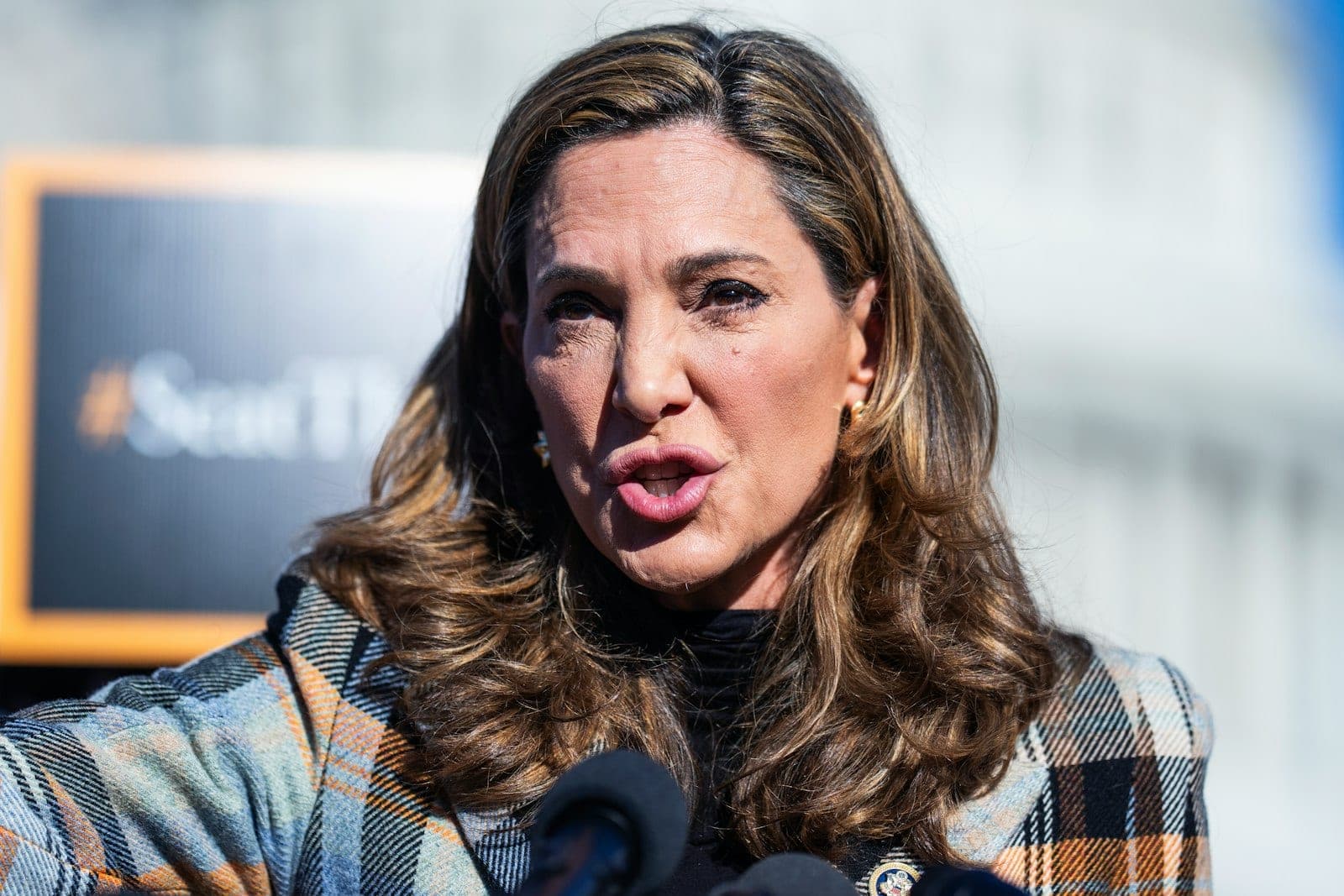
Midterm-bound Republicans have opted to separate themselves from the president’s sinking ship, but MAGA world isn’t letting them off so easily. A spate of far-right influencers flamed Florida Representative Maria Elvira Salazar after her campaign aired an advert denouncing Donald Trump’s immigration crackdown. “Mr. President, some of your immigration enforcement efforts have gone too far,” Salazar said in the ad. “In July, 50 percent of the 50,000 people that were detained had no criminal record.” “Be careful what your advisers are telling you about immigration policy,” she continued. “The same Hispanics who helped you get to the White House in 2024 feel betrayed today.” Florida County Commissioner Anthony Sabatini, a MAGA activist in his own right, wrote online that the White House should “deport her ASAP,” apparently forgetting that Salazar was born in Miami and is therefore a U.S. citizen. Former Border Patrol chief Greg Bovino derided Salazar as “anti-American.” “Republicans, which side are YOU on—the side of the taxpayer or the side of those who wish to destroy our republic? Now’s your shot at making a difference,” he posted on social media. Christian Ziegler, a GOP strategist, argued that Salazar “shouldn’t be allowed back into the White House” due to the ad. “No meetings with the President. No meetings with WH staff. No Oval Office. No Congressional picnic. No Christmas parties or Egg Rolls,” Ziegler commented, insinuating that only loyalist MAGA drones should be allowed to interact with the president. “Salazar has put the President in a position where he has to pick between being impeached—or—helping a pro-amnesty Republican get elected,” Ziegler added. Self-described proud Islamophobe Laura Loomer extended her ire for Salazar’s messaging toward the president’s entourage, rhetorically asking, “Which political genius who works for our President did the vetting on Salazar?” “To be honest, it is hard not to feel black pilled by so many of the incompe