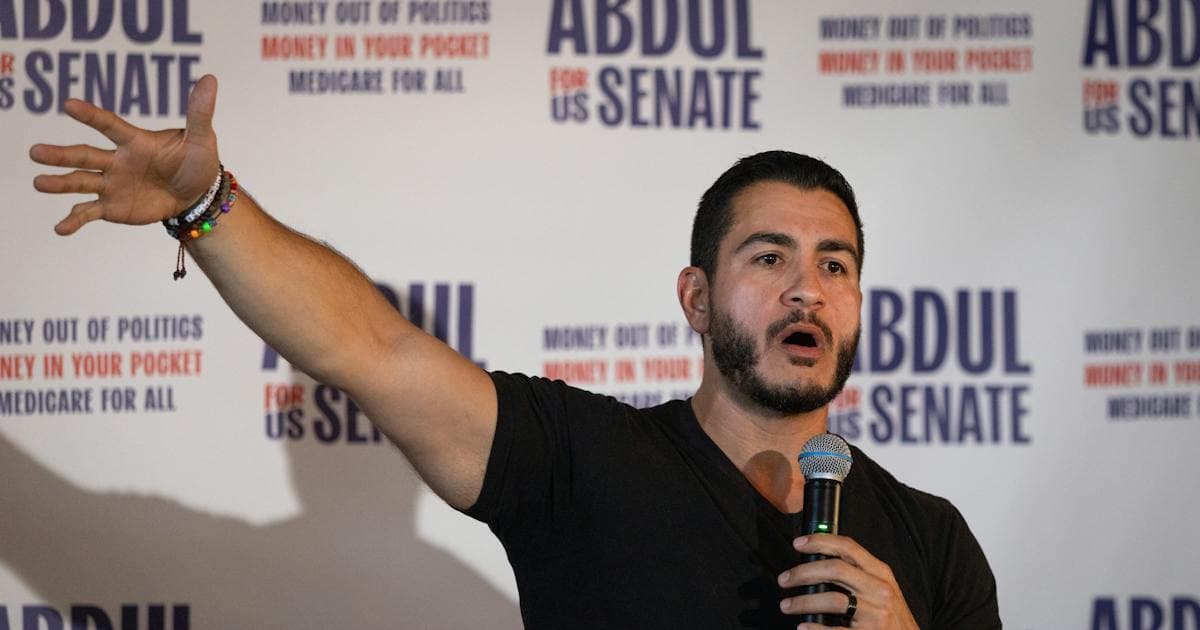
It Wasn't a Blowout, but El-Sayed Won. Get Behind Him, Democrats.
El-Sayed’s narrow primary win over Haley Stevens is the focus of the author’s call for Democrats to unite behind him in November.
SOURCE CHECK
TAP FOR WHYThe New Republic is an established publication with an identifiable author, but this is an opinion column rather than a reported news article. Its institutional standing supports a solid score, while the opinion format limits what can be inferred about reporting and correction practices from this piece.
- Source type — An established national opinion publication; the opinion label is a meaningful limit on its value as straight reporting.
- Author attribution — The column names Perry Bacon as its author.
- Editorial standards — The publisher is an established magazine, though this article itself advances an argument rather than presenting a reported investigation.
- Transparency — The article identifies the writer and makes its opinion format apparent.
The column gives a clear account of the primary result and acknowledges a potential weakness for El-Sayed, including rural-voter performance. Its analysis relies on limited detail about the underlying returns and polls, and it does not develop the competing case for Stevens or offer much independent sourcing.
HOW WE SCORE ↗This is an argument for party unity behind El-Sayed, not an even-handed account of both candidates. It does acknowledge the narrow margin, concerns about rural voters, and risks posed by some progressive positions, but does not substantially present the opposing case.
- Opinion vs reporting — The piece is an explicitly argumentative column urging a specific political outcome.
- Counterarguments presented — Notes concerns about rural voters and controversial positions, but does not develop the case made by Stevens or her supporters.
- Source diversity — Provides little sourcing beyond references to election returns, polls, and NBC News.
- Framing — Emphasizes progressive gains and the need to prevent a Republican victory.
The column openly advocates for El-Sayed and frames his victory as a progressive win, urging Democrats to support him. Its criticism of the center-left’s electability argument gives the piece a clear left-progressive lean.
- Framing — Presents the primary as a setback for the center-left and a test of the progressive wing.
- Language tone — Uses favorable framing for El-Sayed and progressives, including describing the result as a major win.
- Headline — The headline directly urges Democrats to get behind El-Sayed.
- Source selection — The piece chiefly advances the author's political assessment rather than drawing on a range of sources.
Abdul El-Sayed won Michigan’s Democratic Senate primary over Haley Stevens by a narrower-than-expected margin. The author urges Democrats to unite behind him in November, while warning that his rural-voter weakness and some positions could pose challenges.
The article reports that El-Sayed won the Michigan Democratic Senate primary by less than two percentage points, despite polls suggesting a wider margin. It says his victory over Representative Haley Stevens disappointed the center-left Democrats who backed Stevens, including Governor Gretchen Whitmer and Senate Minority Leader Chuck Schumer, and notes that El-Sayed appeared to struggle with rural voters.
Perry Bacon argues that the result weakens the center-left’s electability case against progressive candidates, but says El-Sayed should emphasize popular economic positions and avoid more controversial proposals. Bacon urges Democrats to support El-Sayed in the general election, arguing that a Senator El-Sayed would oppose President Donald Trump’s agenda more than Republican candidate Mike Rogers would.
Community verdict
6 VOTES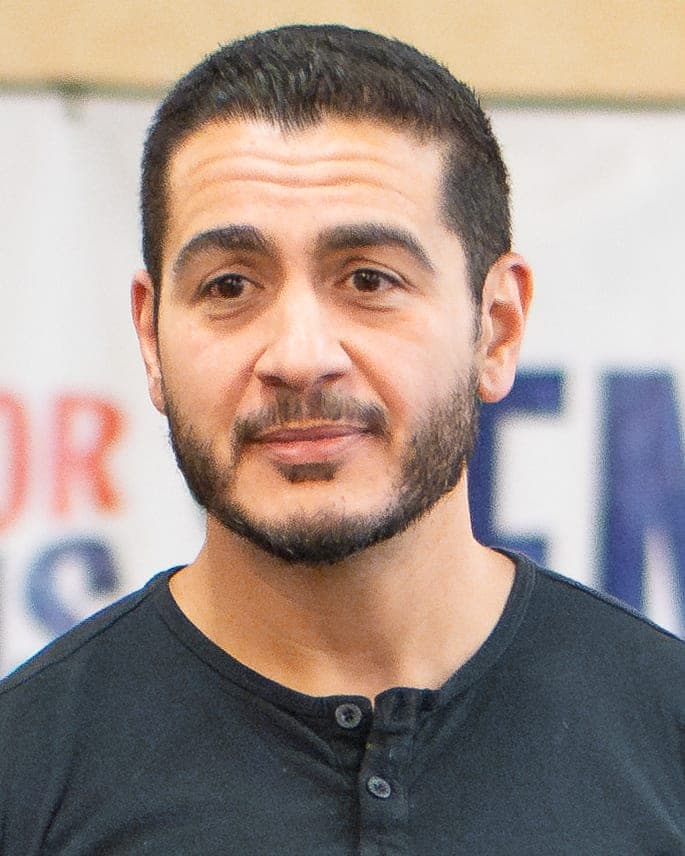
People in this story
SWIPE →
El-Sayed’s opponent in the Democratic Senate primary

President whose agenda is contrasted with the prospect of a Senator El-Sayed
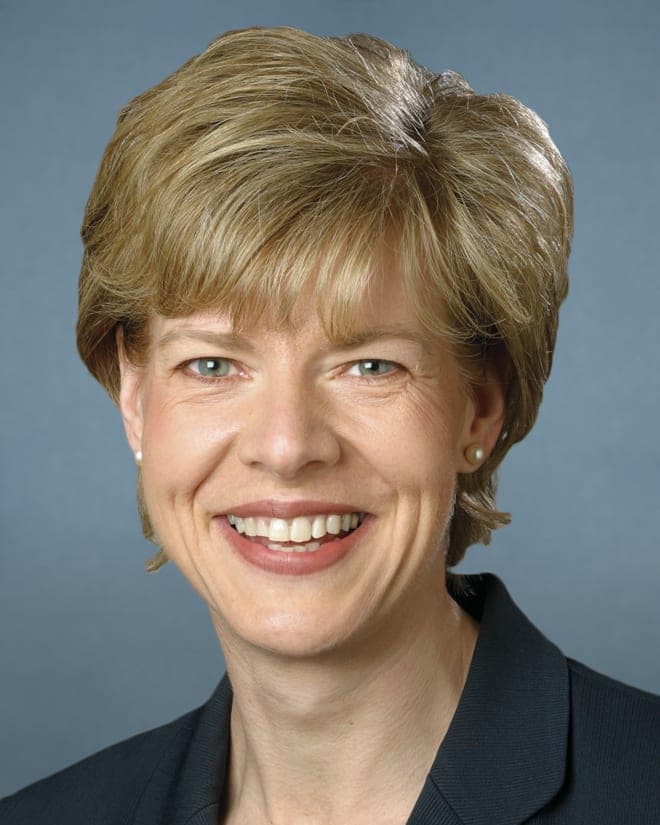
Senator cited as a past Midwestern swing-state winner

Senator whose preferred candidate won the Michigan primary
Republican Senate candidate in Michigan and El-Sayed’s general-election opponent
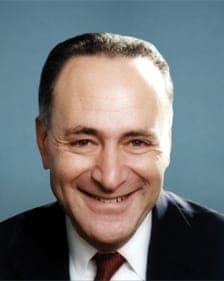
Senate Minority Leader who backed Stevens

Representative mentioned as a possible future Democratic presidential nominee

Ohio Senate candidate cited as a past Midwestern swing-state winner
Part of a bigger story
41 OUTLETSOutlets agree that Abdul El-Sayed won Michigan’s Democratic Senate primary over Haley Stevens and will face Republican Mike Rogers in November. Left-leaning outlets frame the result as a progressive win and a test of the Democratic Party’s direction, while later coverage highlights El-Sayed’s response to Trump. Center outlets focus on the nomination, party unity and the November matchup, including questions about El-Sayed’s appeal. Right-leaning outlets emphasize criticism of his positions and portray the nomination as an opening for Republicans.
- ARTICLES
- 45
- OUTLETS
- 41
- AVG CRED
- 65
Discussion · 0
Loading comments…