Why Did Pollsters Get Michigan And Wisconsin Primaries So Wrong?
Polls showed him well ahead in the Michigan primary, but he defeated Haley Stevens by only one percentage point.

SOURCE CHECK
TAP FOR WHYThe Daily Caller is a named, bylined outlet that attributes its reporting to analysts and polling sources. Its partisan orientation warrants some caution, though the article presents identifiable sources and specific polling details.
- Source type — A national news outlet with a partisan editorial reputation.
- Transparency — It identifies several analysts, pollsters and polling organizations.
- Author attribution — The article names its author.
- Editorial standards — The report attributes interpretations to sources, but offers limited independent verification of polling methodology.
The article includes named pollsters and analysts, polling figures, and multiple explanations for the errors. It relies largely on expert commentary and does not provide much independent examination of the polls’ underlying methods.
HOW WE SCORE ↗The article offers several explanations from polling professionals and includes data about both races. It does not include responses from the candidates or a detailed independent assessment of the pollsters’ claims.
- Source diversity — Multiple analysts and pollsters explain the polling misses.
- Counterarguments presented — It includes different accounts of the causes, including weighting, open primaries and late movement.
- Omitted context — Candidates’ responses and independent evaluations of the poll methodologies are absent.
- Loaded language — The article is largely descriptive, though it uses the pollsters’ characterization of the candidates as further-left.
The article uses mostly neutral language and attributes its explanations to pollsters and analysts. Its focus on the support and polling errors of further-left candidates does not, by itself, establish a partisan editorial lean.
- Language tone — Mostly matter-of-fact wording, with analysis attributed to sources.
- Source selection — Includes polling analysts and pollsters with differing perspectives on the causes of error.
- Framing — Frames the story around polling accuracy and primary electorates rather than endorsing a candidate.
Polls overstated Abdul El-Sayed’s and Francesca Hong’s support before their primaries, although El-Sayed narrowly won and Hong lost. Pollsters and analysts cited open-primary uncertainty, samples skewed toward younger and more enthusiastic voters, and late movement among undecided voters.
Polls had shown Abdul El-Sayed leading Haley Stevens by more than 20 points in Michigan, but he won by one point. Analysts said open primaries made it difficult to identify likely voters, and some polls overrepresented younger and highly enthusiastic voters. Stevens did better among older, non-college-educated and lower-to-middle-income voters, while El-Sayed did better in counties with more white, college-educated and higher-income residents.
In Wisconsin, polls showed Francesca Hong leading David Crowley by more than 20 points, but Crowley won by less than 1%. Analysts pointed to samples that were younger and more left-leaning than the electorate, undecided voters, and late movement in the race. A Marquette Law School poll found 34% of respondents were undecided in late July.
Community verdict
7 VOTES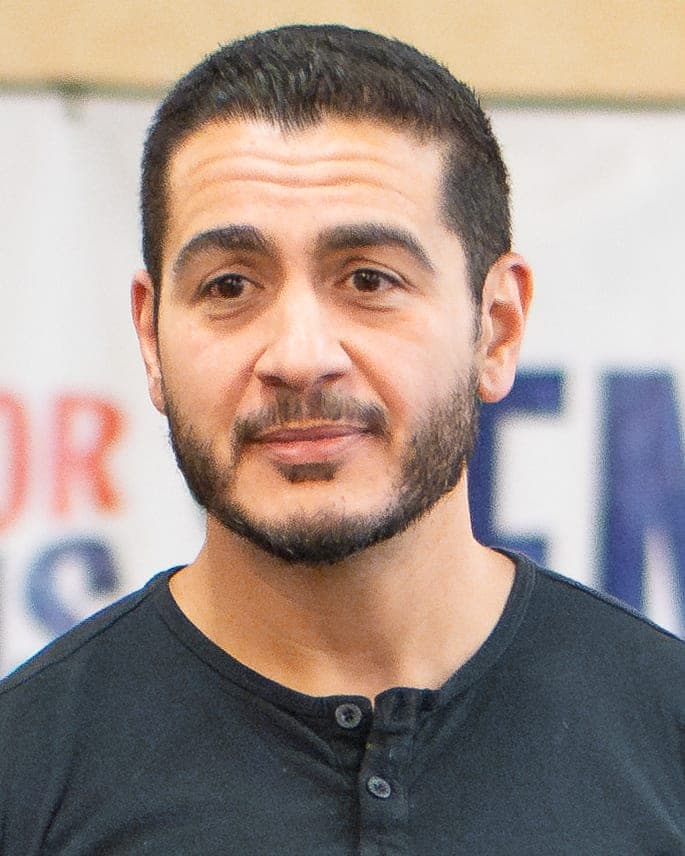
People in this story
SWIPE →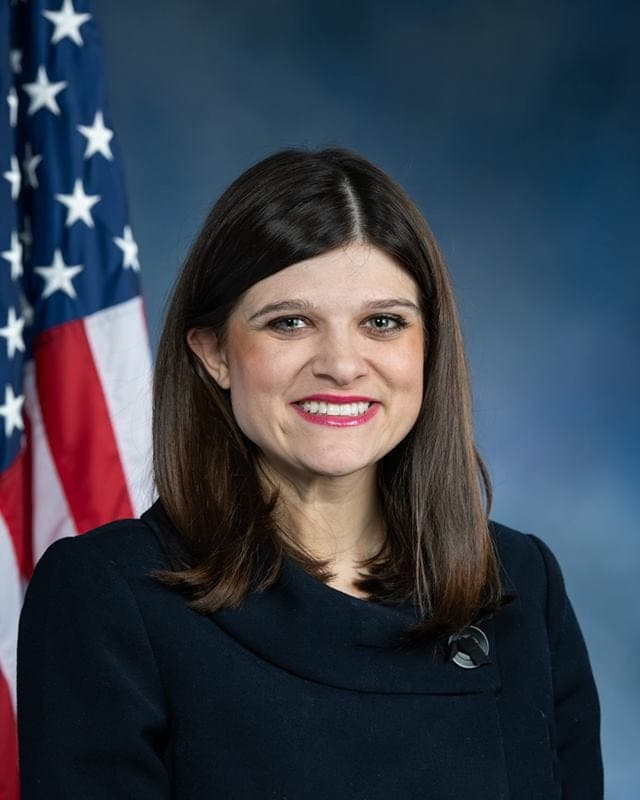
Democratic Michigan representative and Senate primary candidate
Stevens's version of this story ↗
Independent Vermont senator who endorsed El-Sayed
Senate Minority Leader who endorsed Stevens and asked donors to support her
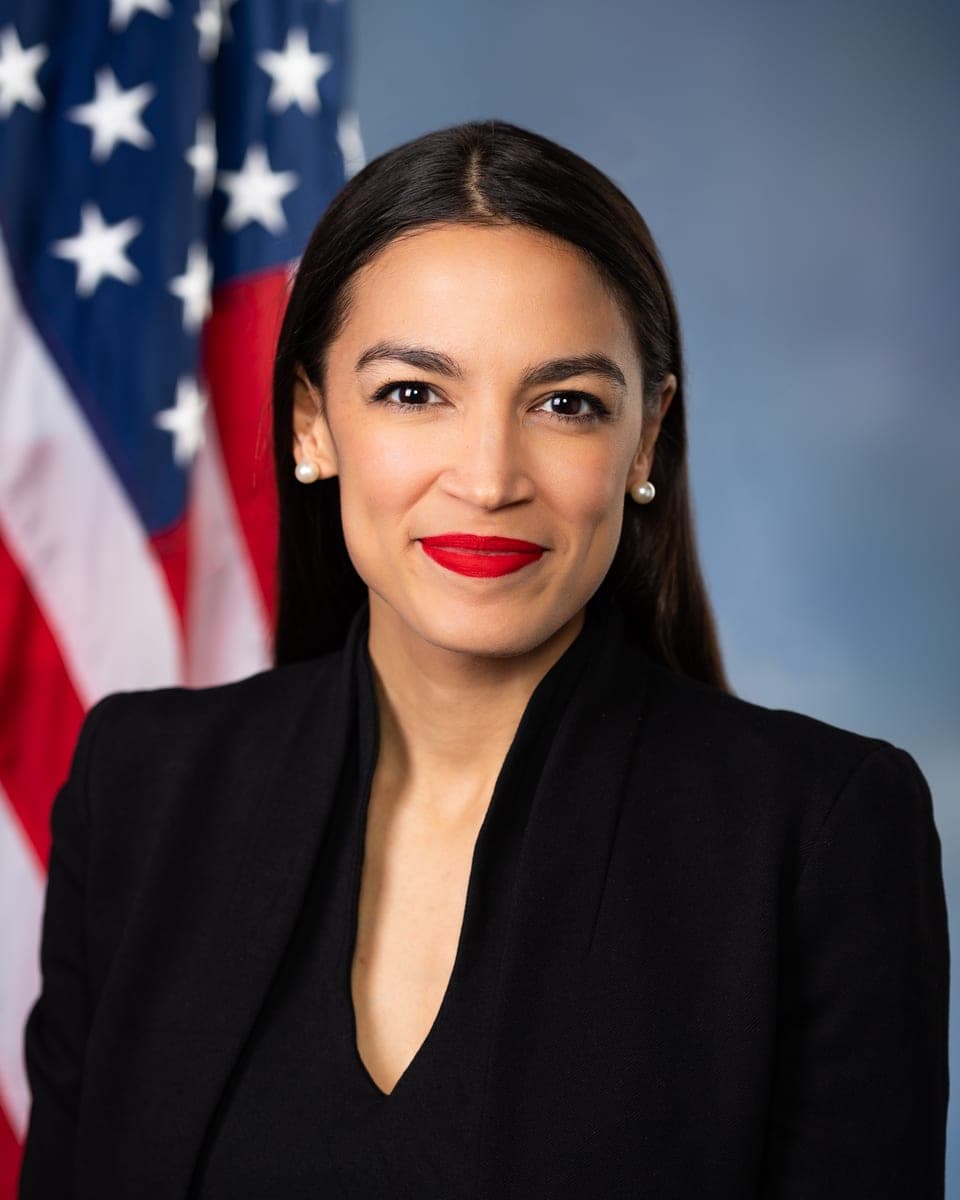
Democratic representative who endorsed El-Sayed
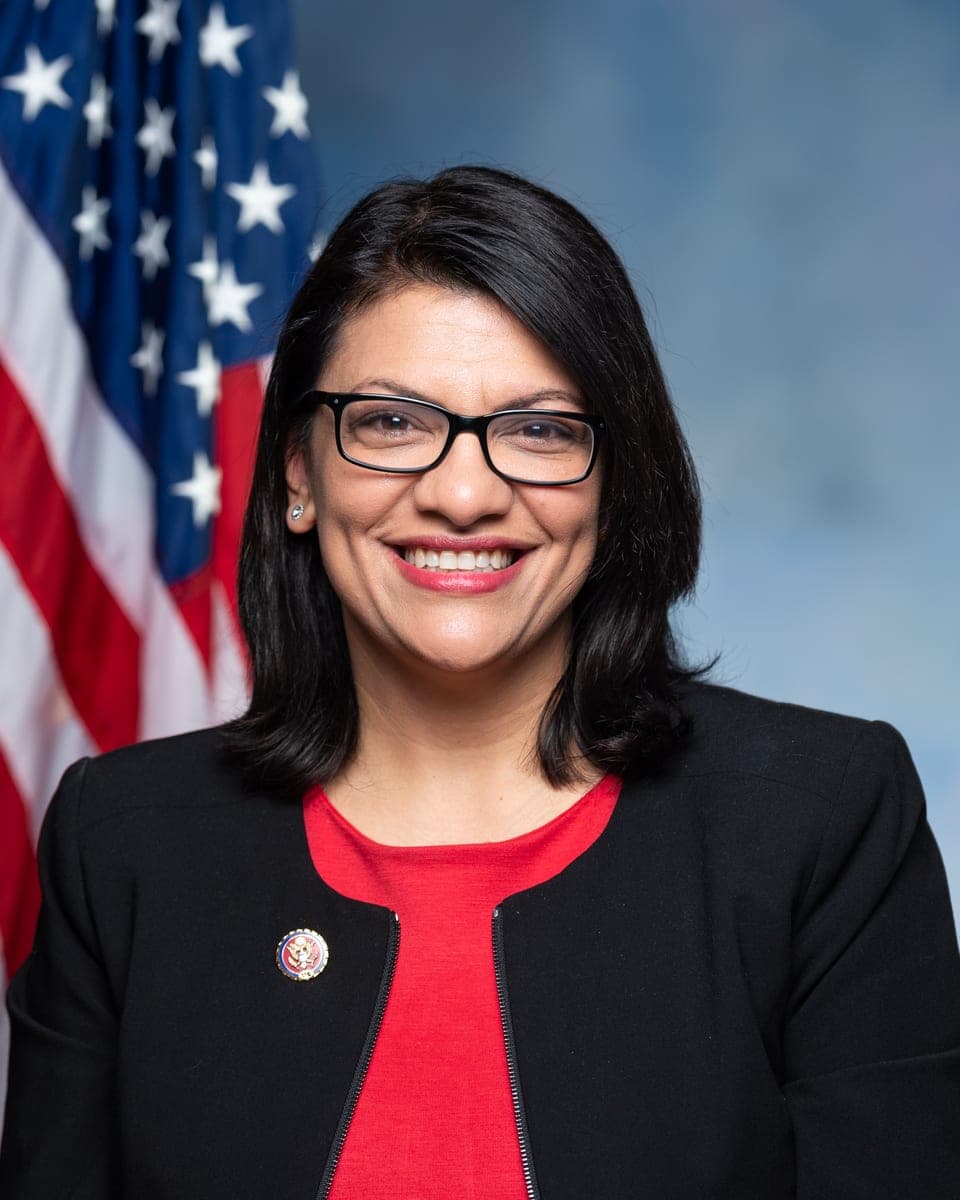
Democratic Michigan representative who endorsed El-Sayed
Part of a bigger story
2 OUTLETS- ARTICLES
- 2
- OUTLETS
- 2
- AVG CRED
- 68
Discussion · 0
Loading comments…