Michigan progressive Abdul El-Sayed won a combative Democratic nomination for US Senate – he'll face new attacks this fall
He won the Democratic Senate nomination and now faces Republican Mike Rogers in the general election.
SOURCE CHECK
TAP FOR WHYThe Conversation publishes expert-authored explanatory journalism and identifies both the author and his field of expertise. The article provides specific figures and attributes claims, though the text does not show a corrections policy or detailed sourcing for every figure.
- Author attribution — Names the author and identifies his expertise in political science and elections.
- Editorial standards — The Conversation is an established publisher of expert-authored articles, with an explanatory rather than anonymous format.
- Transparency — The author discloses his academic perspective and connection to Michigan.
- Source type — A recognized news and analysis publisher, though the article is expert analysis rather than conventional reported news.
The author offers campaign-spending figures, election results, demographic patterns and attributed statements, and notes the absence of exit polls. The analysis is detailed but provides limited direct sourcing for some claims and little presentation of the Republican candidate’s perspective beyond his reported statements.
HOW WE SCORE ↗The article examines both Democratic candidates’ campaign strategies, spending, endorsements and voter coalitions, and includes the Republican nominee’s claims. Its analysis gives limited space to the Republican case and relies on the author’s interpretation of some campaign dynamics.
- Source diversity — Reports statements and campaign activity from both primary candidates and the Republican nominee, but includes few directly quoted sources.
- Counterarguments presented — The article includes Rogers’s allegations against El-Sayed but offers little elaboration of Rogers’s broader position.
- Omitted context — The article acknowledges the lack of exit polls but gives limited detail on methods behind some spending and voting-pattern claims.
- Loaded language — Some characterizations, including the description of likely Islamophobic attacks, are evaluative but supported by the article’s account of the claims.
The article uses an analytical tone and discusses both candidates’ campaign strategies, supporters and challenges. Its critical description of attacks is tied to the reported claims and fact checks rather than a consistently partisan framing.
- Language tone — Mostly descriptive and analytical, with limited evaluative phrasing.
- Source selection — Discusses campaigns and endorsements from both Democratic candidates and reports the Republican nominee’s statements.
- Framing — Frames the primary as a contest between progressive and moderate Democratic coalitions and the general election as a close race.
- Headline — Emphasizes the combative nomination and expected attacks, but does not clearly favor a party.
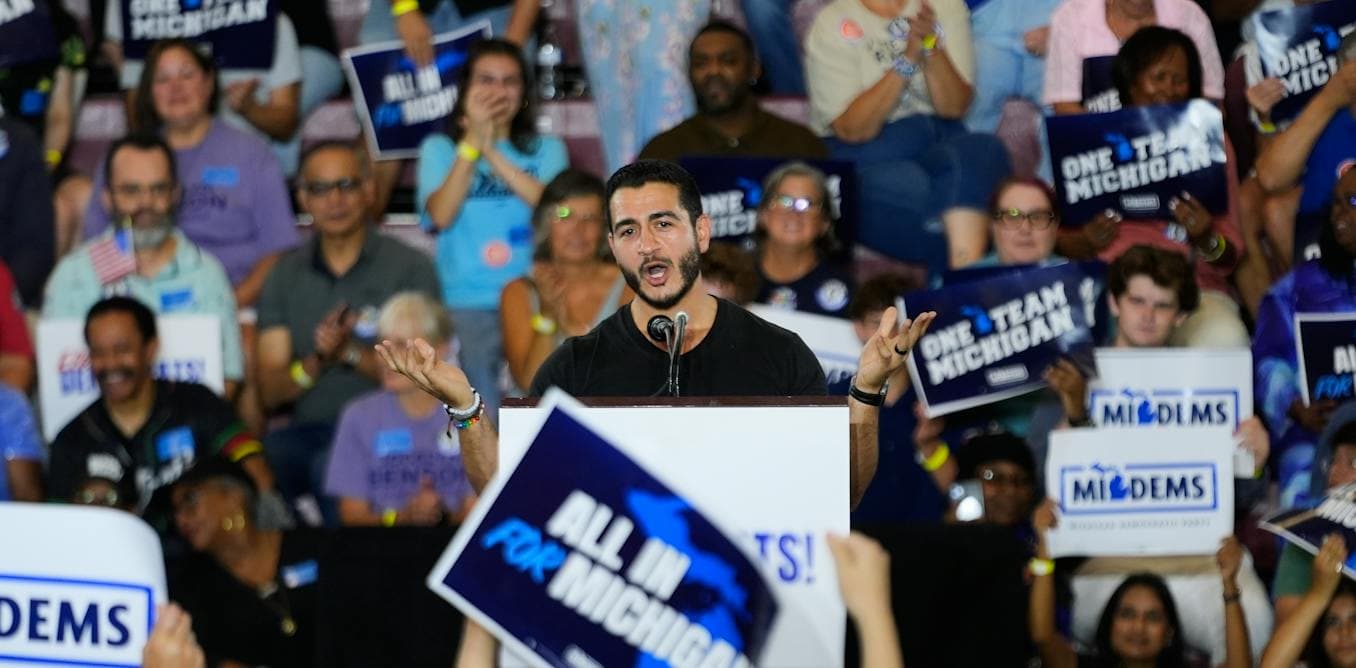
Abdul El-Sayed won Michigan’s Democratic Senate primary against Rep. Haley Stevens by about 15,000 votes and will face Republican Mike Rogers in November. The analysis describes a costly, sharply contested primary and the challenges El-Sayed may face in the general election.
El-Sayed defeated Stevens by about 15,000 votes, roughly 1% of the nearly 1.5 million votes cast. The article says spending in the primary approached $81 million, with far more spent supporting Stevens than El-Sayed, and describes the candidates’ different campaign messages, advertising and endorsements.
The article says early post-primary polls suggest a close general election against Republican Mike Rogers. It reports that Rogers accused El-Sayed of supporting the 9/11 attacks and the Muslim Brotherhood, while the author says those claims are untrue; it also describes party-unity efforts after the primary and the prospect of a negative campaign.
Community verdict
12 VOTES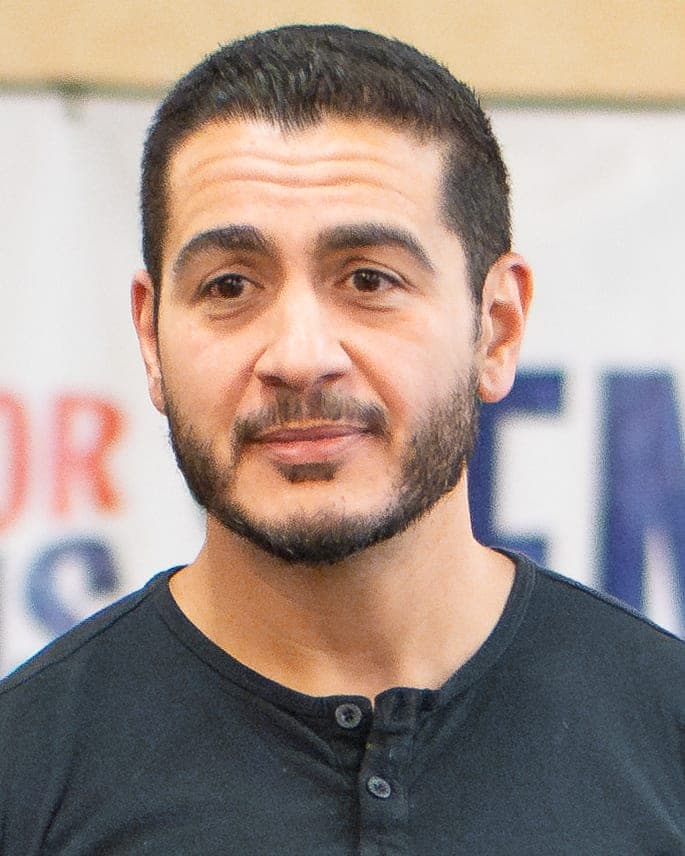
People in this story
SWIPE →
Representative and defeated Democratic Senate candidate
Stevens's version of this story ↗
President and supporter of the Republican candidate
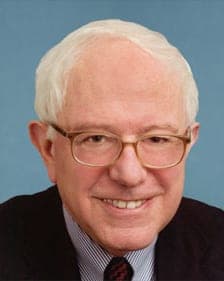
U.S. senator who endorsed and campaigned with El-Sayed
Republican Senate candidate
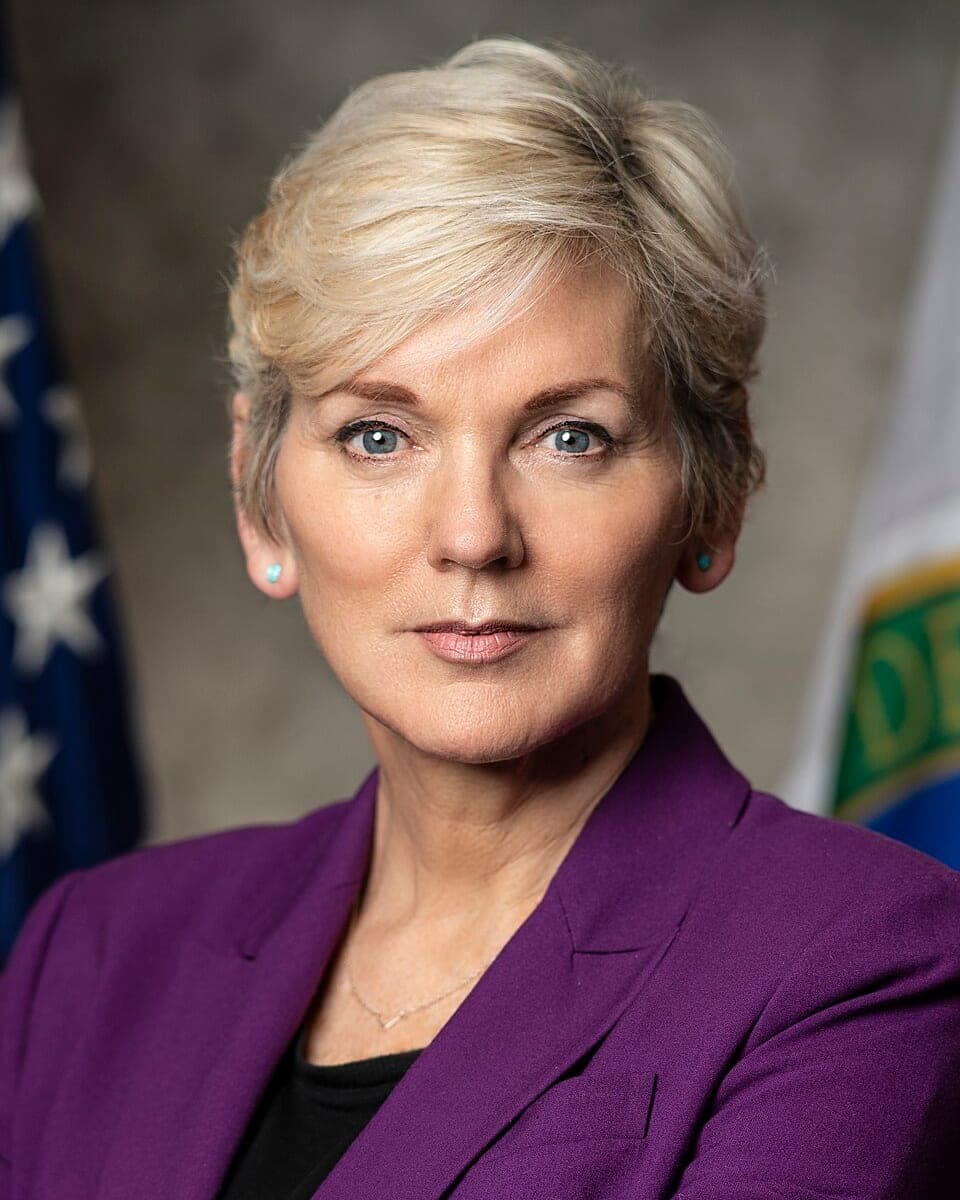
Former Michigan governor who endorsed Stevens
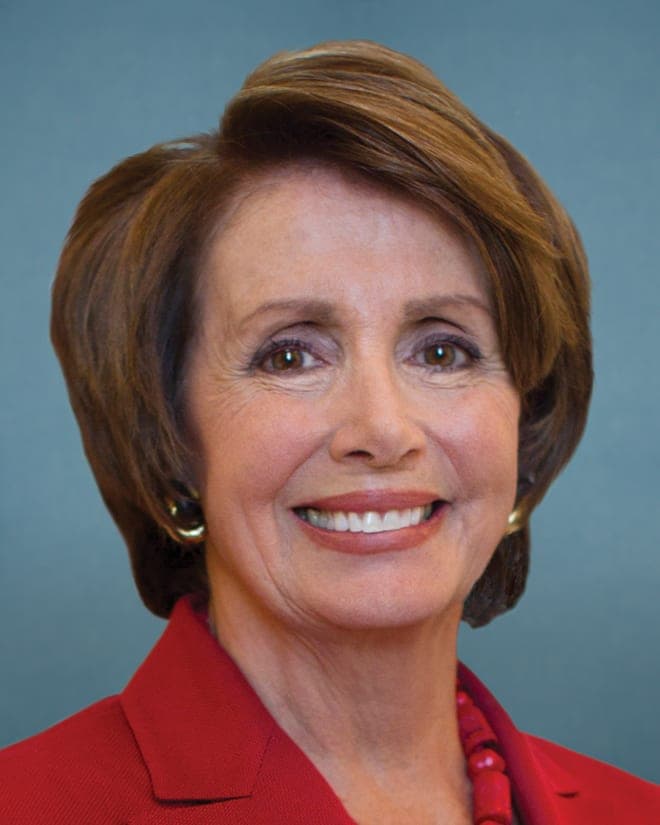
Former House speaker who endorsed Stevens
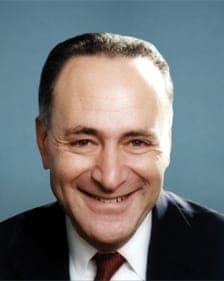
Senate minority leader who endorsed Stevens
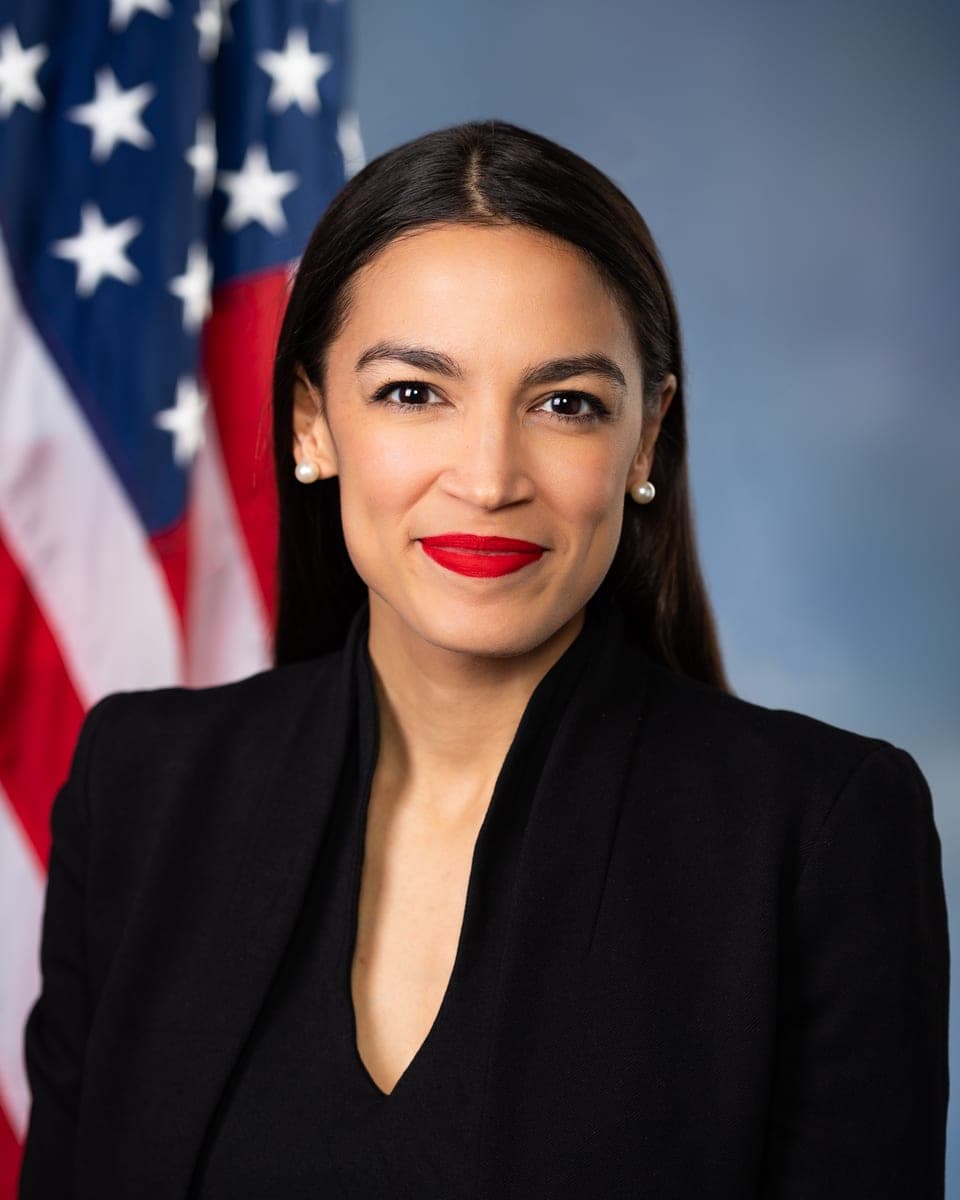
U.S. representative who endorsed and campaigned with El-Sayed

Former transportation secretary who expressed support for El-Sayed
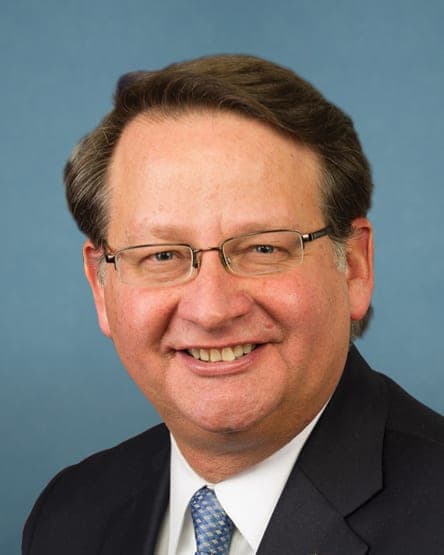
U.S. senator who endorsed Stevens
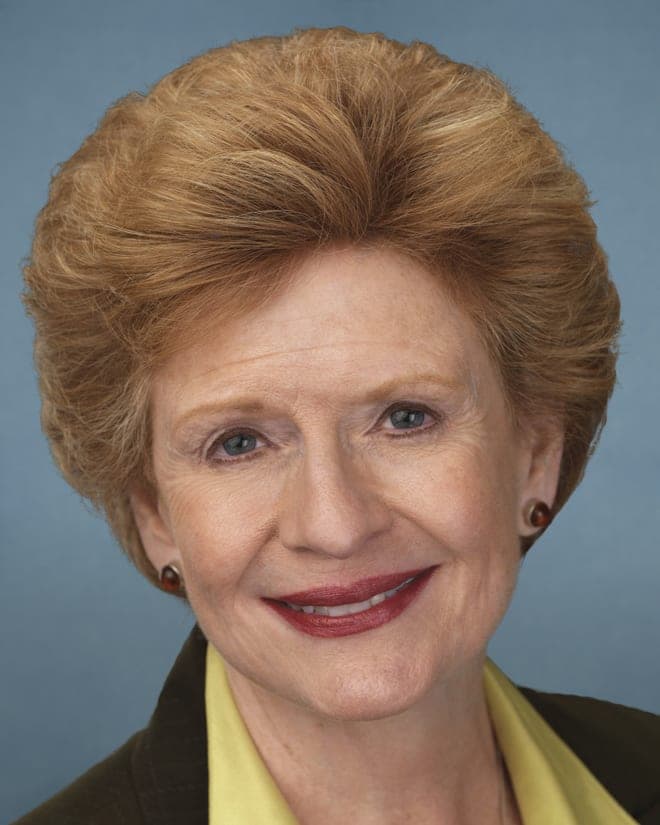
Former U.S. senator who endorsed Stevens
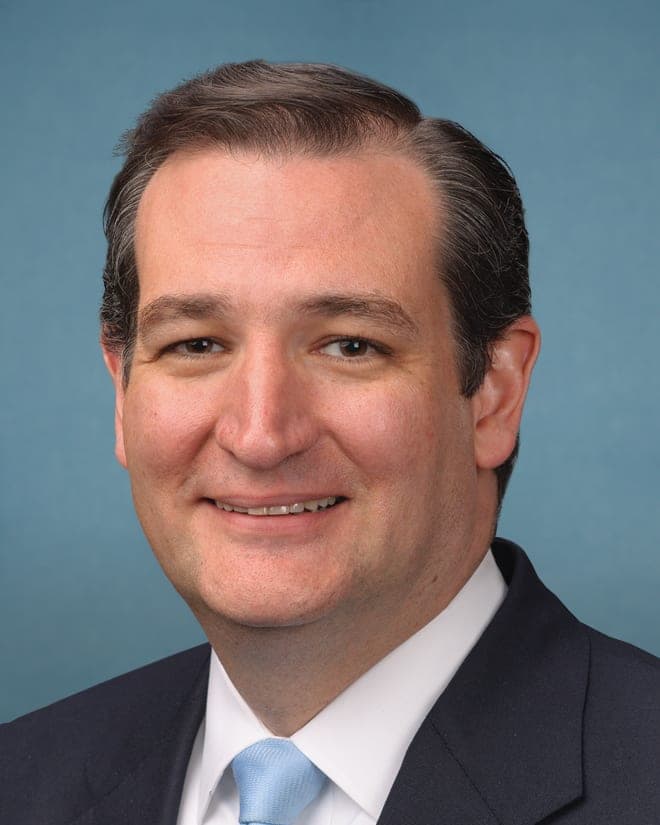
U.S. senator who raised allegations about El-Sayed’s family connections in Senate testimony
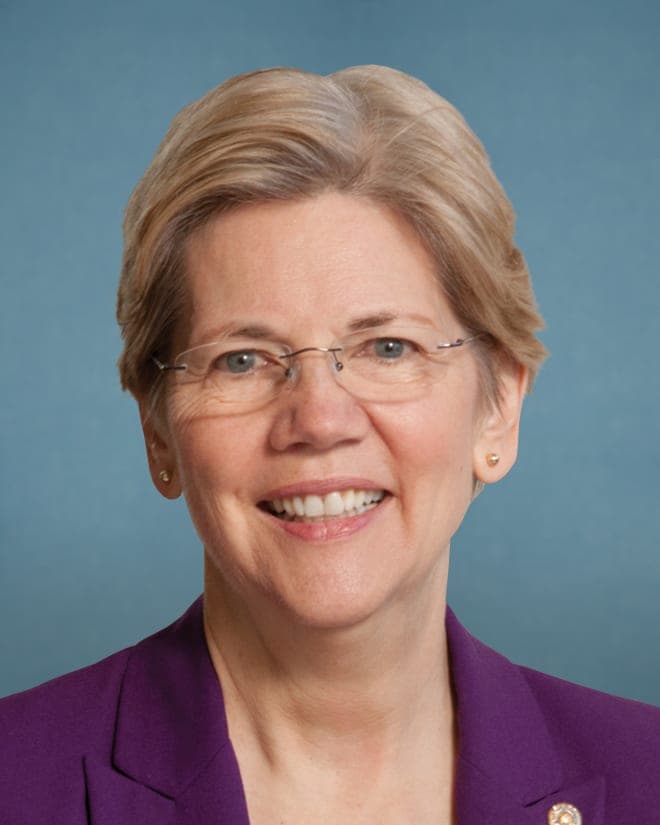
U.S. senator who endorsed and campaigned with El-Sayed
Part of a bigger story
6 OUTLETSOutlets agree that Abdul El-Sayed won Michigan’s Democratic Senate primary; coverage also reports he will face Republican Mike Rogers in the general election. Right-leaning outlets treat the result as consequential beyond the primary: Fox News stresses a possible general-election liability, while Jns draws a lesson about pro-Israel organizing. Other articles variously present the win as a progressive shift, analyze the primary campaign, or connect it to Israel-related political realignment.
- ARTICLES
- 7
- OUTLETS
- 6
- AVG CRED
- 69
- WorldNetDaily · How Hamas attack on Israel is changing American politics * WorldNetDaily * by Benjamin Weingarten, Real Clear Wire
- Yahoo News · Former Vikings captain Jack Brewer reacts to Abdul El-Sayed's Senate primary victory in Michigan
- Washington Jewish Week · Opinion: After Michigan, Will Pro-Israel Politics Get a Ground Game?
Discussion · 0
Loading comments…