The Oligarch-on-Oligarch Fight That Defines Politics in 2026
Goldstein is trying to make her warnings about data-center financing heard despite the large spending of her opponents.
SOURCE CHECK
TAP FOR WHYThe American Prospect is an established, identifiable publication with attributed authorship and reporting, but it has a clear progressive editorial orientation and this piece is explicitly opinion. Its institutional credibility is therefore solid but below that of a major wire service or newspaper of record.
- Source type — Opinion-oriented publication; the article is commentary rather than straight news.
- Author attribution — The article names David Dayen as its author.
- Transparency — The publication and article are clearly identified, and the piece attributes quotations to named sources.
- Editorial standards — Established publication, though its progressive orientation shapes its editorial context.
The article includes named sources, campaign spending figures, examples from several races, and direct quotations. It is an explicitly argumentative piece and offers limited response from the candidates criticized, so its reporting is informative but not fully balanced.
HOW WE SCORE ↗The piece gives substantial detail about competing candidates and campaign tactics, but its analysis is organized around a strong critique of self-funding and big-money politics. It does not include direct responses from the central candidates to that broader critique.
- Source diversity — Includes candidates, progressive organizers and campaign-related information, but relatively few perspectives from the criticized candidates themselves.
- Counterarguments presented — Notes that big spending does not always guarantee victory and describes competing campaign arguments, but does not develop a countercase for self-funding.
- Loaded language — Uses evaluative language about oligarchs, campaign spending and political influence.
- Opinion vs reporting — The piece is explicitly opinion and interprets events through a consistent argument.
The article frames large donors and self-funded campaigns as damaging to democratic participation and presents progressive candidates and organizations as a counterweight. Its language and choice of examples consistently advance that left-leaning critique.
- Framing — Presents big-money spending as a structural threat to political access and democratic debate.
- Language tone — Uses strongly critical terms such as “oligarch war” and “buying seats in Congress.”
- Source selection — Relies heavily on Goldstein and progressive organizers to explain the counter-strategy.
- Omission — Provides little direct response from Trone or McClain Delaney to the article’s criticisms.
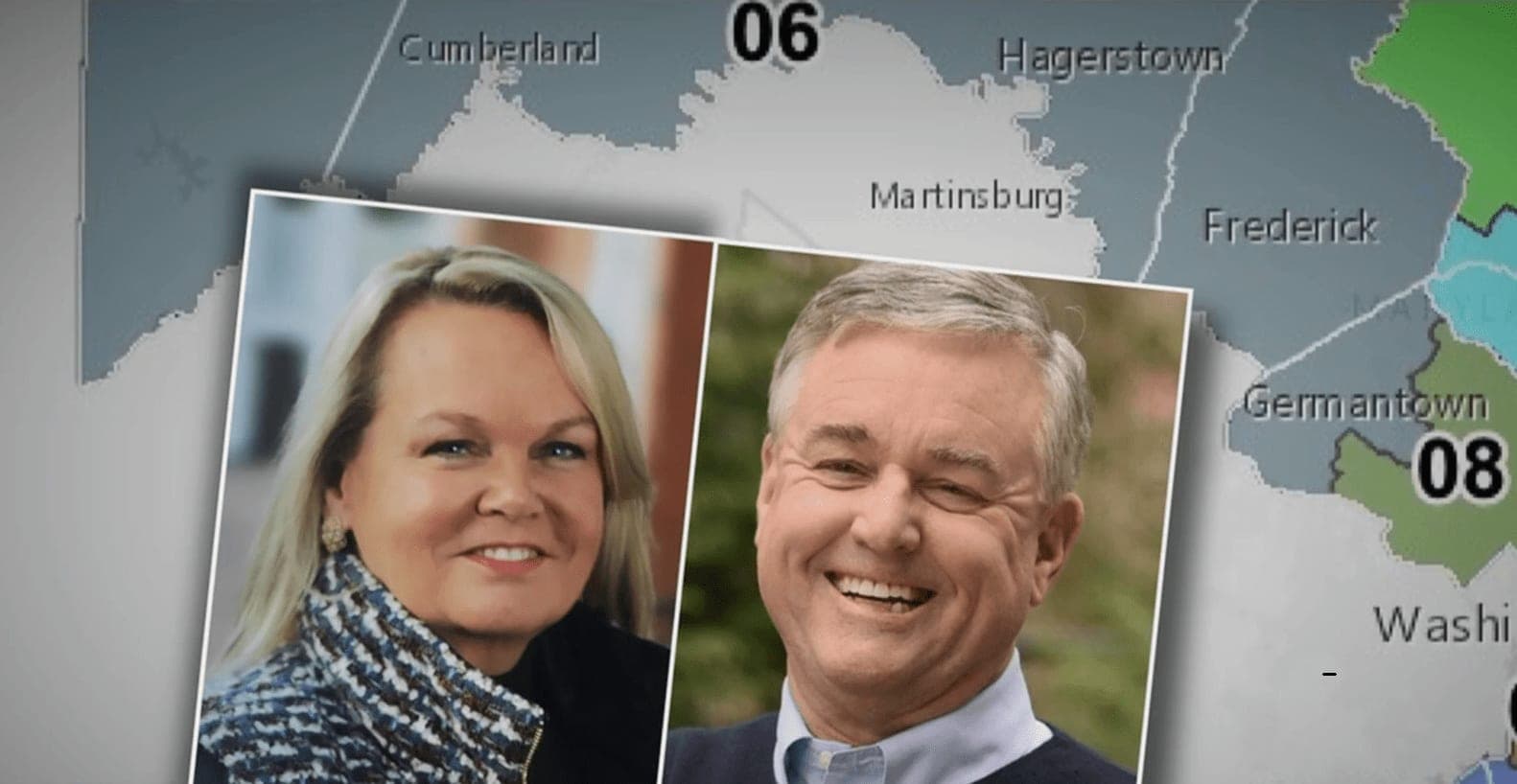
The article examines Maryland’s Sixth District primary, where self-funded campaigns by April McClain Delaney and David Trone dominate the race while Alexis Goldstein campaigns with far fewer resources. It also presents Goldstein’s criticism of data-center development as a test of whether candidates can break through big-money politics.
David Dayen describes Goldstein, a former Consumer Financial Protection Bureau employee, as a candidate with financial expertise who is trying to draw attention to the risks she sees in data-center financing. The article says Trone has loaned his campaign $25 million and McClain Delaney has loaned herself $7.4 million, and recounts their competing attacks and records.
The article contrasts the Maryland race with other primaries where outside groups have spent heavily, and describes progressive groups’ efforts to counter that spending through campaign funding and voter education. Goldstein says she is campaigning against data-center deployments and warning about their financial risks; the article reports local opposition and describes her appearances at town halls and meetings.
Community verdict
7 VOTESPeople in this story
SWIPE →House candidate campaigning against data-center development and the influence of big-money campaigns
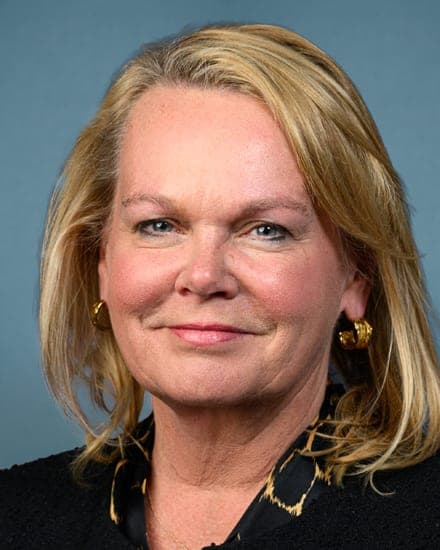
Representative and House candidate facing Trone in Maryland’s Sixth District primary
McClain Delaney's version of this story ↗
Former representative and House candidate challenging McClain Delaney in Maryland’s Sixth District
Trone's version of this story ↗
Pennsylvania state representative cited as a progressive primary winner

New York Assemblymember and House candidate receiving support from Michael Bloomberg
New York Assemblymember and House candidate targeted by rival AI-related PAC spending

New Jersey House candidate cited as a progressive primary winner

Representative whose retirement is creating an open New York City House race

President whose administration and policies are referenced in the race discussion

California candidate cited as a progressive who won despite being outspent
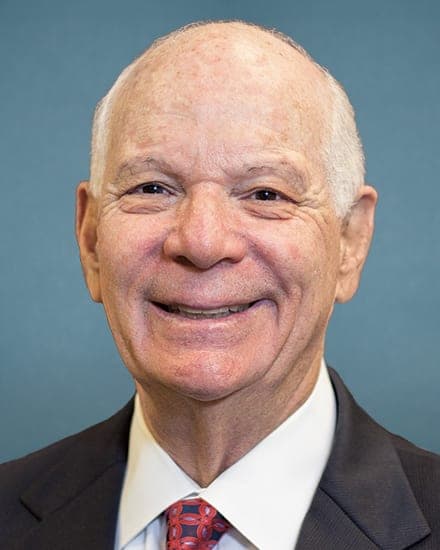
Former senator whose seat Trone sought
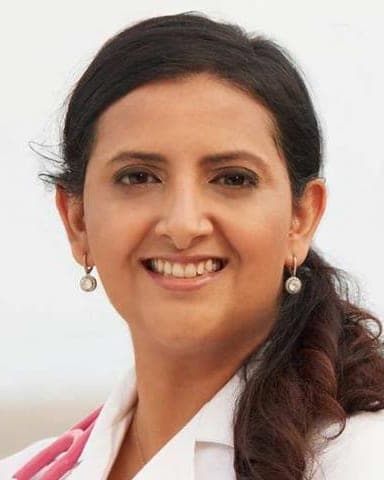
California state assemblymember defeated by Randy Villegas in a prior primary

New York City comptroller and House candidate campaigning against outside PAC influence
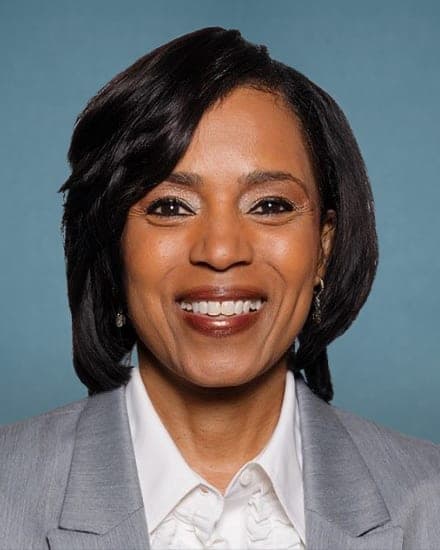
Senator who defeated Trone in the Maryland Senate race
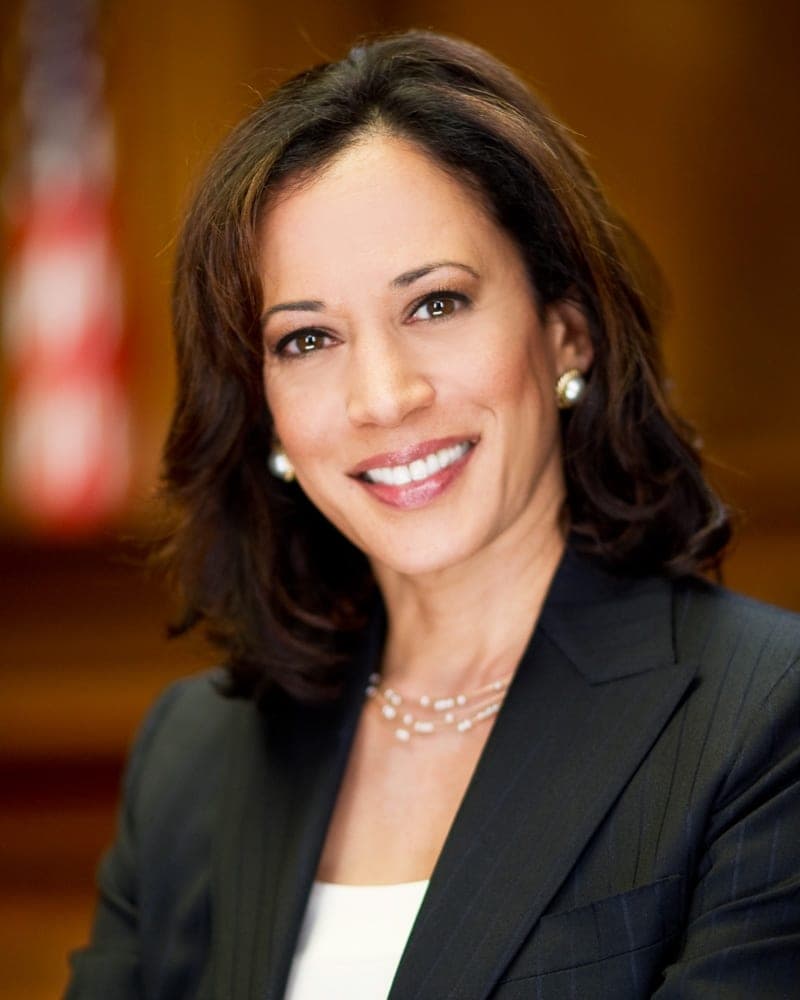
Former presidential candidate mentioned in discussion of the district’s political makeup
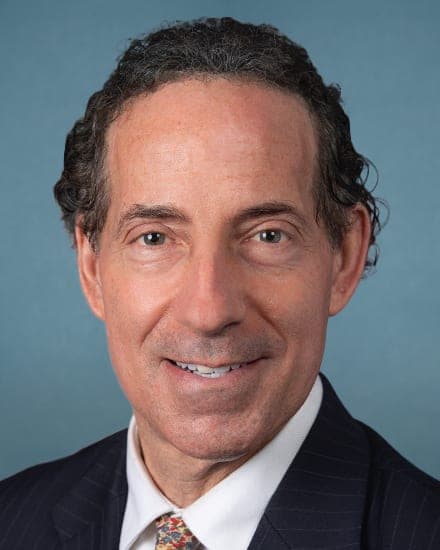
Representative who defeated Trone in a prior House race

Former representative whose retirement preceded Trone’s entry into the Sixth District race
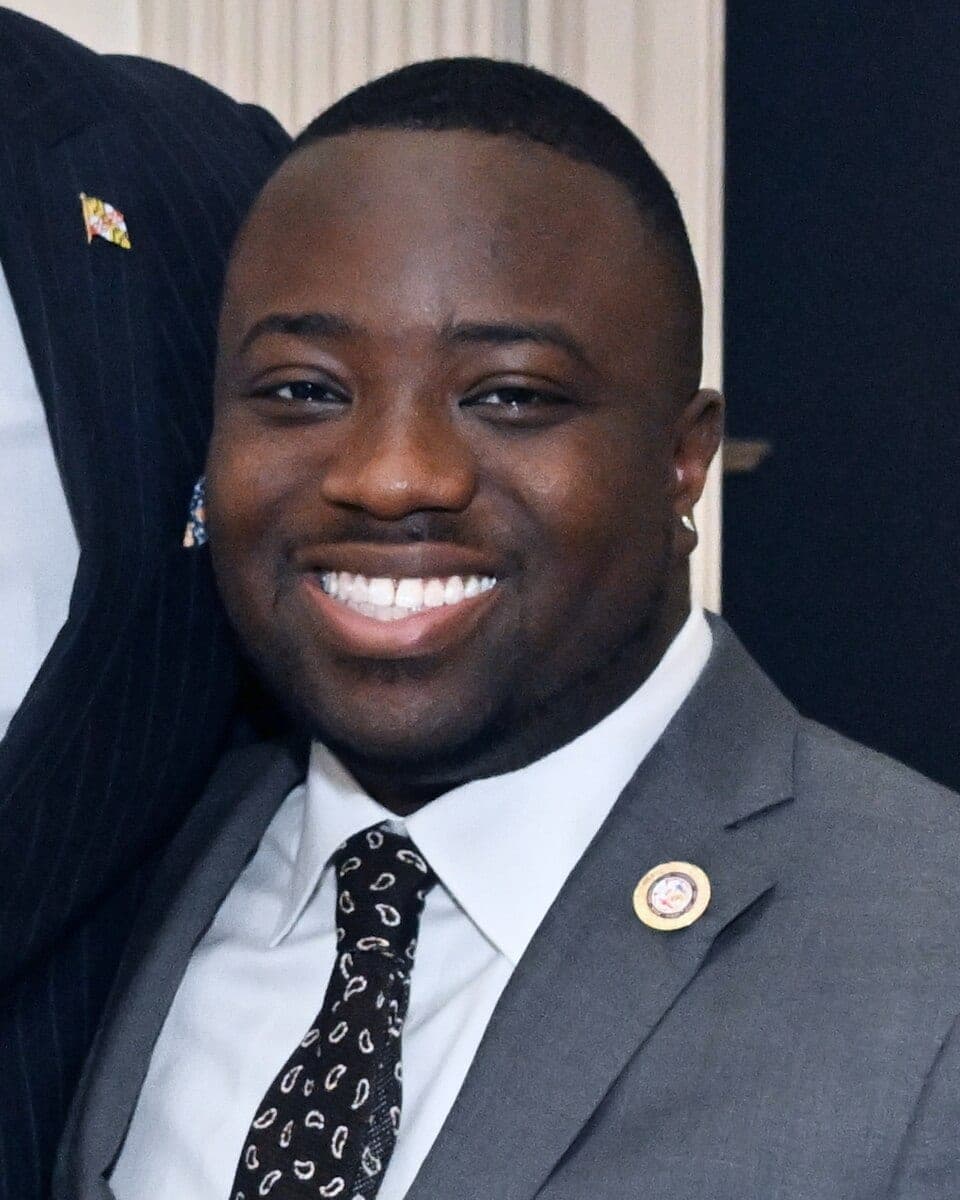
Maryland delegate and House candidate benefiting from outside PAC spending
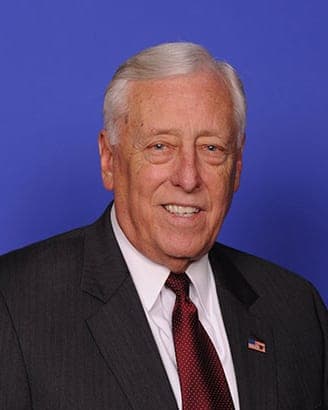
Representative whose seat Boafo is seeking
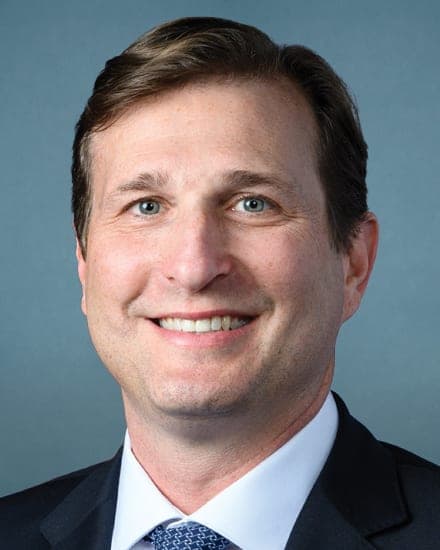
Representative who self-funds his campaign and is discussed in connection with AIPAC and Brad Lander
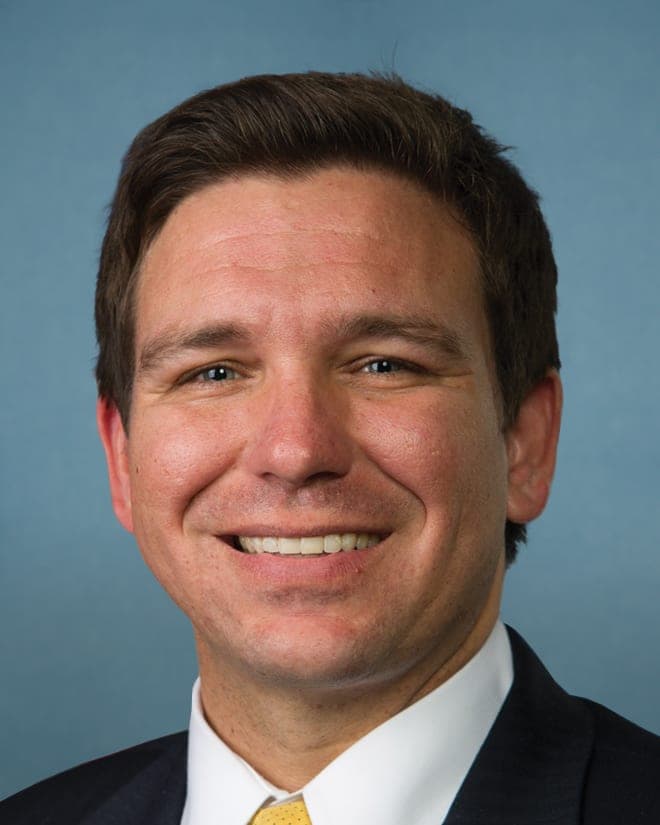
Florida governor shown in McClain Delaney’s campaign ads with Trone
Discussion · 0
Loading comments…