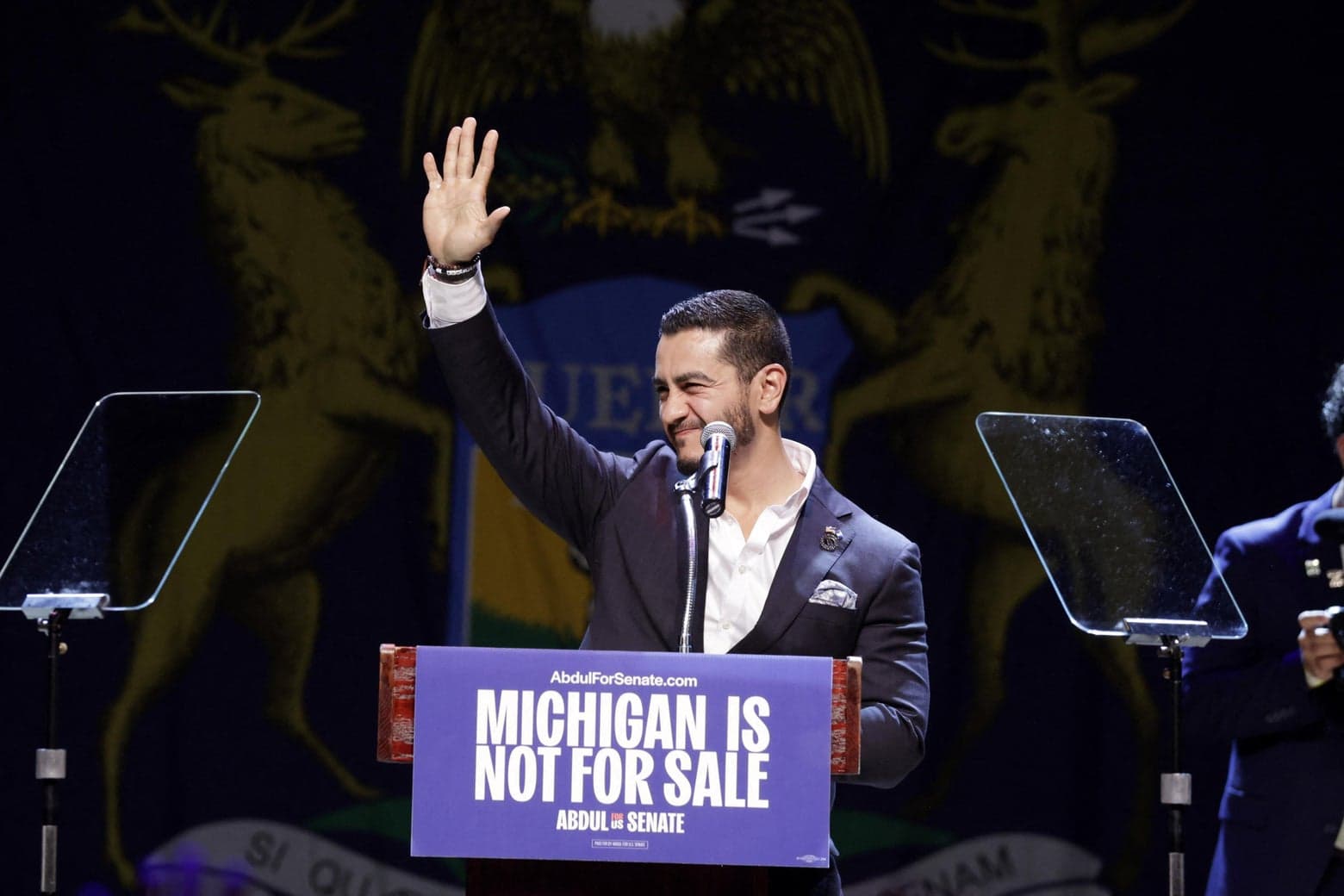
Abdul El-Sayed defeats Haley Stevens. Mike Rogers is next.
Stevens conceded the primary after a close race against El-Sayed.
SOURCE CHECK
TAP FOR WHYSlate is an established national publication with editorial standards, though this is an opinion piece rather than a straight-news report. The author is identified, but the article itself provides limited sourcing for some campaign and polling claims.
- Source type — Established national publication; opinion format warrants some distinction from its reported news coverage.
- Editorial standards — Slate is an established publication with an editorial operation.
- Author attribution — The article names its author.
- Transparency — The piece identifies the writer but gives limited detail about sourcing for several campaign and polling assertions.
The column provides a specific election result and describes campaign dynamics, but offers limited sourcing and little direct evidence for some of its broader claims and predictions. It discusses the competing candidates and campaign tensions while presenting an interpretive, rather than comprehensively sourced, account.
HOW WE SCORE ↗The column describes both candidates’ campaign strengths, support, and tactics, and acknowledges the primary’s narrow result. Its central interpretation favors the significance of El-Sayed’s progressive victory, with limited independently sourced counterpoints.
- Counterarguments presented — Notes the close result, Stevens’s strong performance in parts of the state, and the challenge of uniting the party.
- Opinion vs reporting — The article advances an interpretation of the result’s political meaning rather than presenting only straight reporting.
- Source diversity — Provides little direct sourcing from independent voices or competing analysts.
- Loaded language — Uses evaluative language about candidates and campaign dynamics, though it also reports criticisms of El-Sayed.
The column frames El-Sayed’s progressive victory as a potentially consequential test for the Democratic Party and gives the progressive movement favorable attention. It also notes the narrow margin, campaign hostility, and challenges he faces.
- Framing — Emphasizes the broader promise and influence of progressive candidates after El-Sayed’s win.
- Language tone — Uses approving descriptions of El-Sayed’s campaign abilities while also noting his personal attacks and the close result.
- Source selection — Relies primarily on the author’s interpretation of campaign dynamics rather than presenting a range of attributed outside perspectives.
- Headline — Centers the progressive candidate’s win and the next contest with the Republican nominee.
Abdul El-Sayed narrowly defeated Rep. Haley Stevens in Michigan’s Democratic Senate primary and will face Mike Rogers in November. The column argues the result could shape Democratic debates over electability and the party’s future.
Abdul El-Sayed claimed victory over four-term Rep. Haley Stevens in Michigan’s Democratic Senate primary after the race was too close to call Tuesday evening; Stevens called to concede. The article reports that El-Sayed won by one percentage point.
Community verdict
9 VOTES
People in this story
SWIPE →Representative and Democratic Senate primary candidate who lost to El-Sayed

Democratic Senate candidate who won Michigan’s primary
El-Sayed's version of this story ↗Former Democratic Senate candidate in Michigan

Former president referenced in a comparison about the Democratic Party’s future

Senator and historical reference for the progressive movement
Republican Senate candidate who will face El-Sayed in November

Senate minority leader mentioned in connection with recruiting Whitmer
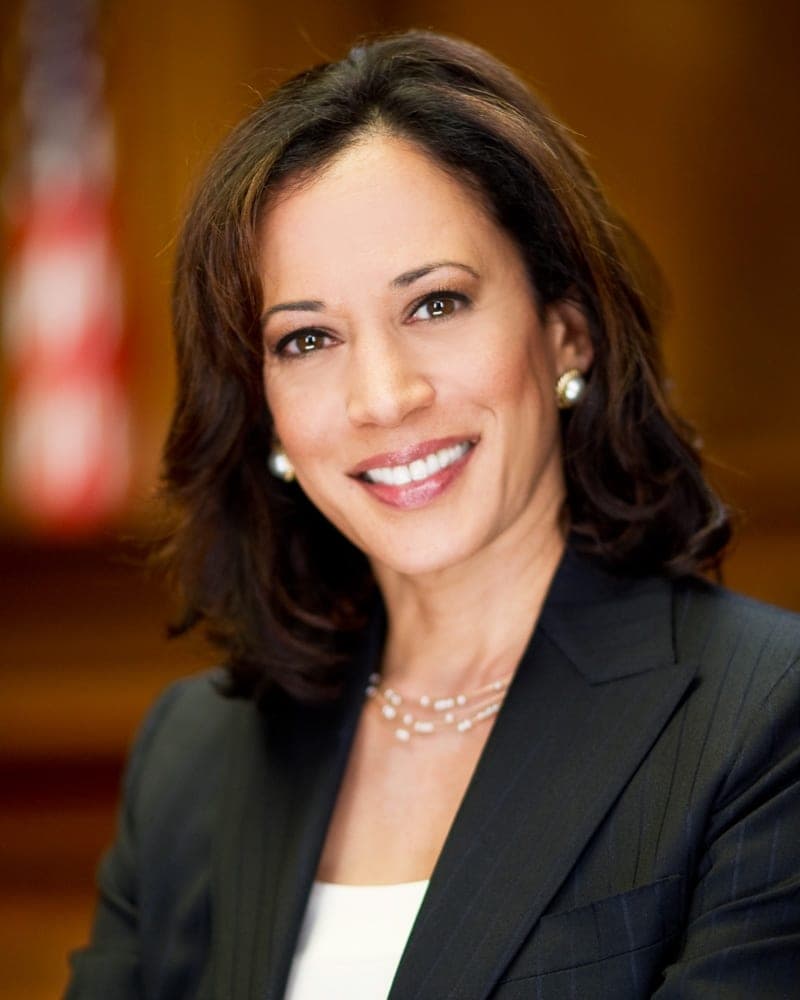
Former vice president referenced in a comparison about the Democratic Party’s future

Michigan senator mentioned in connection with the primary
Part of a bigger story
16 OUTLETSOutlets agree Abdul El-Sayed defeated Rep. Haley Stevens in Michigan’s Democratic Senate primary in a close result. He will face Republican Mike Rogers in November. Left-leaning outlets present the win as progressive momentum and, in some coverage, a challenge to establishment Democrats and outside spending. Center outlets focus on the close result and its implications for electability, party direction, and Senate control. Right-leaning outlets frame it as evidence of a wider progressive or socialist shift within the Democratic Party, while some also focus on media coverage or election details.
- ARTICLES
- 19
- OUTLETS
- 16
- AVG CRED
- 63

Discussion · 0
Loading comments…