Nancy Pelosi Championed a Hong Kong Dissident. She May Have Doomed Him.
The article argues that Pelosi’s public advocacy for Hong Kong and Taiwan may have exposed activists to risks without securing them protection.

SOURCE CHECK
TAP FOR WHYReason is an established publication, but this page is an attributed opinion article rather than straight reporting. The author is identified, while the publication’s opinion format and the article’s reliance on other outlets and books limit the basis for assessing its original reporting.
- Source type — Opinion publication; a strong prior for advocacy-oriented framing rather than neutral news reporting.
- Track record — Reason is an established magazine with a recognizable editorial identity.
- Author attribution — The article names its author.
- Transparency — The article attributes several quotations and claims to named publications, authors and experts, but does not present a corrections or sourcing policy on the page.
The article includes named sources, historical details and attributed quotations, but its central causal argument—that U.S. advocacy helped put Wong in danger—is presented from one perspective, with limited examination of alternative explanations or a response from Pelosi.
HOW WE SCORE ↗The piece acknowledges bipartisan support and includes some arguments for congressional advocacy, but its overall case is critical of Pelosi and U.S. involvement, with little sustained presentation of counterarguments.
- Counterarguments presented — The article notes that supporters viewed Pelosi’s actions as defending democracy, but does not develop that case at comparable length.
- Loaded language — Terms such as “stunt,” “hubris” and “doomed” reinforce the author’s critical thesis.
- Source diversity — Includes quotations from officials, scholars, journalists and authors, though many support or contextualize the article’s critique.
- Omitted context — Offers limited discussion of other possible causes of Wong’s prosecution or the case for public advocacy.
The article is sharply critical of Pelosi and U.S. intervention in East Asia, but its criticism also targets bipartisan lawmakers and government policy rather than advancing a clear party-political case.
- Language tone — Uses pointed descriptions such as “stunt” and “hubris” to criticize U.S. policy and Pelosi’s actions.
- Framing — Frames congressional advocacy as potentially endangering Hong Kong activists.
- Source selection — Quotes critics of Pelosi’s Taiwan visit and sources skeptical of U.S. policy, while also noting bipartisan support.
Reason’s opinion article argues that Nancy Pelosi’s public support for Hong Kong’s pro-democracy movement helped expose dissident Joshua Wong to prosecution. Wong pleaded guilty to collusion last month and has not been sentenced.
The article recounts Pelosi’s past China-related actions, including a 1991 Tiananmen Square protest and a 2022 Taiwan visit, and argues that high-profile U.S. political support for Hong Kong activists could increase risks to them. It also describes Representative Chris Smith’s sanctions bill and Pelosi’s meetings with Wong.
Community verdict
10 VOTES
People in this story
SWIPE →Representative and former Speaker whose China-related advocacy is the article’s focus

Former secretary of state involved in discussions about Wong’s request for help
Pompeo's version of this story ↗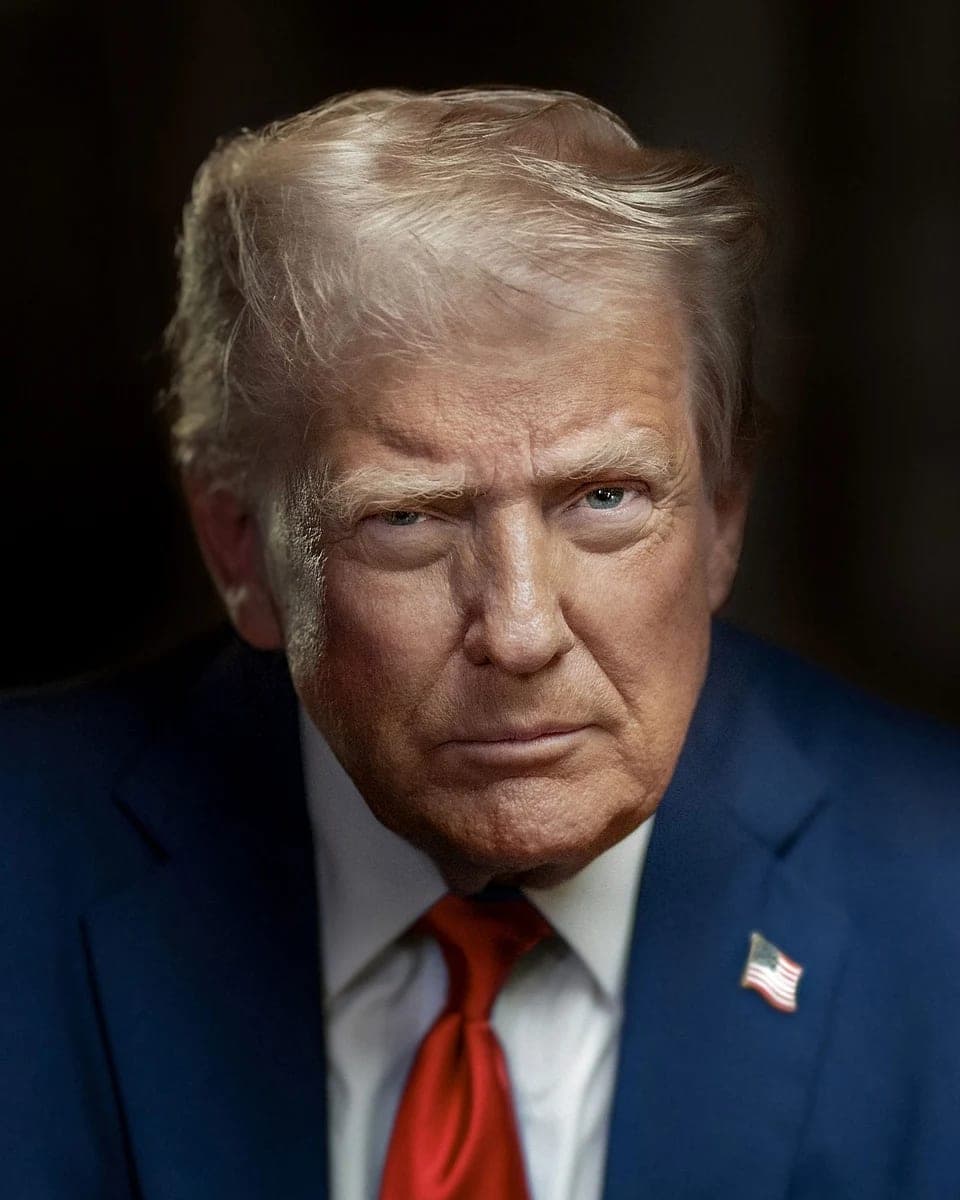
President whose reported interest in rescuing Hong Kong dissidents is mentioned
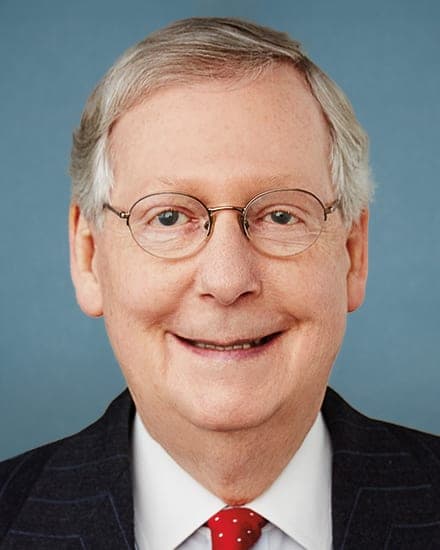
Senate minority leader who supported Pelosi’s right to visit Taiwan
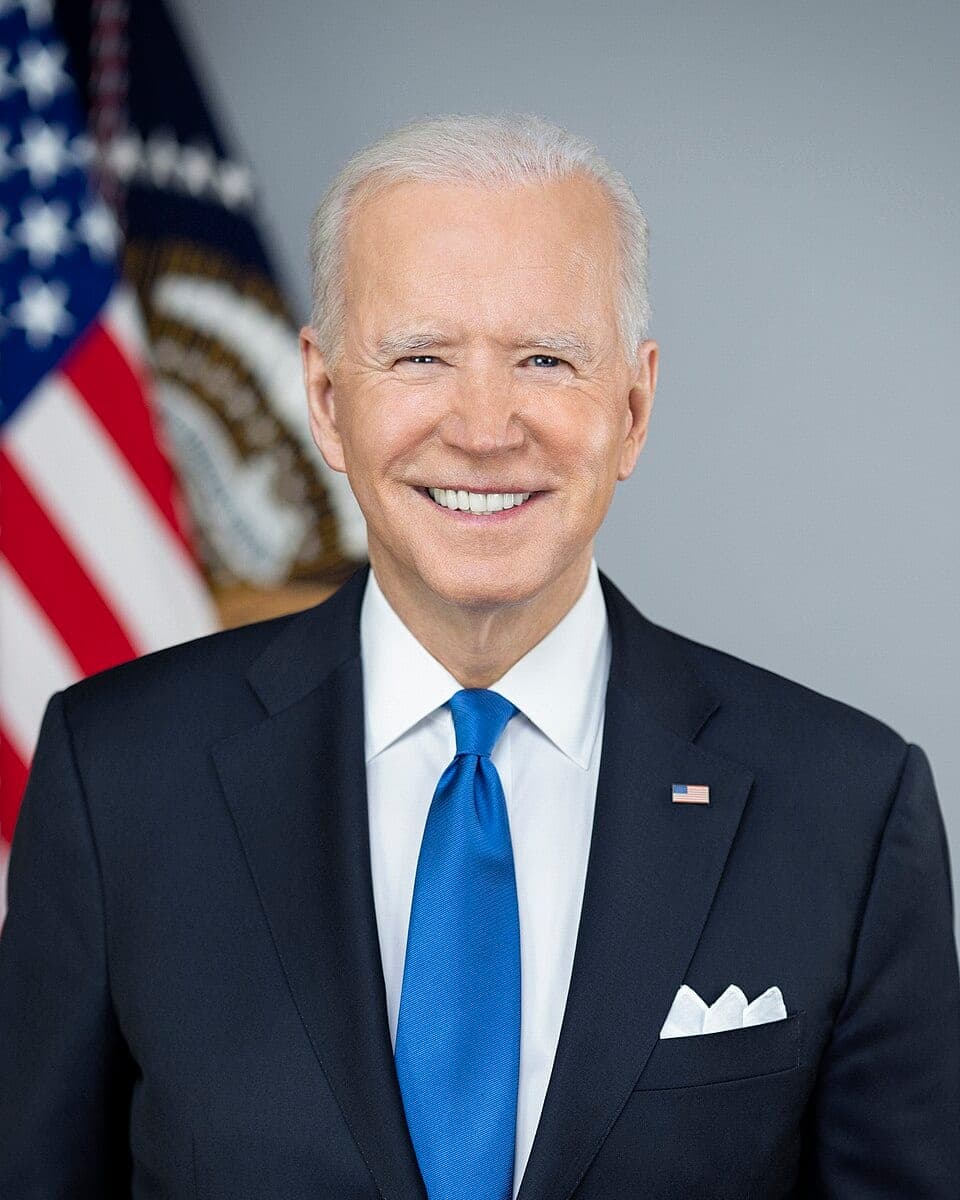
President who publicly admonished Pelosi over her Taiwan visit
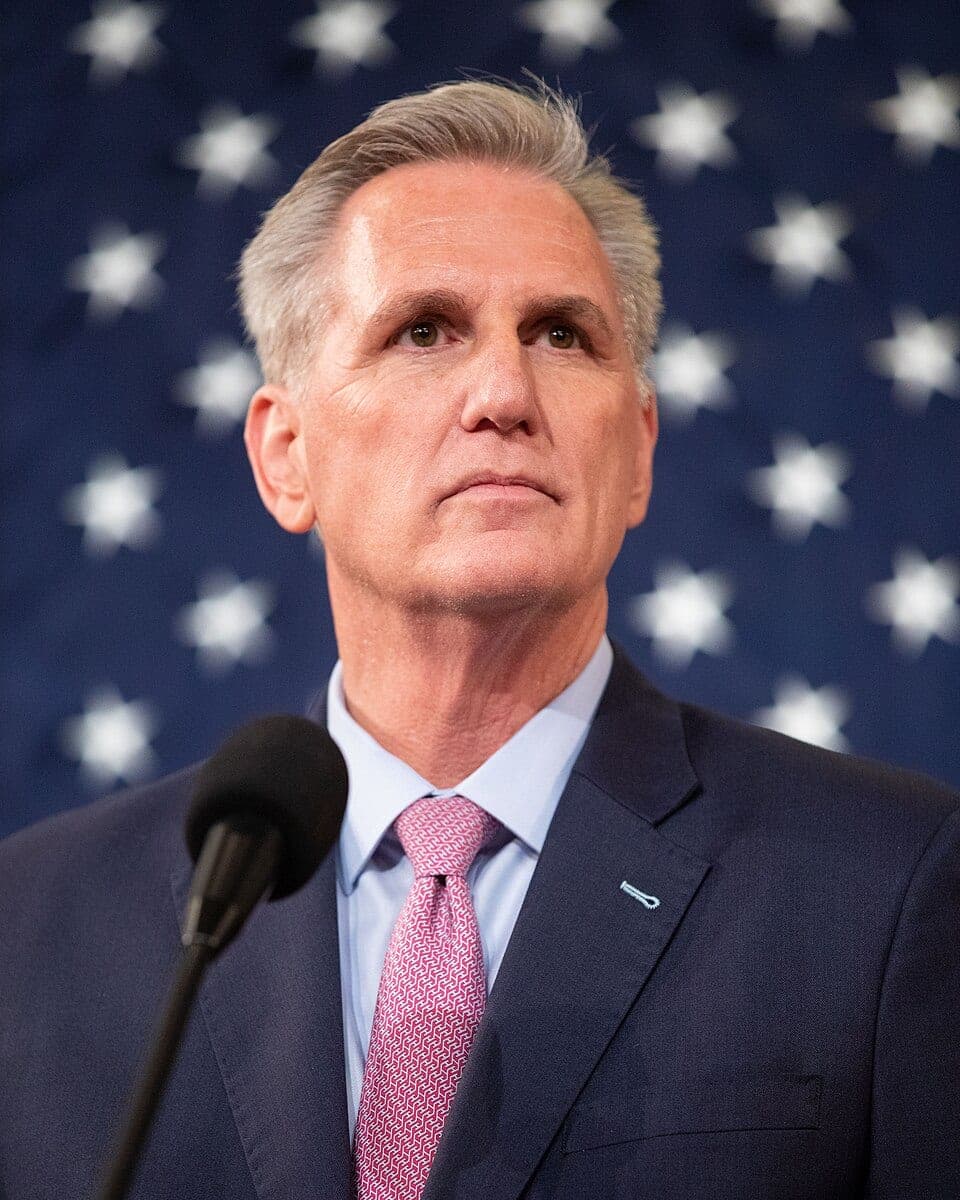
House minority leader who supported Pelosi’s Taiwan visit

Representative who drafted and revived the Hong Kong Human Rights and Democracy Act
Discussion · 0
Loading comments…