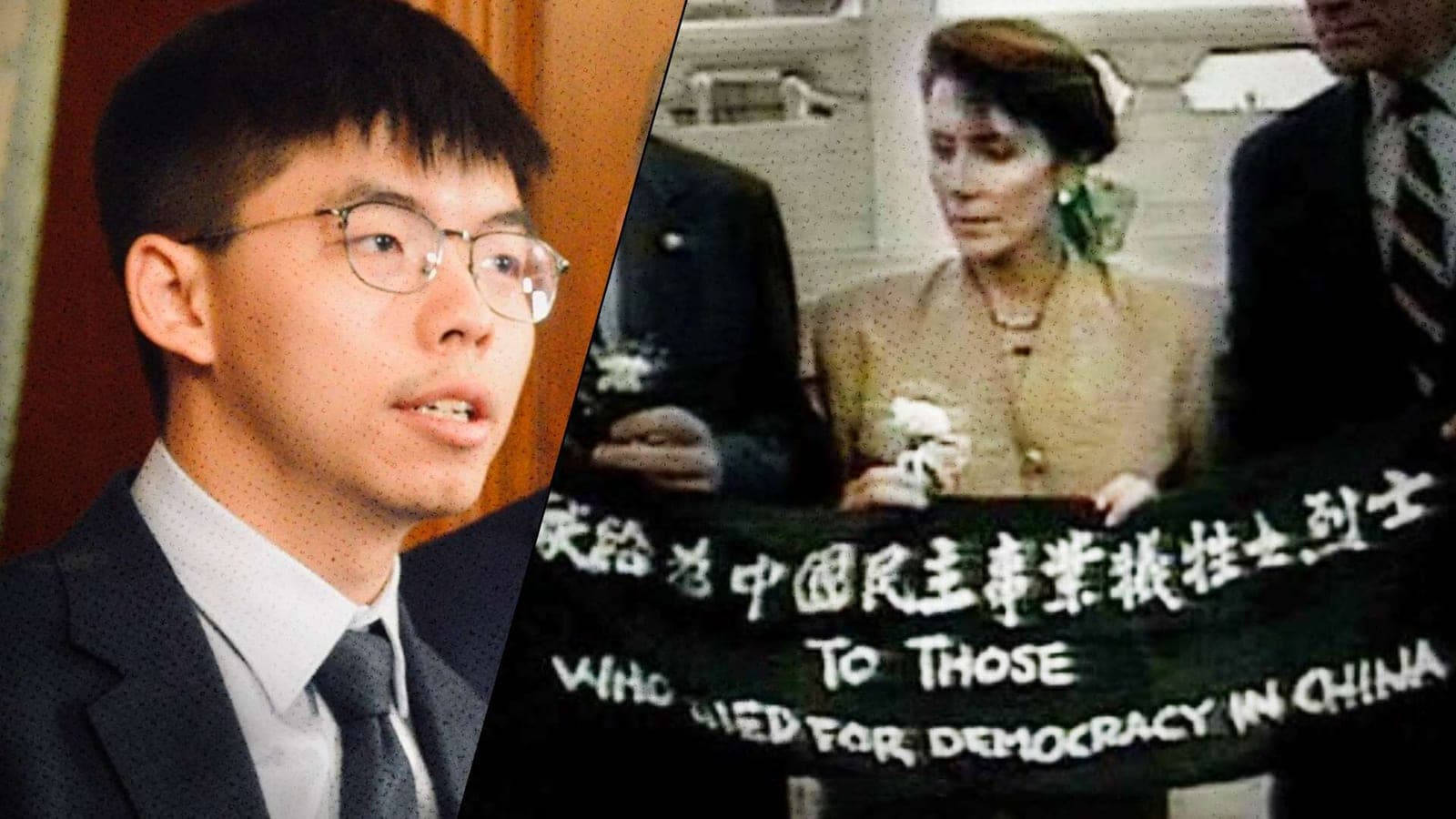
Nancy Pelosi Championed a Hong Kong Dissident. She May Have Doomed Him.
The article contrasts Pompeo’s public support for Pelosi’s Taiwan visit with the State Department’s decision not to help Wong seek asylum.
SOURCE CHECK
TAP FOR WHYReason is an established publication with identifiable authorship, but its recorded source type is opinion and this piece advances a strong argument rather than presenting itself as straight reporting. The article attributes several claims to named sources and publications.
- Source type — Opinion-first outlet; the piece is explicitly argumentative.
- Editorial standards — Reason is an established publication, though this article's genre limits its value as neutral reporting.
- Author attribution — A named author is identified.
- Transparency — The article identifies several sources and publications for claims and quotations.
The piece gives a detailed chronology and attributes quotations and some reported decisions to named people, books, and publications. Its central causal claim—that U.S. advocacy helped endanger Wong—is argued forcefully, while counterarguments and independent evidence for that causal link receive limited attention.
HOW WE SCORE ↗This is an opinion piece that develops a sustained critique of Pelosi and U.S. policy. It includes quotations and some context that complicate the argument, but does not substantially develop a defense of the officials’ choices or examine competing explanations for Wong’s prosecution.
- Opinion vs reporting — The article is openly argumentative and builds toward a critical conclusion.
- Counterarguments presented — Some officials and supporters defend the Taiwan visit, but their reasoning is not explored in depth.
- Source diversity — The article cites a range of named commentators, officials, and publications, but most selections support its central thesis.
- Loaded language — Repeatedly charged descriptions reinforce the critique.
The article uses a critical, anti-interventionist frame to argue that Pelosi’s and other U.S. officials’ China-related actions were reckless and ineffective. Its criticism is directed at U.S. political figures across party lines, rather than consistently advancing a conventional partisan case.
- Language tone — Terms such as “stunt,” “hubris,” and “squandered political capital” make the argument distinctly critical.
- Framing — The article frames U.S. advocacy as potentially endangering local activists while failing to secure them meaningful protection.
- Source selection — It foregrounds critics of Pelosi’s Taiwan visit and sources supporting the article’s account of Wong’s exposure and risk.
- Headline — The headline suggests Pelosi may have contributed to Wong’s danger.
Reason columnist Cole Crystal argues that Nancy Pelosi’s public support for Hong Kong activist Joshua Wong helped expose him to retaliation by Chinese authorities, while U.S. officials later declined to help him seek asylum. Wong pleaded guilty to collusion in 2025 and has not been sentenced.
Crystal traces Pelosi’s China-related advocacy from a 1991 Tiananmen Square protest and a 2022 Taiwan visit to her meetings with Wong and support for the Hong Kong Human Rights and Democracy Act. The article argues that public attention and congressional advocacy increased risks for Hong Kong activists without delivering the protection they needed. It also recounts concerns about Pelosi’s Taiwan visit and the lack of substantive agreements from it.
Community verdict
4 VOTES
People in this story
SWIPE →Former Secretary of State who supported Pelosi’s Taiwan visit and whose department declined to intervene for Wong
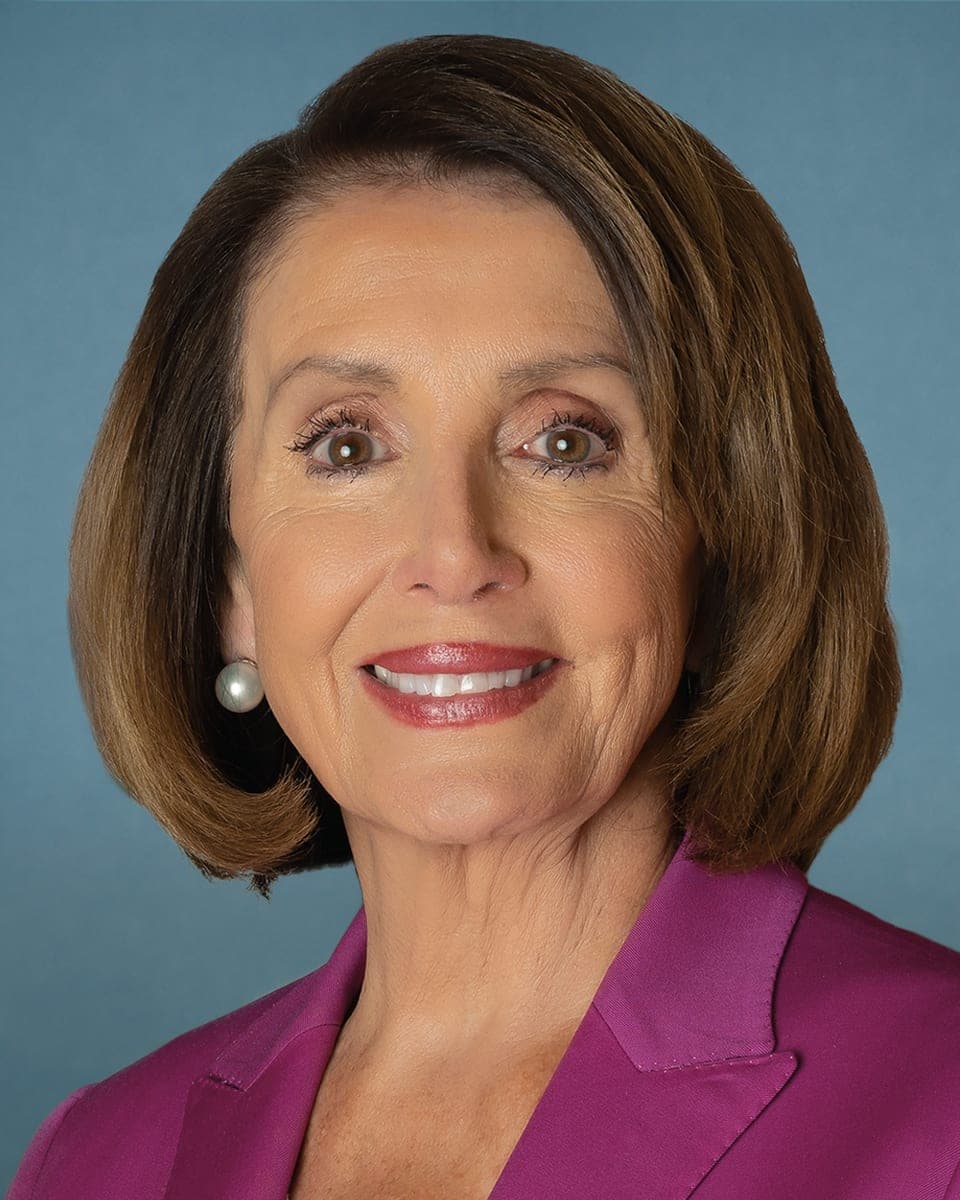
Representative and former Speaker whose China-related advocacy is the article’s focus
Pelosi's version of this story ↗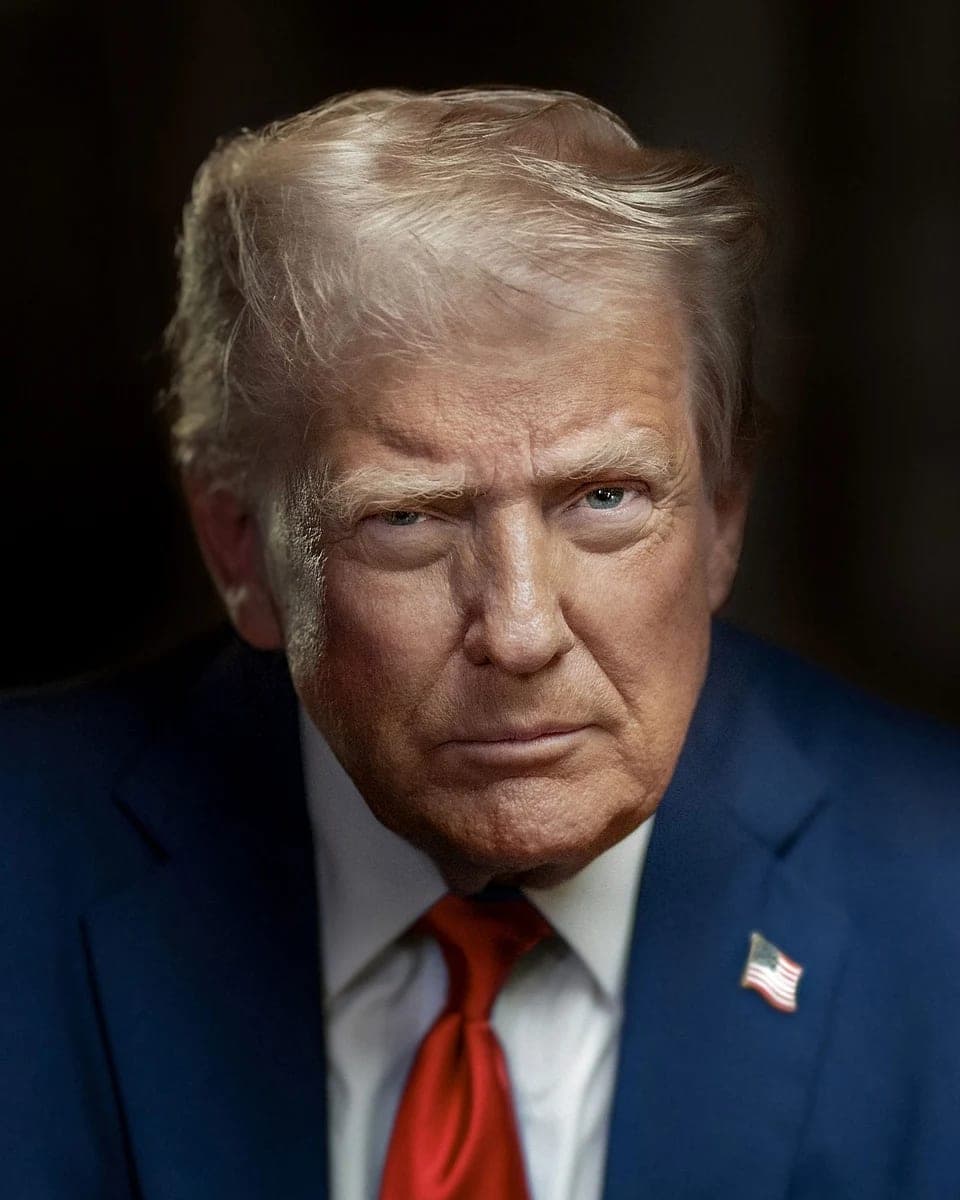
President whose reported interest in rescuing Hong Kong dissidents is mentioned
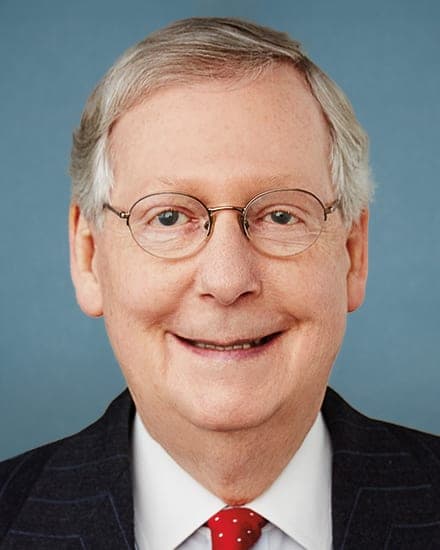
Senate minority leader who supported Pelosi’s right to visit Taiwan
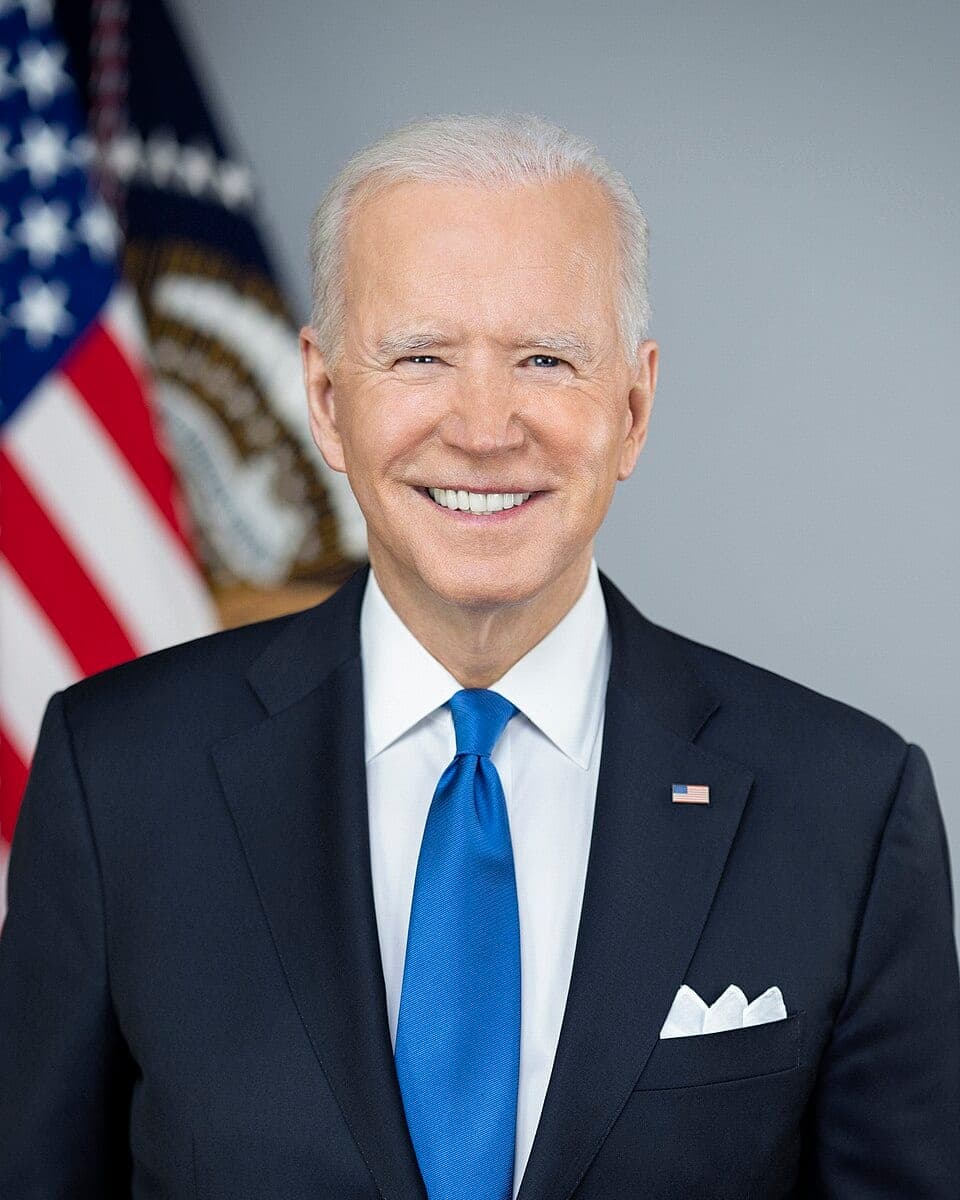
President who publicly admonished Pelosi over her Taiwan visit
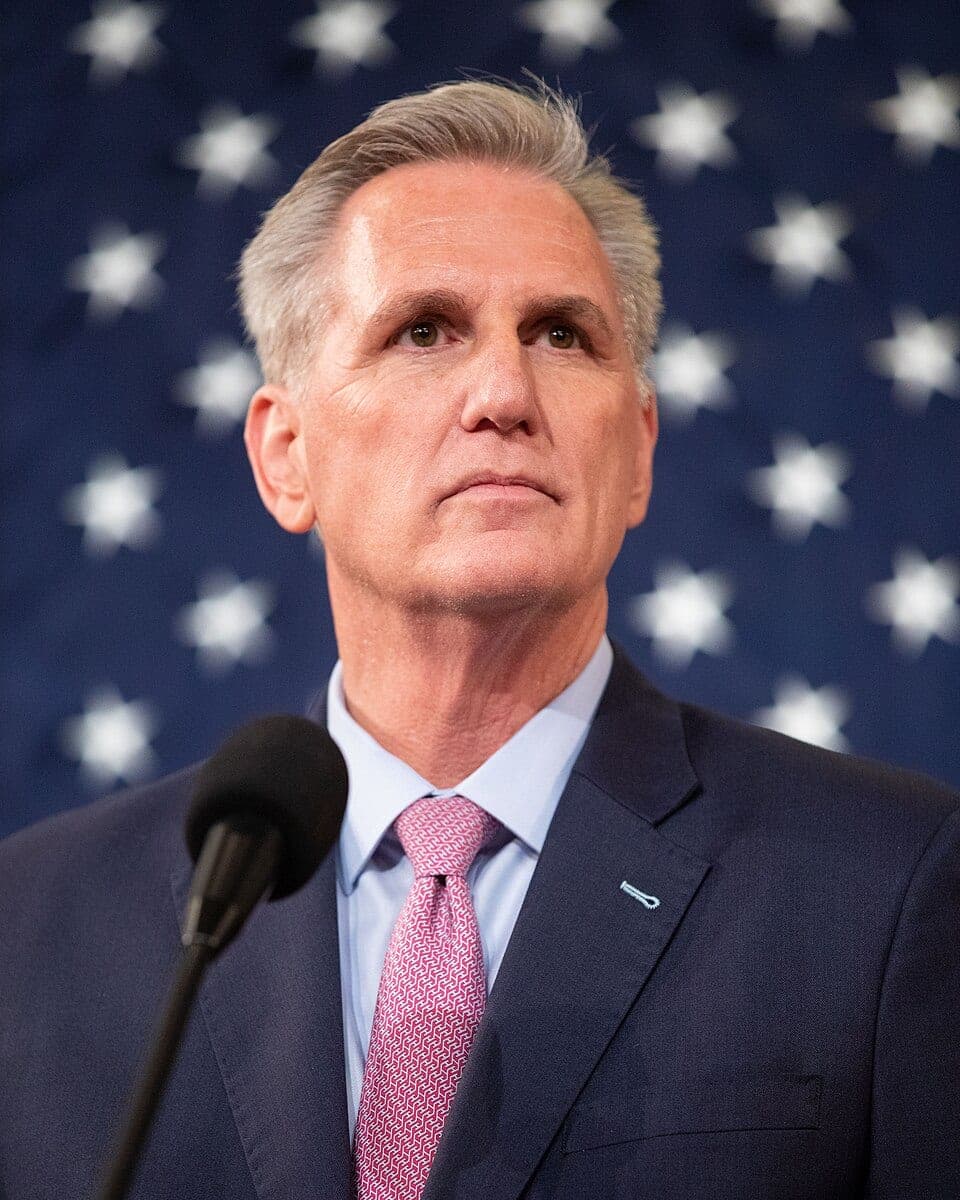
House minority leader who supported Pelosi’s Taiwan visit

Representative who drafted and revived the Hong Kong Human Rights and Democracy Act
Discussion · 0
Loading comments…